
Why Clients Choose ESE Partners

Fast Turnaround, No Surprises
Reports are on time and on budget. Expedited options available. We keep you informed at every milestone.

Offices Across Major Markets
With offices in Houston, Dallas, Austin, and San Antonio, we provide boots-on-the-ground service across the Sun Belt and beyond.

Experienced, Credentialed Team
Our team includes licensed Professional Geologists, Professional Engineers, and EPA-recognized Environmental Professionals with decades of experience.
Our Industrial Hygiene Services
ESE’s industrial hygiene services cover the full spectrum of hazardous building material assessment, occupant health evaluation, and regulatory compliance. We work directly with building owners, facility managers, engineers, architects, and state and local agencies across numerous sectors to produce findings that are accurate, defensible, and practical. Every assessment follows applicable federal, state, and local regulatory standards, so you get results that hold up in the field and on paper.

Asbestos Containing Material (ACM) Surveys
Once widely used in construction, insulation, and fire protection, asbestos is a known carcinogen. Regardless of the construction date, federal, state, and municipal regulations require building and facility owners to assess and manage the presence or potential presence of asbestos-containing materials (ACM). ESE provides a broad set of asbestos consulting services to public and private sector clients, giving you actionable results, not just reports.
Our Asbestos-Containing Material services include:
- Building Surveys & Facility Inspections
- Management Plans
- Operation and Maintenance Programs
- Development of Abatement Specifications & Design
- Abatement Bid Solicitation and Contractor Qualification
- Abatement Project Management and Oversight
- Air Monitoring and Sample Analysis

Mold Consulting Services
Moisture intrusion, water damage, HVAC issues, and construction defects can create conditions for mold and fungal growth. ESE’s state-licensed professionals work with building owners and facility managers to promptly identify mold and moisture damage, assess affected areas, and coordinate safe remediation. Throughout the process, our team verifies that the structure is restored to prevent future microbial growth while keeping occupants and building contents protected.
Our Mold Consulting Services include:
- Assessments for Mold-Affected Building Materials
- Remediation Protocols
- Remediation Contractor Solicitation and Selection
- Remediation Project Management
- Post-Remediation Verification and Sampling

Lead & Lead-Based Paint Consulting Services
Lead and lead compounds have historically been used in paints, coatings, ceramics, pipes, and plumbing materials across numerous structures. ESE’s accredited professionals provide timely, cost-effective solutions to lead-related issues, whether you are preparing for renovation, managing an existing facility, or responding to regulatory requirements.
Our lead and lead-based paint services include:
- Worker Protection Monitoring and Compliance
- Lead-Based Paint Inspections
- Lead-Based Paint Management Plans
- Development of Abatement Specifications
- Project Management and Oversight
- Water Testing

Indoor Air Quality (IAQ) Services
Modern buildings are complex, engineered systems that rely on active ventilation and ongoing management to control indoor air contaminants. Poor IAQ affects occupant health, productivity, and regulatory standing, particularly in manufacturing plants, laboratories, healthcare facilities, and commercial office environments. ESE Partners works with building owners and property management companies to proactively evaluate IAQ and respond to tenant or worker complaints.
Our services include:
- Baseline and Ambient Air Measurements
- Total Volatile Organic Compounds (TVOCs)
- Particulate Matter
- Bioaerosols
- Carbon Monoxide
- Carbon Dioxide
- Ozone
- Relative Humidity
- Temperature

Indoor Air Quality (IAQ) Services
Modern buildings are complex, engineered systems that rely on active ventilation and ongoing management to control indoor air contaminants. Poor IAQ affects occupant health, productivity, and regulatory standing, particularly in manufacturing plants, laboratories, healthcare facilities, and commercial office environments. ESE Partners works with building owners and property management companies to proactively evaluate IAQ and respond to tenant or worker complaints.
Our services include:
- Baseline and Ambient Air Measurements
- Total Volatile Organic Compounds (TVOCs)
- Particulate Matter
- Bioaerosols
- Carbon Monoxide
- Carbon Dioxide
- Ozone
- Relative Humidity
- Temperature
Get Industrial Hygiene Consulting That Protects What Matters
Hazardous building materials and poor air quality create real liability for property owners, facility managers, and project developers. ESE Partners has the credentials, experience, and industry-specific knowledge to help you accurately assess risk and act decisively. Contact our team to request a proposal or speak with one of our industrial hygiene consultants today.
Why Choose ESE Partners for Building Sciences Consulting?
SE Partners is a full-service environmental consulting firm with deep roots in Texas and a track record of projects across the country. Our Building Sciences and industrial hygiene teams bring credentials, consistency, and practical problem-solving to every engagement. Here’s what sets us apart:
- Licensed and accredited staff — Our consultants hold state-required licenses and accreditations for asbestos, lead, mold, and IAQ work across multiple jurisdictions.
- Full-service capability — Because we also provide environmental remediation and compliance services, we can manage hazardous building material issues from initial survey through final clearance with no handoffs.
- Regulatory fluency — Our team works directly with state and local agencies, keeping clients informed and compliant throughout every phase of a project.
- Industry-specific experience — We serve manufacturing, construction, oil and gas, and healthcare clients with tailored approaches that account for the operational realities of each sector.
- Objective, third-party oversight — ESE does not perform abatement work. Our role as the consulting and oversight firm means we always make recommendations in the client’s interest.
More Services

Due Diligence
Learn More

Remediation
Learn More

Compliance
Learn More

Natural Resources
Learn More

Cultural Resources
Learn More

Sustainability
Learn More

Renewable
Learn More
Frequently Asked Questions
How do I know if my building has asbestos, lead, or mold?
Visual inspection alone cannot confirm the presence of asbestos or lead-based paint. Laboratory analysis of collected samples is required. Mold is sometimes visible but can also grow within wall cavities, HVAC systems, and beneath flooring. A formal survey by licensed industrial hygiene professionals is the only reliable way to characterize the scope and condition of these hazards.
When is a property condition assessment required?
Lenders financing commercial real estate transactions frequently require a PCA before closing. PCAs are also used by buyers conducting pre-acquisition due diligence, by property owners planning major renovations, and by portfolio managers assessing deferred maintenance across multiple assets. ESE often conducts PCAs alongside a Phase I ESA to consolidate the pre-purchase investigation process.
What is the difference between an industrial hygiene consultant and an abatement contractor?
An industrial hygiene consultant, like ESE Partners, assesses hazards, designs remediation specifications, and provides independent oversight during abatement. An abatement contractor physically removes or encapsulates the hazardous material. Keeping these roles separate protects the building owner by ensuring that the party setting the remediation scope has no financial stake in the work itself.
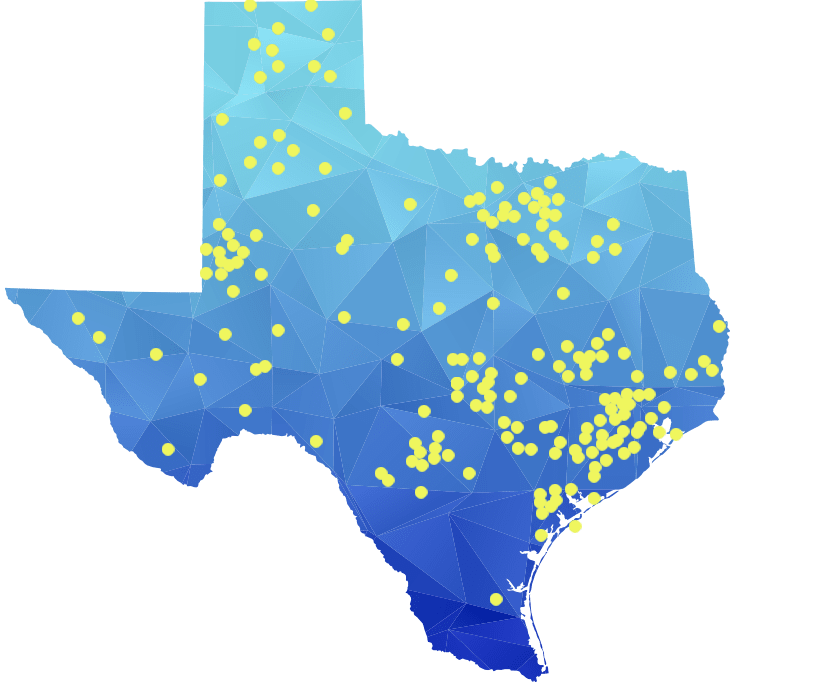
Texas Firm with a
National Reach.
Discover featured projects from across ESE Partners’ disciplines: Due Diligence, Building Sciences, Remediation, Compliance, and Natural & Cultural Resources.
Contact Us
Thank you for your interest in ESE Partners. We look forward to answering your questions and discuss how we can help your organization.
