
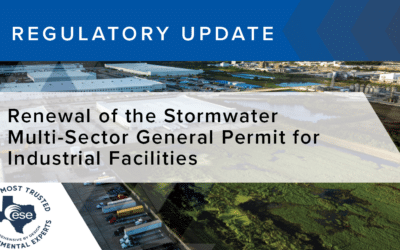
Preparing for Texas’ 2026 TPDES MSGP Renewal: Turning Stormwater Compliance Into a Strategic Checkpoint
As the 2026 renewal of Texas’ TPDES Multi-Sector General Permit (MSGP TXR050000) approaches, industrial facilities should treat this cycle as a proactive compliance checkpoint. Early review of stormwater programs, SWPPP documentation, and monitoring requirements can reduce risk, avoid delays, and strengthen operational readiness.

Data Center Growth in Texas: Why Early Environmental Due Diligence Is Now Critical to Project Timelines
As data center development accelerates across Texas, environmental considerations are becoming a key driver of project certainty. Early due diligence around land use, stormwater permitting, and site constraints helps reduce delays and supports smoother progression from site selection through construction.
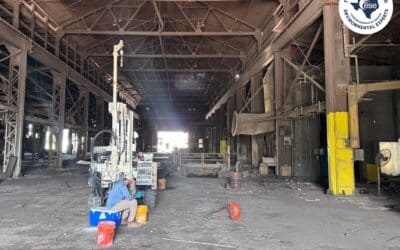
From Subsurface Conditions to Site Closure: How Field Data Drives Effective Environmental Remediation in Texas
Environmental remediation begins with understanding subsurface conditions. Field investigations provide the foundation for informed cleanup strategies, regulatory compliance, and long-term site closure by turning complex site conditions into clear, actionable decisions.

Early Environmental Coordination in Texas Water Infrastructure: Reducing Risk Before Design Becomes Constraint
Texas water infrastructure projects are growing in scale and complexity, and early environmental and cultural resource coordination is becoming a critical factor in securing TWDB funding and delivering projects on time. Identifying constraints before design advances helps reduce redesign risk, improve permitting clarity, and support stronger project readiness from planning through construction.

Environmental Planning in the Age of Data Center Expansion in Texas
Data center development is accelerating across Texas at an unprecedented pace, driven by demand for digital infrastructure and grid-scale computing capacity. As this growth continues, environmental planning is becoming a critical factor in determining how quickly projects move from early concept to construction. Early regulatory strategy, site assessment, and permitting coordination are now central to successful development timelines.
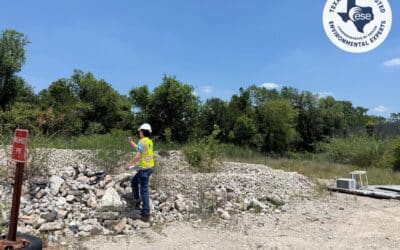
Simplifying Environmental Compliance for Smarter Project Delivery
Environmental compliance can be complex, but it doesn’t have to slow projects down. ESE’s Compliance services are designed to help clients navigate regulatory requirements with clarity and confidence, supporting better decisions from planning through construction and closeout. The goal is simple: keep projects aligned, protected, and prepared at every stage.