
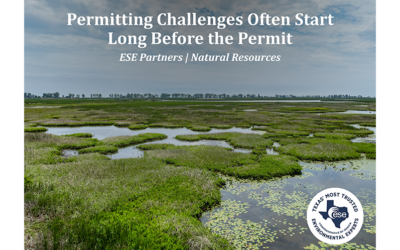
Why Natural Resources Shape Project Timelines Long Before Permitting Begins
Many project delays are attributed to permitting, but the root cause often lies earlier in the process. Natural resource constraints such as wetlands, jurisdictional waters, and habitat considerations can significantly influence project timelines when not identified early. Understanding these factors upfront allows for better planning, clearer permitting strategies, and more predictable project execution.
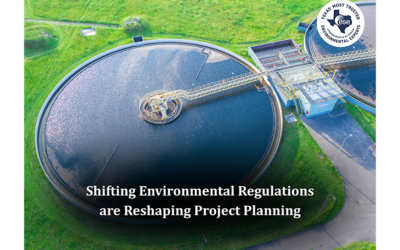
How Shifting Environmental Regulations Are Reshaping Project Planning in Texas
Recent regulatory developments are not just changing compliance requirements. They are influencing how projects are scoped, scheduled, and designed from the very beginning.
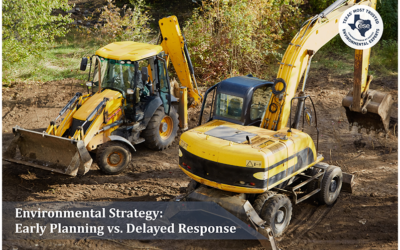
The Cost of Waiting: How Delayed Environmental Strategy Impacts Project Timelines
Most project delays are not caused during construction. They begin much earlier, when environmental considerations are not fully understood or addressed at the start. A proactive approach can mean the difference between a project that moves forward with confidence and one that faces costly delays and uncertainty.
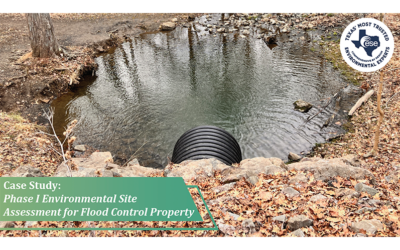
Early Environmental Clarity Supports Flood Control Planning in Southeast Texas
A Phase I Environmental Site Assessment for a Southeast Texas flood control property provided clear, risk-free findings with no recognized environmental conditions, helping move planning forward with confidence.

Why Broadband Is Happening Right Now and What Will Determine Which Projects Move Forward
Broadband expansion is accelerating because several long-standing barriers have shifted at the same time. Funding, demand, technology, and public pressure have created a rare moment for large-scale deployment. The next challenge is execution, and the projects that move forward most effectively will be the ones that account for environmental and regulatory complexity from the start.

Environmental Red Flags Nobody Notices (But Should)
The most important environmental risks are often not the obvious ones. Subtle site conditions can quietly impact project timelines, costs, and feasibility if they are not identified early.