What Is an Affected Property Assessment Report (APAR)?
An APAR (TCEQ Form 10325) is a formal report package used to document an affected property assessment under the TCEQ TRRP framework, typically summarizing investigation methods and results (e.g., soil/groundwater delineation) and organizing data in a way TCEQ reviewers expect.
In plain terms: an APAR is how you translate field and lab data into a TRRP-compliant story about:
- what happened (release/source),
- where impacts are (horizontal/vertical extent),
- what media are affected (soil, groundwater, etc.),
- and what the implications are for risk and next steps.
TCEQ publishes APAR forms and associated TRRP guidance resources used to support these submittals.
Request Your APAR Services Today
Texas’ most trusted environmental experts – comprehensive by design.
When Is It Required?
An APAR is commonly required or strategically necessary when a site needs to satisfy Texas Risk Reduction Program (TRRP) assessment and reporting expectations. This may include TCEQ-regulated cleanup sites where TRRP applies and assessment findings must be formally documented, as well as sites entering or progressing through a TCEQ remediation program where TRRP reporting is expected. APARs are also often needed for transaction-driven problem sites, such as acquisitions, refinancing, or redevelopment projects, when Phase I or Phase II ESA findings escalate into a regulatory or remedy track. In due diligence-to-cleanup transitions, an APAR provides stakeholders with a single, defensible basis for evaluating scope, cost, schedule, and remedy planning.
ESE Partners’ Approach
“Comprehensive by Design” means your APAR is not simply data compiled into a form; it is built to withstand scrutiny and support informed decisions. ESE Partners uses TRRP-first scoping, planning sampling activities around Texas Risk Reduction Program decision points rather than relying on generic site characterization. Our team prepares regulator-ready documentation with clear figures, consistent tables, and traceable data logic to help streamline reviews and reduce comments. We also provide practical recommendations focused on the issues that materially affect risk, cost, or schedule, without overcalling conditions that do not. With fast statewide mobilization and clear communication for deal teams, plant managers, and attorneys, ESE delivers APAR support at the speed Texas projects require.
Our Process
- Kickoff + regulatory context check: program status, existing files, TRRP applicability and reporting expectations
- Conceptual Site Model (CSM) development: sources, pathways, receptors, data gaps
- Investigation planning: borings/monitor wells, analyte list, QA/QC, access, utilities clearance
- Fieldwork + sampling (soil/groundwater and other media as needed)
- Data validation + interpretation: extent, trends, exceedance zones, CSM refinement
- APAR preparation (Form 10325 package) with supporting maps, tables, and narrative
- Stakeholder review + submittal support: comment responses, revisions, coordination
Regulatory Framework (Texas)
Affected Property Assessment Reports are tied to the Texas Risk Reduction Program (TRRP) guidance and forms published by the Texas Commission on Environmental Quality (TCEQ), including the APAR form itself (Form 10325/APAR) and related assessment guidance resources.
Note: APARs are distinct from transactional “Phase I ESA” products; Phase I ESAs are typically performed to meet All Appropriate Inquiries (AAI) expectations recognized by EPA (often via ASTM standards).
Risks of Not Completing This Service
Skipping—or under-scoping—an APAR can create real business pain:
- Regulatory delays: Missing required elements can trigger rounds of comments and re-submittals.
- Unclear extent = unstable costs: If impacts aren’t properly bounded, remedy budgets and schedules can blow up midstream.
- Transaction friction: Lenders, buyers, and counsel may pause a deal if the regulatory path isn’t supported by defensible reporting.
- Rework in the field: Poor planning often means additional mobilizations.
More Environmental Remediation Services

Remediation Design & Implementation
When active remediation is necessary, our site investigation and remediation consulting team selects the most technically sound approach for each unique site. We evaluate a full spectrum of remedial methods before committing to a strategy, because the right solution depends on contaminant type, site geology, regulatory program, and end-use goals.

Brownfields & Redevelopment Support
ESE Partners is committed to recycling the land and revitalizing cities and neighborhoods. Environmentally impacted properties carry hidden financial potential, and we help our clients unlock it through strategic environmental risk management and engineering.
Industries We Serve
ESE operates in a wide range of industries, all with unique needs and regulatory obligations. We offer experts who understand the broad complexity of environmental challenges faced by today’s businesses.

Real Estate Brokers & Developers
ESE helps brokers and developers reduce deal friction and avoid surprises through fast, defensible environmental due diligence. We support property evaluations, redevelopment risk screening, and transaction-ready reporting for Texas assets.

Private Equity/Capital Investors
Transaction support for acquisitions and portfolio oversight, including Phase I/II ESAs and risk-based evaluation. We provide clear findings, practical recommendations, and scalable diligence support.

Financial Institutions
ESE supports lender-driven environmental due diligence and portfolio risk management, including Phase I/II ESAs and risk screening. We deliver consistent, defensible reporting aligned with credit and closing timelines.

Attorneys
Technical support for environmental risk, liability evaluation, and regulatory strategy. We provide clear documentation and expert collaboration to support transactions, compliance matters, and remediation planning.
Why ESE Partners
ESE Partners is built for Texas projects that require speed, credibility, and complete environmental support:
- Texas-focused TRRP expertise (we work within TCEQ expectations and documentation culture).
- Full lifecycle capability: due diligence → investigation → remediation support → compliance.
- Responsive teams that keep deals moving across Houston, Dallas–Fort Worth, Austin, and San Antonio.
- Comprehensive by Design: we align stakeholders early so the APAR supports the next decision (remedy selection, risk closure path, redevelopment planning).
Need an Affected Property Assessment Report (APAR) that’s TRRP-ready and built to reduce review cycles?
Contact ESE Partners to get a scope and proposal—fast—and keep your project (or deal) moving.
Our Environmental Remediation Projects

Environmental Health and Safety Plan for Utility and Roadway Improvements in PPCA Areas
ESE prepared a Site Environmental Health and Safety Plan designed specifically for utility construction activities conducted within Potentially Petroleum Contaminated Areas associated with LPST/PST conditions, providing a clear framework to protect workers, maintain safe operations, and support compliant field execution during active construction.
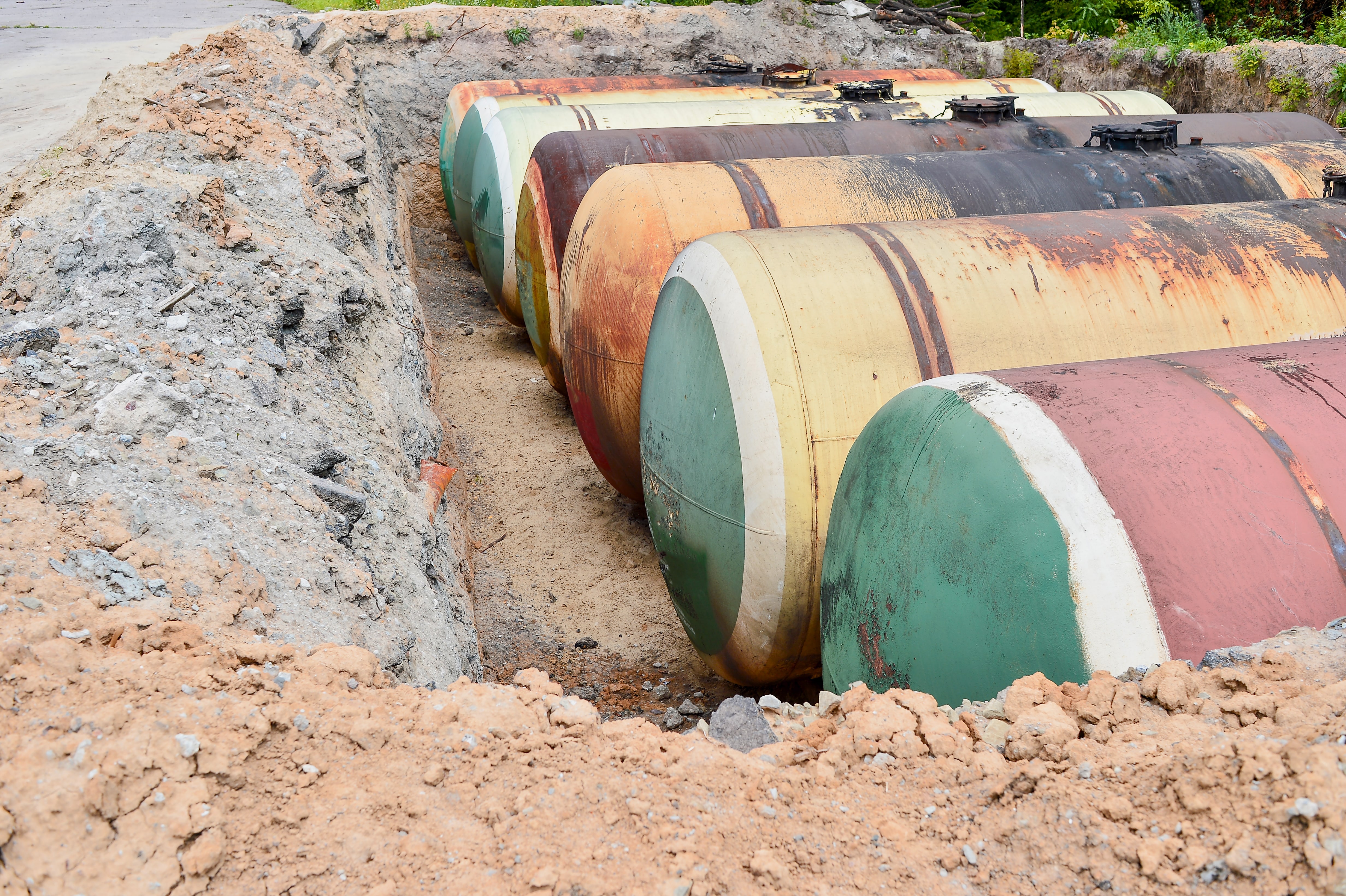
Tank Removal and Release Determination for Diesel UST
ESE completed a tank removal and release determination for a diesel underground storage tank at an active healthcare facility in Texas, delivering regulator-ready documentation to support compliant closure and reduce environmental liability.

EPA-Funded Brownfields QAPP and Sampling Plan for Municipal Redevelopment
ESE prepared a Quality Assurance Project Plan for an EPA-funded Brownfields effort supporting a municipal brownfields program, providing the quality framework and sampling plan needed to conduct limited subsurface investigations and produce defensible, regulator-ready data.
Frequently Asked Questions About APARs
What is an Affected Property Assessment Report (APAR) and what does it cover?
An APAR (TCEQ Form 10325) is a formal report package used to document an affected property assessment under the TCEQ TRRP framework, typically summarizing investigation methods and results (e.g., soil/groundwater delineation) and organizing data in a way TCEQ reviewers expect. In plain terms, an APAR is how you translate field and lab data into a TRRP-compliant story about what happened (release/source), where impacts are (horizontal/vertical extent), what media are affected (soil, groundwater, etc.), and what the implications are for risk and next steps. It’s important to note that APARs are distinct from transactional Phase I ESA products, which are typically performed to meet All Appropriate Inquiries (AAI) expectations recognized by EPA.
When is an APAR required for a Texas site?
An APAR is commonly required or strategically necessary when you need to satisfy TRRP assessment and reporting expectations, including TCEQ-regulated cleanup sites where TRRP applies and an assessment must be documented, entry into or progress within a TCEQ remediation program where TRRP reporting is expected, transaction-driven problem sites (acquisition, refinancing, redevelopment) where Phase I/II findings escalate into a regulatory or remedy track, and due diligence-to-cleanup transitions where stakeholders need a single, defensible basis for scope, cost, schedule, and remedy planning.
What are the risks of skipping or under-scoping an APAR?
Skipping or under-scoping an APAR can create real business pain, including regulatory delays where missing required elements can trigger rounds of comments and re-submittals, unclear extent leading to unstable costs (if impacts aren’t properly bounded, remedy budgets and schedules can blow up midstream), transaction friction where lenders, buyers, and counsel may pause a deal if the regulatory path isn’t supported by defensible reporting, and rework in the field where poor planning often means additional mobilizations.
What does ESE Partners' APAR preparation process look like?
ESE Partners’ Comprehensive by Design approach means your APAR isn’t just “data compiled into a form” — it’s built to withstand scrutiny and drive decisions. The process includes: kickoff and regulatory context check (program status, existing files, TRRP applicability and reporting expectations); Conceptual Site Model (CSM) development (sources, pathways, receptors, data gaps); investigation planning (borings/monitor wells, analyte list, QA/QC, access, utilities clearance); fieldwork and sampling (soil/groundwater and other media as needed); data validation and interpretation (extent, trends, exceedance zones, CSM refinement); APAR preparation (Form 10325 package) with supporting maps, tables, and narrative; and stakeholder review and submittal support (comment responses, revisions, coordination). Throughout, ESE Partners aligns stakeholders early so the APAR supports the next decision — whether that’s remedy selection, risk closure path, or redevelopment planning.