What Is Exposure Pathway Analysis?
Exposure Pathway Analysis is the process of evaluating whether contaminants in environmental media—such as soil, groundwater, surface water, sediment, soil vapor, or indoor air—can reach human or ecological receptors.
A complete exposure pathway generally includes:
- A source of contamination
- An affected environmental medium such as soil, groundwater, vapor, or surface water
- A transport mechanism such as leaching, migration, volatilization, runoff, or direct contact
- An exposure point where contact may occur
- An exposure route such as ingestion, inhalation, dermal contact, or vapor intrusion
- A receptor, such as workers, residents, construction crews, trespassers, utility workers, groundwater users, or ecological habitats
If any component of the pathway is incomplete, the risk may be reduced or controlled. ESE Partners uses exposure pathway analysis to distinguish theoretical concerns from actionable environmental risk.
Request Your Exposure Pathway Analysis Today
Texas’ most trusted environmental experts – comprehensive by design.
When Is Exposure Pathway Analysis Required?
Exposure Pathway Analysis is commonly needed when environmental impacts are identified or suspected and stakeholders need to understand whether those impacts create a real risk. This analysis may be used during Phase II Environmental Site Assessments involving soil, groundwater, or vapor impacts; brownfield redevelopment projects on former industrial, commercial, or petroleum-use properties; voluntary cleanup and corrective action projects under Texas regulatory programs; and TCEQ Texas Risk Reduction Program evaluations. It also supports remediation planning, site closure strategy, vapor intrusion assessments for commercial, industrial, or mixed-use buildings, and property acquisition, refinancing, or divestiture when contamination is known or suspected. Exposure pathway analysis can be especially important for construction and redevelopment projects where impacted soil or groundwater may affect workers or future occupants, as well as industrial compliance, legacy contamination evaluations, and energy, transportation, or infrastructure projects crossing areas with environmental concerns. For lenders, attorneys, developers, and owners, it provides a clearer understanding of whether environmental conditions create a business, regulatory, or human health concern.
ESE Partners’ Approach
ESE Partners takes a practical, risk-based approach to Exposure Pathway Analysis in Texas. Our goal is not to overstate risk, but to identify complete, potentially complete, and incomplete pathways so clients can make informed decisions. Our approach emphasizes deal-focused risk evaluation for acquisitions, financing, and redevelopment, supported by Texas regulatory expertise and experience with TCEQ risk-based programs. We communicate clearly with owners, lenders, attorneys, and project teams, translating technical findings into practical recommendations and next steps. ESE also integrates exposure pathway analysis with related services such as Phase I ESAs, Phase II ESAs, remediation, compliance, and natural resources support. When exposure pathway conclusions affect transaction timing, our team provides fast turnaround to help keep projects moving. We understand that environmental findings can delay deals, complicate financing, or trigger regulatory obligations, so we help clients separate material risks from manageable conditions.
Our Process
- Review Site History and Existing Data: We evaluate Phase I ESA findings, Phase II data, regulatory records, site operations, historical land use, and known or suspected contaminant sources.
- Identify Contaminants and Affected Media: We determine which chemicals of concern may be present and whether impacts affect soil, groundwater, vapor, surface water, sediment, or structures.
- Develop a Conceptual Site Model: ESE prepares or refines a conceptual site model showing sources, migration pathways, exposure points, receptors, and site-specific conditions.
- Evaluate Complete and Potentially Complete Pathways: We assess whether exposure could occur through ingestion, inhalation, dermal contact, vapor intrusion, groundwater use, construction activities, or ecological contact.
- Assess Current and Future Land Use: Exposure assumptions are evaluated based on commercial, industrial, residential, mixed-use, construction, or redevelopment scenarios.
- Compare Findings to Applicable Risk-Based Criteria: Where appropriate, we evaluate site data against applicable regulatory screening levels, protective concentration levels, or cleanup criteria.
- Recommend Risk Management or Closure Strategies: Recommendations may include additional investigation, institutional controls, engineering controls, remediation, vapor mitigation, construction worker precautions, or regulatory closure pathways.
- Communicate Findings Clearly: We deliver concise, defensible conclusions that support business decisions, regulatory discussions, and project planning.
Regulatory Framework
Exposure Pathway Analysis may support compliance with multiple environmental programs and technical frameworks, depending on the site conditions and contaminants involved. Common references include the TCEQ Texas Risk Reduction Program for risk-based corrective action and closure evaluations in Texas, EPA risk assessment concepts for evaluating exposure routes, receptors, and contaminant transport, ASTM E1527-21 when exposure pathway concerns are identified during Phase I Environmental Site Assessments, and ASTM E1903 for Phase II Environmental Site Assessment processes. Exposure pathway evaluations may also intersect with TCEQ Petroleum Storage Tank and corrective action programs, vapor intrusion guidance and risk-based screening approaches for soil gas, groundwater, and indoor air concerns, and site-specific regulatory requirements tied to industrial facilities, brownfields, voluntary cleanup, or enforcement-driven corrective action. ESE Partners applies the appropriate regulatory framework based on the site’s use, location, contaminants, affected media, and client objectives.
Risks of Not Completing Exposure Pathway Analysis
Failing to evaluate exposure pathways can create unnecessary uncertainty and potential liability. Common risks include:
- Misunderstanding the true environmental risk associated with soil, groundwater, vapor, or surface water impacts
- Deal delays caused by unresolved lender, buyer, or attorney concerns
- Unnecessary remediation costs if risk is not evaluated in a practical, pathway-based manner
- Regulatory exposure if complete pathways are overlooked
- Vapor intrusion concerns that affect building occupancy, redevelopment, or tenant safety
- Construction worker exposure issues during excavation, utility work, or site redevelopment
- Loss of leverage in negotiations due to unclear environmental conditions
- Inability to obtain regulatory closure without a defensible conceptual site model and exposure evaluation
A well-executed Exposure Pathway Analysis can reduce uncertainty, focus investigation efforts, and help avoid overdesigning or underestimating environmental response actions.
More Environmental Remediation Services

Remediation Design & Implementation
When active remediation is necessary, our site investigation and remediation consulting team selects the most technically sound approach for each unique site. We evaluate a full spectrum of remedial methods before committing to a strategy, because the right solution depends on contaminant type, site geology, regulatory program, and end-use goals.

Brownfields & Redevelopment Support
ESE Partners is committed to recycling the land and revitalizing cities and neighborhoods. Environmentally impacted properties carry hidden financial potential, and we help our clients unlock it through strategic environmental risk management and engineering.
Industries We Serve
ESE operates in a wide range of industries, all with unique needs and regulatory obligations. We offer experts who understand the broad complexity of environmental challenges faced by today’s businesses.

Real Estate Brokers & Developers
ESE helps brokers and developers reduce deal friction and avoid surprises through fast, defensible environmental due diligence. We support property evaluations, redevelopment risk screening, and transaction-ready reporting for Texas assets.

Private Equity/Capital Investors
Transaction support for acquisitions and portfolio oversight, including Phase I/II ESAs and risk-based evaluation. We provide clear findings, practical recommendations, and scalable diligence support.

Financial Institutions
ESE supports lender-driven environmental due diligence and portfolio risk management, including Phase I/II ESAs and risk screening. We deliver consistent, defensible reporting aligned with credit and closing timelines.

Attorneys
Technical support for environmental risk, liability evaluation, and regulatory strategy. We provide clear documentation and expert collaboration to support transactions, compliance matters, and remediation planning.
Why ESE Partners
ESE Partners is a Texas-based environmental consulting firm trusted by commercial real estate, energy, industrial, legal, and infrastructure clients to evaluate environmental risk with the right balance of technical rigor, regulatory awareness, and business practicality. Clients choose ESE for Texas-focused expertise across Houston, Dallas-Fort Worth, Austin, San Antonio, and statewide markets, as well as integrated environmental due diligence and remediation capabilities. Our team brings experience with TCEQ programs, risk-based closure, and corrective action strategy, supported by responsive execution that aligns with transaction timelines. We provide clear, defensible reporting for lenders, attorneys, developers, and regulators, along with comprehensive service lines that include due diligence, remediation, compliance, natural and cultural resources, and building sciences. With scalable support for single-site transactions and multi-site portfolios, ESE Partners is Texas’ Most Trusted Environmental Experts — Comprehensive by Design. We do more than identify environmental concerns; we help clients understand what they mean, what they cost, and how to move forward.
Need an Exposure Pathway Analysis in Texas for a property transaction, redevelopment project, or regulatory closure strategy?
Talk to ESE Partners today. Our team can help evaluate exposure risk, clarify next steps, and keep your deal or project on track.
Our Environmental Remediation Projects

Environmental Health and Safety Plan for Utility and Roadway Improvements in PPCA Areas
ESE prepared a Site Environmental Health and Safety Plan designed specifically for utility construction activities conducted within Potentially Petroleum Contaminated Areas associated with LPST/PST conditions, providing a clear framework to protect workers, maintain safe operations, and support compliant field execution during active construction.
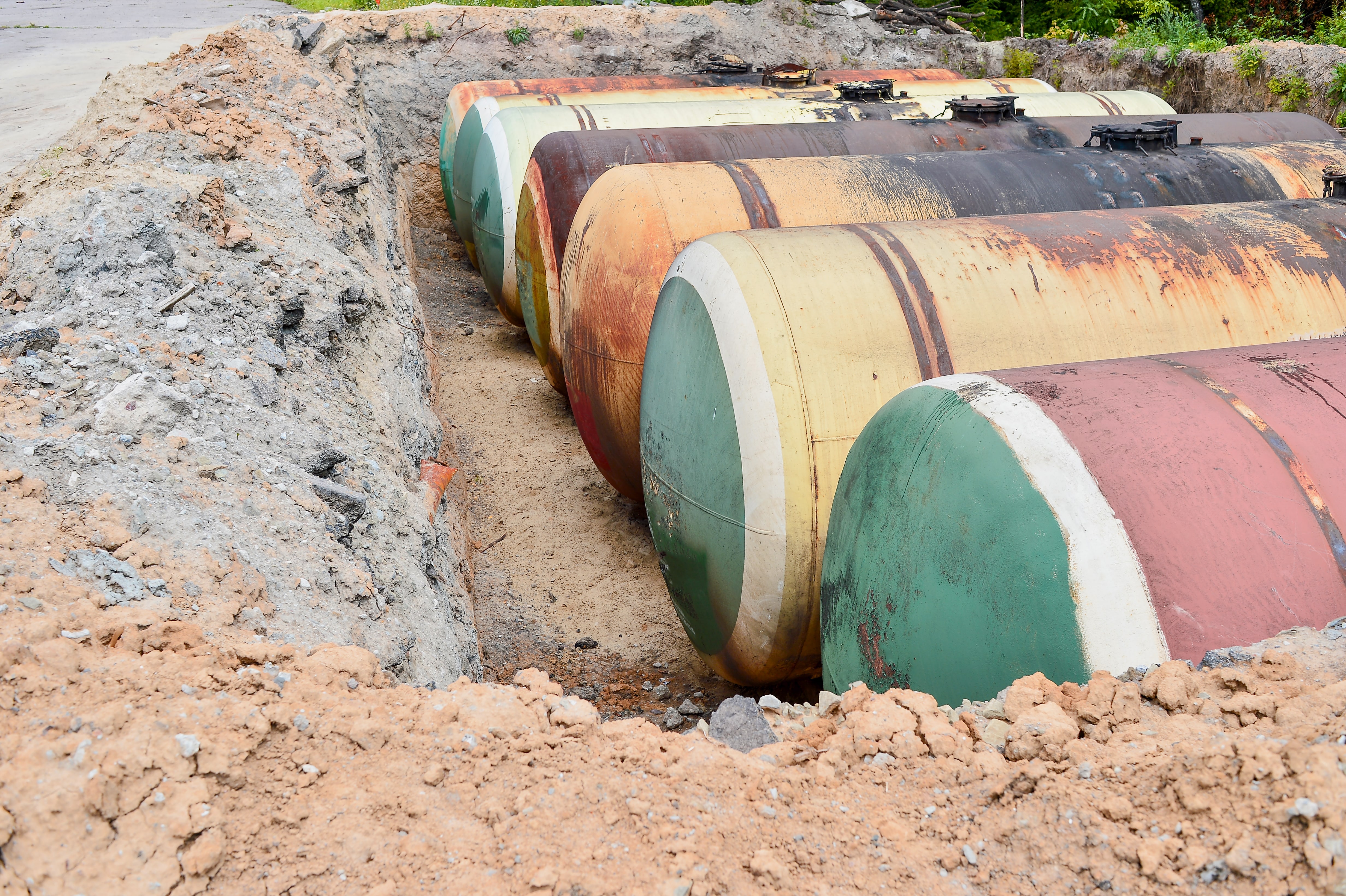
Tank Removal and Release Determination for Diesel UST
ESE completed a tank removal and release determination for a diesel underground storage tank at an active healthcare facility in Texas, delivering regulator-ready documentation to support compliant closure and reduce environmental liability.

EPA-Funded Brownfields QAPP and Sampling Plan for Municipal Redevelopment
ESE prepared a Quality Assurance Project Plan for an EPA-funded Brownfields effort supporting a municipal brownfields program, providing the quality framework and sampling plan needed to conduct limited subsurface investigations and produce defensible, regulator-ready data.
Frequently Asked Questions About Exposure Pathway Analysis Services
What is Exposure Pathway Analysis and what does a complete pathway include?
Exposure Pathway Analysis is the process of evaluating whether contaminants in environmental media — such as soil, groundwater, surface water, sediment, soil vapor, or indoor air — can reach human or ecological receptors. A complete exposure pathway generally includes a source of contamination, an affected environmental medium (such as soil, groundwater, vapor, or surface water), a transport mechanism (such as leaching, migration, volatilization, runoff, or direct contact), an exposure point where contact may occur, an exposure route (such as ingestion, inhalation, dermal contact, or vapor intrusion), and a receptor (such as workers, residents, construction crews, trespassers, utility workers, groundwater users, or ecological habitats). If any component of the pathway is incomplete, the risk may be reduced or controlled — and ESE Partners uses this analysis to distinguish theoretical concerns from actionable environmental risk.
When is Exposure Pathway Analysis needed?
Exposure Pathway Analysis is commonly needed when environmental impacts are identified or suspected and stakeholders need to understand whether those impacts create a real risk. This analysis may be used during Phase II Environmental Site Assessments involving soil, groundwater, or vapor impacts; brownfield redevelopment projects on former industrial, commercial, or petroleum-use properties; voluntary cleanup and corrective action projects under Texas regulatory programs; and TCEQ Texas Risk Reduction Program evaluations. It also supports remediation planning, site closure strategy, vapor intrusion assessments for commercial, industrial, or mixed-use buildings, and property acquisition, refinancing, or divestiture when contamination is known or suspected. It can be especially important for construction and redevelopment projects where impacted soil or groundwater may affect workers or future occupants.
What are the risks of not completing an Exposure Pathway Analysis?
Failing to evaluate exposure pathways can create unnecessary uncertainty and potential liability. Common risks include misunderstanding the true environmental risk associated with soil, groundwater, vapor, or surface water impacts, deal delays caused by unresolved lender, buyer, or attorney concerns, unnecessary remediation costs if risk is not evaluated in a practical, pathway-based manner, regulatory exposure if complete pathways are overlooked, vapor intrusion concerns that affect building occupancy, redevelopment, or tenant safety, construction worker exposure issues during excavation, utility work, or site redevelopment, loss of leverage in negotiations due to unclear environmental conditions, and inability to obtain regulatory closure without a defensible conceptual site model and exposure evaluation. A well-executed analysis can reduce uncertainty, focus investigation efforts, and help avoid overdesigning or underestimating environmental response actions.
What does ESE Partners' Exposure Pathway Analysis process look like?
ESE Partners takes a practical, risk-based approach — the goal is not to overstate risk, but to identify complete, potentially complete, and incomplete pathways so clients can make informed decisions. The process includes: reviewing site history and existing data (Phase I ESA findings, Phase II data, regulatory records, site operations, historical land use, and known or suspected contaminant sources); identifying contaminants and affected media (determining which chemicals of concern may be present and whether impacts affect soil, groundwater, vapor, surface water, sediment, or structures); developing a conceptual site model (showing sources, migration pathways, exposure points, receptors, and site-specific conditions); evaluating complete and potentially complete pathways (assessing whether exposure could occur through ingestion, inhalation, dermal contact, vapor intrusion, groundwater use, construction activities, or ecological contact); assessing current and future land use (commercial, industrial, residential, mixed-use, construction, or redevelopment scenarios); comparing findings to applicable risk-based criteria (regulatory screening levels, protective concentration levels, or cleanup criteria); recommending risk management or closure strategies (additional investigation, institutional controls, engineering controls, remediation, vapor mitigation, construction worker precautions, or regulatory closure pathways); and communicating findings clearly with concise, defensible conclusions. ESE applies the appropriate regulatory framework — commonly including the TCEQ Texas Risk Reduction Program, EPA risk assessment concepts, ASTM E1527-21, and ASTM E1903 — based on the site’s use, location, contaminants, affected media, and client objectives.