What Is a Soil/Groundwater/Surface Water & Sediment Assessment?
A Soil/Groundwater/Surface Water and Sediment Assessment is a targeted environmental investigation that may include:
- Soil sampling (surface and/or subsurface borings, test pits)
- Groundwater sampling (temporary borings or monitoring wells; field parameters and lab analysis)
- Surface water sampling (as needed for outfalls, receiving waters, or drainage features)
- Sediment sampling (ditches, ponds, waterways where impacted material may accumulate)
These projects typically follow a work plan + QA/QC framework and use recognized analytical methods (commonly EPA SW-846 for many contaminant classes and matrices).
Request Your Soil, Groundwater, Surface Water & Sediment Assessments Today
Texas’ most trusted environmental experts – comprehensive by design.
When Is It Required?
Common triggers we see in Texas include:
- Commercial real estate acquisitions where a Phase I ESA identifies RECs and a Phase II-style media assessment is needed to confirm/quantify impacts.
- Lender or equity requirements to verify collateral risk and right-size escrow/indemnities.
- Site redevelopment (industrial-to-mixed use, brownfield repositioning) when soil management and groundwater constraints affect design and cost.
- Regulatory-driven response actions under TCEQ remediation programs (e.g., TRRP) that require an affected property assessment and defensible data.
- Petroleum/industrial releases where surface water or sediment may be potential receptors (ditches, bayous, detention ponds).
ESE Partners’ Approach
Texas’ Most Trusted Environmental Experts – Comprehensive by Design
As Texas’ Most Trusted Environmental Experts — Comprehensive by Design, ESE Partners executes soil, groundwater, surface water, and sediment assessments with a deal-aware, regulator-ready mindset. Our team develops right-sized scopes that provide enough data to make informed decisions without overcalling uncertainty. We offer fast mobilization across Houston, Dallas–Fort Worth, Austin, San Antonio, and statewide markets, supported by clear communication for brokers, attorneys, lenders, and other stakeholders through practical maps, figures, and concise findings. With Texas regulatory fluency, ESE aligns investigation design and reporting with TCEQ TRRP expectations when applicable, helping clients move from environmental questions to defensible next steps.
Our Process
- Define the decision (transaction screening, remedial planning, closure support, soil management plan inputs).
- Build the Conceptual Site Model (CSM): sources, pathways, receptors, and data gaps.
- Design the sampling plan (locations, depths, analytes, QA/QC) with practical access and utility clearance considerations.
- Field execution: soil borings/test pits, temporary groundwater points or monitoring wells, and targeted surface water/sediment sampling (as applicable).
- Laboratory analysis using appropriate methods (often SW-846 methods where applicable for many analytes/matrices).
- Data validation & usability review (holding times, qualifiers, blanks/duplicates, completeness).
- Interpretation against the correct framework (TRRP PCL context when applicable; background and site-specific conditions).
- Reporting & recommendations: delineation strategy (if needed), response options, schedule/cost implications, and next steps.
Regulatory Framework (Texas-Focused)
Depending on site history and the applicable regulatory program, soil, groundwater, surface water, and sediment assessments may be performed to support TCEQ Texas Risk Reduction Program (TRRP) investigations and documentation under 30 TAC 350, including affected property assessments and related submittals. TCEQ maintains TRRP guidance and forms used statewide to support assessment and remedy decisions. Media assessments may also rely on EPA SW-846 analytical methods, a widely used compendium of sampling and analytical methods for wastes and other environmental matrices commonly referenced in investigations and remediation projects. Quality assurance expectations, including project QA/QC, accredited laboratories, and defensible data packages, are typically aligned with program-specific requirements and project objectives. Because the applicable pathway can vary, such as TRRP, RCRA corrective action, or other state, federal, or voluntary programs, ESE confirms the correct regulatory driver during scoping.
Risks of Not Completing This Service
Skipping or under-scoping a media assessment can create:
- Unquantified cleanup liability (and a weak position in purchase agreement negotiations)
- Financing delays when lenders require confirmation sampling or clearer risk characterization
- Construction change orders from unexpected impacted soil, groundwater, or dewatering constraints
- Regulatory exposure if impacts are discovered later and the project lacks defensible baseline data aligned with program expectations (e.g., TRRP).
More Environmental Remediation Services

Remediation Design & Implementation
When active remediation is necessary, our site investigation and remediation consulting team selects the most technically sound approach for each unique site. We evaluate a full spectrum of remedial methods before committing to a strategy, because the right solution depends on contaminant type, site geology, regulatory program, and end-use goals.

Brownfields & Redevelopment Support
ESE Partners is committed to recycling the land and revitalizing cities and neighborhoods. Environmentally impacted properties carry hidden financial potential, and we help our clients unlock it through strategic environmental risk management and engineering.
Industries We Serve
ESE operates in a wide range of industries, all with unique needs and regulatory obligations. We offer experts who understand the broad complexity of environmental challenges faced by today’s businesses.

Real Estate Brokers & Developers
ESE helps brokers and developers reduce deal friction and avoid surprises through fast, defensible environmental due diligence. We support property evaluations, redevelopment risk screening, and transaction-ready reporting for Texas assets.

Private Equity/Capital Investors
Transaction support for acquisitions and portfolio oversight, including Phase I/II ESAs and risk-based evaluation. We provide clear findings, practical recommendations, and scalable diligence support.

Financial Institutions
ESE supports lender-driven environmental due diligence and portfolio risk management, including Phase I/II ESAs and risk screening. We deliver consistent, defensible reporting aligned with credit and closing timelines.

Attorneys
Technical support for environmental risk, liability evaluation, and regulatory strategy. We provide clear documentation and expert collaboration to support transactions, compliance matters, and remediation planning.
Why ESE Partners
ESE Partners is built for Texas projects that demand speed, clarity, and technical credibility. Our Texas-first execution is supported by teams that understand local geology, site operations, and regulatory expectations, helping clients interpret assessment results in the right practical context. With full lifecycle capability, ESE supports projects from due diligence through investigation, corrective action planning, and compliance support. We provide straight answers for decision-makers by translating environmental data into deal terms, schedule risk, and practical options. With scalable delivery for single assets and multi-site portfolios across major Texas metros and statewide markets, ESE helps clients move from data collection to defensible decisions.
Need a Soil/Groundwater/Surface Water or Sediment Assessment to keep a deal moving—or to support a Texas regulatory pathway?
Send us the address and your timeline. We’ll scope the right investigation and turn a proposal quickly—so you can make decisions with confidence.
Our Environmental Remediation Projects

Environmental Health and Safety Plan for Utility and Roadway Improvements in PPCA Areas
ESE prepared a Site Environmental Health and Safety Plan designed specifically for utility construction activities conducted within Potentially Petroleum Contaminated Areas associated with LPST/PST conditions, providing a clear framework to protect workers, maintain safe operations, and support compliant field execution during active construction.
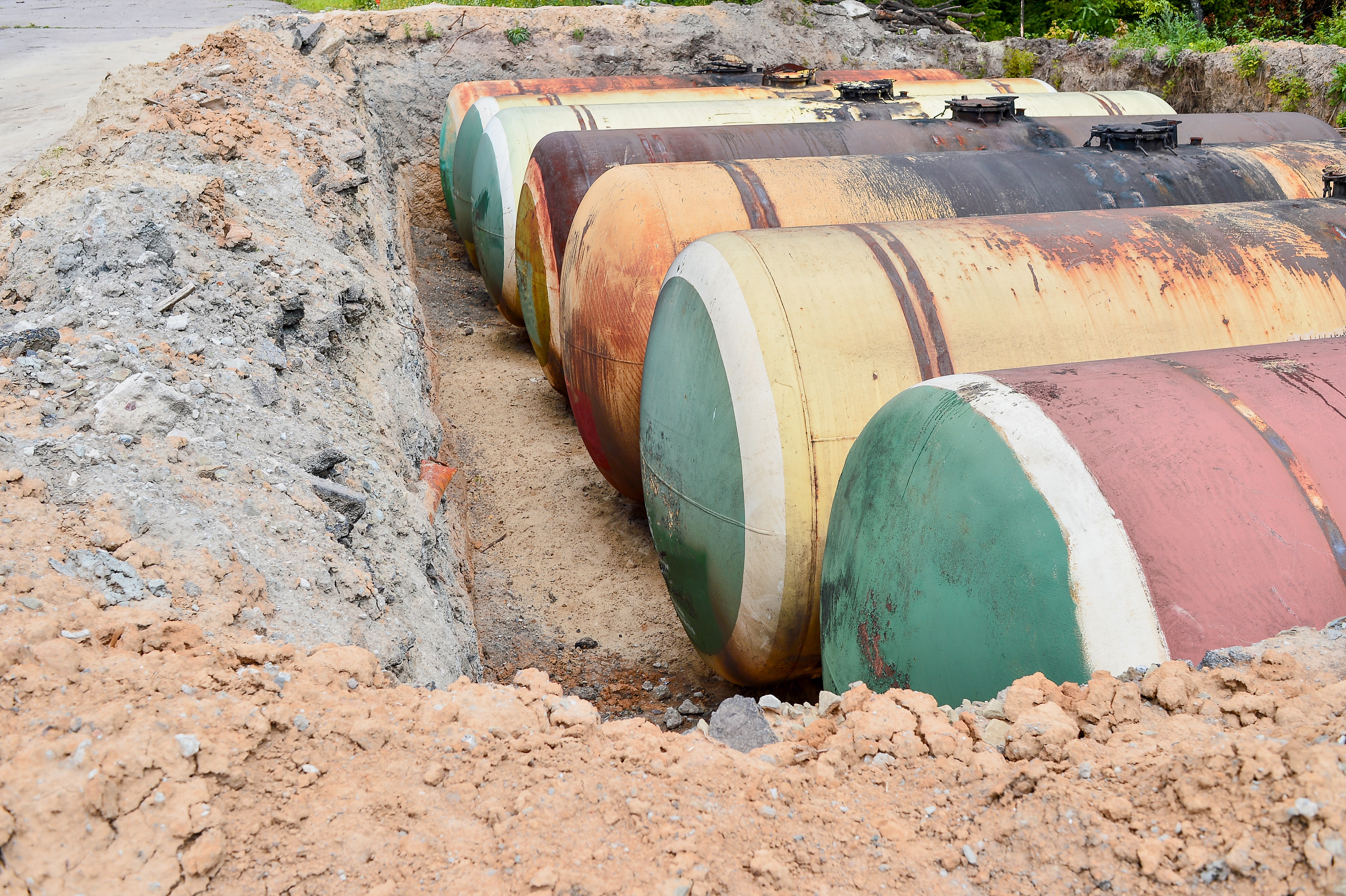
Tank Removal and Release Determination for Diesel UST
ESE completed a tank removal and release determination for a diesel underground storage tank at an active healthcare facility in Texas, delivering regulator-ready documentation to support compliant closure and reduce environmental liability.

EPA-Funded Brownfields QAPP and Sampling Plan for Municipal Redevelopment
ESE prepared a Quality Assurance Project Plan for an EPA-funded Brownfields effort supporting a municipal brownfields program, providing the quality framework and sampling plan needed to conduct limited subsurface investigations and produce defensible, regulator-ready data.
Frequently Asked Questions About Soil, Groundwater, Surface Water and Sediment Assessments
What is a soil, groundwater, surface water, and sediment assessment?
A Soil/Groundwater/Surface Water and Sediment Assessment is a targeted environmental investigation that may include soil sampling (surface and/or subsurface borings, test pits), groundwater sampling (temporary borings or monitoring wells, with field parameters and lab analysis), surface water sampling (as needed for outfalls, receiving waters, or drainage features), and sediment sampling (ditches, ponds, waterways where impacted material may accumulate). These projects typically follow a work plan plus QA/QC framework and use recognized analytical methods (commonly EPA SW-846 for many contaminant classes and matrices). At their core, these media assessments help buyers, lenders, owners, and responsible parties quickly answer two deal-critical questions: Is there an impact? And if so, what does it mean for liability, schedule, and cost?
When is a media assessment required?
Common triggers in Texas include commercial real estate acquisitions where a Phase I ESA identifies RECs and a Phase II-style media assessment is needed to confirm/quantify impacts, lender or equity requirements to verify collateral risk and right-size escrow/indemnities, site redevelopment (industrial-to-mixed use, brownfield repositioning) when soil management and groundwater constraints affect design and cost, regulatory-driven response actions under TCEQ remediation programs (e.g., TRRP) that require an affected property assessment and defensible data, and petroleum/industrial releases where surface water or sediment may be potential receptors (ditches, bayous, detention ponds).
What are the risks of skipping or under-scoping a media assessment?
Skipping or under-scoping a media assessment can create unquantified cleanup liability (and a weak position in purchase agreement negotiations), financing delays when lenders require confirmation sampling or clearer risk characterization, construction change orders from unexpected impacted soil, groundwater, or dewatering constraints, and regulatory exposure if impacts are discovered later and the project lacks defensible baseline data aligned with program expectations (e.g., TRRP).
What does ESE Partners' media assessment process look like?
ESE Partners executes soil, groundwater, surface water, and sediment assessments with a deal-aware, regulator-ready mindset — developing right-sized scopes that provide enough data to make informed decisions without overcalling uncertainty, and aligning investigation design and reporting with TCEQ TRRP expectations when applicable. The process includes: defining the decision (transaction screening, remedial planning, closure support, soil management plan inputs); building the Conceptual Site Model (CSM) covering sources, pathways, receptors, and data gaps; designing the sampling plan (locations, depths, analytes, QA/QC) with practical access and utility clearance considerations; field execution (soil borings/test pits, temporary groundwater points or monitoring wells, and targeted surface water/sediment sampling as applicable); laboratory analysis using appropriate methods (often SW-846 methods); data validation and usability review (holding times, qualifiers, blanks/duplicates, completeness); interpretation against the correct framework (TRRP PCL context when applicable, plus background and site-specific conditions); and reporting and recommendations (delineation strategy if needed, response options, schedule/cost implications, and next steps). Because the applicable pathway can vary — such as TRRP, RCRA corrective action, or other state, federal, or voluntary programs — ESE confirms the correct regulatory driver during scoping.