
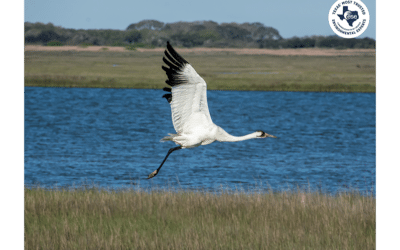
What the Rescission of the ESA “Harm” Definition Means for Natural Resources
A federal rule removing the regulatory definition of “harm” under the Endangered Species Act takes effect September 14, 2026. Here’s what the change means for protected species, habitat considerations, and project planning.

Texas MSGP Renewal Is Now Open: What Industrial Facilities Need to Know
The Texas Pollutant Discharge Elimination System (TPDES) Multi-Sector General Permit (MSGP) reached its August 14, 2026 expiration date, and the renewal period for existing permittees is now open through November 12, 2026. Industrial facilities should use this renewal period to review their permit coverage, operations, Stormwater Pollution Prevention Plan, and stormwater controls to ensure their compliance program reflects current site conditions.
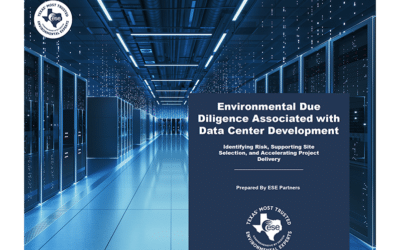
Environmental Due Diligence: A Critical Consideration in Data Center Development
As data center development accelerates, environmental considerations can become critical factors in determining whether a site remains viable. Early due diligence can help identify potential constraints, reduce uncertainty, and give project teams more flexibility to address environmental risks before they affect project costs and schedules.
DOI Rescinds Regulatory Definition of “Harm” Under the Endangered Species Act: What Project Owners Should Know
The U.S. Department of the Interior has finalized a rule rescinding the regulatory definition of “harm” under the Endangered Species Act. While existing permits remain valid, questions remain about how the change may affect future permitting, project planning, and endangered species compliance. Here’s what developers and project owners should know.
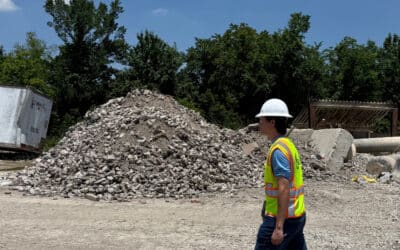
Why Early Environmental Compliance Planning Reduces Project Delays and Cost Overruns in Texas
When environmental compliance is addressed early and managed correctly, projects are better positioned to avoid delays, redesigns, and unnecessary costs. Proactive environmental support helps keep development and operations moving efficiently from planning through execution.
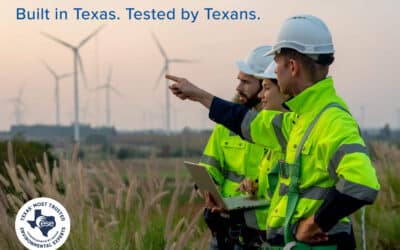
Texas Growth, Environmental Complexity, and the Role of Integrated Consulting in Moving Projects Forward
As Texas continues to grow, environmental challenges are becoming more complex across infrastructure, energy, and development sectors. Integrated environmental consulting helps organizations manage risk, maintain compliance, and keep projects moving forward responsibly from planning through completion.