What Is “Liability Transfer” (in Environmental Terms)?
Environmental liability transfer is a deal-driven set of actions used to reduce, allocate, or obtain protection from environmental liability tied to a property, facility, or portfolio.
In practice, this is accomplished through a mix of:
- Federal liability defenses supported by “All Appropriate Inquiries” (AAI) due diligence (typically a Phase I ESA).
- State of Texas liability releases through TCEQ remediation/closure programs (e.g., VCP), often documented via a Certificate of Completion for qualifying parties.
- Contractual allocation (PSA/lease indemnities, escrows, remediation agreements).
- Environmental insurance (PLL, cost-cap, known condition, etc.).
Request Your Liability Transfer Services Today
Texas’ most trusted environmental experts – comprehensive by design.
When Is It Required?
You typically need a liability transfer or liability protection strategy when buying or selling industrial, commercial, or legacy-use properties, such as dry cleaners, fueling stations, warehouses, or manufacturing facilities, where historical operations may create environmental risk. These strategies are also important when a lender requires environmental due diligence, such as a Phase I or Phase II ESA, to underwrite collateral risk. If a Phase I ESA identifies Recognized Environmental Conditions (RECs), liability planning can help determine whether additional investigation, negotiation, or closure planning is needed. Liability transfer and protection strategies are especially valuable for brownfield redevelopment projects that need a clear path to closure to support financing and exit value. In Texas, these strategies may also involve pursuing a state-recognized release designed to protect future owners, lenders, or other stakeholders.
ESE Partners’ Approach
“Liability transfer” succeeds when the strategy is credible to regulators, bankable to lenders, and usable in a purchase and sale agreement without overcalling risk. ESE Partners delivers deal-speed execution by scoping due diligence to the transaction timeline rather than treating it like an academic study. Our team provides clear risk framing that distinguishes what matters, what does not, and what should be monitored versus fixed. We also bring Texas closure expertise, aligning findings with viable TCEQ program pathways when state liability protection is needed. Throughout the process, ESE prepares practical documentation that supports counsel, lenders, and investment committees in making informed decisions.
Our Process
- Transaction & risk-intent intake: hold vs. flip, tenant profile, lender requirements, risk tolerance
- AAI / Phase I ESA strategy aligned with EPA’s AAI Rule (40 CFR Part 312) and current ASTM practice (where applicable)
- Gap analysis: identify RECs, data gaps, and time-sensitive items
- Targeted Phase II ESA (if needed) to quantify uncertainty and support allocation (escrow/price adjustment/repair scope)
- Liability protection roadmap: Contract allocation options (indemnities, caps, survival, escrows) → Insurance feasibility → TCEQ program fit (VCP/other closure programs) for a liability release strategy when appropriate → Close support: scope language for exhibits, bid-level remediation cost opinions (as needed), and schedule control
Regulatory Framework (What Actually Matters)
Liability transfer and liability protection strategies are typically supported by both federal due diligence frameworks and Texas-specific closure tools. At the federal level, the EPA’s All Appropriate Inquiries (AAI) Rule under 40 CFR Part 312 provides the due diligence framework commonly used to support CERCLA landowner liability defenses, and it is typically satisfied through a properly performed Phase I ESA. In Texas, the TCEQ Voluntary Cleanup Program (VCP) can provide a pathway to state-recognized closure; once remedy standards are achieved, TCEQ may issue a Certificate of Completion that can provide a release of liability for qualifying or non-responsible parties, commonly including future owners and lenders. TCEQ also administers other remediation programs that may provide liability release from the State of Texas for non-responsible parties, depending on the program and site-specific facts. Because liability protection is fact-specific, ESE supports counsel with technical documentation and regulatory strategy, but does not provide legal advice.
Risks of Not Completing This Service
Skipping a real liability transfer / protection strategy can lead to:
- Post-close cleanup liability (including for legacy impacts), and diminished exit value.
- Lender conditions late in the process (Phase II demands, escrow requirements, or refusal to fund).
- Deal delays from unclear RECs, missing AAI elements, or unplanned regulatory pathways.
- Unbudgeted remediation and long-tail O&M obligations (engineering controls, deed notices, monitoring).
More Environmental Remediation Services

Remediation Design & Implementation
When active remediation is necessary, our site investigation and remediation consulting team selects the most technically sound approach for each unique site. We evaluate a full spectrum of remedial methods before committing to a strategy, because the right solution depends on contaminant type, site geology, regulatory program, and end-use goals.

Brownfields & Redevelopment Support
ESE Partners is committed to recycling the land and revitalizing cities and neighborhoods. Environmentally impacted properties carry hidden financial potential, and we help our clients unlock it through strategic environmental risk management and engineering.
Industries We Serve
ESE operates in a wide range of industries, all with unique needs and regulatory obligations. We offer experts who understand the broad complexity of environmental challenges faced by today’s businesses.

Real Estate Brokers & Developers
ESE helps brokers and developers reduce deal friction and avoid surprises through fast, defensible environmental due diligence. We support property evaluations, redevelopment risk screening, and transaction-ready reporting for Texas assets.

Private Equity/Capital Investors
Transaction support for acquisitions and portfolio oversight, including Phase I/II ESAs and risk-based evaluation. We provide clear findings, practical recommendations, and scalable diligence support.

Financial Institutions
ESE supports lender-driven environmental due diligence and portfolio risk management, including Phase I/II ESAs and risk screening. We deliver consistent, defensible reporting aligned with credit and closing timelines.

Attorneys
Technical support for environmental risk, liability evaluation, and regulatory strategy. We provide clear documentation and expert collaboration to support transactions, compliance matters, and remediation planning.
Why ESE Partners
As Texas’ Most Trusted Environmental Experts — Comprehensive by Design, ESE Partners helps clients manage liability transfer strategies at the intersection of transactions, Texas remediation programs, and real-world constructability. Clients choose ESE because we provide full-service environmental due diligence, including Phase I ESAs, Phase II ESAs, risk modeling, and cost opinions, while also executing closure strategies that support financing and redevelopment using credible TCEQ pathways when needed. With scalable coverage across Texas metros, including Houston, Dallas–Fort Worth, Austin, and San Antonio, ESE delivers responsive project management and clear deliverables that help keep deals, redevelopment plans, and liability protection strategies moving forward.
Need a liability transfer strategy that your lender and counsel can actually use?
Request a proposal from ESE Partners—typically within 24 hours—and keep your deal moving.
Our Environmental Remediation Projects

Environmental Health and Safety Plan for Utility and Roadway Improvements in PPCA Areas
ESE prepared a Site Environmental Health and Safety Plan designed specifically for utility construction activities conducted within Potentially Petroleum Contaminated Areas associated with LPST/PST conditions, providing a clear framework to protect workers, maintain safe operations, and support compliant field execution during active construction.
Tank Removal and Release Determination for Diesel UST
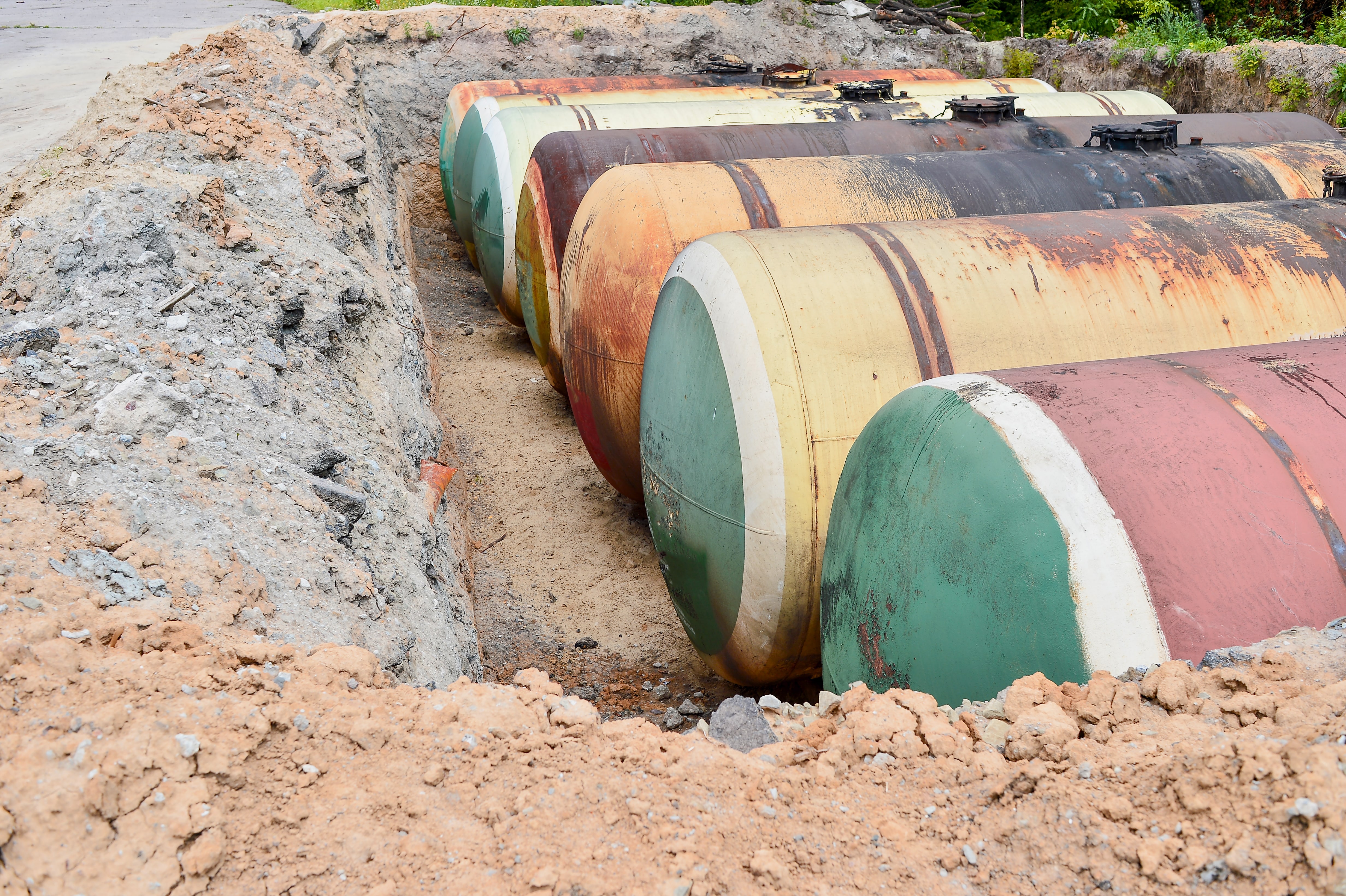
ESE completed a tank removal and release determination for a diesel underground storage tank at an active healthcare facility in Texas, delivering regulator-ready documentation to support compliant closure and reduce environmental liability.

EPA-Funded Brownfields QAPP and Sampling Plan for Municipal Redevelopment
ESE prepared a Quality Assurance Project Plan for an EPA-funded Brownfields effort supporting a municipal brownfields program, providing the quality framework and sampling plan needed to conduct limited subsurface investigations and produce defensible, regulator-ready data.
Frequently Asked Questions About Liability Transfer Services
What does "environmental liability transfer" actually mean in a real estate transaction?
Liability transfer in environmental due diligence is rarely a true “transfer” of legal responsibility — especially under federal law. What sophisticated buyers, sellers, and lenders in Texas typically want is defensible liability protection, state-issued liability releases, and contractual and insurance-based risk allocation that keeps deals moving while limiting post-close surprises. In practice, this is accomplished through a mix of federal liability defenses supported by All Appropriate Inquiries (AAI) due diligence (typically a Phase I ESA), state of Texas liability releases through TCEQ remediation/closure programs (e.g., VCP) often documented via a Certificate of Completion for qualifying parties, contractual allocation (PSA/lease indemnities, escrows, remediation agreements), and environmental insurance (PLL, cost-cap, known condition, etc.).
When do I need an environmental liability transfer or protection strategy?
You typically need a liability transfer or liability protection strategy when you’re buying or selling industrial, commercial, or legacy-use property (dry cleaners, fueling stations, warehouses, manufacturing), a lender requires environmental due diligence (Phase I/II) to underwrite collateral risk, a Phase I ESA identifies Recognized Environmental Conditions (RECs) that could trigger additional investigation, negotiation, or closure planning, you’re redeveloping a brownfield and need a path to closure that supports financing and exit value, or you want a state-recognized release to protect future owners and lenders (common in Texas programs). It’s also important to note that environmental liability can attach to current owners and operators under CERCLA — even if they didn’t cause the release.
What are the risks of skipping a liability transfer or protection strategy?
Skipping a real liability transfer and protection strategy can lead to post-close cleanup liability (including for legacy impacts) and diminished exit value, lender conditions late in the process (Phase II demands, escrow requirements, or refusal to fund), deal delays from unclear RECs, missing AAI elements, or unplanned regulatory pathways, and unbudgeted remediation and long-tail operations and maintenance (O&M) obligations (engineering controls, deed notices, monitoring). Transactions don’t fail because of contamination — they fail because of uncertainty, unclear cleanup obligations, and lender risk.
What does ESE Partners' liability transfer process look like from start to finish?
ESE Partners’ approach centers on making “liability transfer” credible to regulators, bankable to lenders, and usable in a PSA — without overcalling risk. The process includes: transaction and risk-intent intake (hold vs. flip, tenant profile, lender requirements, risk tolerance); AAI/Phase I ESA strategy aligned with EPA’s AAI Rule (40 CFR Part 312) and current ASTM practice; gap analysis to identify RECs, data gaps, and time-sensitive items; targeted Phase II ESA (if needed) to quantify uncertainty and support allocation (escrow/price adjustment/repair scope); a liability protection roadmap covering contract allocation options (indemnities, caps, survival, escrows), insurance feasibility, and TCEQ program fit (VCP/other closure programs) for a liability release strategy when appropriate; and close support including scope language for exhibits, bid-level remediation cost opinions (as needed), and schedule control.