
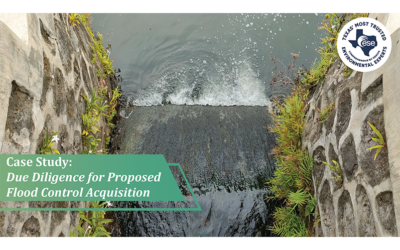
Why Environmental Due Diligence Matters Before Flood Control Projects Move Forward
Before flood control projects can advance, environmental risks must be clearly understood. A recent Phase I ESA in Harris County shows how early due diligence reduces uncertainty and supports confident decision-making.

Key Environmental Challenges Facing Industrial Facilities in Texas
Industrial and manufacturing facilities are essential to Texas’ economy, but navigating environmental requirements is becoming increasingly complex. From evolving regulations to site-specific risks, understanding these challenges is key to maintaining compliance and operational efficiency.

How Environmental Priorities Are Reshaping Municipal Infrastructure Across Texas
Municipal infrastructure projects across Texas are increasingly shaped by environmental considerations that influence timelines, design, and long-term performance. From stormwater management to regulatory coordination, understanding these priorities early is becoming essential to keeping public projects on track.
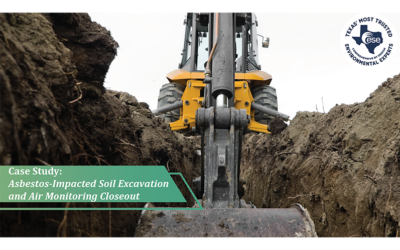
Managing Risk During Asbestos-Impacted Soil Excavation in Texas Infrastructure Projects
Asbestos-impacted soils can introduce complex environmental and safety challenges during construction. With the right oversight, monitoring, and coordination, projects can move forward safely while maintaining compliance. This case study highlights how ESE Partners supported a Southeast Texas infrastructure project through excavation, air monitoring, and regulatory documentation.
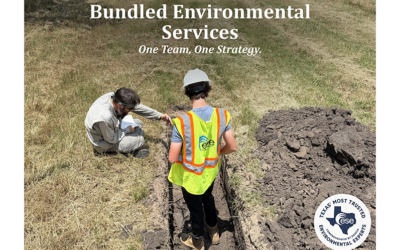
Why Bundled Environmental Services Lead to More Predictable Project Outcomes in Texas
Environmental challenges don’t occur in isolation, yet many projects still approach them that way. By bundling environmental services into a single, coordinated strategy, project teams can reduce uncertainty, improve efficiency, and maintain momentum from early planning through construction. Here’s how an integrated approach makes the difference.

Broadband in Texas: Why Environmental Strategy Matters for Successful Project Delivery
Broadband growth is accelerating across Texas, bringing new infrastructure opportunities and new project complexities. In ESE Partners’ latest white paper, we explore how environmental planning, permitting, and cross-disciplinary support can help broadband projects move forward more efficiently.