What Is an Opportunity Zone Assessment?
An Opportunity Zone Assessment is a project-specific eligibility and risk review that answers four practical questions:
- Is the property actually inside a designated QOZ?
- Does the business plan meet key QOZ compliance tests (e.g., property qualification, timing, improvement plan)?
- What environmental liabilities could delay closing or impair QOZ execution (Phase I/II ESA needs, recognized environmental conditions, cleanup risk)?
- What documentation will investors/lenders need to support underwriting and audit-ready files?
Opportunity Zones were created by the Tax Cuts and Jobs Act of 2017 to incentivize investment in designated census tracts via Qualified Opportunity Funds (QOFs).
Request Your Opportunity Zone Assessment Today
Texas’ most trusted environmental experts – comprehensive by design.
When Is It Required?
While an Opportunity Zone Assessment is not a stand-alone regulatory permit, it is commonly required or strongly expected in real transactions involving Qualified Opportunity Zones. These assessments can support capital raises from Qualified Opportunity Funds (QOFs) or Opportunity Zone investors by confirming eligibility and creating defensible documentation. They are also useful during the acquisition, disposition, or recapitalization of commercial real estate in a Qualified Opportunity Zone, where confirming the census tract and project structure is critical. For ground-up development or major renovation, an Opportunity Zone Assessment can help evaluate substantial improvement planning and related timing considerations. Lenders may also request this work alongside environmental due diligence, including Phase I ESAs, potential Phase II ESAs, or cleanup reserve planning. In Texas markets such as Houston, Dallas-Fort Worth, San Antonio, and older Austin infill submarkets, these assessments are especially important for projects near legacy industrial corridors where environmental risk can affect both schedule and budget.
ESE Partners’ Approach
Comprehensive by Design means ESE Partners does not treat Opportunity Zones as a simple map check. We align tax-benefit intent, deal execution, and environmental risk controls into one coordinated deliverable that supports real investment decisions. Clients value our fast tract and boundary verification, along with clean eligibility memos that can be maintained in deal files. We provide practical “go / no-go” guidance for investment committees without overcalling risk, and our Texas execution experience accounts for TCEQ-driven realities, brownfield considerations, petroleum retail sites, and industrial reuse opportunities. When environmental diligence is needed, ESE integrates Phase I ESA and Phase II ESA scoping with the closing timeline to help keep the transaction moving.
Our Process
- Project intake + structure review: Entity type (QOF/QOZB), intended holding period, capital stack, construction schedule, and planned use.
- QOZ location verification: Confirm tract designation and document the parcel/QOZ relationship (including multi-parcel assemblies and partial tracts).
- Eligibility test screen (high-level): Identify which compliance tests the project must meet and where the plan is most vulnerable (timing, improvements, operating business facts).
- Environmental due diligence alignment: Confirm Phase I ESA need; flag likely Phase II triggers and schedule impacts (e.g., vapor, USTs, historical fill).
- Risk register + recommended actions: “What can break the OZ benefits or delay closing” with mitigation steps and sequencing.
- Deliverable package: Investor/lender-ready memo and supporting exhibits suitable for counsel/tax advisor review.
Regulatory Framework (What We Reference)
Opportunity Zone compliance is governed primarily by federal tax law and Treasury/IRS rules, including:
- Internal Revenue Code Section 1400Z-2 (Opportunity Zone statute).
- Core compliance concepts used in project screening commonly include: QOF 90% asset test (fund-level compliance) and Qualified Opportunity Zone Business Property concepts used in practice (e.g., “substantially all” use in a QOZ and original use/substantial improvement planning).
Texas environmental risk considerations are often driven by deal realities and TCEQ programs (e.g., petroleum release response, brownfield strategy), and we align the OZ schedule with the environmental path so the project can be executed, not just “papered.”
Risks of Not Completing This Service
Skipping a formal Opportunity Zone Assessment can create preventable deal risk:
- Eligibility surprises (property not fully in a QOZ, or project structure can’t meet compliance tests).
- Timeline failure (construction/improvement plan or capital deployment schedule misaligned with compliance expectations).
- Investor/lender retrades if environmental issues surface late (Phase II required, cleanup scope expands, reserves increase)
- Unbudgeted environmental liabilities that can undermine NOI, exit valuation, and refinanceability
More Environmental Remediation Services

Remediation Design & Implementation
When active remediation is necessary, our site investigation and remediation consulting team selects the most technically sound approach for each unique site. We evaluate a full spectrum of remedial methods before committing to a strategy, because the right solution depends on contaminant type, site geology, regulatory program, and end-use goals.

Brownfields & Redevelopment Support
ESE Partners is committed to recycling the land and revitalizing cities and neighborhoods. Environmentally impacted properties carry hidden financial potential, and we help our clients unlock it through strategic environmental risk management and engineering.
Industries We Serve
ESE operates in a wide range of industries, all with unique needs and regulatory obligations. We offer experts who understand the broad complexity of environmental challenges faced by today’s businesses.

Real Estate Brokers & Developers
ESE helps brokers and developers reduce deal friction and avoid surprises through fast, defensible environmental due diligence. We support property evaluations, redevelopment risk screening, and transaction-ready reporting for Texas assets.

Private Equity/Capital Investors
Transaction support for acquisitions and portfolio oversight, including Phase I/II ESAs and risk-based evaluation. We provide clear findings, practical recommendations, and scalable diligence support.

Financial Institutions
ESE supports lender-driven environmental due diligence and portfolio risk management, including Phase I/II ESAs and risk screening. We deliver consistent, defensible reporting aligned with credit and closing timelines.

Attorneys
Technical support for environmental risk, liability evaluation, and regulatory strategy. We provide clear documentation and expert collaboration to support transactions, compliance matters, and remediation planning.
Why ESE Partners
ESE Partners is built to support transactions and complex projects across Texas, with teams serving Houston, Dallas-Fort Worth, Austin, San Antonio, and statewide markets. As one firm offering full due diligence support, ESE provides environmental due diligence, remediation support, compliance, and building sciences services that can be coordinated around a single transaction or development strategy. Our deal-speed responsiveness includes quick proposals, clear scopes, and tight communication to help keep stakeholders aligned. With Texas-first execution, we understand how TCEQ realities and legacy site conditions can affect construction schedules, lender expectations, and redevelopment planning. ESE also provides defensible documentation, including investor- and counsel-friendly memos designed to support real underwriting decisions.
Need to confirm QOZ eligibility and keep environmental risk from slowing your closing?
Contact ESE Partners for an Opportunity Zone Assessment—get a clear scope and proposal within 24 hours, and keep your deal moving.
Our Environmental Remediation Projects

Environmental Health and Safety Plan for Utility and Roadway Improvements in PPCA Areas
ESE prepared a Site Environmental Health and Safety Plan designed specifically for utility construction activities conducted within Potentially Petroleum Contaminated Areas associated with LPST/PST conditions, providing a clear framework to protect workers, maintain safe operations, and support compliant field execution during active construction.
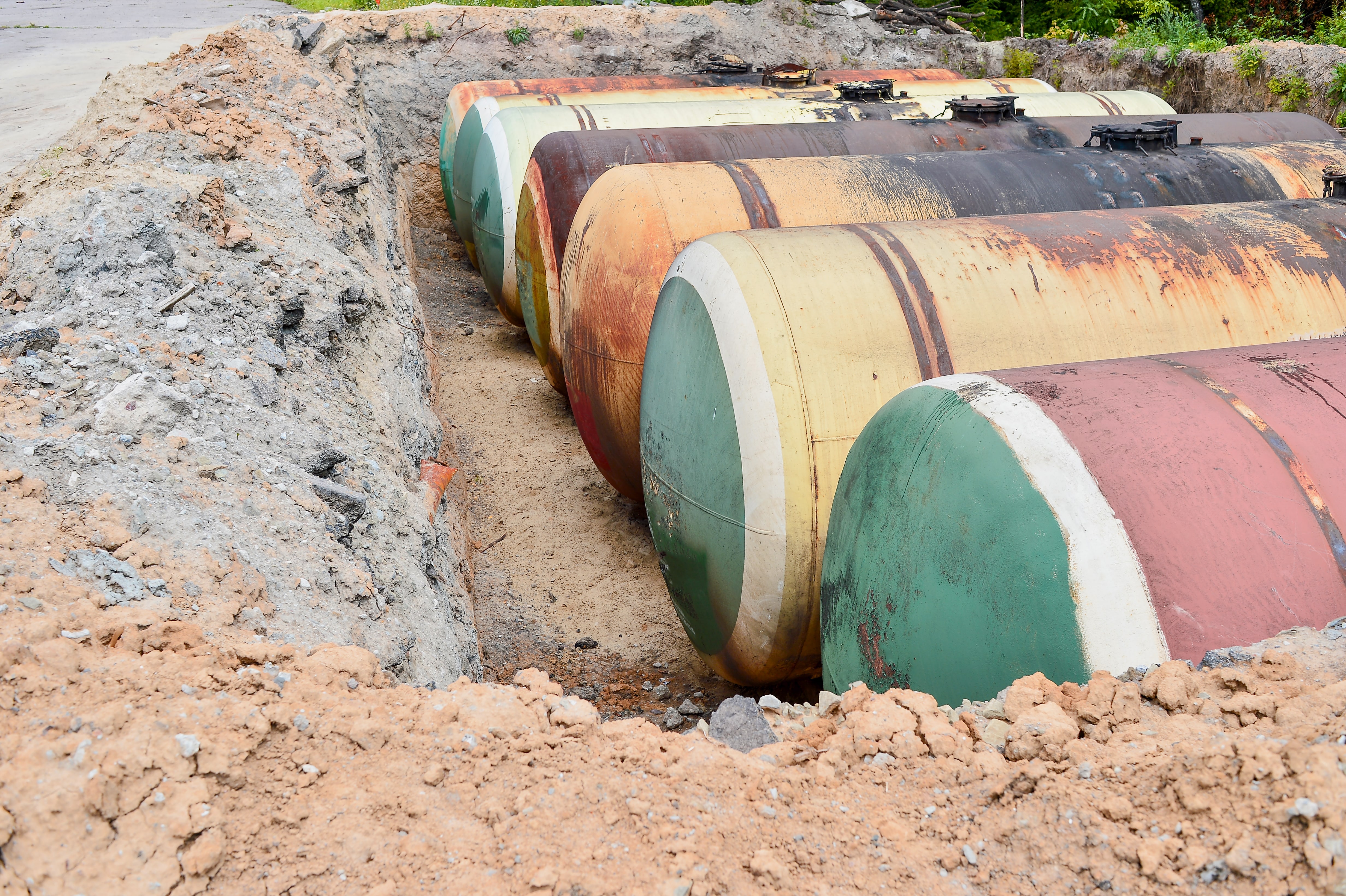
Tank Removal and Release Determination for Diesel UST
ESE completed a tank removal and release determination for a diesel underground storage tank at an active healthcare facility in Texas, delivering regulator-ready documentation to support compliant closure and reduce environmental liability.

EPA-Funded Brownfields QAPP and Sampling Plan for Municipal Redevelopment
ESE prepared a Quality Assurance Project Plan for an EPA-funded Brownfields effort supporting a municipal brownfields program, providing the quality framework and sampling plan needed to conduct limited subsurface investigations and produce defensible, regulator-ready data.
Frequently Asked Questions About Opportunity Zone Assessments
What is an Opportunity Zone Assessment and what questions does it answer?
An Opportunity Zone Assessment is a project-specific eligibility and risk review that answers four practical questions: Is the property actually inside a designated QOZ? Does the business plan meet key QOZ compliance tests (e.g., property qualification, timing, improvement plan)? What environmental liabilities could delay closing or impair QOZ execution (Phase I/II ESA needs, recognized environmental conditions, cleanup risk)? And what documentation will investors/lenders need to support underwriting and audit-ready files? Opportunity Zones were created by the Tax Cuts and Jobs Act of 2017 to incentivize investment in designated census tracts via Qualified Opportunity Funds (QOFs).
When is an Opportunity Zone Assessment needed?
While an Opportunity Zone Assessment is not a stand-alone regulatory permit, it is commonly required or strongly expected in real transactions involving Qualified Opportunity Zones. These assessments can support capital raises from Qualified Opportunity Funds (QOFs) or Opportunity Zone investors by confirming eligibility and creating defensible documentation. They are also useful during the acquisition, disposition, or recapitalization of commercial real estate in a Qualified Opportunity Zone, and for ground-up development or major renovation to help evaluate substantial improvement planning and related timing considerations. Lenders may also request this work alongside environmental due diligence, including Phase I ESAs, potential Phase II ESAs, or cleanup reserve planning. In Texas markets such as Houston, Dallas-Fort Worth, San Antonio, and older Austin infill submarkets, these assessments are especially important for projects near legacy industrial corridors where environmental risk can affect both schedule and budget.
What are the risks of skipping a formal Opportunity Zone Assessment?
Skipping a formal Opportunity Zone Assessment can create preventable deal risk, including eligibility surprises (property not fully in a QOZ, or project structure can’t meet compliance tests), timeline failure (construction/improvement plan or capital deployment schedule misaligned with compliance expectations), investor/lender retrades if environmental issues surface late (Phase II required, cleanup scope expands, reserves increase), and unbudgeted environmental liabilities that can undermine NOI, exit valuation, and refinanceability. Opportunity Zone projects can be highly financeable — but they’re also easy to “blow up” if the site, boundary, timing, and property facts don’t align with the program rules.
What does ESE Partners' Opportunity Zone Assessment process look like?
ESE Partners’ Comprehensive by Design approach means they don’t treat Opportunity Zones as a simple map check — instead aligning tax-benefit intent, deal execution, and environmental risk controls into one coordinated deliverable that supports real investment decisions, and integrating Phase I ESA and Phase II ESA scoping with the closing timeline when environmental diligence is needed. The process includes: project intake and structure review (entity type — QOF/QOZB, intended holding period, capital stack, construction schedule, and planned use); QOZ location verification (confirming tract designation and documenting the parcel/QOZ relationship, including multi-parcel assemblies and partial tracts); a high-level eligibility test screen (identifying which compliance tests the project must meet and where the plan is most vulnerable — timing, improvements, operating business facts); environmental due diligence alignment (confirming Phase I ESA need and flagging likely Phase II triggers and schedule impacts such as vapor, USTs, and historical fill); a risk register and recommended actions (“what can break the OZ benefits or delay closing” with mitigation steps and sequencing); and a deliverable package (investor/lender-ready memo and supporting exhibits suitable for counsel/tax advisor review).