Project Overview
ESE Partners completed a comprehensive asbestos-containing material (ACM) survey to support the planned multi-phase redevelopment of a major regional shopping center in Houston, Texas. The project required an extensive, methodical evaluation of multiple building zones—including common corridors, service hallways, roof systems, mechanical spaces, and numerous vacant and active tenant suites—to ensure regulatory compliance ahead of upcoming renovation and demolition activities. ESE’s role was to deliver a permitting-ready, renovation-supportive ACM inventory that would allow the redevelopment team to proceed confidently, safely, and in full alignment with state and federal requirements.
Project Challenge
The size and complexity of the property presented a demanding inspection environment. With hundreds of accessible and semi-accessible locations, varied construction eras, layered flooring systems, concealed building materials, and a mix of original and remodel-era finishes, the survey required strict planning, multi-day coordination, and consistent sampling methodology across the entire footprint.
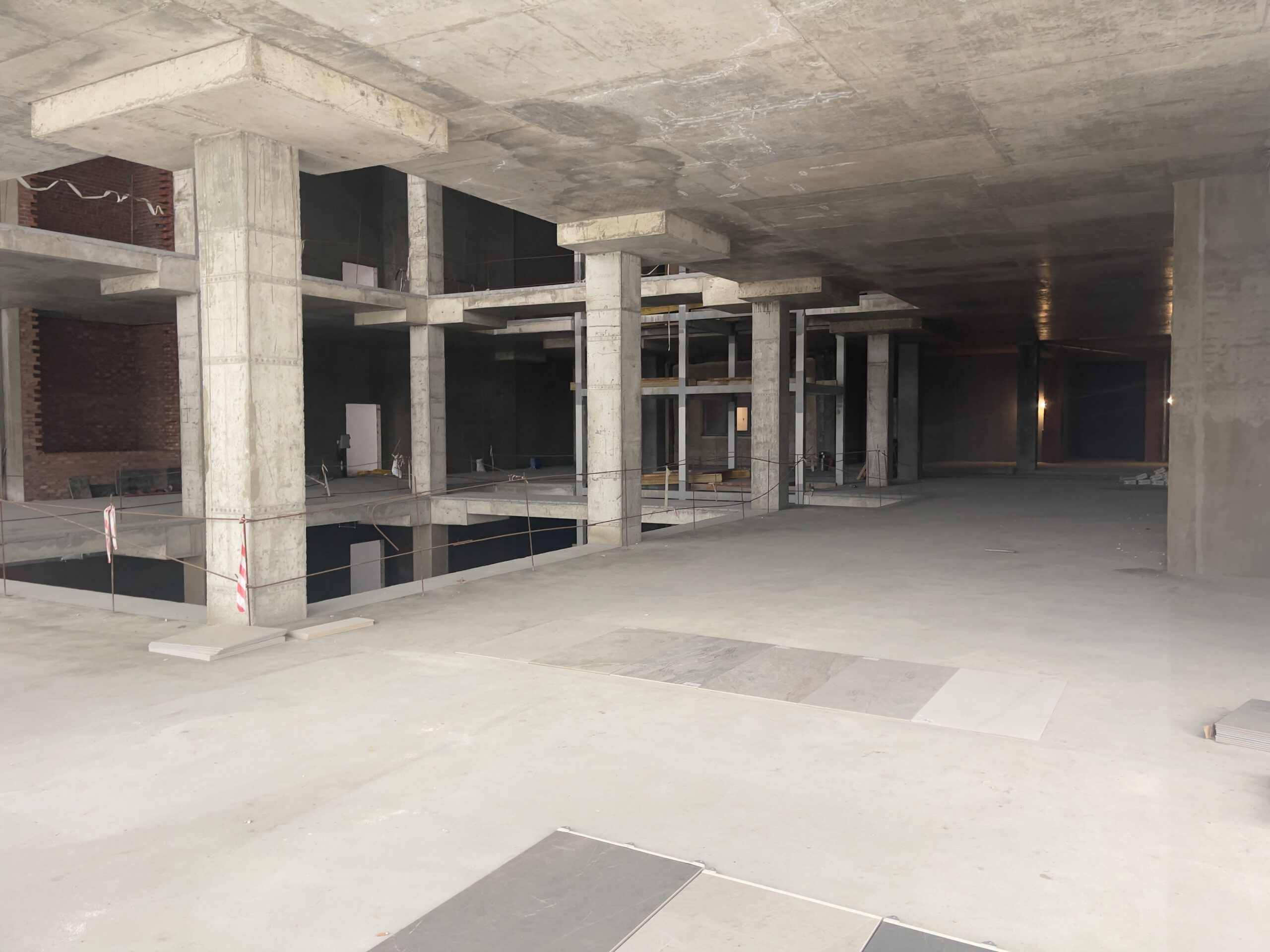
Field conditions included active mechanical zones, vaulted ceiling cavities, complex tenant configurations, prior renovations with concealed substrates, and expansive common corridors where materials changed frequently between areas. Because redevelopment work would involve selective demolition and large-scale flooring removal, it was critical to identify not only discrete ACM materials but also widespread adhesive systems, mastics, and legacy coatings that may have been obscured beneath more recent finishes. ESE approached the assignment with a comprehensive, high-resolution assessment strategy to ensure the redevelopment team received a complete and defensible ACM profile.
Key Findings
ESE identified several ACM materials requiring consideration prior to renovation, including multiple flooring mastics, floor coatings, sheet flooring adhesives, HVAC duct mastic, and roof flashing materials. These materials were generally classified as Category I non-friable ACM, intact at the time of inspection, but regulated if disturbed during construction.
Significant findings included:
• Black flooring mastics identified in various tenant suites and service corridors
• Floor coatings and tar underlayment systems with chrysotile content
• Localized HVAC duct mastic
• Roofing flashing systems
• Widespread mastic presence assumed within the main mall corridor flooring system, requiring additional destructive investigation once areas become construction-accessible
ESE summarized all ACM by category, condition, and estimated quantity, providing the redevelopment team with clear expectations for abatement sequencing, cost planning, contractor communication, and pre-construction scheduling.
Outcome & Client Value
ESE delivered a complete, renovation-ready ACM inventory that equipped the redevelopment team with the documentation needed to comply with TAHPR, NESHAP, and U.S. EPA MAP requirements. The final report included analytical results, diagrams, photo documentation, quantified material estimates, and guidance for abatement versus management-in-place—supporting safe, compliant execution of upcoming design and construction phases.
By integrating detailed fieldwork, regulatory expertise, and transparent communication, ESE enabled the owner and design team to move forward with full knowledge of asbestos-related obligations. The case exemplifies ESE’s commitment to thorough planning, risk reduction, and responsible redevelopment—ensuring that large commercial projects proceed efficiently while protecting public health and maintaining compliance across all phases.