What Is a Response Action Completion Report (RACR)?
A Response Action Completion Report (RACR) is a Texas Risk Reduction Program (TRRP) report that documents completion of a response action and compiles the as-built remedy details, supporting data, and demonstrations needed for TCEQ to evaluate whether cleanup objectives have been met. Submitted using TCEQ Form 10328, the RACR serves as the project closeout package by connecting what was approved or planned, what was actually constructed or implemented, what confirmation monitoring shows, and what residual obligations remain, if any, such as post-response action care.
Request Your Response Action Completion Report Today
Texas’ most trusted environmental experts – comprehensive by design.
When Is It Required?
RACRs are typically required/expected when you need to document completion of a TRRP response action, including scenarios like:
- Regulatory closure milestones under TRRP corrective action programs (where TCEQ requires formal completion documentation).
- VCP / Brownfield transaction support where closure documentation is needed to support a certificate or agency concurrence (program-specific requirements may apply).
- Property sale, acquisition, or refinance where the buyer/lender needs clear evidence that the remedy is completed and residual risks are controlled (engineering/institutional controls, if applicable).
- Capital project delivery (energy, industrial, infrastructure) where remedy completion is a gate to demobilization, turnover, or re-development.
ESE Partners’ Approach
Comprehensive by Design means ESE Partners does not treat a Response Action Completion Report (RACR) like a paperwork exercise. We build RACRs to withstand real scrutiny, including TCEQ review, lender counsel questions, and future environmental due diligence. Clients value our ability to move quickly without taking shortcuts by aligning the RACR structure with TCEQ expectations and identifying data gaps early. Our team provides clear, defensible conclusions that avoid overcalling risk while maintaining technical rigor. With Texas-first execution, ESE understands the language and requirements of TRRP and applies that experience to help projects move toward closure. If post-response obligations are required, we also identify and tee up the appropriate next-step reporting, such as a Post-Response Action Care Report (PRACR), so the project does not lose momentum.
Our Process
- Closure strategy + record review: Confirm the remedy standard, applicable PCLs, and the closure pathway consistent with TRRP documentation conventions.
- As-built remedy reconciliation: Compare the Response Action Plan/approved design to what was implemented (construction docs, O&M logs, waste manifests, disposal records, etc.).
- Confirmation sampling & data usability check: Validate that analytical data, QA/QC, and spatial coverage support the closure demonstrations.
- RACR preparation (Form 10328 + attachments): Build a clear narrative, figures, tables, and appendices that tell the full story in a reviewable package.
- Internal technical QA / readiness review: Senior review for TRRP defensibility, clarity, and consistency.
- Submittal support + regulator/lender follow-through: We stay engaged through questions, comments, and any required revisions.
Regulatory Framework (Texas)
RACRs are part of TCEQ’s Texas Risk Reduction Program (TRRP) reporting framework and are issued as a standardized report form within TCEQ’s TRRP guidance and forms library. Key reference points for most RACR projects include 30 TAC Chapter 350, which provides the TRRP program rule basis, and TCEQ’s TRRP guidance and forms, including the Response Action Completion Report, Form 10328/RACR.
Risks of Not Completing a RACR (or Completing It Poorly)
- Deal friction and delays: lenders, buyers, and counsel often need closure documentation that is easy to interpret and defensible.
- Regulatory uncertainty: incomplete closeout packages can drive rounds of TCEQ questions and extend the timeline.
- Rework costs: missing as-built documentation or confirmation data often means remobilizing.
- Residual liability ambiguity: unclear documentation around controls, boundaries, and remaining obligations can increase future transaction risk.
More Environmental Remediation Services

Remediation Design & Implementation
When active remediation is necessary, our site investigation and remediation consulting team selects the most technically sound approach for each unique site. We evaluate a full spectrum of remedial methods before committing to a strategy, because the right solution depends on contaminant type, site geology, regulatory program, and end-use goals.

Brownfields & Redevelopment Support
ESE Partners is committed to recycling the land and revitalizing cities and neighborhoods. Environmentally impacted properties carry hidden financial potential, and we help our clients unlock it through strategic environmental risk management and engineering.
Industries We Serve
ESE operates in a wide range of industries, all with unique needs and regulatory obligations. We offer experts who understand the broad complexity of environmental challenges faced by today’s businesses.

Real Estate Brokers & Developers
ESE helps brokers and developers reduce deal friction and avoid surprises through fast, defensible environmental due diligence. We support property evaluations, redevelopment risk screening, and transaction-ready reporting for Texas assets.

Private Equity/Capital Investors
Transaction support for acquisitions and portfolio oversight, including Phase I/II ESAs and risk-based evaluation. We provide clear findings, practical recommendations, and scalable diligence support.

Financial Institutions
ESE supports lender-driven environmental due diligence and portfolio risk management, including Phase I/II ESAs and risk screening. We deliver consistent, defensible reporting aligned with credit and closing timelines.

Attorneys
Technical support for environmental risk, liability evaluation, and regulatory strategy. We provide clear documentation and expert collaboration to support transactions, compliance matters, and remediation planning.
Why ESE Partners
ESE Partners supports Texas projects statewide, from Houston, Dallas–Fort Worth, Austin, and San Antonio to rural energy and infrastructure corridors, with integrated teams that can address the full environmental lifecycle. Our services include environmental due diligence such as Phase I and Phase II ESAs, TRRP corrective action support and closure documentation including RACRs, remediation design and implementation oversight, compliance and permitting coordination, and building sciences or industrial hygiene support when properties include structures. Clients choose ESE because we are responsive, technically rigorous, and focused on the outcome: keeping projects moving and reducing liability without overcomplicating the story.
Need an RACR that’s built for TRRP review and real-world transactions?
Talk to ESE Partners today—we can typically turn a clear scope and schedule quickly and keep your closure timeline on track.
Our Environmental Remediation Projects

Environmental Health and Safety Plan for Utility and Roadway Improvements in PPCA Areas
ESE prepared a Site Environmental Health and Safety Plan designed specifically for utility construction activities conducted within Potentially Petroleum Contaminated Areas associated with LPST/PST conditions, providing a clear framework to protect workers, maintain safe operations, and support compliant field execution during active construction.
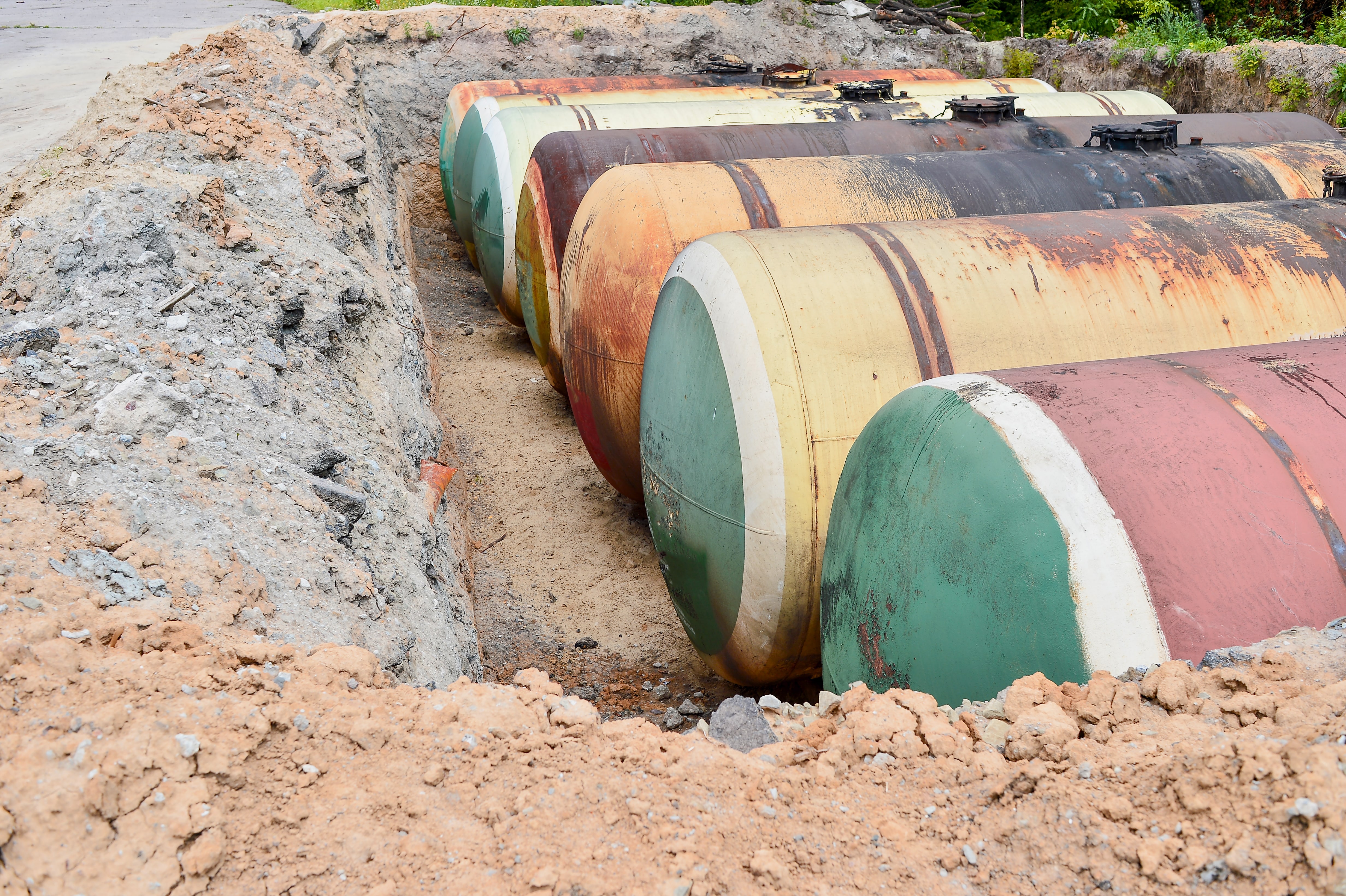
Tank Removal and Release Determination for Diesel UST
ESE completed a tank removal and release determination for a diesel underground storage tank at an active healthcare facility in Texas, delivering regulator-ready documentation to support compliant closure and reduce environmental liability.

EPA-Funded Brownfields QAPP and Sampling Plan for Municipal Redevelopment
ESE prepared a Quality Assurance Project Plan for an EPA-funded Brownfields effort supporting a municipal brownfields program, providing the quality framework and sampling plan needed to conduct limited subsurface investigations and produce defensible, regulator-ready data.
Frequently Asked Questions About Response Action Completion Reports
What is a Response Action Completion Report (RACR) and what does it document?
A Response Action Completion Report (RACR) is the TCEQ TRRP closure submittal used to document that a response action (cleanup) has been completed in accordance with the approved remedy and TRRP requirements — and to support TCEQ’s determination that the site has achieved the applicable remedy standard (e.g., PCL attainment, protective plume management, institutional controls). Submitted using TCEQ Form 10328 within the Texas Risk Reduction Program (TRRP, 30 TAC 350) framework, the RACR serves as the project closeout package by connecting what was approved or planned, what was actually constructed or implemented, what confirmation monitoring shows, and what residual obligations remain, if any, such as post-response action care.
When is a RACR required?
RACRs are typically required or expected when you need to document completion of a TRRP response action, including regulatory closure milestones under TRRP corrective action programs (where TCEQ requires formal completion documentation), VCP/Brownfield transaction support where closure documentation is needed to support a certificate or agency concurrence (program-specific requirements may apply), property sale, acquisition, or refinance where the buyer/lender needs clear evidence that the remedy is completed and residual risks are controlled (engineering/institutional controls, if applicable), and capital project delivery (energy, industrial, infrastructure) where remedy completion is a gate to demobilization, turnover, or re-development.
What are the risks of not completing a RACR — or completing it poorly?
Skipping or poorly executing a RACR can create deal friction and delays (lenders, buyers, and counsel often need closure documentation that is easy to interpret and defensible), regulatory uncertainty (incomplete closeout packages can drive rounds of TCEQ questions and extend the timeline), rework costs (missing as-built documentation or confirmation data often means remobilizing), and residual liability ambiguity (unclear documentation around controls, boundaries, and remaining obligations can increase future transaction risk).
What does ESE Partners' RACR preparation process look like?
ESE Partners’ Comprehensive by Design approach means they don’t treat a RACR like a paperwork exercise — they build RACRs to withstand real scrutiny, including TCEQ review, lender counsel questions, and future environmental due diligence, while identifying data gaps early and providing clear, defensible conclusions that avoid overcalling risk. The process includes: closure strategy and record review (confirming the remedy standard, applicable PCLs, and closure pathway consistent with TRRP documentation conventions); as-built remedy reconciliation (comparing the Response Action Plan/approved design to what was implemented — construction docs, O&M logs, waste manifests, disposal records); confirmation sampling and data usability check (validating that analytical data, QA/QC, and spatial coverage support the closure demonstrations); RACR preparation (Form 10328 plus attachments — building a clear narrative, figures, tables, and appendices); internal technical QA/readiness review (senior review for TRRP defensibility, clarity, and consistency); and submittal support plus regulator/lender follow-through (staying engaged through questions, comments, and any required revisions). If post-response obligations are required, ESE also identifies and tees up the appropriate next-step reporting, such as a Post-Response Action Care Report (PRACR), so the project doesn’t lose momentum.