What Is a Response Action Plan (RAP)?
A Response Action Plan (RAP) (often called a Remedial Action Plan) is a formal document that defines the recommended response/remedy for an impacted site and explains how the remedy will be implemented and verified.
Depending on the program and site conditions, a RAP typically addresses:
- Site background and conceptual site model (CSM) (sources, pathways, receptors)
- Cleanup goals/standards and the basis for them
- Evaluation of response options and remedy selection rationale
- Design/implementation details (methods, sequencing, dewatering, waste handling, etc.)
- Engineering/institutional controls (as applicable)
- Health & Safety / contractor controls (as required for execution)
- Confirmatory sampling and reporting to demonstrate completion/closure
In more complex cleanups (e.g., Superfund remedies), RAP concepts are often implemented through remedial design documents that translate the selected remedy into “ready-to-build” plans and specifications.
Request Your RAP Services Today
Texas’ most trusted environmental experts – comprehensive by design.
When Is It Required?
You typically need a RAP when you must document and justify a cleanup path to satisfy regulators, lenders, buyers, or project stakeholders—especially when the remedy affects design, schedule, or long-term liability.
Common triggers include:
- Commercial real estate transactions with recognized environmental conditions (RECs) moving into active cleanup
- Lender or investor requirements for a defined remedy, cost, and schedule before funding
- Redevelopment where soil/groundwater impacts could affect excavation, utilities, or vapor intrusion mitigation
- Regulatory-driven corrective action (e.g., under applicable TCEQ programs)
- Permit/license conditions that explicitly require an approved RAP before certain activities (varies by program)
- Brownfield strategies where a defined response action supports risk management and closure planning
ESE Partners’ Approach
Comprehensive by Design means ESE Partners does not write Response Action Plans (RAPs) in a vacuum; we develop plans that can be approved, implemented, and closed. Clients value our deal-aware scheduling, with RAP scopes aligned to financing deadlines, construction milestones, and transaction needs. Our team focuses on practical remedies that are right-sized to the site conditions and avoid unnecessary over-design. With Texas regulatory fluency, ESE develops cleanup strategies that anticipate TCEQ review expectations and support a clear path forward. We also communicate concise decision logic for attorneys, lenders, and non-technical stakeholders, while providing implementation-ready details that contractors need to execute the response action safely and efficiently.
Our Process
- Confirm objectives and constraints (transaction timeline, end use, lender requirements, tolerance for institutional controls)
- Compile and validate data (historical info, Phase II/characterization, CSM refinement)
- Define cleanup targets and compliance pathway (program-specific standards and closure approach)
- Evaluate and select response options (technical feasibility, cost, schedule, long-term liability)
- Draft the RAP with implementable methods, QA/QC, waste profiles, and confirmatory sampling
- Regulator/stakeholder coordination (as needed) and finalize for approval
- Support implementation & documentation through completion reporting/closure submittals
Regulatory Framework
RAP requirements are program-dependent. In Texas, RAPs commonly appear in TCEQ remediation/corrective action contexts, and TCEQ correspondence/action tracking explicitly references review of a “RAP” (Remedial Action Plan) as a report type.
At federal sites, remedy implementation is commonly advanced through remedial design documentation once the remedy is selected (e.g., via a Record of Decision in the Superfund process).
Some regulated facilities may also have RAP requirements tied to specific federal rules incorporated into permit or license conditions (program-specific).
Risks of Not Completing This Service
Skipping or delaying a RAP can create avoidable exposure:
- Deal delays when stakeholders lack a defensible scope, schedule, and cost
- Budget surprises due to undefined waste handling, dewatering, or disposal pathways
- Regulatory setbacks if the remedy basis and verification approach aren’t documented to expectations
- Long-term liability from incomplete remedy design, poor documentation, or unclear closure criteria
- Construction impacts (change orders) when contamination response isn’t integrated with earthwork/utility plans
More Environmental Remediation Services

Remediation Design & Implementation
When active remediation is necessary, our site investigation and remediation consulting team selects the most technically sound approach for each unique site. We evaluate a full spectrum of remedial methods before committing to a strategy, because the right solution depends on contaminant type, site geology, regulatory program, and end-use goals.

Brownfields & Redevelopment Support
ESE Partners is committed to recycling the land and revitalizing cities and neighborhoods. Environmentally impacted properties carry hidden financial potential, and we help our clients unlock it through strategic environmental risk management and engineering.
Industries We Serve
ESE operates in a wide range of industries, all with unique needs and regulatory obligations. We offer experts who understand the broad complexity of environmental challenges faced by today’s businesses.

Real Estate Brokers & Developers
ESE helps brokers and developers reduce deal friction and avoid surprises through fast, defensible environmental due diligence. We support property evaluations, redevelopment risk screening, and transaction-ready reporting for Texas assets.

Private Equity/Capital Investors
Transaction support for acquisitions and portfolio oversight, including Phase I/II ESAs and risk-based evaluation. We provide clear findings, practical recommendations, and scalable diligence support.

Financial Institutions
ESE supports lender-driven environmental due diligence and portfolio risk management, including Phase I/II ESAs and risk screening. We deliver consistent, defensible reporting aligned with credit and closing timelines.

Attorneys
Technical support for environmental risk, liability evaluation, and regulatory strategy. We provide clear documentation and expert collaboration to support transactions, compliance matters, and remediation planning.
Why ESE Partners
ESE Partners is built for Texas projects where speed matters, but accuracy matters more. Our Texas-first execution model provides statewide coverage for Response Action Plan development and related remediation support. With integrated capabilities across environmental due diligence, investigation and characterization, remediation support, compliance, and building sciences, ESE can connect RAP strategy to the broader project lifecycle. Our responsive teams support brokers, developers, lenders, attorneys, and operators with clear communication and practical next steps. We develop practical, defensible RAPs that are designed to be approved and executed, not simply submitted.
Need a Response Action Plan that won’t stall your closing or your construction start?
Request a RAP proposal from ESE Partners—typically within 24 hours—and keep your project moving.
Our Environmental Remediation Projects

Environmental Health and Safety Plan for Utility and Roadway Improvements in PPCA Areas
ESE prepared a Site Environmental Health and Safety Plan designed specifically for utility construction activities conducted within Potentially Petroleum Contaminated Areas associated with LPST/PST conditions, providing a clear framework to protect workers, maintain safe operations, and support compliant field execution during active construction.
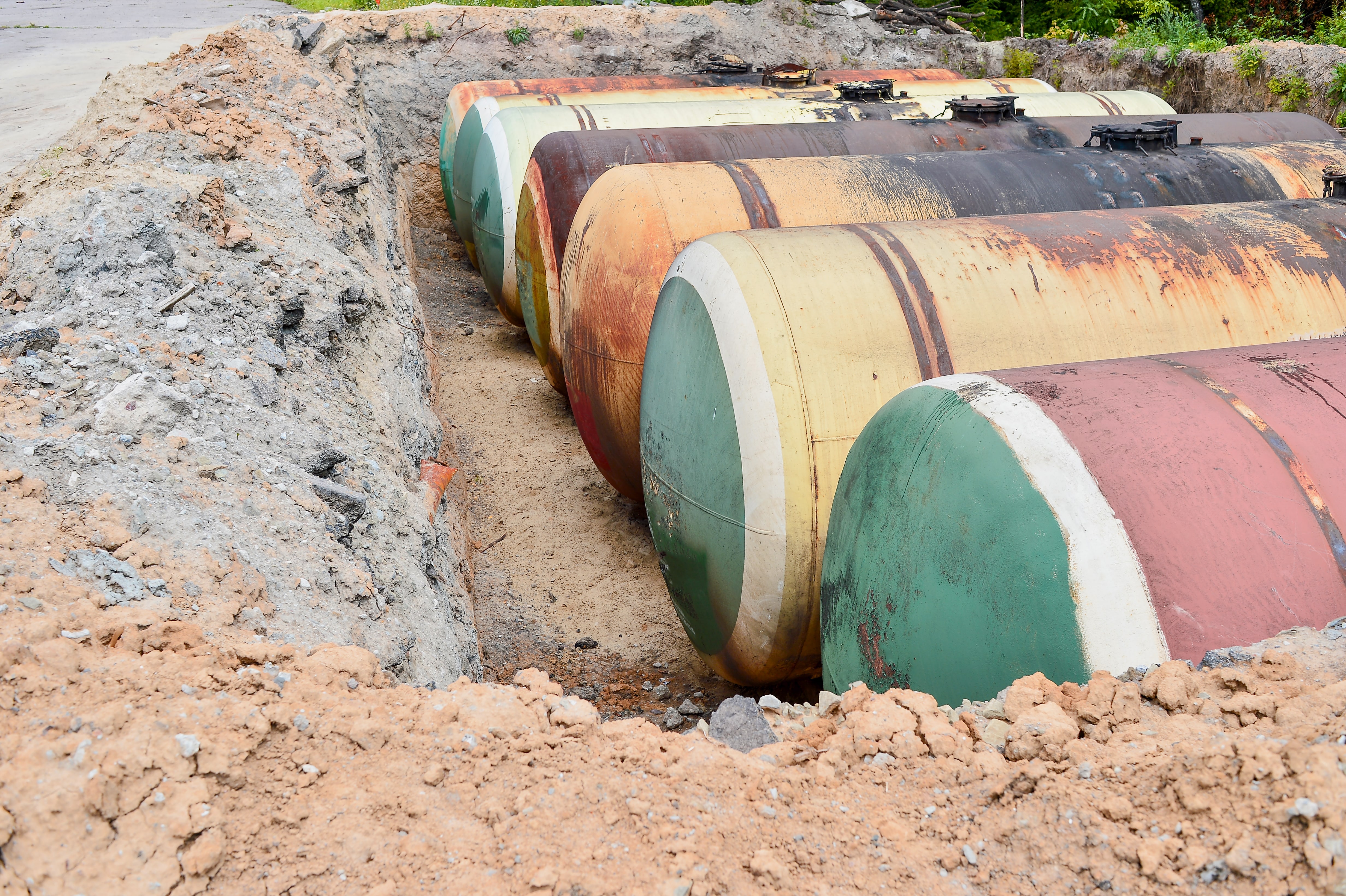
Tank Removal and Release Determination for Diesel UST
ESE completed a tank removal and release determination for a diesel underground storage tank at an active healthcare facility in Texas, delivering regulator-ready documentation to support compliant closure and reduce environmental liability.

EPA-Funded Brownfields QAPP and Sampling Plan for Municipal Redevelopment
ESE prepared a Quality Assurance Project Plan for an EPA-funded Brownfields effort supporting a municipal brownfields program, providing the quality framework and sampling plan needed to conduct limited subsurface investigations and produce defensible, regulator-ready data.
Frequently Asked Questions About Response Action Plans
What is a Response Action Plan (RAP), and what does it typically address?
A Response Action Plan (RAP), often called a Remedial Action Plan, is a formal document that defines the recommended response/remedy for an impacted site and explains how the remedy will be implemented and verified — essentially a written remediation “playbook.” Depending on the program and site conditions, a RAP typically addresses site background and conceptual site model (CSM) covering sources, pathways, and receptors; cleanup goals/standards and the basis for them; evaluation of response options and remedy selection rationale; design/implementation details (methods, sequencing, dewatering, waste handling, etc.); engineering/institutional controls (as applicable); health & safety and contractor controls; and confirmatory sampling and reporting to demonstrate completion/closure. In more complex cleanups (e.g., Superfund remedies), RAP concepts are often implemented through remedial design documents that translate the selected remedy into “ready-to-build” plans and specifications.
When is a Response Action Plan required?
You typically need a RAP when you must document and justify a cleanup path to satisfy regulators, lenders, buyers, or project stakeholders — especially when the remedy affects design, schedule, or long-term liability. Common triggers include commercial real estate transactions with recognized environmental conditions (RECs) moving into active cleanup, lender or investor requirements for a defined remedy, cost, and schedule before funding, redevelopment where soil/groundwater impacts could affect excavation, utilities, or vapor intrusion mitigation, regulatory-driven corrective action (e.g., under applicable TCEQ programs), permit/license conditions that explicitly require an approved RAP before certain activities, and brownfield strategies where a defined response action supports risk management and closure planning.
What are the risks of skipping or delaying a RAP?
Skipping or delaying a RAP can create avoidable exposure, including deal delays when stakeholders lack a defensible scope, schedule, and cost, budget surprises due to undefined waste handling, dewatering, or disposal pathways, regulatory setbacks if the remedy basis and verification approach aren’t documented to expectations, long-term liability from incomplete remedy design, poor documentation, or unclear closure criteria, and construction impacts (change orders) when contamination response isn’t integrated with earthwork/utility plans.
What does ESE Partners' Response Action Plan process look like?
ESE Partners’ Comprehensive by Design approach means they don’t write RAPs in a vacuum — they develop plans that can be approved, implemented, and closed, with deal-aware scheduling aligned to financing deadlines and construction milestones, practical remedies right-sized to site conditions (avoiding unnecessary over-design), and implementation-ready details that contractors need to execute safely and efficiently. The process includes: confirming objectives and constraints (transaction timeline, end use, lender requirements, tolerance for institutional controls); compiling and validating data (historical info, Phase II/characterization, CSM refinement); defining cleanup targets and compliance pathway (program-specific standards and closure approach); evaluating and selecting response options (technical feasibility, cost, schedule, long-term liability); drafting the RAP with implementable methods, QA/QC, waste profiles, and confirmatory sampling; regulator/stakeholder coordination (as needed) and finalizing for approval; and supporting implementation and documentation through completion reporting/closure submittals. RAP requirements are program-dependent — in Texas, they commonly appear in TCEQ remediation/corrective action contexts, while at federal sites, remedy implementation is often advanced through remedial design documentation once the remedy is selected.