What Is Risk-Based Corrective Action (RBCA)?
Risk-Based Corrective Action (RBCA) is a structured method for determining “how clean is clean enough” by evaluating site-specific risk factors and cleanup objectives. This process considers chemicals of concern (COCs) and their concentrations in affected media such as soil, groundwater, soil gas, and indoor air, as well as potential exposure pathways including direct contact, ingestion, inhalation, vapor intrusion, and migration to groundwater or surface water. RBCA also accounts for receptor scenarios, such as commercial or industrial versus residential land use and on-site versus off-site exposure. Remedy performance and long-term management considerations, including engineering controls, institutional controls, and monitoring, are also part of the evaluation. Under the Texas Risk Reduction Program (TRRP), RBCA decisions are typically expressed as Protective Concentration Levels (PCLs) and implemented through a tiered evaluation process, including Tier 1, Tier 2, and Tier 3 assessments.
Request Your RBCA Services Today
Texas’ most trusted environmental experts – comprehensive by design.
When Is RBCA/TRRP Typically Required?
Common triggers include:
- Property acquisition, sale, or refinancing where contamination is identified and closure/comfort is needed for risk allocation
- Redevelopment (brownfield/industrial conversions; construction dewatering considerations)
- Confirmed releases from ASTs/USTs, pipeline/fuel systems, solvent use, or historic industrial operations
- TCEQ-driven remediation projects where TRRP applies and cleanup objectives must be established/documented
- Vapor intrusion concerns (tenant complaints, indoor air impacts, or screening exceedances)
- Portfolio risk management (prioritizing sites by risk rather than by concentration alone)
ESE Partners’ Approach
RBCA succeeds when it is both technically defensible and practical for the deal or project timeline. ESE Partners focuses on fast scoping to identify the real risk drivers, including chemicals of concern (COCs) and exposure pathways, while avoiding unnecessary analytical overreach. Our team develops a clear tier strategy, whether Tier 1, Tier 2, or Tier 3, aligned with the client’s business goals and regulatory closure pathway. We emphasize practical corrective actions such as targeted removal, source control, engineering or institutional controls, and monitoring, rather than assuming a worst-case approach for every site. With Texas regulatory fluency, ESE builds strategies around TRRP expectations, Protective Concentration Level (PCL) selection, and documentation requirements. We also provide clear communication that keeps deals moving, including tight deliverables, decision-ready summaries, and lender- and attorney-friendly reporting.
Our Process (RBCA/TRRP Workflow)
- Define the decision to be made: Transaction, closure, redevelopment, or compliance driver
- Build the Conceptual Site Model (CSM): Sources, migration, receptors, exposure pathways
- Confirm data quality and representativeness: Validate usable data sets for risk decisions (not just detections)
- Select the tier strategy: Tier 1 screening → Tier 2 site-specific modeling → Tier 3 advanced assessment (as needed)
- Establish cleanup/response objectives: Typically PCL-based endpoints (soil/groundwater/vapor-related)
- Evaluate and implement corrective action options: Removal, treatment, containment, engineering controls, institutional controls
- Document completion / long-term care: Response action documentation and post-response monitoring strategy (when required)
Regulatory Framework
In Texas, risk-based corrective action is commonly executed under the TCEQ Texas Risk Reduction Program (TRRP), 30 TAC 350, which provides the state’s risk-based remedy framework. Cleanup objectives are often evaluated using Tier 1 Protective Concentration Levels (PCLs), which are default cleanup standards published by TCEQ in PCL tables. Where appropriate, Tier 2 PCLs may be calculated using site-specific inputs, with TCEQ guidance providing equations and methods for developing those values. TRRP guidance documents, including RG-366 and related TRRP series materials, also support key decisions such as tier selection, chemical of concern (COC) selection, groundwater classification, and PCL development.
Risks of Not Completing RBCA Correctly
Skipping or mishandling RBCA/TRRP can create real business problems:
- Deal delays when lenders/insurers won’t accept unclear cleanup endpoints
- Overpaying for remediation by defaulting to overly conservative assumptions when Tier 2/Tier 3 would be appropriate
- Residual liability if pathways (especially vapor intrusion) aren’t evaluated consistently with the CSM
- Regulatory rework if objectives, tiers, or documentation don’t align with TRRP expectations
- Ongoing O&M surprises when controls/monitoring aren’t planned and budgeted from the start
More Environmental Remediation Services

Remediation Design & Implementation
When active remediation is necessary, our site investigation and remediation consulting team selects the most technically sound approach for each unique site. We evaluate a full spectrum of remedial methods before committing to a strategy, because the right solution depends on contaminant type, site geology, regulatory program, and end-use goals.

Brownfields & Redevelopment Support
ESE Partners is committed to recycling the land and revitalizing cities and neighborhoods. Environmentally impacted properties carry hidden financial potential, and we help our clients unlock it through strategic environmental risk management and engineering.
Industries We Serve
ESE operates in a wide range of industries, all with unique needs and regulatory obligations. We offer experts who understand the broad complexity of environmental challenges faced by today’s businesses.

Real Estate Brokers & Developers
ESE helps brokers and developers reduce deal friction and avoid surprises through fast, defensible environmental due diligence. We support property evaluations, redevelopment risk screening, and transaction-ready reporting for Texas assets.

Private Equity/Capital Investors
Transaction support for acquisitions and portfolio oversight, including Phase I/II ESAs and risk-based evaluation. We provide clear findings, practical recommendations, and scalable diligence support.

Financial Institutions
ESE supports lender-driven environmental due diligence and portfolio risk management, including Phase I/II ESAs and risk screening. We deliver consistent, defensible reporting aligned with credit and closing timelines.

Attorneys
Technical support for environmental risk, liability evaluation, and regulatory strategy. We provide clear documentation and expert collaboration to support transactions, compliance matters, and remediation planning.
Why ESE Partners
ESE Partners delivers Risk-Based Corrective Action (RBCA) that is Comprehensive by Design, with Texas-first execution for TRRP-driven cleanups statewide. Our integrated services extend beyond RBCA to include environmental due diligence, such as Phase I and Phase II ESAs, remediation and closure support, compliance programs, natural and cultural resources, and building sciences services including asbestos, lead, and indoor air quality. With responsive, scalable teams supporting single assets and portfolios across Houston, Dallas–Fort Worth, Austin, and San Antonio, ESE provides business-focused deliverables that help brokers, lenders, developers, and attorneys make informed decisions quickly.
Need a risk-based corrective action (RBCA) strategy that protects your downside and keeps your timeline intact?
Talk to ESE Partners today—get a proposal within 24 hours and keep your Texas project moving.
Our Environmental Remediation Projects

Environmental Health and Safety Plan for Utility and Roadway Improvements in PPCA Areas
ESE prepared a Site Environmental Health and Safety Plan designed specifically for utility construction activities conducted within Potentially Petroleum Contaminated Areas associated with LPST/PST conditions, providing a clear framework to protect workers, maintain safe operations, and support compliant field execution during active construction.
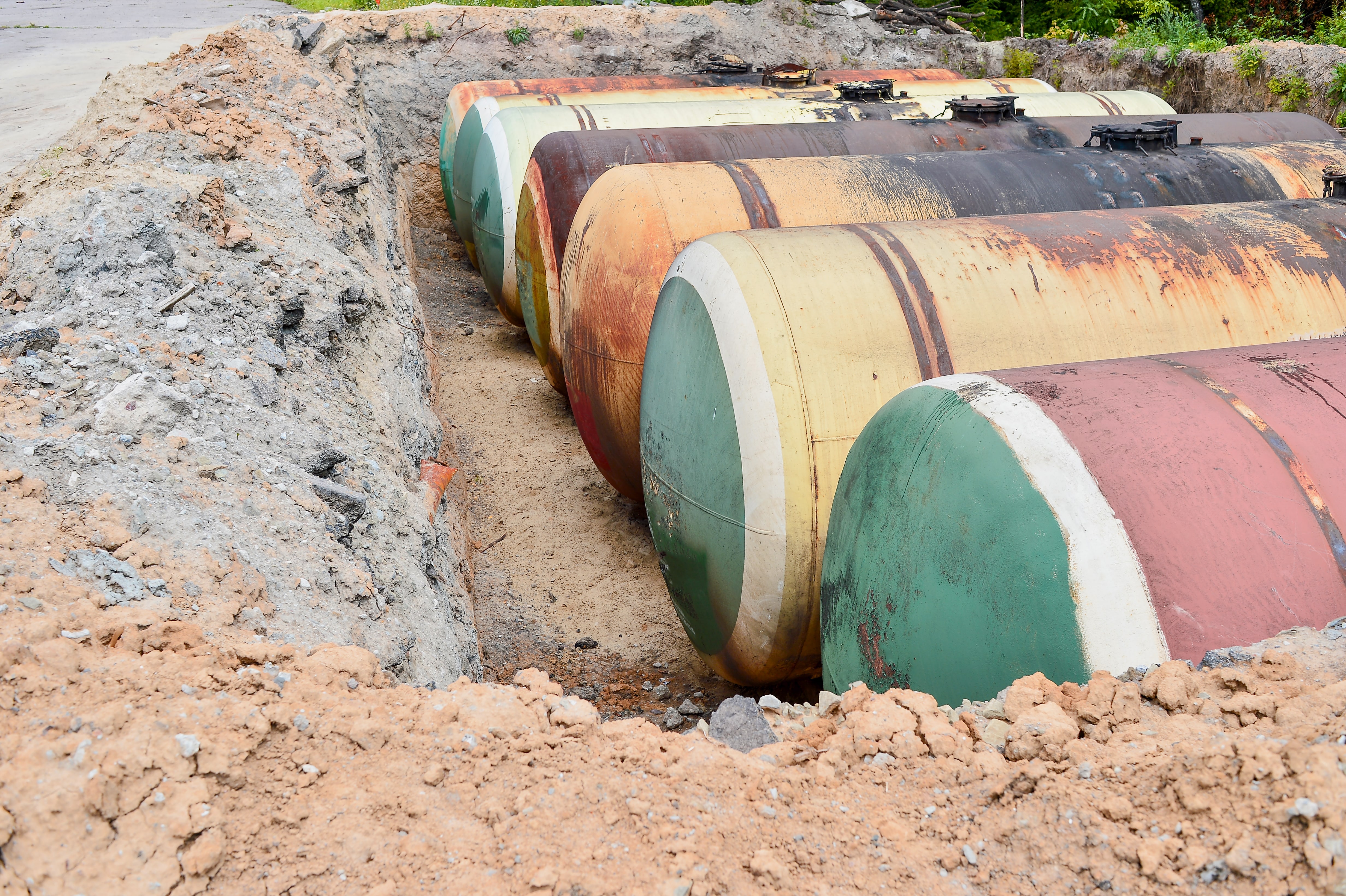
Tank Removal and Release Determination for Diesel UST
ESE completed a tank removal and release determination for a diesel underground storage tank at an active healthcare facility in Texas, delivering regulator-ready documentation to support compliant closure and reduce environmental liability.

EPA-Funded Brownfields QAPP and Sampling Plan for Municipal Redevelopment
ESE prepared a Quality Assurance Project Plan for an EPA-funded Brownfields effort supporting a municipal brownfields program, providing the quality framework and sampling plan needed to conduct limited subsurface investigations and produce defensible, regulator-ready data.
Frequently Asked Questions About RBCA
What is Risk-Based Corrective Action (RBCA) and how does it work in Texas?
Risk-Based Corrective Action (RBCA) is a structured method for determining “how clean is clean enough” by evaluating site-specific risk factors and cleanup objectives — tying investigation and remediation requirements to actual risk based on contaminant toxicity, exposure pathways (soil, groundwater, vapor intrusion), and the site’s current and future land use, rather than applying one uniform cleanup number to every property. This process considers chemicals of concern (COCs) and their concentrations in affected media, potential exposure pathways, receptor scenarios (such as commercial/industrial vs. residential land use), and remedy performance and long-term management considerations including engineering controls, institutional controls, and monitoring. In Texas, RBCA is most commonly implemented through the Texas Risk Reduction Program (TRRP), 30 TAC 350, using tiered Protective Concentration Levels (PCLs) — including Tier 1, Tier 2, and Tier 3 assessments — to set cleanup and response objectives.
When is RBCA or TRRP typically required for a Texas site?
Common triggers include property acquisition, sale, or refinancing where contamination is identified and closure or comfort is needed for risk allocation, redevelopment (brownfield/industrial conversions; construction dewatering considerations), confirmed releases from ASTs/USTs, pipeline/fuel systems, solvent use, or historic industrial operations, TCEQ-driven remediation projects where TRRP applies and cleanup objectives must be established and documented, vapor intrusion concerns (tenant complaints, indoor air impacts, or screening exceedances), and portfolio risk management (prioritizing sites by risk rather than by concentration alone). When contamination is discovered during a transaction or active operations, the fastest path to closure is rarely “dig it all up” — a risk-based corrective action strategy can often reduce scope, control costs, and keep schedules intact without cutting corners on protectiveness.
What are the risks of skipping or mishandling RBCA/TRRP?
Skipping or mishandling RBCA/TRRP can create real business problems, including deal delays when lenders and insurers won’t accept unclear cleanup endpoints, overpaying for remediation by defaulting to overly conservative assumptions when Tier 2 or Tier 3 would be appropriate, residual liability if pathways (especially vapor intrusion) aren’t evaluated consistently with the Conceptual Site Model (CSM), regulatory rework if objectives, tiers, or documentation don’t align with TRRP expectations, and ongoing operations and maintenance (O&M) surprises when controls and monitoring aren’t planned and budgeted from the start.
What does ESE Partners' RBCA/TRRP process look like from start to finish?
ESE Partners focuses on fast scoping to identify the real risk drivers — including chemicals of concern (COCs) and exposure pathways — while avoiding unnecessary analytical overreach, and develops a clear tier strategy (Tier 1, Tier 2, or Tier 3) aligned with the client’s business goals and regulatory closure pathway. The full process includes: defining the decision to be made (transaction, closure, redevelopment, or compliance driver); building the Conceptual Site Model (CSM) covering sources, migration, receptors, and exposure pathways; confirming data quality and representativeness (validating usable data sets for risk decisions); selecting the tier strategy (Tier 1 screening → Tier 2 site-specific modeling → Tier 3 advanced assessment as needed); establishing cleanup and response objectives (typically PCL-based endpoints for soil/groundwater/vapor); evaluating and implementing corrective action options (removal, treatment, containment, engineering controls, institutional controls); and documenting completion and long-term care (response action documentation and post-response monitoring strategy when required).