What Is Vapor Extraction (Soil Vapor Extraction)?
Soil Vapor Extraction (SVE) is an in-situ remediation technology that applies vacuum to extraction wells to pull contaminated soil gas/vapors from the vadose zone (unsaturated soils). The extracted vapors are typically treated above-ground using systems such as granular activated carbon (GAC) or thermal/catalytic oxidation, depending on the chemicals and flow rates.
SVE is most effective where contamination is:
- In the vadose zone (not fully saturated)
- Volatile (e.g., chlorinated solvents, gasoline-range hydrocarbons)
- In soils with sufficient air permeability to transmit vacuum influence (site-specific)
Request Your Soil Vapor Extraction Services Today
Texas’ most trusted environmental experts – comprehensive by design.
When Is Vapor Extraction Required (or the Smart Choice)?
Vapor extraction is commonly selected/required when you need to:
- Address VOC source mass in vadose-zone soils identified during environmental due diligence or corrective action.
- Support risk-based closure strategies under TCEQ remediation programs where vadose-zone vapors are a driver for risk (e.g., vapor intrusion pathway).
- Reduce vapor intrusion risk for current or future buildings—especially on redevelopment sites.
- Meet lender/investor expectations for an active remedy to control uncertainty, accelerate a transaction, or satisfy post-close obligations (common deal driver; approach varies by lender).
ESE Partners’ Approach
ESE Partners designs Soil Vapor Extraction (SVE) systems to be Comprehensive by Design: technically defensible, right-sized for the risk, and built to support real-world decision-making. Clients typically value our fast feasibility testing, including pilot testing and radius-of-influence evaluations, which help confirm whether SVE is likely to work before committing major capital. We provide practical risk framing focused on remedy performance and closure pathways rather than overcalling uncertainty. With Texas regulatory fluency, ESE aligns deliverables with TCEQ program expectations and data quality needs. We also provide straight answers on air pathway requirements, including vapor treatment, emissions considerations, and supporting documentation.
Our Process (Typical SVE Project)
- Data review & conceptual site model (CSM): Confirm contaminant types, depth intervals, geology, and receptors (including buildings).
- Feasibility/pilot testing: Vacuum tests, soil-gas flow evaluation, and preliminary radius-of-influence to validate design assumptions.
- System design: Well spacing, manifold layout, blower sizing, vapor treatment selection (e.g., GAC), and monitoring points.
- Installation & startup: Contractor coordination, shakedown, baseline sampling, and optimization.
- O&M and performance monitoring: Flow/vacuum metrics, influent/effluent sampling as needed, and trend-based optimization.
- Reporting & closure support: Performance documentation to support a remedy transition, shutdown criteria, and closure strategy under the applicable TCEQ program.
Regulatory Framework (Texas + Federal Considerations)
Vapor extraction projects in Texas commonly intersect with TCEQ remediation programs and contract scopes that recognize SVE and related feasibility testing as established remediation services. These projects also need to account for TCEQ Remediation Division analytical and sampling expectations, especially where VOC data quality is critical to remedy design, performance evaluation, and closure decisions. EPA Superfund remedy selection and technology guidance is often used as a technical reference for evaluating remediation options and best practices. Vapor intrusion guidance and training frameworks may also inform decision-making when indoor air, sub-slab, or soil-gas results drive risk management decisions. Specific air authorization pathways, such as permits, permits by rule, or exemptions, depend on site emissions, control technology, location, and operational details, so ESE evaluates those requirements case by case during design.
Risks of Not Completing Vapor Extraction
Skipping or delaying vapor extraction when it’s indicated can lead to:
- Deal delays when lenders or buyers require a defined remedy for vadose-zone VOCs or vapor intrusion concerns.
- Uncontrolled vapor intrusion risk for occupied or redeveloped properties (often the risk driver).
- Higher long-term costs if a source grows, migrates, or forces more complex engineering controls later.
- Regulatory exposure and prolonged corrective action timelines under applicable TCEQ programs.
More Environmental Remediation Services

Remediation Design & Implementation
When active remediation is necessary, our site investigation and remediation consulting team selects the most technically sound approach for each unique site. We evaluate a full spectrum of remedial methods before committing to a strategy, because the right solution depends on contaminant type, site geology, regulatory program, and end-use goals.

Brownfields & Redevelopment Support
ESE Partners is committed to recycling the land and revitalizing cities and neighborhoods. Environmentally impacted properties carry hidden financial potential, and we help our clients unlock it through strategic environmental risk management and engineering.
Industries We Serve
ESE operates in a wide range of industries, all with unique needs and regulatory obligations. We offer experts who understand the broad complexity of environmental challenges faced by today’s businesses.

Real Estate Brokers & Developers
ESE helps brokers and developers reduce deal friction and avoid surprises through fast, defensible environmental due diligence. We support property evaluations, redevelopment risk screening, and transaction-ready reporting for Texas assets.

Private Equity/Capital Investors
Transaction support for acquisitions and portfolio oversight, including Phase I/II ESAs and risk-based evaluation. We provide clear findings, practical recommendations, and scalable diligence support.

Financial Institutions
ESE supports lender-driven environmental due diligence and portfolio risk management, including Phase I/II ESAs and risk screening. We deliver consistent, defensible reporting aligned with credit and closing timelines.

Attorneys
Technical support for environmental risk, liability evaluation, and regulatory strategy. We provide clear documentation and expert collaboration to support transactions, compliance matters, and remediation planning.
Why ESE Partners
Texas’ Most Trusted Environmental Experts – Comprehensive by Design.
ESE Partners supports Soil Vapor Extraction (SVE) projects across Houston, Dallas–Fort Worth, Austin, and San Antonio, with teams that can scale statewide for portfolios and multi-site programs. Clients choose ESE for our end-to-end capability, including site characterization, vapor intrusion evaluation, remedy design, and closure strategy. We bring deal-focused execution that emphasizes speed and clarity, along with proven experience coordinating with owners, attorneys, lenders, regulators, contractors, and other stakeholders. This integrated approach helps keep SVE projects technically defensible, practical, and aligned with business and regulatory goals.
Need vapor extraction pricing or a feasibility opinion fast?
Contact ESE Partners to get a proposal within 24 hours and keep your transaction or corrective action schedule on track.
Our Environmental Remediation Projects

Environmental Health and Safety Plan for Utility and Roadway Improvements in PPCA Areas
ESE prepared a Site Environmental Health and Safety Plan designed specifically for utility construction activities conducted within Potentially Petroleum Contaminated Areas associated with LPST/PST conditions, providing a clear framework to protect workers, maintain safe operations, and support compliant field execution during active construction.
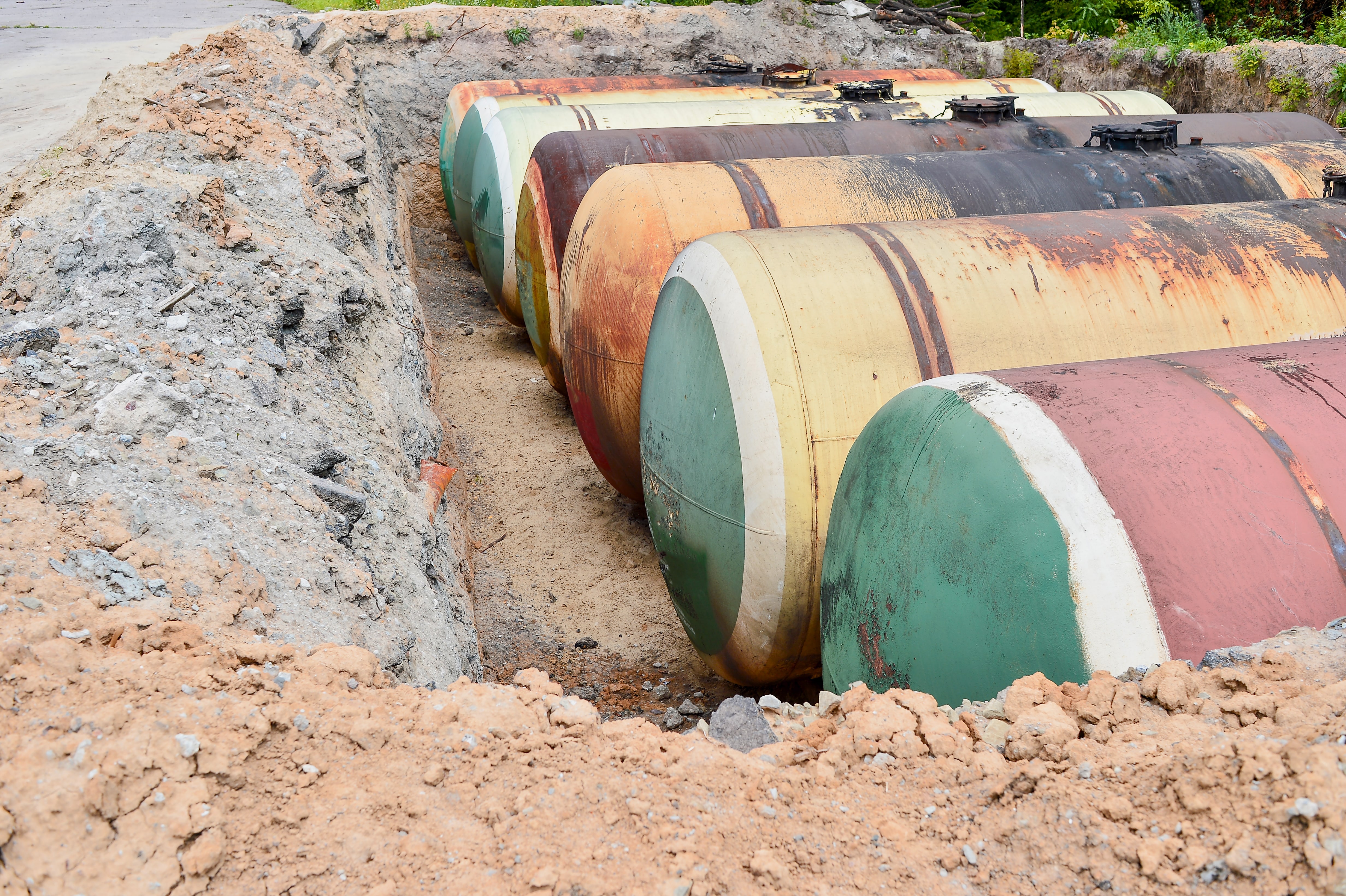
Tank Removal and Release Determination for Diesel UST
ESE completed a tank removal and release determination for a diesel underground storage tank at an active healthcare facility in Texas, delivering regulator-ready documentation to support compliant closure and reduce environmental liability.
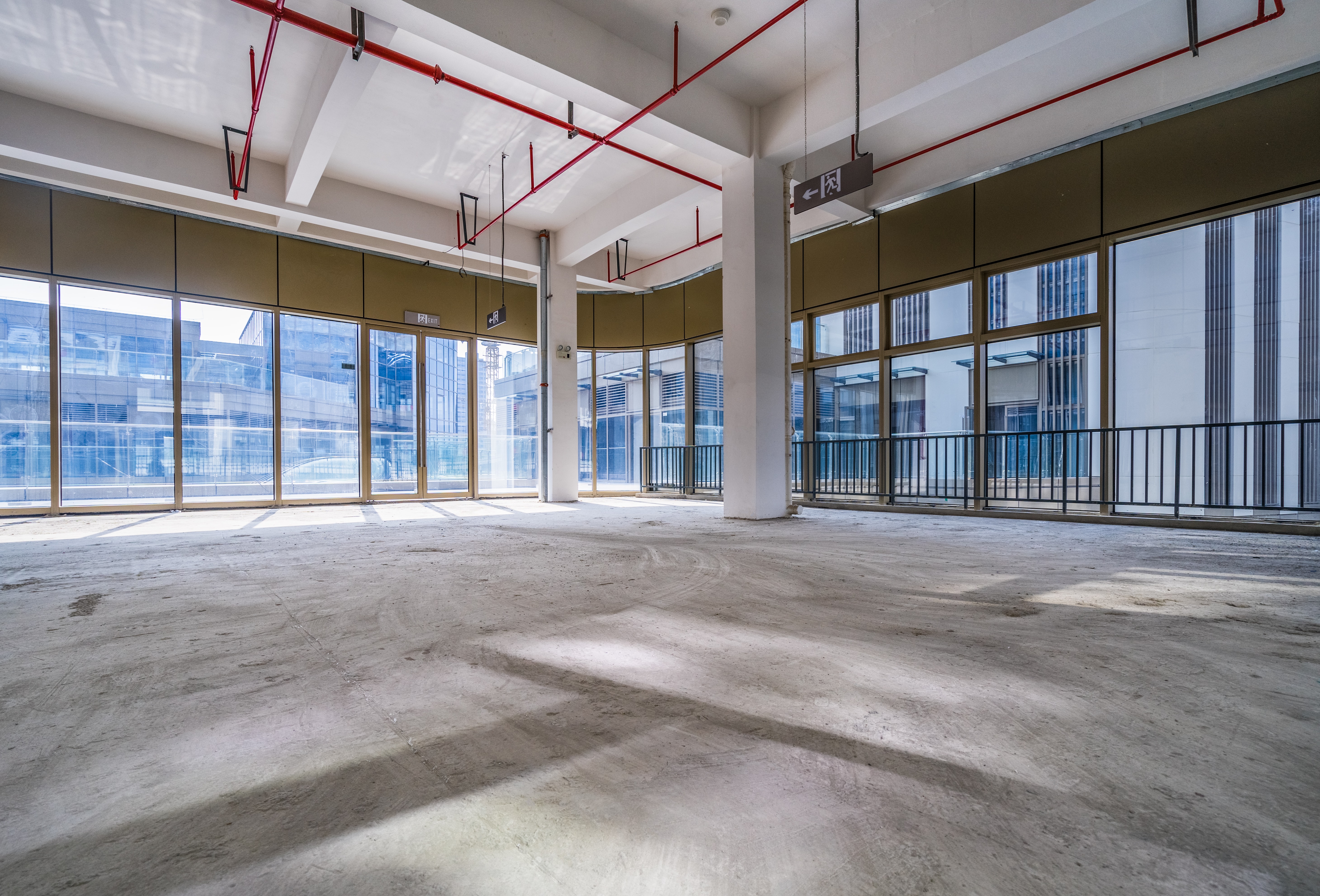
EPA-Funded Brownfields QAPP and Sampling Plan for Municipal Redevelopment
ESE prepared a Quality Assurance Project Plan for an EPA-funded Brownfields effort supporting a municipal brownfields program, providing the quality framework and sampling plan needed to conduct limited subsurface investigations and produce defensible, regulator-ready data.
Frequently Asked Questions About Soil Vapor Extraction Services
What is Soil Vapor Extraction and how does it work?
Soil Vapor Extraction (SVE) is an in-situ remediation technology that applies vacuum to extraction wells to pull contaminated soil gas/vapors from the vadose zone (unsaturated soils). The extracted vapors are typically treated above-ground using systems such as granular activated carbon (GAC) or thermal/catalytic oxidation, depending on the chemicals and flow rates. SVE is a proven, cost-effective remediation method for removing volatile organic compounds (VOCs) and some petroleum-range compounds from the unsaturated zone, and it’s most effective where contamination is in the vadose zone (not fully saturated), volatile (e.g., chlorinated solvents, gasoline-range hydrocarbons), and in soils with sufficient air permeability to transmit vacuum influence.
When is vapor extraction the right choice for a site?
Vapor extraction is commonly selected or required when you need to address VOC source mass in vadose-zone soils identified during environmental due diligence or corrective action, support risk-based closure strategies under TCEQ remediation programs where vadose-zone vapors are a driver for risk (e.g., vapor intrusion pathway), reduce vapor intrusion risk for current or future buildings (especially on redevelopment sites), or meet lender/investor expectations for an active remedy to control uncertainty, accelerate a transaction, or satisfy post-close obligations. In Texas, SVE is frequently used to keep projects moving toward risk-based closure under TCEQ programs while controlling vapor intrusion and future liability.
What are the risks of skipping or delaying vapor extraction when it's indicated?
Skipping or delaying vapor extraction when it’s indicated can lead to deal delays when lenders or buyers require a defined remedy for vadose-zone VOCs or vapor intrusion concerns, uncontrolled vapor intrusion risk for occupied or redeveloped properties (often the risk driver), higher long-term costs if a source grows, migrates, or forces more complex engineering controls later, and regulatory exposure and prolonged corrective action timelines under applicable TCEQ programs.
What does ESE Partners' SVE project process look like?
ESE Partners designs SVE systems to be Comprehensive by Design — technically defensible, right-sized for the risk, and built to support real-world decision-making — starting with fast feasibility testing (including pilot testing and radius-of-influence evaluations) that helps confirm whether SVE is likely to work before committing major capital. The typical process includes: data review and conceptual site model (CSM) development (confirming contaminant types, depth intervals, geology, and receptors including buildings); feasibility/pilot testing (vacuum tests, soil-gas flow evaluation, and preliminary radius-of-influence to validate design assumptions); system design (well spacing, manifold layout, blower sizing, vapor treatment selection such as GAC, and monitoring points); installation and startup (contractor coordination, shakedown, baseline sampling, and optimization); O&M and performance monitoring (flow/vacuum metrics, influent/effluent sampling as needed, and trend-based optimization); and reporting and closure support (performance documentation to support a remedy transition, shutdown criteria, and closure strategy under the applicable TCEQ program). ESE also provides straight answers on air pathway requirements — including vapor treatment, emissions considerations, and whether permits, permits by rule, or exemptions apply — evaluated case by case during design.