
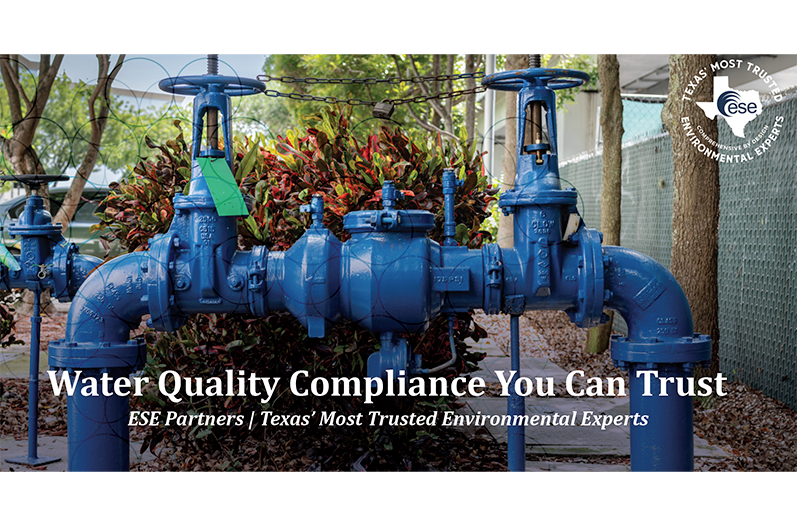
Public Water Systems: More Common Than You Think
Many organizations don’t realize that they meet the definition of a Public Water System. A PWS is any system that provides water for human consumption to at least 15 connections or at least 25 individuals for at least 60 days per year. This may include:
- Municipal and rural community systems
- Mobile home parks
- Industrial facilities with potable systems
- Schools, churches, campgrounds, and multi-building campuses
- Commercial developments or utility districts
If your operation provides water through pipes, wells, or other constructed conveyances, you are likely subject to the state and federal regulations that govern drinking water safety.
Why PWS Classification Matters
Once you are classified as a Public Water System, you must comply with a series of ongoing responsibilities intended to protect public health and ensure water quality. These typically include:
- Routine Sampling and Monitoring
- Systems must test for bacteriological contaminants, chemical constituents, disinfectant residuals, and other water quality indicators at frequencies determined by the system’s size and characteristics.
- Reporting and Recordkeeping
Operators must submit results to the Texas Commission on Environmental Quality (TCEQ), maintain daily operational records, and provide timely notifications when exceedances occur.
Operational Standards
PWS operators must ensure proper treatment, maintain infrastructure, and follow approved procedures for managing source water, storage, and distribution.
Corrective Actions
If violations occur — such as total coliform hits, treatment technique issues, or maximum contaminant level (MCL) exceedances — systems must issue public notices and take immediate corrective steps.
For many operators, especially those who manage facilities where drinking water is not the primary business objective, these requirements can be difficult to navigate alone.
Where Compliance Breaks Down
The biggest challenges PWS operators face often include:
- Unclear classification status
- Missed reporting deadlines
- Confusion over sampling schedules
- Incomplete documentation
- Outdated water quality plans
- Difficulty responding to violations or notices of enforcement
Even small missteps can lead to violations, administrative penalties, or risks to public health — which is why having expert support matters.
How ESE Partners Helps PWS Operators Succeed
At ESE Partners, we work with PWS operators across Texas to bring clarity, structure, and confidence to their drinking water programs. Our team assists with:
- Determining Whether You Are Classified as a PWS: We help owners and operators understand their regulatory designation and associated responsibilities.
- Developing and Managing Monitoring Plans: From sampling schedules to laboratory coordination, we help keep your system on track.
- Reporting, Documentation, and Compliance Tracking: We streamline submittals to ensure accuracy and timeliness.
- Corrective Action Support: If exceedances occur, we guide you through public notices, response steps, and communication with TCEQ.
- Long-Term Compliance Strategy: Our proactive approach helps prevent violations and supports safe, reliable drinking water infrastructure.
By partnering with ESE, operators avoid regulatory surprises and gain access to a team of environmental professionals who understand both the technical and operational sides of PWS compliance.
Protecting Communities While Reducing Burdens on Operators
The Safe Drinking Water Act plays a vital role in ensuring Texans have access to clean, reliable drinking water. But compliance should not be a barrier to operating your facility effectively. ESE Partners brings decades of experience, Texas-focused insight, and responsive support to help operators meet regulatory requirements without getting lost in complexity.


