What Is an Environmental Audit?
An environmental audit is a systematic, documented evaluation of a site’s or organization’s compliance status, management systems, and environmental risk controls. Unlike a Phase I ESA (which is designed for property due diligence and CERCLA “All Appropriate Inquiries”), an environmental audit is typically operations- and compliance-focused, evaluating permits, programs, records, and field conditions to confirm whether the facility is meeting applicable requirements (and where it isn’t).
Common audit types include:
- Compliance audits (air, stormwater, wastewater, industrial waste, SPCC, hazardous waste, EPCRA, TSCA, etc.)
- Management system audits (program implementation, training, documentation, internal controls)
- Transaction / lender audits (targeted compliance verification in parallel with due diligence)
- EHS audits (integrated environmental + safety + industrial hygiene, depending on scope)
Request Your Environmental Audit Today
Texas’ most trusted environmental experts – comprehensive by design.
When Is It Required?
Environmental audits are not “one-size-fits-all required” in the same way some permits or lender conditions may be, but they are frequently requested or strongly advisable in several common scenarios. They are often used during acquisitions or divestitures when a buyer needs operational compliance confidence beyond a Phase I ESA, or during lender underwriting for industrial and higher-risk properties such as manufacturing facilities, oil and gas assets, terminals, recycling operations, or sites with chemical handling. Environmental audits can also help facilities prepare for EPA, TCEQ, municipal pretreatment, or stormwater inspections, and they are valuable after incidents or near-miss events such as spills, notices of violation, citizen complaints, or reportable releases. For portfolio owners, audits provide a consistent compliance baseline across multiple Texas sites, while new management teams may use them to quickly understand risk after operational changes, expansions, or staffing turnover.
ESE Partners’ Approach
ESE Partners conducts environmental audits to support deal velocity and defensible risk decisions without overcalling issues or burying teams in academic checklists. Clients can expect practical audit scopes aligned with the business objective, whether the goal is transaction diligence, inspection readiness, compliance assurance, or ESG reporting support. Our Texas-first regulatory insight reflects both TCEQ program requirements and how those requirements are enforced in practice. We provide clear severity ranking to distinguish what can wait from what could stop operations or derail a closing, along with action-ready deliverables such as corrective action plans that identify owners, timelines, and documentation needs. With fast turnaround and responsive support across Houston, Dallas–Fort Worth, Austin, San Antonio, and statewide markets, ESE helps clients understand and address environmental compliance risk quickly.
Our Process
- Scope definition & data request (permits, plans, manifests, DMRs, SWPPP, SPCC, training, EPCRA, waste determinations, etc.)
- Pre-audit desktop review (permit limits, reporting history, known constraints)
- Site visit & interviews (field verification of systems and practices)
- Records and program conformance check (what exists, what’s missing, what’s outdated)
- Findings classification (critical / high / moderate / low; compliance vs. best practice)
- Corrective action plan (CAP) with prioritized steps and realistic timelines
- Optional closeout support (training, plan updates, agency response support, re-audit)
Regulatory Framework (What We Audit Against)
Environmental audits can touch many regulatory programs depending on the facility type, operations, and environmental obligations involved. Common frameworks include federal environmental compliance programs such as the Clean Air Act, Clean Water Act and NPDES, RCRA hazardous waste requirements, EPCRA, and TSCA, with applicability determined by site-specific activities. In Texas, audits often evaluate TCEQ-administered programs, including air authorizations, industrial and municipal wastewater interfaces, stormwater, industrial waste, remediation programs, and related compliance requirements. EPA self-audit and self-disclosure concepts may also inform audit strategy and timing for organizations that want to proactively identify and correct issues. If the audit may involve potential self-disclosure or privilege strategies, ESE recommends aligning scope, documentation, and communications with legal counsel early in the process.
Risks of Not Completing an Environmental Audit
Skipping an environmental audit (or doing a superficial one) commonly leads to:
- Unplanned compliance costs (late reports, missing plans, expired permits, inadequate BMPs)
- Deal friction (re-trades, escrow demands, extended diligence, lender conditions)
- Operational interruptions if deficiencies are discovered during inspections instead of on your timeline
- Enforcement exposure (NOVs, penalties, mandated corrective actions)
- Reputational risk for organizations with ESG, investor, or community sensitivity
More Renewable Energy Services
Regulatory & Planning Documentation
We produce the analyses and federal documentation that keep projects defensible and on schedule.
- NEPA Environmental Assessments and Categorical Exclusions
- Critical Issues Analyses (CIA)
- Site Characterization Studies (SCS)
- Environmental Evaluation Studies
Due Diligence
Early-stage environmental risk identification protects deal value and prevents costly surprises during financing or construction.
- Phase I Environmental Site Assessments
- Environmental Audits
- Transaction Screenings
- Risk Assessments
- Corridor Assessments
Industries We Serve
ESE operates in a wide range of industries, all with unique needs and regulatory obligations. We offer experts who understand the broad complexity of environmental challenges faced by today’s businesses.

Real Estate Brokers & Developers
ESE helps brokers and developers reduce deal friction and avoid surprises through fast, defensible environmental due diligence. We support property evaluations, redevelopment risk screening, and transaction-ready reporting for Texas assets.

Private Equity/Capital Investors
Transaction support for acquisitions and portfolio oversight, including Phase I/II ESAs and risk-based evaluation. We provide clear findings, practical recommendations, and scalable diligence support.

Financial Institutions
ESE supports lender-driven environmental due diligence and portfolio risk management, including Phase I/II ESAs and risk screening. We deliver consistent, defensible reporting aligned with credit and closing timelines.

Attorneys
Technical support for environmental risk, liability evaluation, and regulatory strategy. We provide clear documentation and expert collaboration to support transactions, compliance matters, and remediation planning.
Why ESE Partners
Texas’ Most Trusted Environmental Experts – Comprehensive by Design
ESE Partners supports clients across the full lifecycle of asset ownership, from environmental due diligence and risk evaluation to compliance, corrective action, remediation support, and building sciences. Our team coordinates Phase I and Phase II ESA needs, conducts program audits, develops permitting strategies, supports reporting and plan development, and helps manage corrective action or remediation requirements when issues are identified. We also provide building sciences support, including asbestos, lead-based paint, and indoor air quality services where applicable. With statewide scalability for multi-site portfolios and time-sensitive closings, ESE is built for the realities of transactions and operations, delivering clear communication, quick execution, and defensible recommendations.
Need an environmental audit scoped for a transaction, a facility compliance baseline, or inspection readiness?
Talk to ESE Partners today—get a proposal within 24 hours and keep your deal (or operations) moving.
Our Renewable Energy Projects

CIA and Permitting Matrix for BESS
ESE completed a CIA and Permit Matrix for two alternate locations near the Gulf Coast along with alternative Transmission Line routes to help the client determine the best option for building a new BESS facility.

Webb County Solar Site
ESE conducted wetland delineations, threatened and endangered species habitat evaluations, Phase I Environmental Site Assessment, Phase II Environmental Site Assessment, and oversaw cultural resources studies for a purposed 3,925-acre utility-scale solar installation in South Texas.
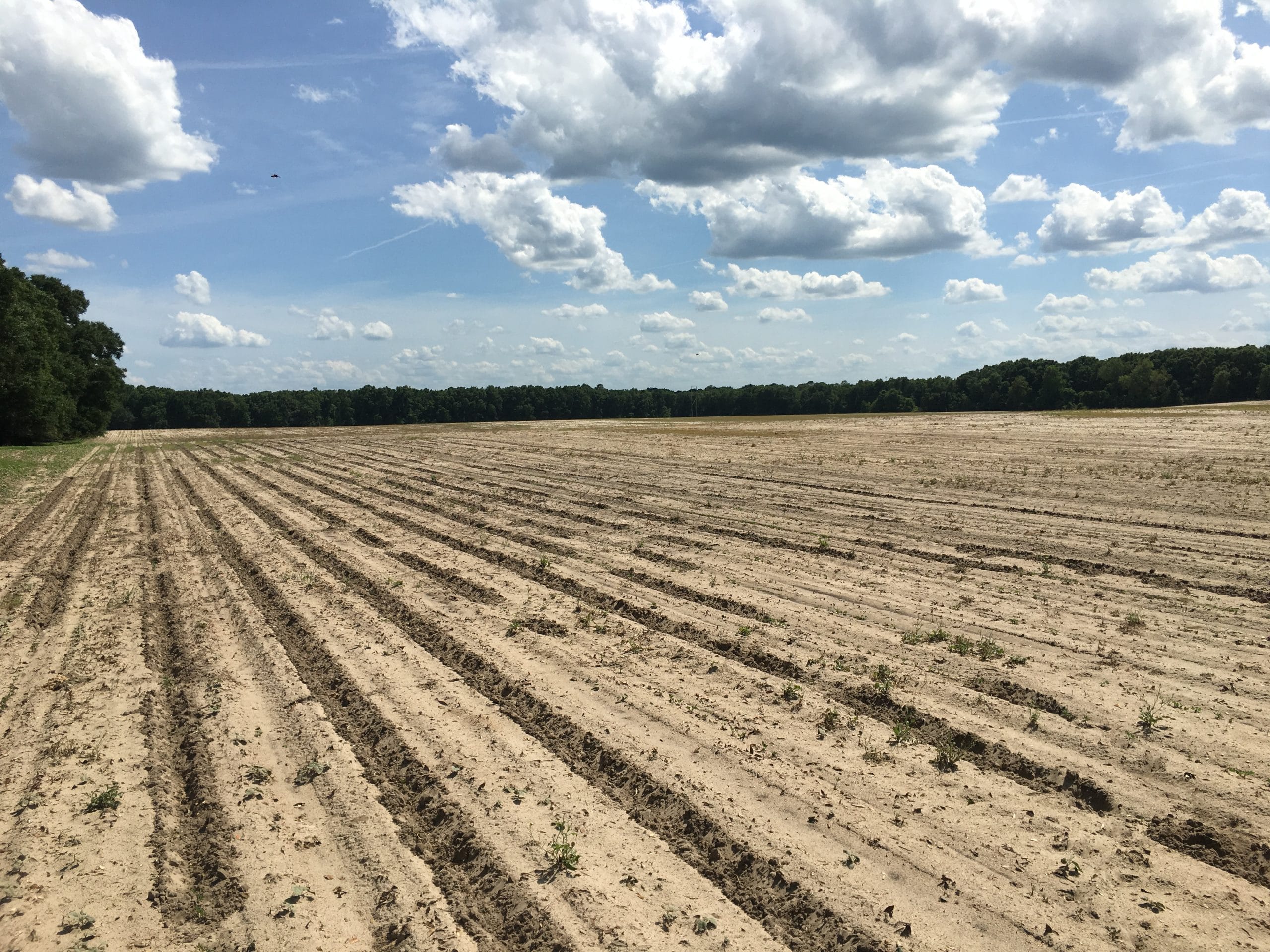
Large Scale Solar Site in Columbia County, Florida
ESE conducted a Phase I Environmental Site Assessment (ESA) for a proposed large-scale solar installation in Columbia County, Florida.
Frequently Asked Questions About Environmental Audits
What is an environmental audit, and how does it differ from a Phase I ESA?
An environmental audit is a systematic, documented evaluation of a site’s or organization’s compliance status, management systems, and environmental risk controls. Unlike a Phase I ESA (which is designed for property due diligence and CERCLA “All Appropriate Inquiries”), an environmental audit is typically operations- and compliance-focused, evaluating permits, programs, records, and field conditions to confirm whether the facility is meeting applicable requirements (and where it isn’t). Common audit types include compliance audits (air, stormwater, wastewater, industrial waste, SPCC, hazardous waste, EPCRA, TSCA, etc.), management system audits (program implementation, training, documentation, internal controls), transaction/lender audits (targeted compliance verification in parallel with due diligence), and EHS audits (integrated environmental, safety, and industrial hygiene, depending on scope).
When is an environmental audit needed or advisable?
Environmental audits are not “one-size-fits-all required,” but they are frequently requested or strongly advisable in several common scenarios. They are often used during acquisitions or divestitures when a buyer needs operational compliance confidence beyond a Phase I ESA, or during lender underwriting for industrial and higher-risk properties such as manufacturing facilities, oil and gas assets, terminals, recycling operations, or sites with chemical handling. Environmental audits can also help facilities prepare for EPA, TCEQ, municipal pretreatment, or stormwater inspections, and they are valuable after incidents or near-miss events such as spills, notices of violation, citizen complaints, or reportable releases. For portfolio owners, audits provide a consistent compliance baseline across multiple Texas sites, while new management teams may use them to quickly understand risk after operational changes, expansions, or staffing turnover.
What are the risks of skipping an environmental audit or doing a superficial one?
Skipping an environmental audit (or doing a superficial one) commonly leads to unplanned compliance costs (late reports, missing plans, expired permits, inadequate BMPs), deal friction (re-trades, escrow demands, extended diligence, lender conditions), operational interruptions if deficiencies are discovered during inspections instead of on your timeline, enforcement exposure (NOVs, penalties, mandated corrective actions), and reputational risk for organizations with ESG, investor, or community sensitivity.
What does ESE Partners' environmental audit process look like?
ESE Partners conducts environmental audits to support deal velocity and defensible risk decisions without overcalling issues or burying teams in academic checklists — providing practical audit scopes aligned with the business objective, Texas-first regulatory insight reflecting both TCEQ program requirements and how they’re enforced in practice, clear severity ranking, and action-ready deliverables such as corrective action plans that identify owners, timelines, and documentation needs. The process includes: scope definition and data request (permits, plans, manifests, DMRs, SWPPP, SPCC, training, EPCRA, waste determinations, etc.); pre-audit desktop review (permit limits, reporting history, known constraints); site visit and interviews (field verification of systems and practices); records and program conformance check (what exists, what’s missing, what’s outdated); findings classification (critical/high/moderate/low; compliance vs. best practice); a corrective action plan (CAP) with prioritized steps and realistic timelines; and optional closeout support (training, plan updates, agency response support, re-audit). If the audit may involve potential self-disclosure or privilege strategies, ESE recommends aligning scope, documentation, and communications with legal counsel early in the process.