
Aggregate Industry Environmental Consulting
Compliance-driven environmental solutions for quarry and aggregate operations
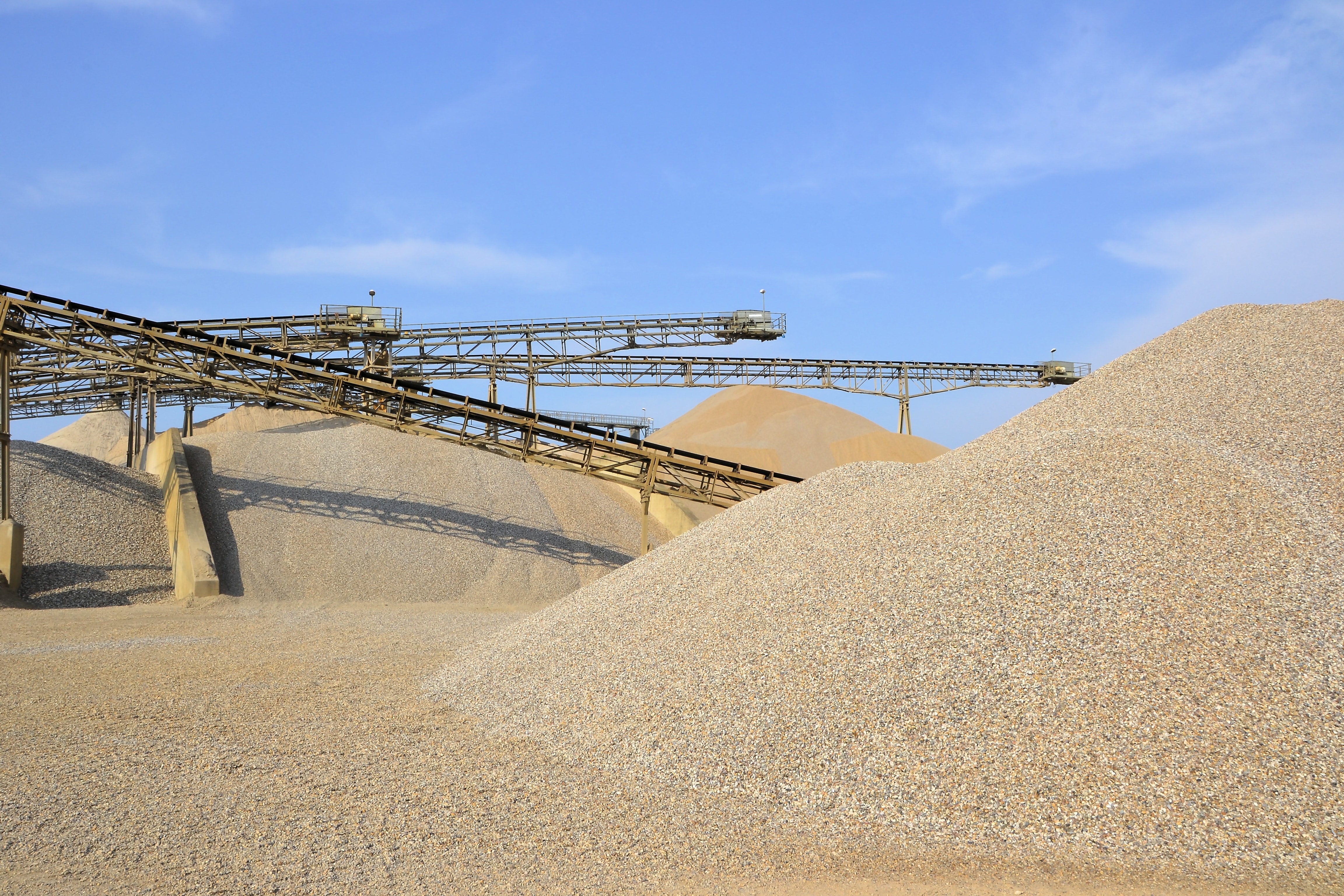
Our Role in the Aggregate Industry
The aggregate industry, covering crushed stone, sand and gravel, lightweight aggregate, and specialty mineral operations, operates under one of the most layered environmental regulatory frameworks in the industrial sector. Air quality rules, fugitive dust controls, stormwater management, water quality standards, and land reclamation requirements all overlap across every level of government.
For quarry and pit operators, this overlap can stall permitting timelines and disrupt daily operations. Left unaddressed, it can also lower transaction value during a sale or acquisition.
ESE Partners provides environmental compliance for aggregates producers and quarry operators, as well as the investors and lenders who back these operations. Day-to-day compliance at an active site calls for different expertise than due diligence on an acquisition. A legacy contamination issue calls for something else again. Our integrated aggregates environmental compliance team provides all these services, bringing the technical depth and regulatory knowledge needed to keep your projects moving forward.
Environmental Challenges in the Aggregate Industry
Every quarry and pit operation faces the same set of environmental pressure points, though each site differs in geology and permitting history. These challenges tend to surface in four places: air quality, water management, land use, and transaction risk. Knowing where they show up ahead of time keeps a project on schedule and a deal on track.
Fugitive Dust and Air Emissions
Crushing, screening, conveying, and haul road traffic generate particulate matter that can trigger air permitting thresholds. Operators often need New Source Review authorization or a Title V permit, and compliance demonstration continues long after approval.


Stormwater and Water Quality
Aggregate facilities must maintain NPDES stormwater permits covering process wastewater and site runoff. Discharge monitoring and best management practices keep operations compliant, backed by a Stormwater Pollution Prevention Plan that stays current as the site changes.
Land Disturbance and Natural Resources
Open-pit operations frequently intersect with jurisdictional wetlands and waterways, as well as nearby sensitive habitats. Section 404 and 401 permitting often follow, and most sites also need biological surveys and a long-term reclamation plan.
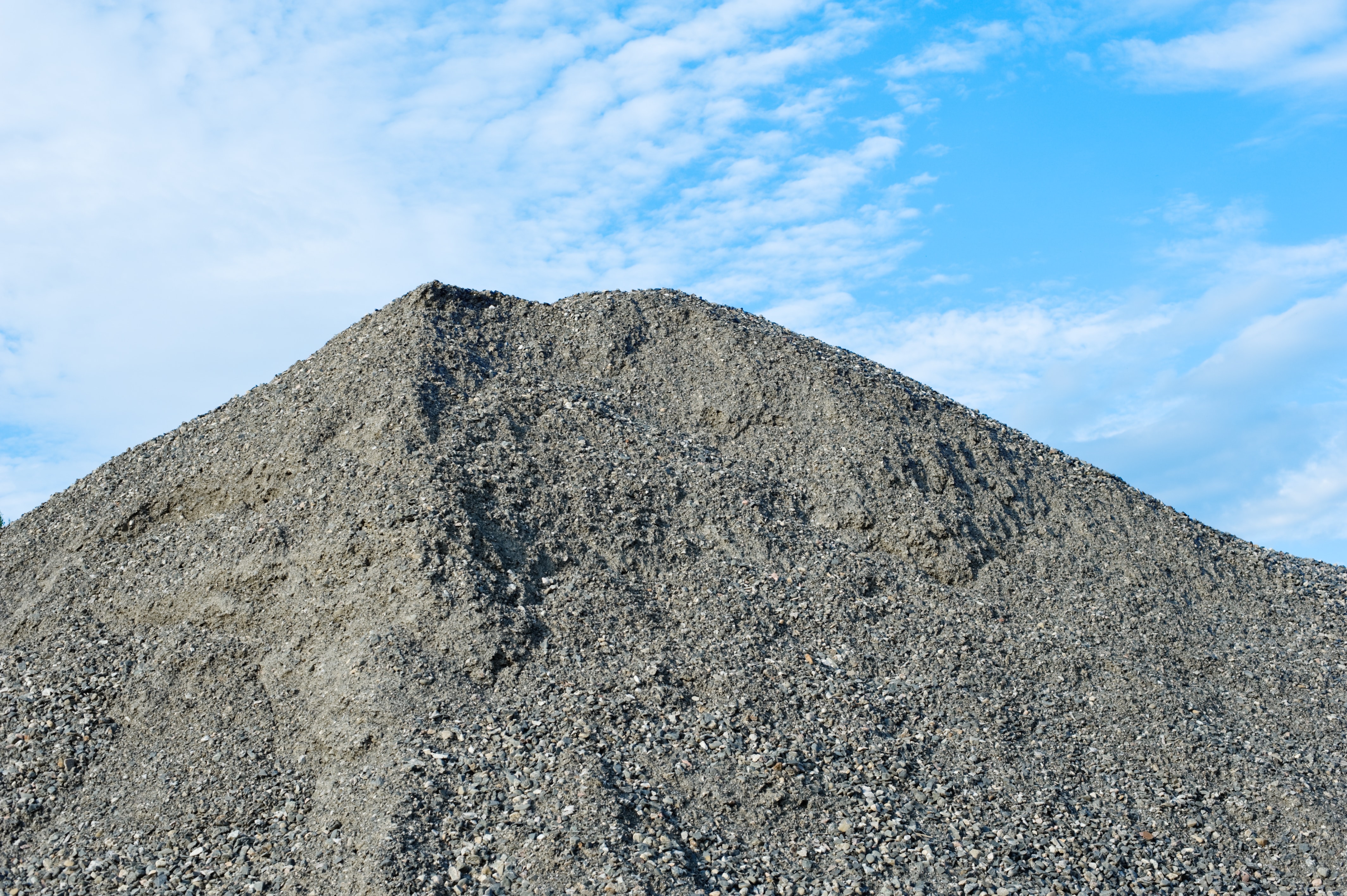

Acquisitions and Asset Transactions
Quarry acquisitions carry environmental liability risk tied to historical operations and fuel storage, as well as any other legacy conditions that remain on site. Buyers and lenders rely on thorough due diligence to protect deal value and limit exposure after closing.
Representatives

Our Services
ESE Partners covers the full scope of environmental compliance for aggregates operations under one roof, from initial permitting through remediation and long-term compliance management. Producers and operators work with one ESE team across every phase of a project, rather than coordinating multiple specialists on their own.

Due Diligence
Early-stage environmental risk identification protects deal value and prevents costly surprises during financing or construction.

Remediation
Site investigation and cleanup services that turn contaminated properties into usable, financeable assets.

Natural Resources
Permitting, wetland delineation, and ecological assessments for energy, infrastructure, and development projects.

Cultural Resources
NHPA Section 106 surveys, monitoring, and mitigation for projects requiring federal or state cultural resource review.

Building Sciences
Asbestos, lead, mold, and indoor air quality assessments for property owners, buyers, and facility managers.

Sustainability
ESG reporting, carbon footprinting, and sustainability strategy tailored to your organization’s growth.

Renewable
Environmental support for solar, wind, and energy storage projects — from due diligence through construction.
Your Aggregates Environmental Compliance Partner
ESE Partners offers the responsive service, technical rigor, and regulatory relationships that aggregate operators need to stay compliant and confidently pursue growth. From a single quarry compliance audit to a multi-site permit program or an acquisition due diligence package, we scale to meet your project.
Frequently Asked Questions About Environmental Compliance for Aggregates
Do aggregate operators need separate permits for MSHA and environmental compliance?
Yes. MSHA oversees worker safety at mine sites, while state and federal agencies handle environmental permits separately, covering air quality and water discharge, plus land disturbance requirements. ESE Partners focuses on the environmental side, working alongside your safety team so both programs move forward without conflicting requirements.
What is financial assurance, and does my quarry need a reclamation bond?
Most states require aggregate operators to post a reclamation bond or other financial assurance before the state issues a permit. This guarantees the site returns to a stable, usable condition if the operation closes. Bond amounts vary widely by state and by the size of the disturbed area, so we help clients calculate accurate estimates and avoid posting more collateral than the project needs.
Why do permitting requirements for aggregate operations differ so much from state to state?
Aggregate mining falls under state-level surface mining and reclamation laws in addition to federal rules such as the Clean Water Act and the Clean Air Act. Each state sets its own bonding and setback rules, along with separate reporting requirements. A permit strategy that works in one state may miss a requirement entirely in the next, which is why we design compliance plans tailored to the specific state and county where a site operates.
Latest Insights

Why Early Environmental Compliance Planning Reduces Project Delays and Cost Overruns in Texas
See why early environmental planning has gone from a nice-to-have to a must-have for Texas projects.

Texas Growth, Environmental Complexity, and the Role of Integrated Consulting in Moving Projects Forward
Discover how integrated consulting helps Texas projects manage the wider range of environmental considerations they face.

From Subsurface Conditions to Site Closure: How Field Data Drives Effective Environmental Remediation in Texas
Get an in-depth look at the way we use field data to manage every step of the remediation process.
Request a Proposal