Remediation starts with understanding what is happening beneath the surface.
In environmental projects, what cannot be seen often has the greatest impact on outcomes. Subsurface conditions—soil composition, groundwater impacts, contaminant migration, and historical site use—form the foundation for every remediation decision that follows. Without a clear understanding of these conditions, cleanup strategies can become inefficient, overly conservative, or misaligned with regulatory expectations.
That is why field investigation is such a critical first step.
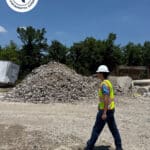
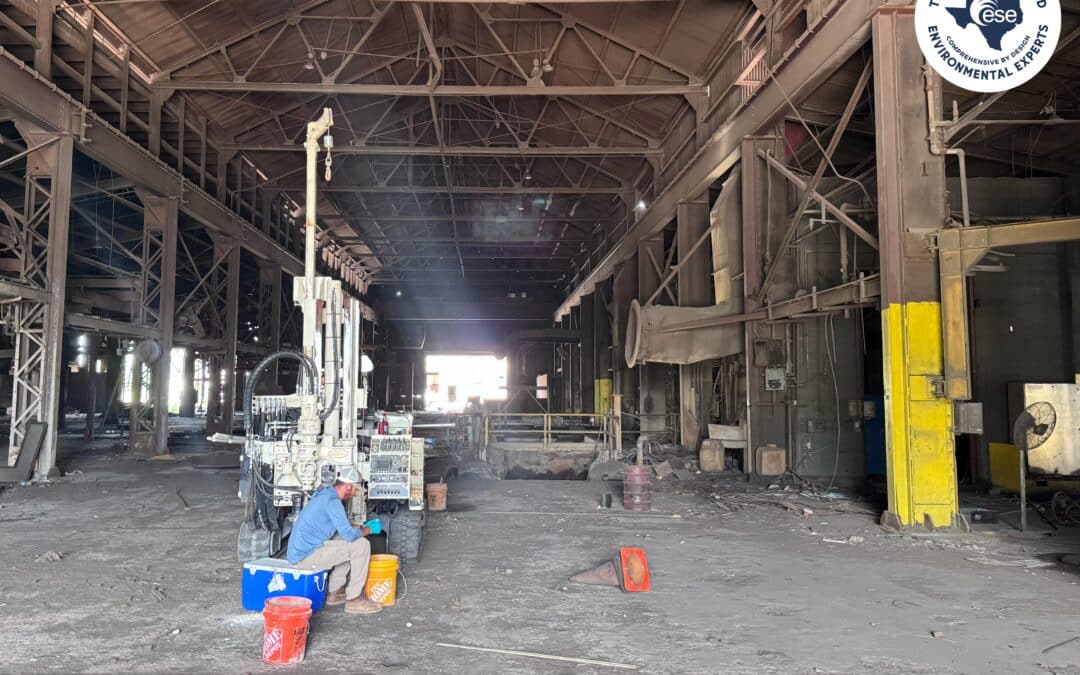
Across Texas, environmental field teams are frequently deployed to gather the data needed to characterize site conditions with accuracy and confidence. These efforts may include soil sampling, groundwater monitoring, delineation activities, and other forms of site investigation designed to build a complete picture of environmental impact.
Once collected, this information becomes the basis for everything that follows: assessing risk, defining cleanup approaches, establishing compliance pathways, and planning for future site use.
Whether a site is in the early stages of investigation or actively undergoing remediation, every data point gathered in the field contributes to a clearer path forward. It helps determine where impacts are present, how far they extend, and what level of action is required to move the site toward regulatory closure.
Equally important, strong field data reduces uncertainty. It allows project teams to make informed decisions rather than assumptions, improving both efficiency and effectiveness throughout the remediation process.
At ESE Partners, our environmental teams support clients across Texas through every phase of remediation—from initial site investigation through active cleanup and closure. By focusing on accurate field data collection and practical interpretation, we help translate subsurface conditions into actionable next steps that support compliance and long-term site success.
In remediation, progress begins with understanding. And understanding begins in the field.