

Why Early Environmental Planning Is Critical for Renewable Energy Permitting Success
Renewable energy development is accelerating across Texas and the United States, but permitting delays remain one of the most persistent challenges. These delays are rarely caused by a single issue. Instead, they often result from a combination of environmental constraints, seasonal survey timing, and agency coordination requirements that become more complex when identified late in the process. Early environmental planning helps reduce uncertainty and keep projects moving forward.

Corrective Action Is a Signal: Why Most Project Issues Start Long Before They’re Visible
Corrective action is often viewed as a response to a problem, but in infrastructure development it usually signals something earlier in the project lifecycle has already drifted. Misalignment between field conditions, documentation, permitting, and execution rarely appears suddenly. It builds gradually. The key to reducing delays is not faster correction, but earlier detection.
Compliance Is Not Paperwork: Why It’s Really Schedule Protection on Texas Projects
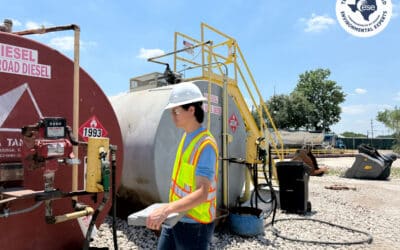
On Texas projects, environmental compliance is often treated as documentation, but its real function is far more practical. Strong compliance planning protects schedules, reduces field disruptions, and prevents costly delays that occur when regulatory requirements are discovered too late. When compliance is integrated from day one and verified in the field, projects move more efficiently from mobilization to closeout.
Why Understanding Texas Landscapes Early Leads to Better Project Outcomes
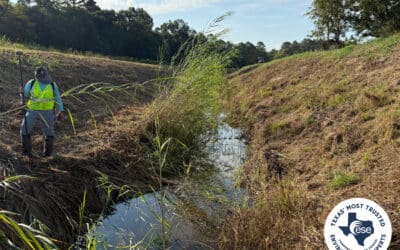
Every project begins with the land, and that land is doing more than simply providing a place to build. Across Texas, natural systems influence how water moves, where wildlife lives, and how environmental regulations apply to development. Recognizing these conditions early in project planning helps reduce risk, improve decision-making, and keep projects moving forward with greater certainty.
Brownfields and Renewable Energy: How Environmental Due Diligence Can Support Project Incentives
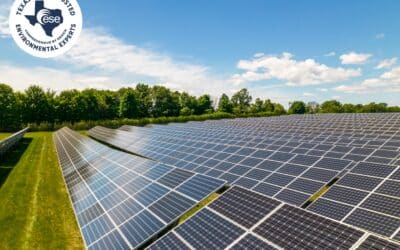
As renewable energy development expands across the United States, developers are increasingly evaluating brownfield properties for solar, wind, and battery energy storage system (BESS) projects. Beyond the benefits of redeveloping previously impacted land, qualifying projects may also be eligible for valuable federal tax incentives. Environmental due diligence plays an important role in helping developers evaluate site conditions, navigate regulatory requirements, and document eligibility throughout the development process.
Why Environmental Compliance Is Essential for TWDB-Funded Water Infrastructure Projects
Securing funding through the Texas Water Development Board (TWDB) is a major milestone for water and wastewater infrastructure projects, but funding is only one step in the process. Many TWDB programs require Environmental Information Documents (EIDs), Environmental Affidavits, and other environmental reviews to demonstrate compliance with the National Environmental Policy Act (NEPA). Completing these requirements early can help keep projects on schedule and reduce delays during agency review.