

If Projects Could Talk: Why Timing Shapes Environmental Risk More Than Complexity
Many project delays are not caused by major environmental problems. They happen because uncertainty surfaces later than expected, when schedules are tight and options are limited. Understanding environmental risk earlier in the lifecycle changes outcomes dramatically.

Why Environmental Strategy Is Like Project Navigation
Starting a project without understanding environmental constraints is like beginning a road trip without directions. Early planning provides clarity, reduces risk, and helps teams reach their destination more efficiently.

Consistency Is the Real Competitive Advantage in Environmental Performance
Olympic athletes achieve success through years of disciplined preparation and consistent effort. Environmental performance follows a similar pattern, where steady compliance, proactive planning, and long-term risk management create stronger outcomes for projects and organizations.

Information Is Leverage: How Environmental Due Diligence Influences Real Estate Negotiations
Environmental due diligence is often viewed as a risk-identification exercise, but in practice, it can directly influence transaction structure, pricing, and redevelopment strategy. When performed early, environmental insight becomes negotiation leverage that protects long-term project value.
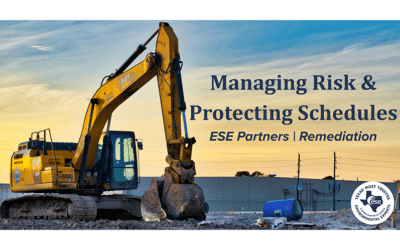
Corrective Action in Texas: Why the First 30 Days Matter Most
Discovering contamination on a property does not automatically jeopardize a Texas project. The real impact often depends on how corrective action is structured in the first 30 days, where regulatory alignment and strategic decision-making shape long-term cost and schedule outcomes.

Did You Know? Endangered Species Review in Texas Starts with Habitat
Many Texas project teams assume endangered species review only applies if a species is observed onsite. In reality, suitable habitat conditions alone can trigger federal coordination under the Endangered Species Act.