

Project Overview
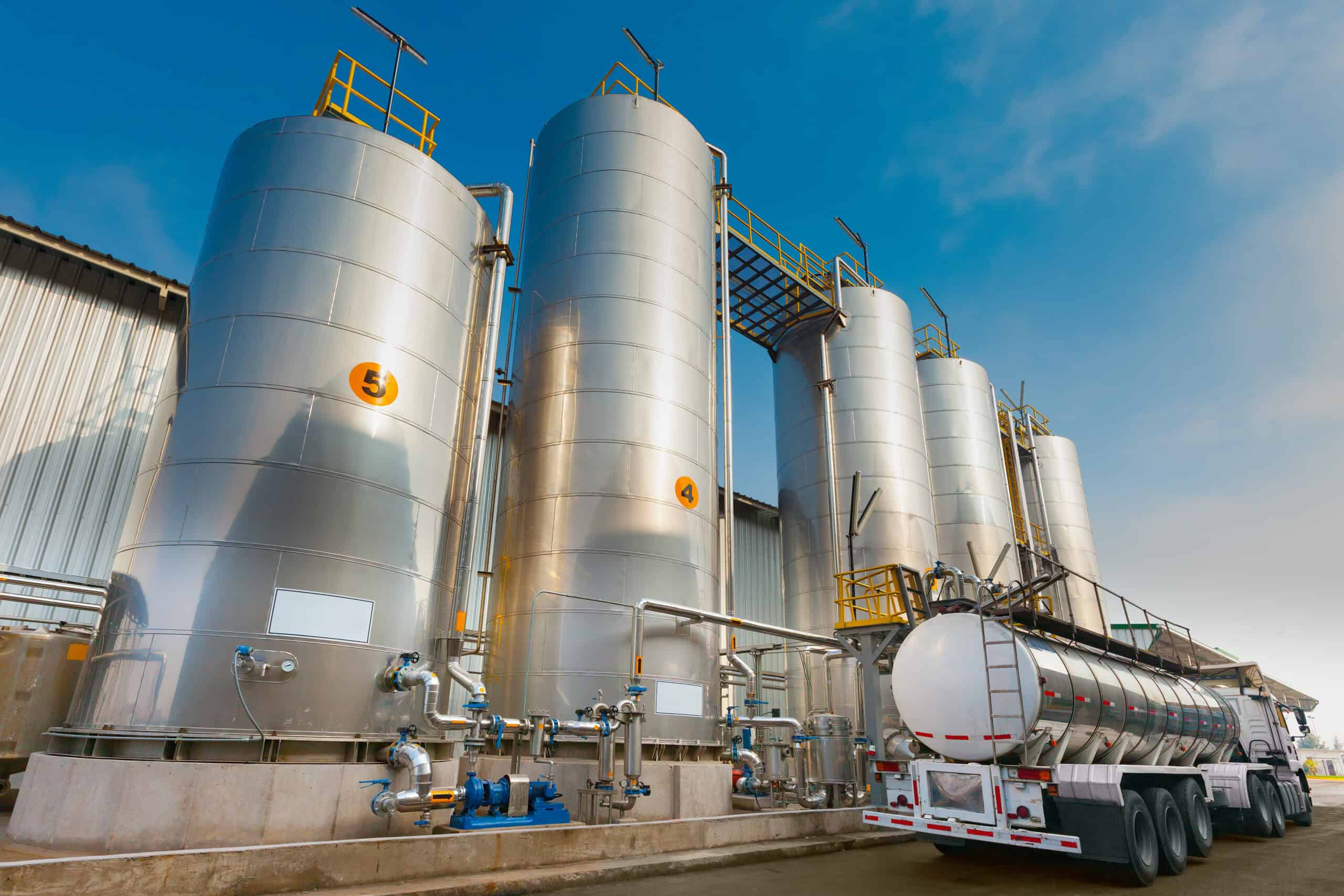
A bulk liquid storage and transfer operator sought to launch a new ethanol transloading operation involving rail-to-truck transfers using closed-loop loading. To initiate operations efficiently and remain compliant with Texas air regulations, the operator engaged ESE Partners to complete an Air Permit by Rule (PBR) authorization for the facility.
The project required a detailed assessment of emissions, verification of rule applicability, and coordination with the Texas Commission on Environmental Quality (TCEQ) to secure acceptance of the authorization package.
Client Challenge
The client was expanding operations to include high-throughput ethanol transfers and needed:
• Rapid permitting to support startup.
• Verification that emissions met the strict thresholds of PBR § 106.4 and PBR § 106.261.
• A complete set of calculations and supporting documentation suitable for TCEQ review.
• Assistance navigating delivery and acceptance by TCEQ to avoid delays to the operational launch.
The facility’s annual throughput capacity–approximately 27 million gallons per year–required precise emissions modeling to remain within allowable limits.
ESE’s Approach
ESE Partners provided a turnkey compliance solution for the project, beginning with a regulatory applicability evaluation to confirm eligibility for PBR authorization under 30 TAC § 106.4 and § 106.231. The team developed a detailed process description outlining loading rates, system configuration, and equipment layout, followed by VOC emissions modeling using EPA AP-42 Chapter 5.2 methodologies under worst-case loading conditions. ESE also prepared all TCEQ-required forms—including Table 1A, the Core Data Form, the 106.261 Checklist, and supporting documentation—and managed agency navigation by coordinating directly with TCEQ regional and central offices to ensure the submittal was received, reviewed, and accepted without deficiency.
Technical Solution
Using site operational parameters and Texas Commission on Environmental Quality-approved methodologies, ESE completed comprehensive emissions calculations, determining worst-case hourly VOC emissions of 1.86 lb/hr and verifying annual emissions of 0.82 tpy—well below the 10-tpy threshold for Permit by Rule eligibility. The team applied appropriate control and connection efficiencies based on closed-loop bottom loading and U.S. Department of Transportation-driven leak-check requirements, and included full supporting calculations and workbook documentation consistent with the APDG guidance from U.S. Environmental Protection Agency. These evaluations confirmed that the project met all emission and distance limitations required under PBR §106.261.
Rule Compliance Demonstration
ESE documented compliance with all applicable requirements for the project, including verification of distance criteria from neighboring properties, confirmation that emission rates remained below regulatory thresholds, and evaluation of recordkeeping obligations under §106.8. The team also conducted comprehensive federal and state air permitting applicability reviews to ensure full alignment with governing regulations.
Results
Through ESE’s detailed preparation and agency coordination, the facility was successfully authorized under the appropriate Permit by Rule, and TCEQ accepted the submittal without requests for additional information. As a result, the operator received all necessary approvals to move forward with operational startup.
Download the full PDF Here.