Project Overview
ESE completed a Limited Environmental Site Assessment for a commercial property impacted by unauthorized dumping, with the objective of defining the nature and extent of dumped materials and evaluating whether chemicals of concern were present in soil and groundwater in a manner that could trigger corrective action requirements under the Texas Risk Reduction Program.
Challenges
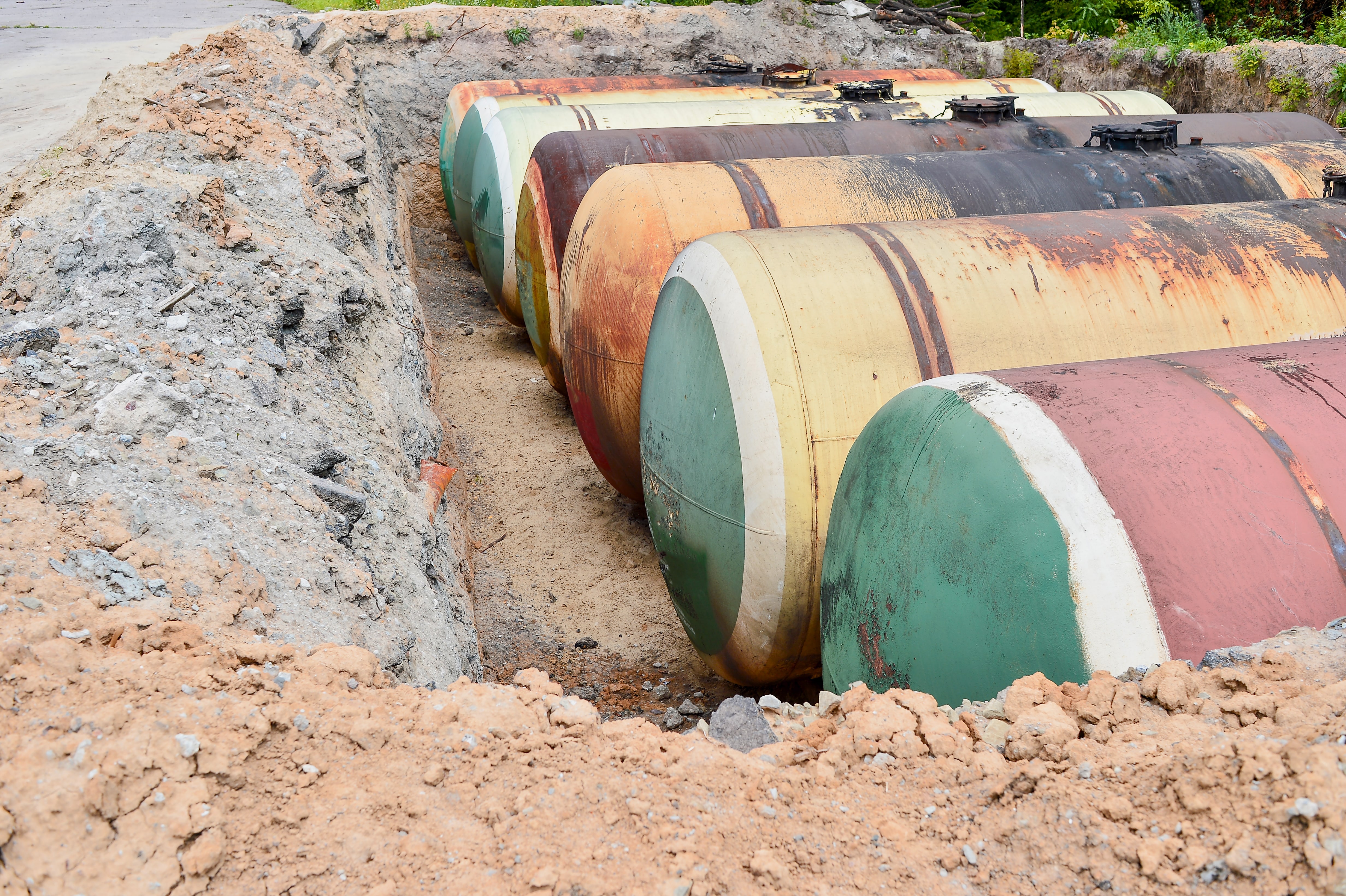
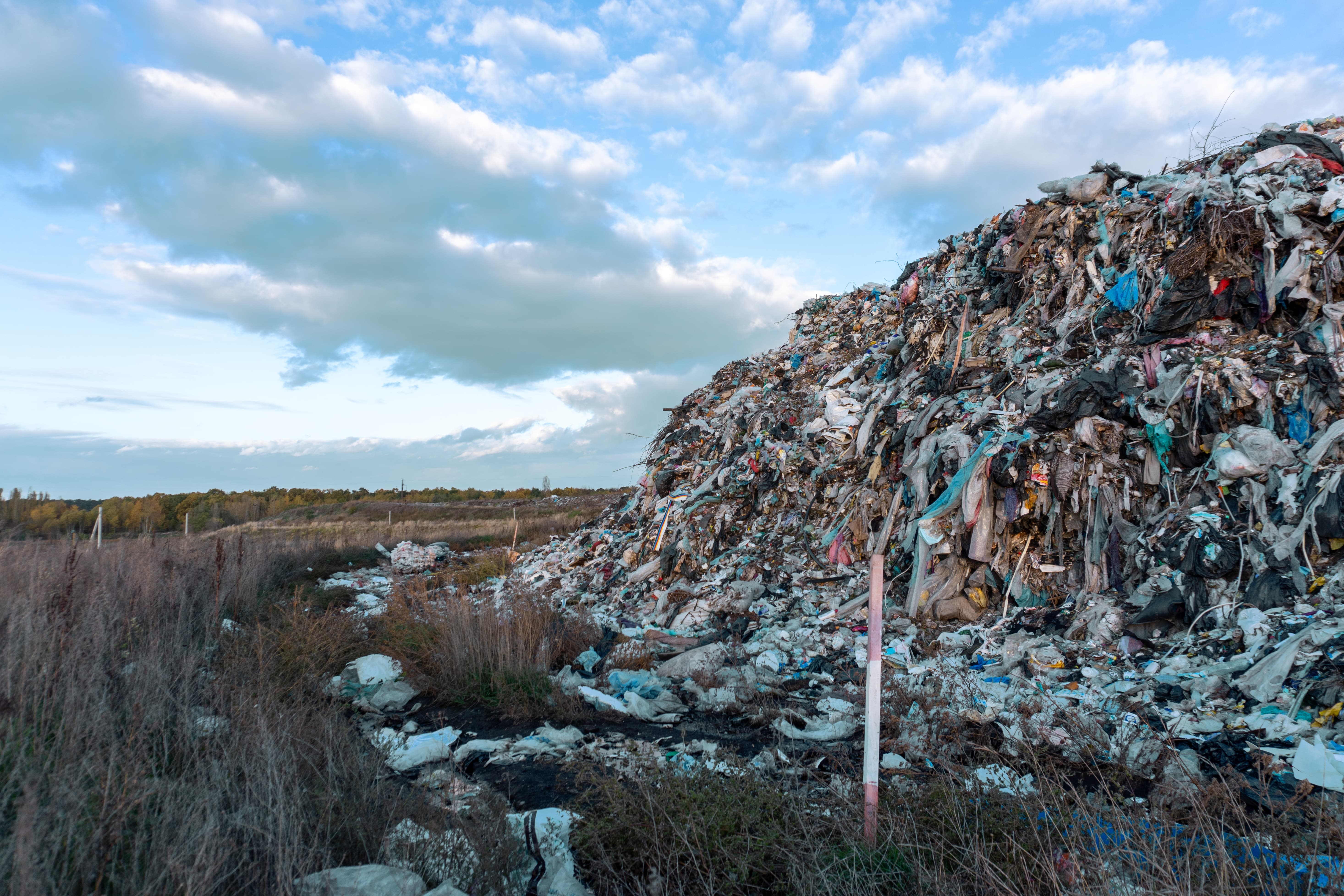
Unauthorized dumping can introduce complex, mixed-waste conditions that require careful characterization to protect human health and support defensible response planning. This project involved evaluating buried and surface debris, potential petroleum and metals impacts, and the presence of asbestos-containing material, while also confirming whether groundwater had been affected downgradient of dumped material.
ESE’s Approach
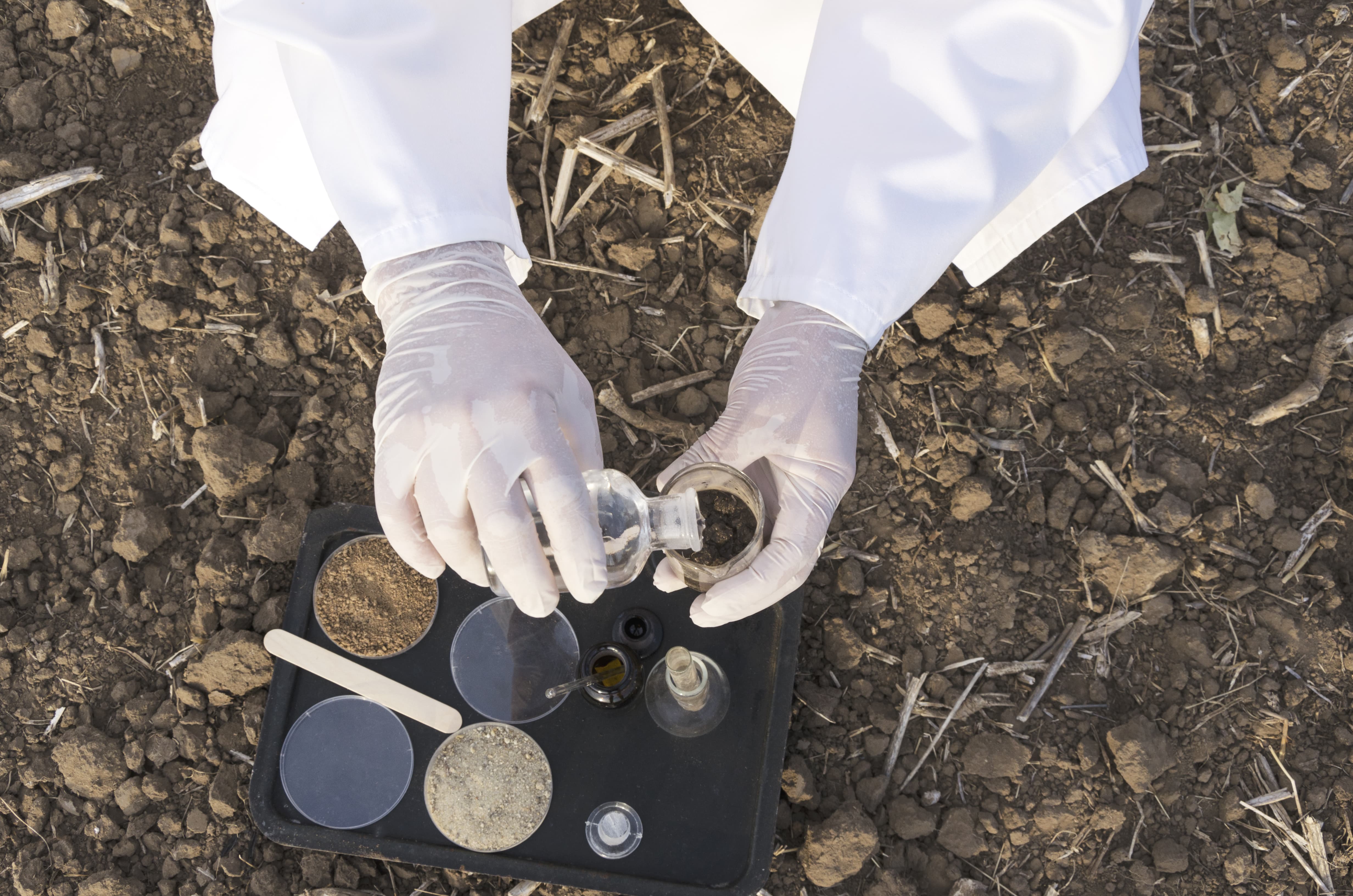
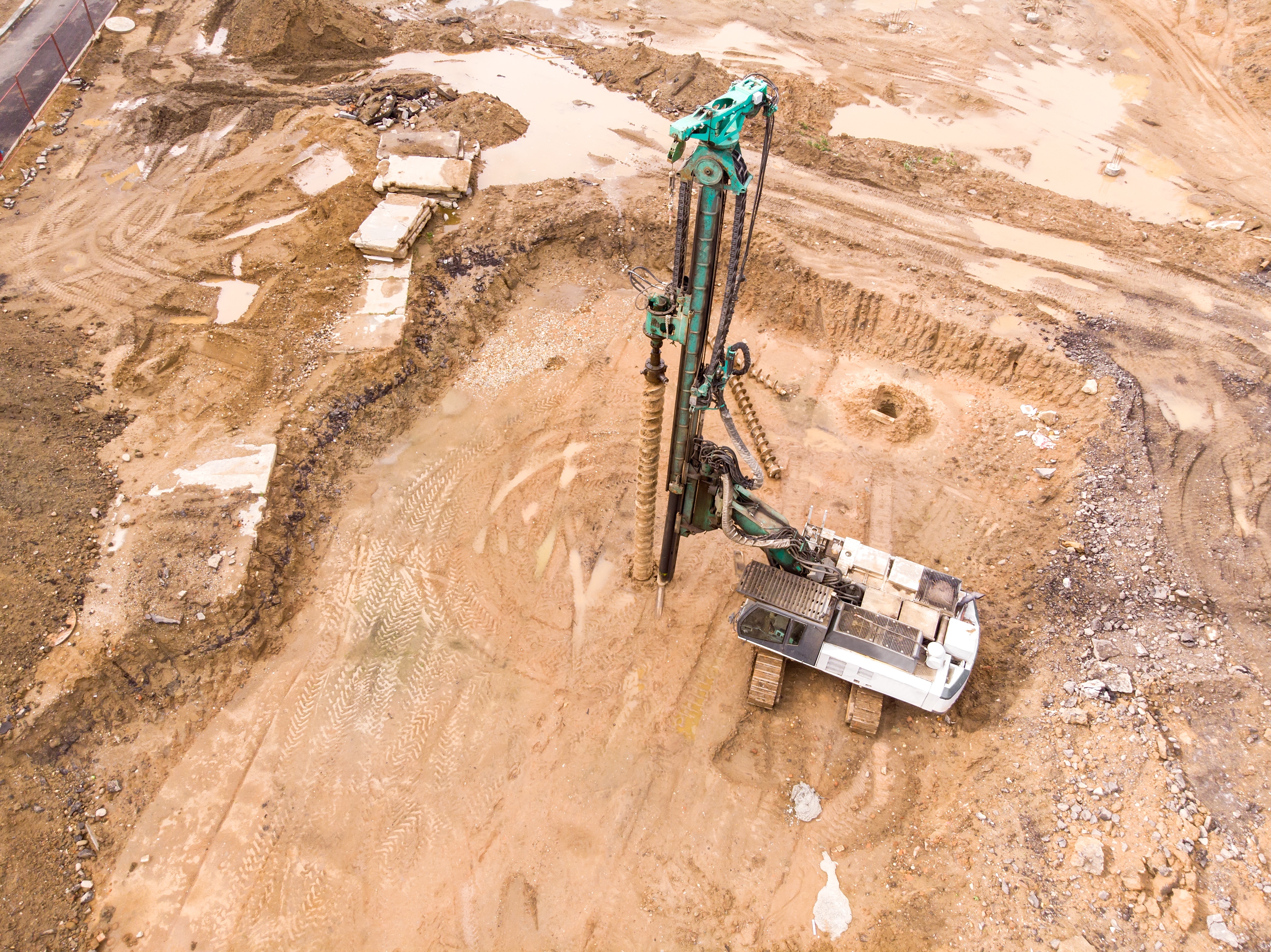
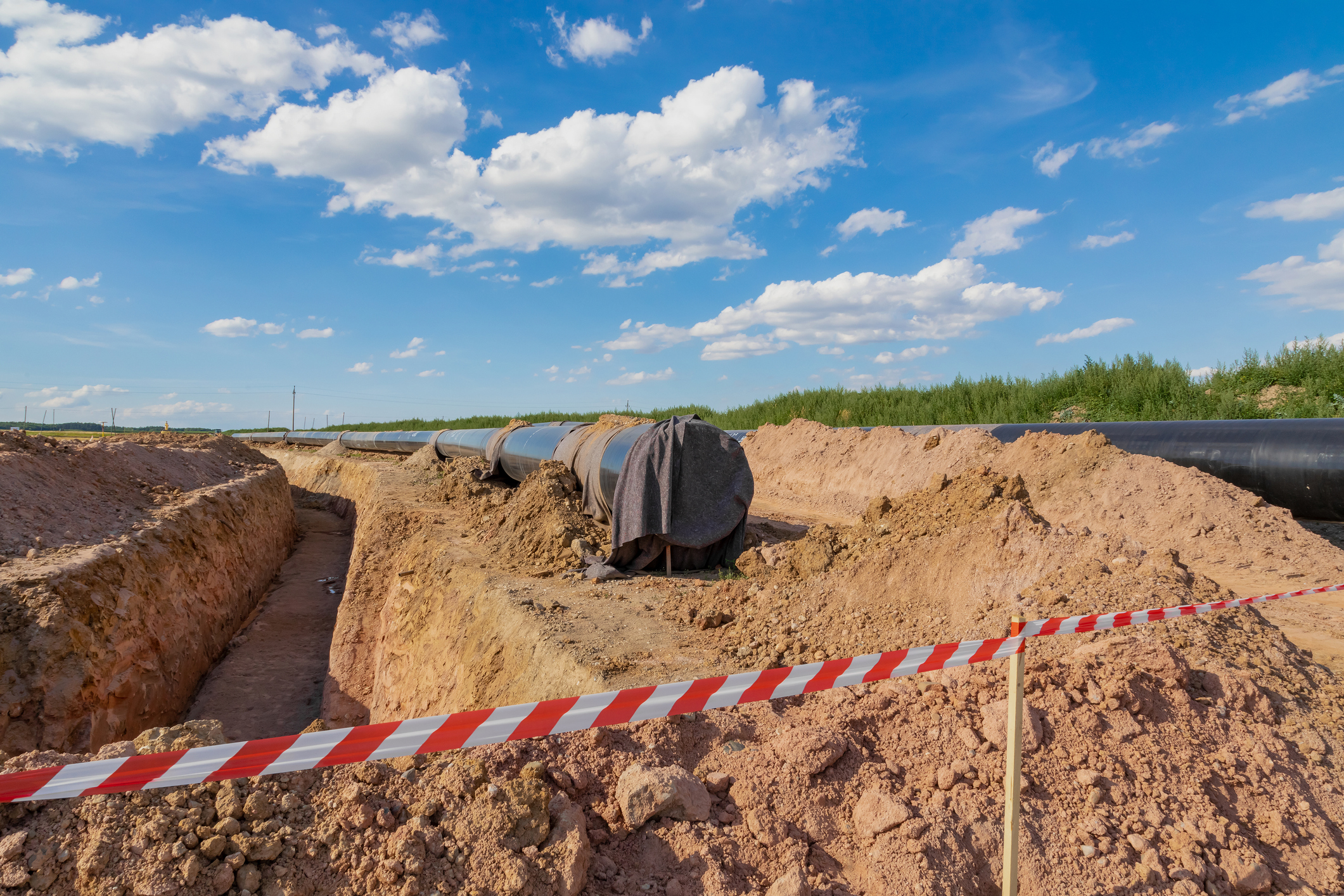
ESE performed field assessment activities over multiple mobilizations that included exploratory trenching and targeted material sampling to evaluate the dumped material and associated soils, followed by groundwater assessment using temporary and permanent monitoring wells to evaluate subsurface conditions and potential migration. Samples were analyzed for a comprehensive suite of constituents including volatile organic compounds, semivolatile organic compounds, total petroleum hydrocarbons, and RCRA metals, and results were evaluated against Texas-specific background concentrations and TCEQ TRRP Tier 1 residential protective concentration levels to support a conservative corrective action framework.
Project Snapshot
- Soil impacts were identified above applicable screening criteria for total petroleum hydrocarbons and multiple metals in areas associated with dumped material
- Groundwater results identified arsenic slightly above the TRRP Tier 1 residential PCL in a monitoring well located in the assumed downgradient direction from buried material
- Two sampled debris materials were confirmed to contain asbestos above the applicable threshold, including both friable and non-friable ACM
- Based on the reported exceedances, the report recommended additional investigation to satisfy affected property assessment requirements under TRRP, including delineation, continued groundwater monitoring, and evaluation of groundwater gradient
Results
ESE delivered a defensible assessment that confirmed the presence of regulated asbestos-containing material within dumped debris and identified soil and groundwater conditions that warrant additional TRRP-focused investigation. The findings established a clear technical basis for next steps, including delineation of impacts, ongoing groundwater monitoring, and development of an appropriate response strategy aligned with corrective action requirements.
Project Impact
Corrective action projects move faster when early assessment clearly distinguishes the drivers of risk and defines what must be addressed to meet regulatory expectations. By combining targeted trenching, groundwater monitoring, and asbestos confirmation into a single, defensible evaluation, ESE helped the project team reduce uncertainty and establish a practical pathway toward TRRP compliance and responsible site management.