Project Overview
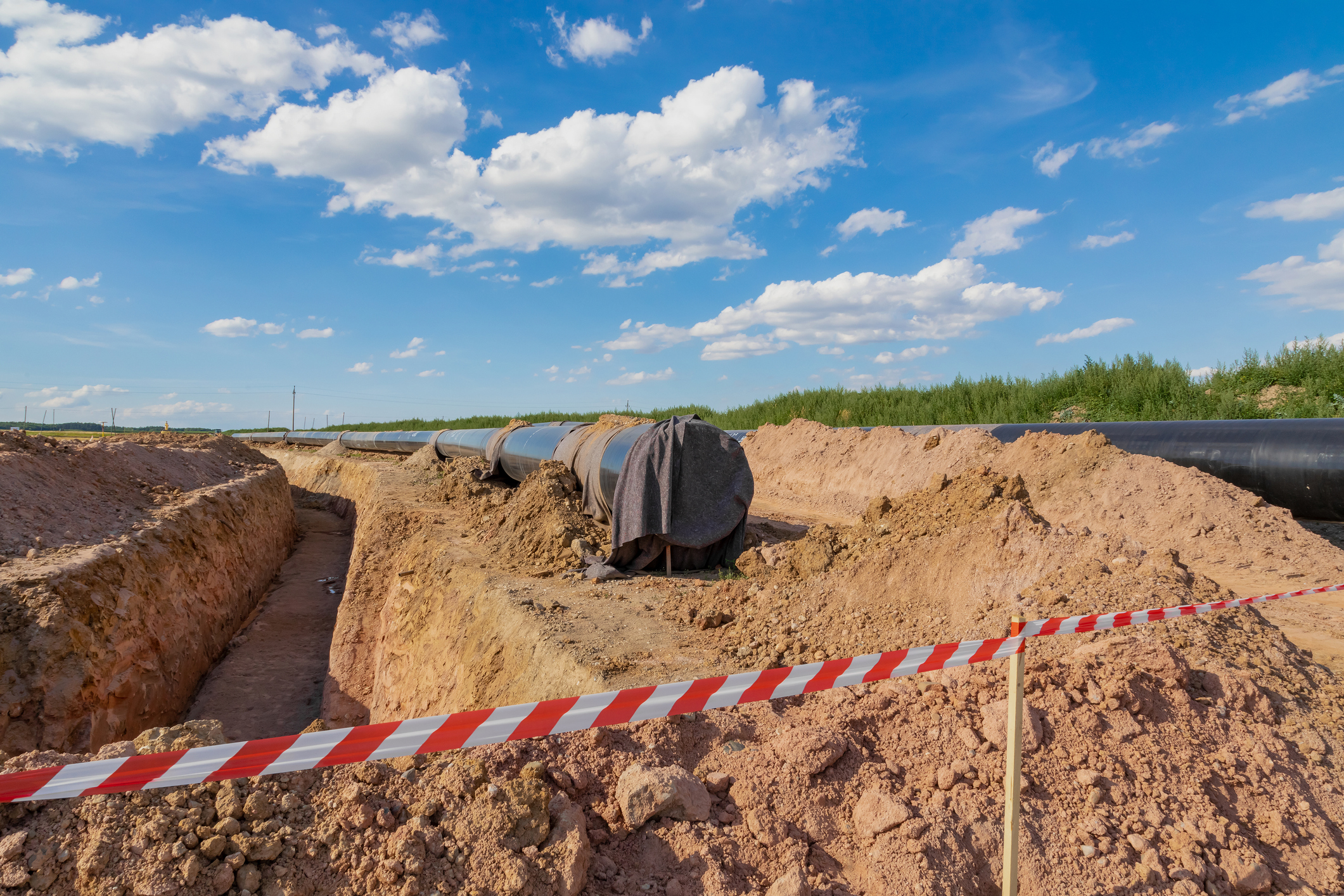
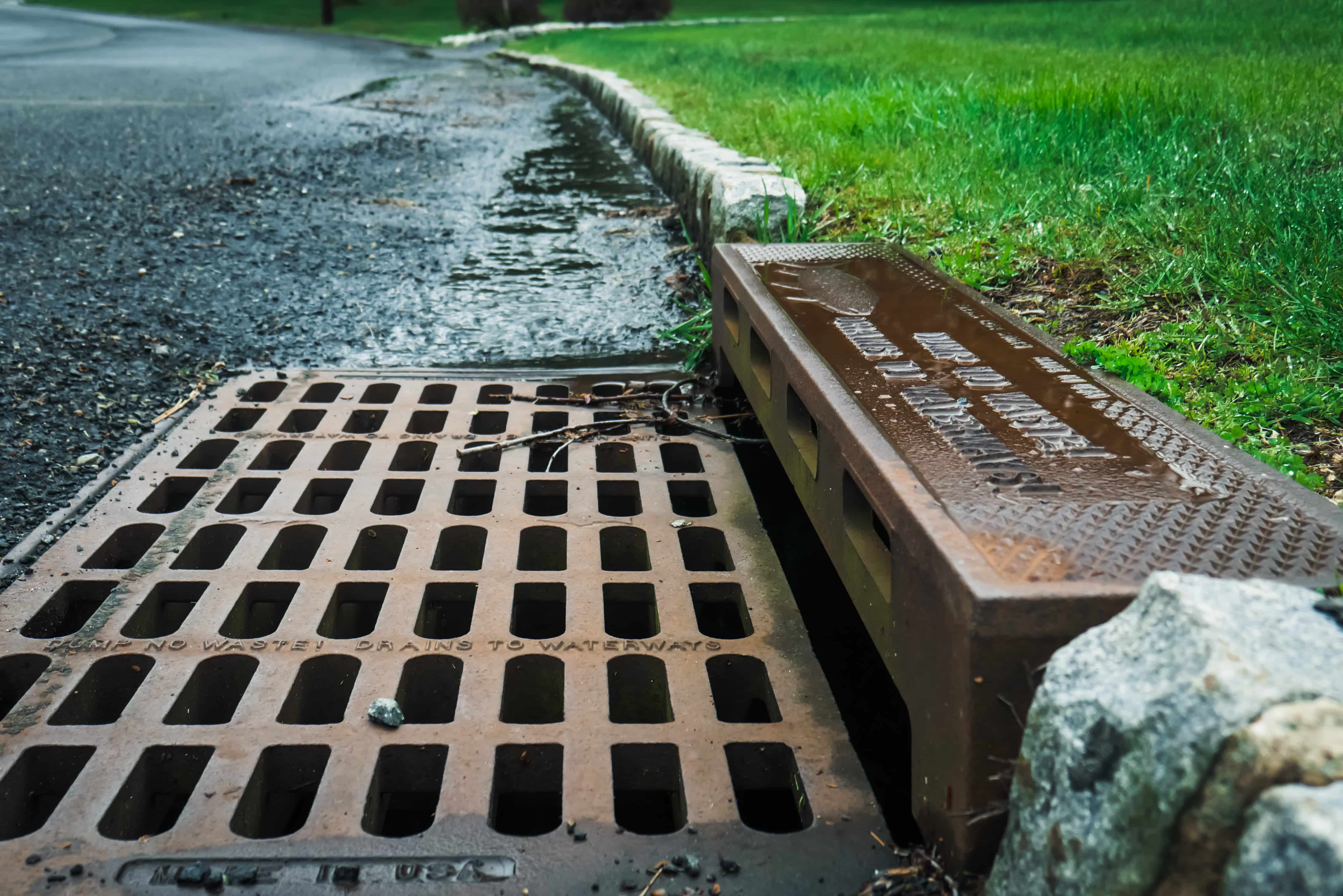
ESE performed a Phase II Environmental Site Assessment to support flood control storm sewer improvements within a transportation corridor, with the objective of evaluating soil and shallow groundwater conditions associated with identified recognized environmental conditions and confirming whether chemicals of concern could affect construction worker exposure pathways or project implementation.
Challenges
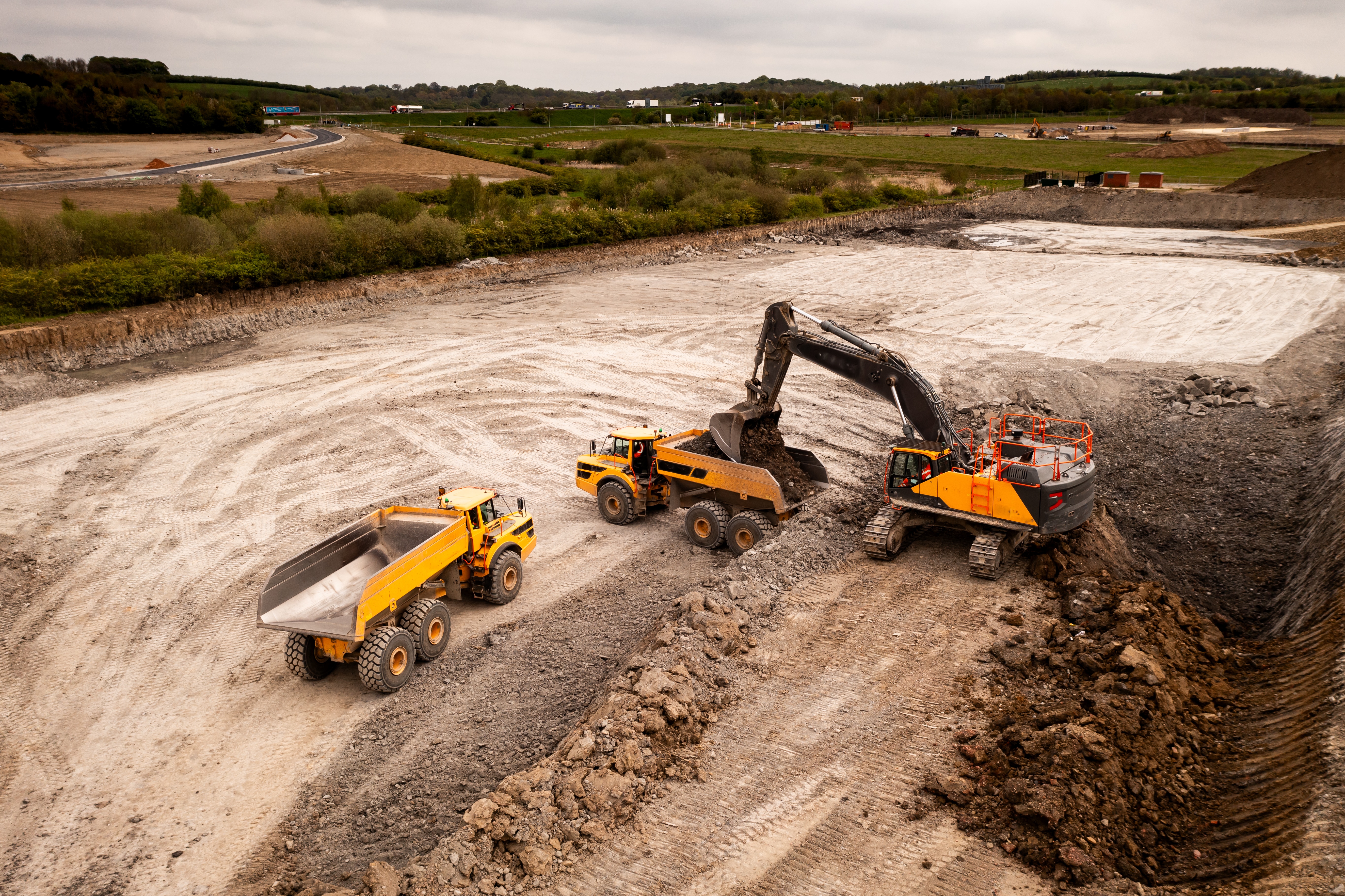
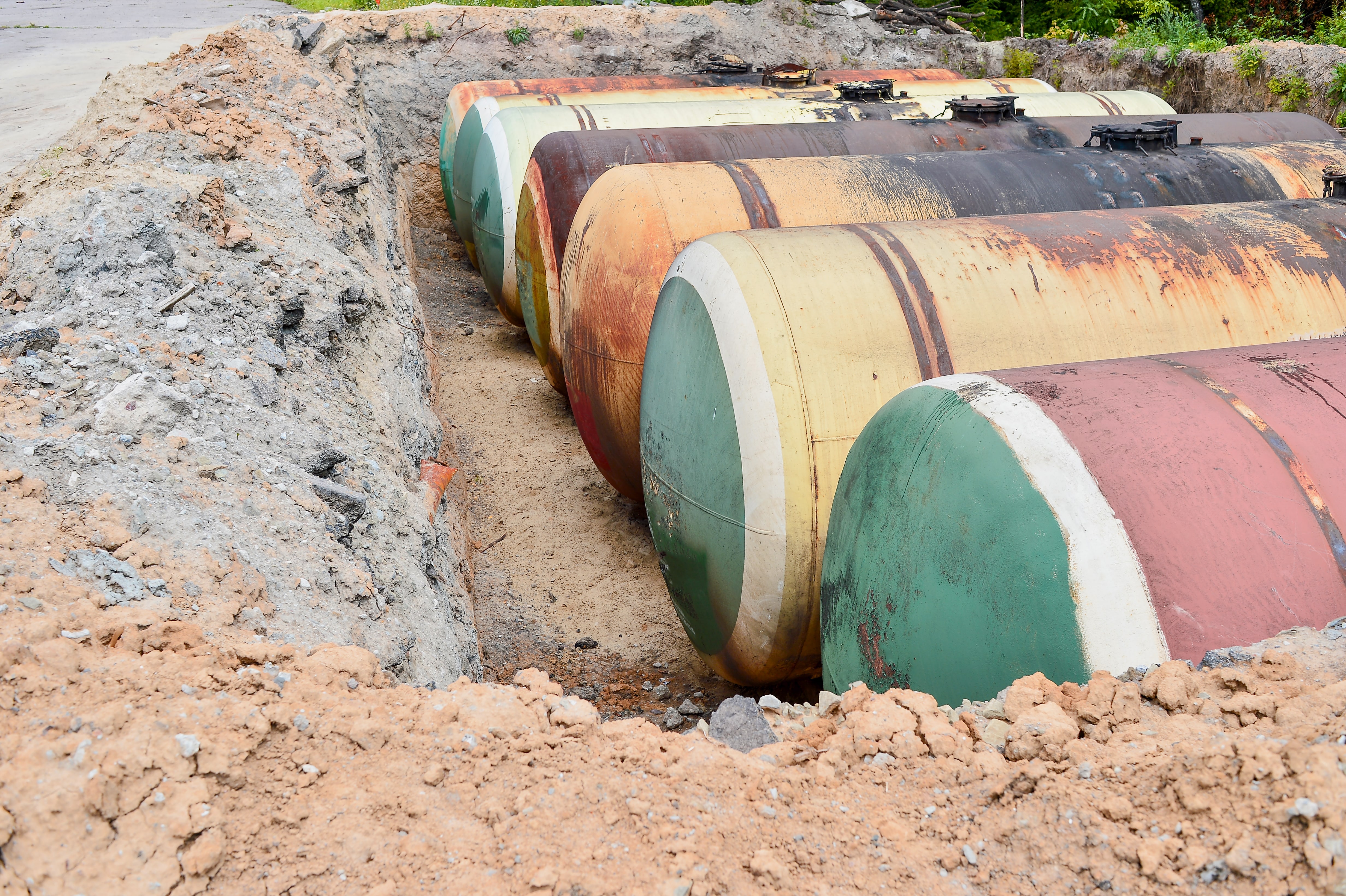
Transportation corridor projects can encounter legacy urban fill and variable subsurface conditions that create uncertainty during excavation and dewatering, particularly when improvements involve open cuts and utility conflicts. This project required a focused investigation that could be executed quickly, produce defensible data, and clearly communicate whether any results warranted special handling or additional corrective action considerations under the Texas Risk Reduction Program.
ESE’s Approach
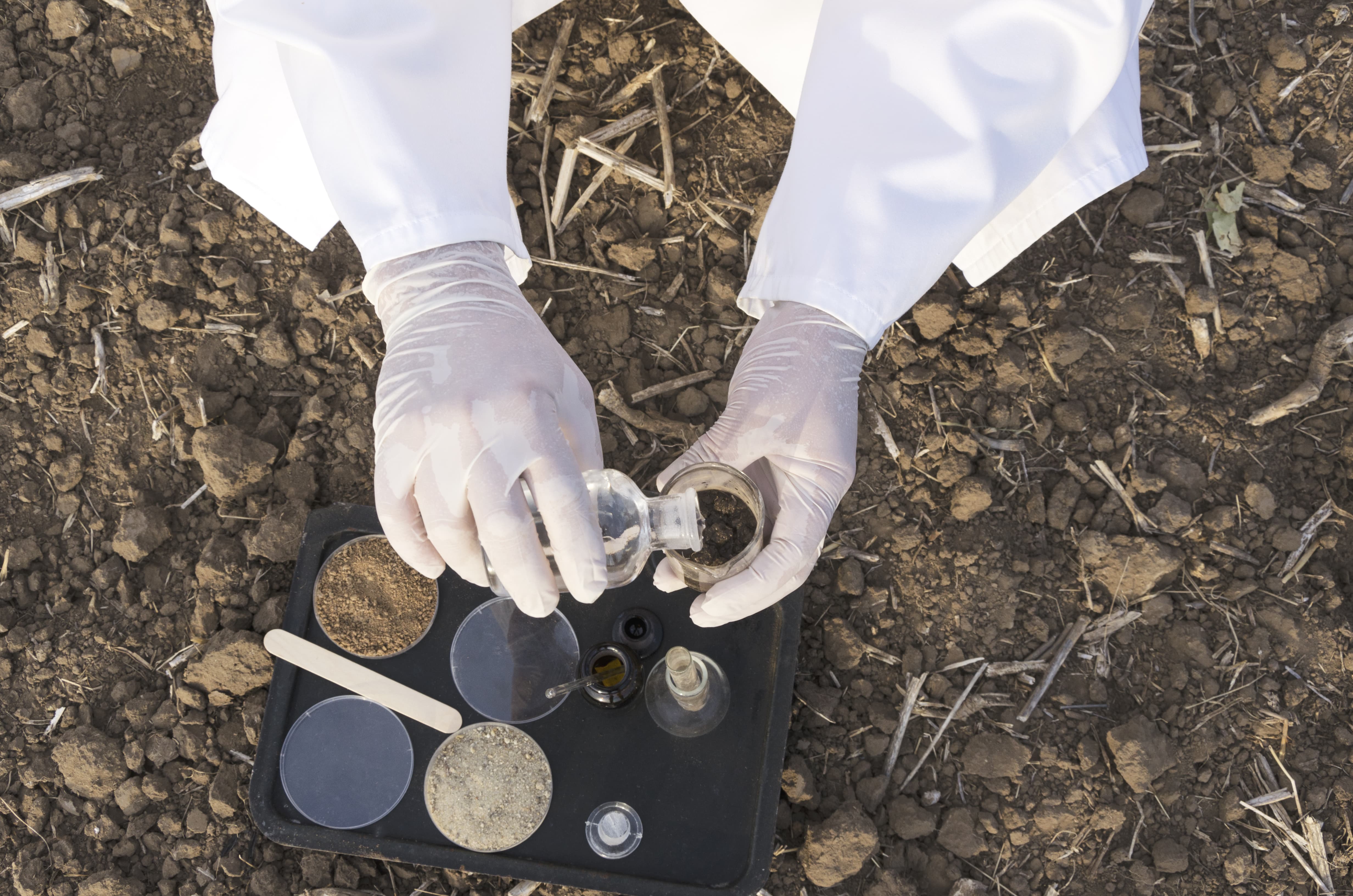
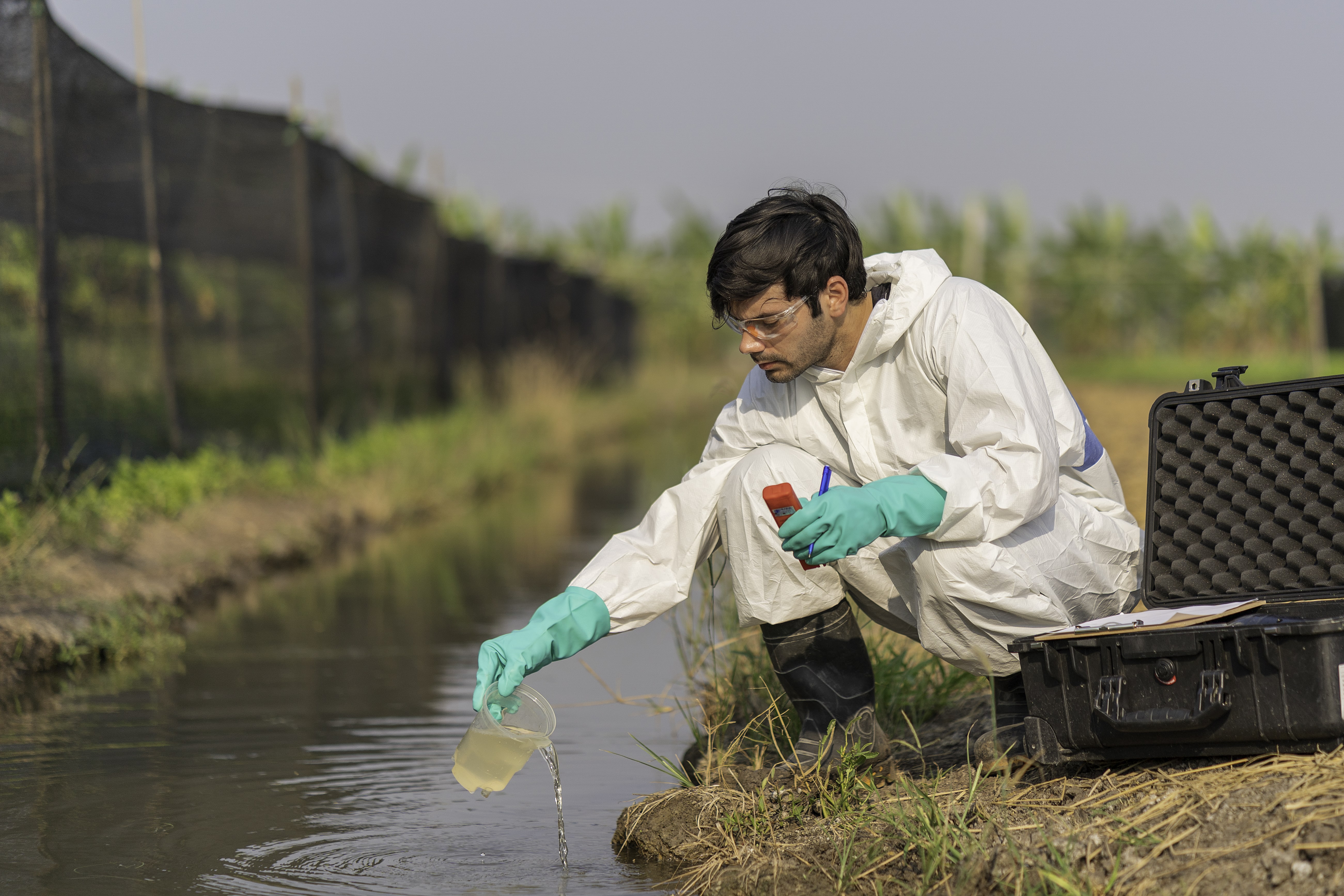
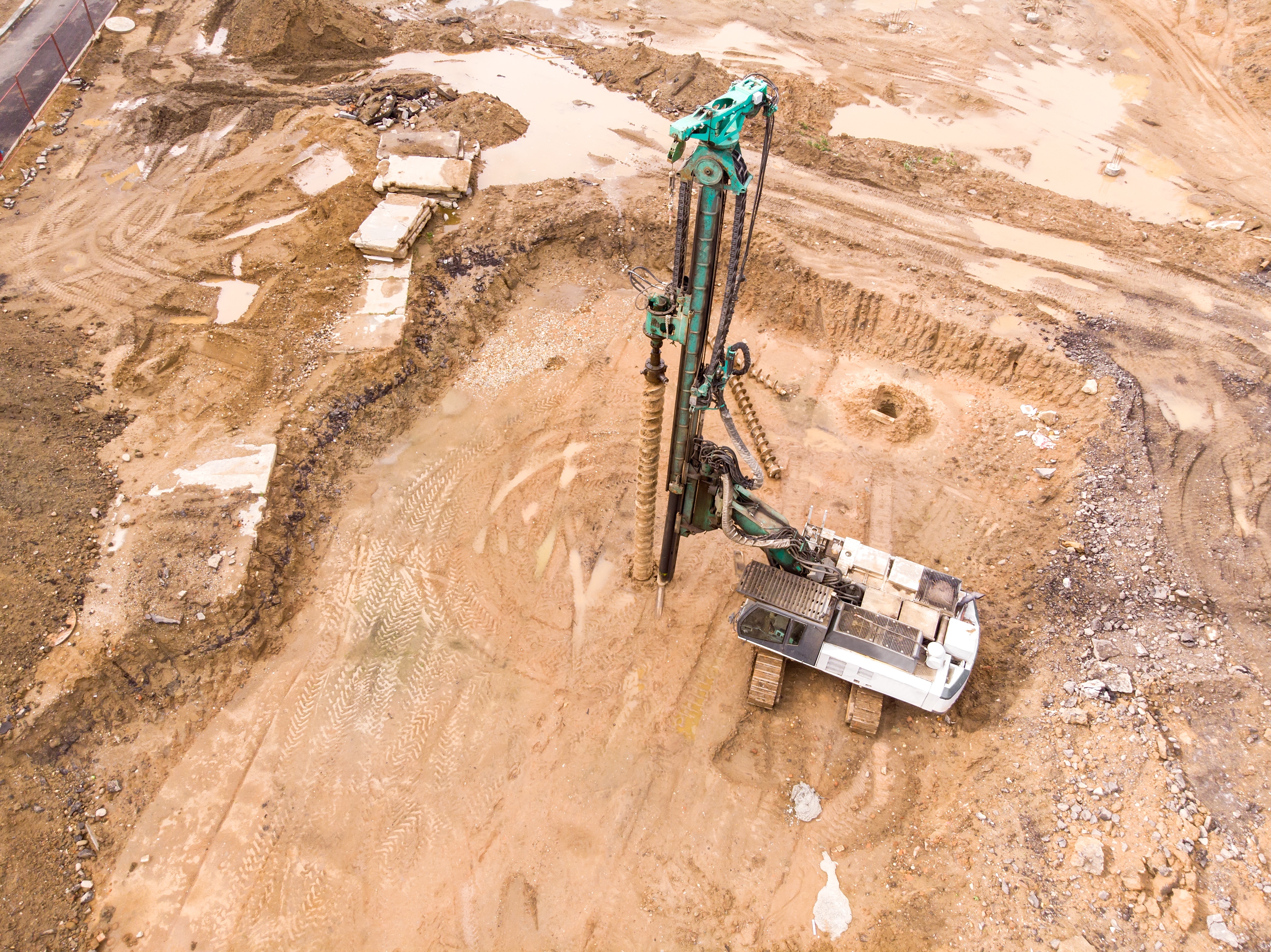
ESE conducted field activities and installed temporary monitor wells using direct-push technology to evaluate subsurface conditions across the improvement area. Soil borings were screened in the field and representative soil and groundwater samples were collected from each location, then compared to Texas-Specific Soil Background Concentrations and TCEQ TRRP Tier 1 Residential Protective Concentration Levels to support a conservative screening evaluation tied to potential exposure pathways.
Key Findings
- Arsenic was detected in select soil samples at concentrations above the applicable Texas-specific background concentration
- Barium was detected in one soil sample above the TRRP Tier 1 Residential critical PCL
- Lead was detected in select soil samples above the applicable Texas-specific background concentration
- Arsenic was detected in one groundwater sample above the TRRP Tier 1 Residential critical PCL
Results
While arsenic, barium, and lead exceeded applicable critical PCLs in select soil samples and arsenic exceeded the critical PCL in one groundwater sample, no chemicals of concern exceeded the TRRP total-soil-combined protective concentration levels that incorporate inhalation, ingestion, dermal, and vegetable consumption pathways. Based on these results, the reported concentrations were not identified as an exposure threat to construction workers or site occupants, and soils and groundwater with exceedances of critical PCLs were recommended for proper handling and management during project activities.
Project Impact
Flood control storm sewer improvements move faster when subsurface risks are identified early and translated into practical construction guidance. By completing targeted temporary well installation and defensible soil and groundwater screening, ESE reduced uncertainty, supported worker-safety planning, and provided clear handling recommendations to keep corridor construction progressing efficiently while aligning with TRRP expectations.