Project Overview
ESE completed a Phase II Environmental Site Assessment for a redevelopment tract to evaluate subsurface conditions and provide the technical basis for a corrective action pathway. The investigation focused on identifying potential environmental liabilities, defining groundwater conditions, and supporting next-step regulatory strategy under the Texas Risk Reduction Program.
Challenge
Redevelopment tracts with historical industrial activity can present overlapping concerns that require clear differentiation between legacy conditions and actionable impacts. In this case, groundwater data indicated chlorinated solvent impacts, including trichloroethylene, requiring evaluation against TRRP standards and consideration of enrollment into an appropriate TCEQ program. The project needed a defensible technical foundation that could support regulatory decision-making and keep redevelopment planning moving without avoidable uncertainty.
ESE’s Approach
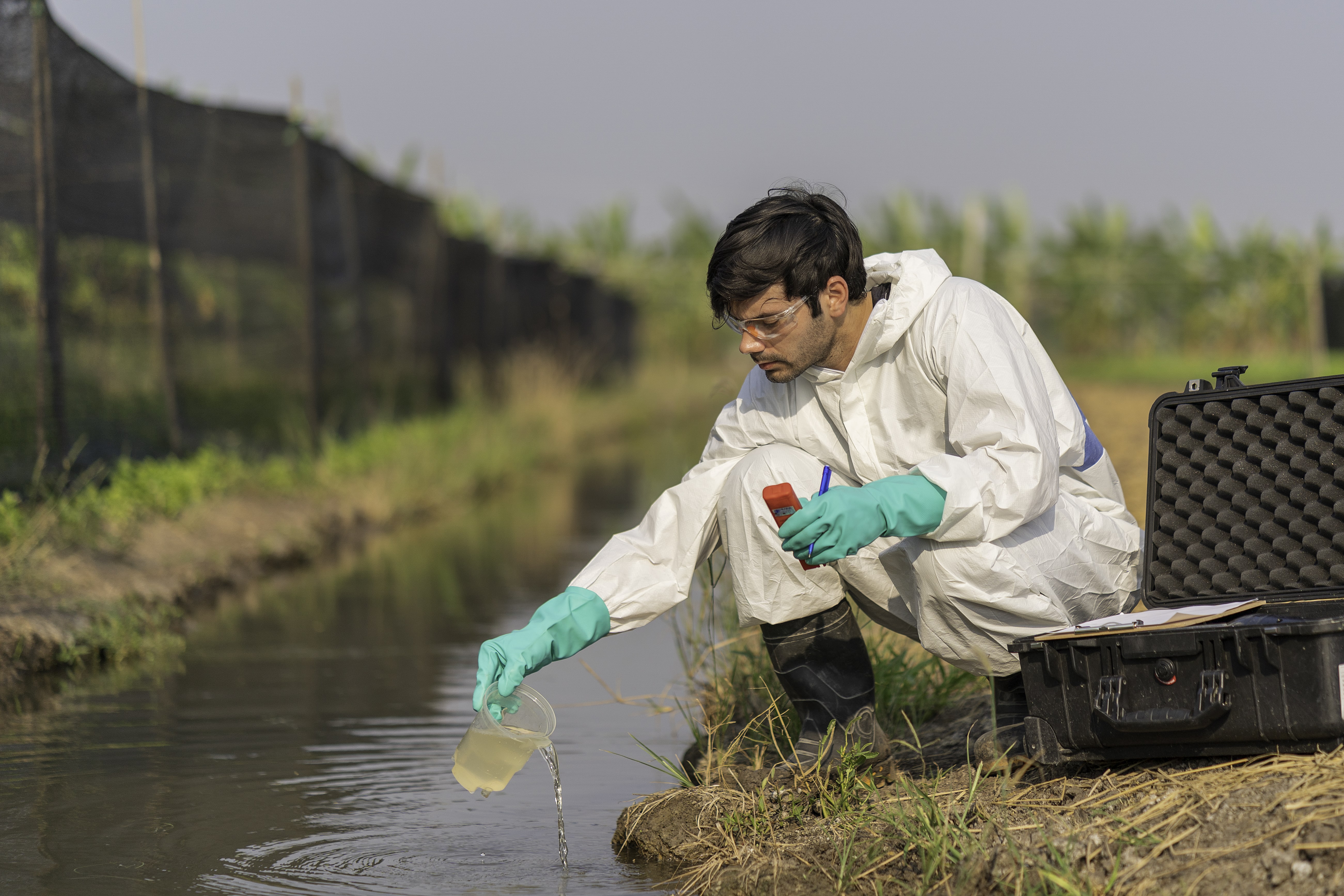
ESE performed a targeted Phase II investigation designed to evaluate both petroleum-related and chlorinated solvent concerns while generating regulator-ready documentation for future response actions. Field activities included groundwater sampling from on-site monitoring wells and laboratory analysis for volatile organic compounds and other constituents of concern to evaluate potential releases and compare results to applicable TRRP criteria. Findings were assessed in the context of historical information and prior regulatory closures to determine which conditions were legacy and which required further action under current standards.
Key Findings
- Groundwater results identified trichloroethylene exceeding the TRRP Tier 1 PCL, including confirmation in a monitoring well resampling event
- The report concluded that a state program such as the TCEQ Corrective Action Program or the Voluntary Cleanup Program would be required to address the chlorinated solvent exceedance in accordance with TRRP
- Petroleum impacts were evaluated and tied to either historically closed conditions or were not indicative of a new reportable release
Results
ESE delivered a Phase II assessment that clarified the primary driver for corrective action as chlorinated solvent impacts in groundwater and provided a defensible basis for program selection and next-step planning. The findings established clear alignment with TRRP requirements and positioned the project for efficient progression into an appropriate TCEQ remedial framework.
Project Impact
Corrective action decisions are most effective when the technical record clearly identifies what requires action and what does not. By confirming the TRRP exceedance, distinguishing chlorinated solvent concerns from legacy petroleum issues, and outlining the appropriate TCEQ program pathway, ESE reduced uncertainty and helped the redevelopment team move forward with a clear, compliant plan.