PROJECT OVERVIEW
ESE Partners provided corrective action and remediation support for a former industrial property in Texas transitioning toward future redevelopment. The site presented legacy petroleum impacts, subsurface uncertainty, and regulatory considerations requiring a defensible, risk-based approach. ESE guided the project from targeted subsurface investigation through regulatory coordination to achieve environmental clarity and define a path forward.
CHALLENGE
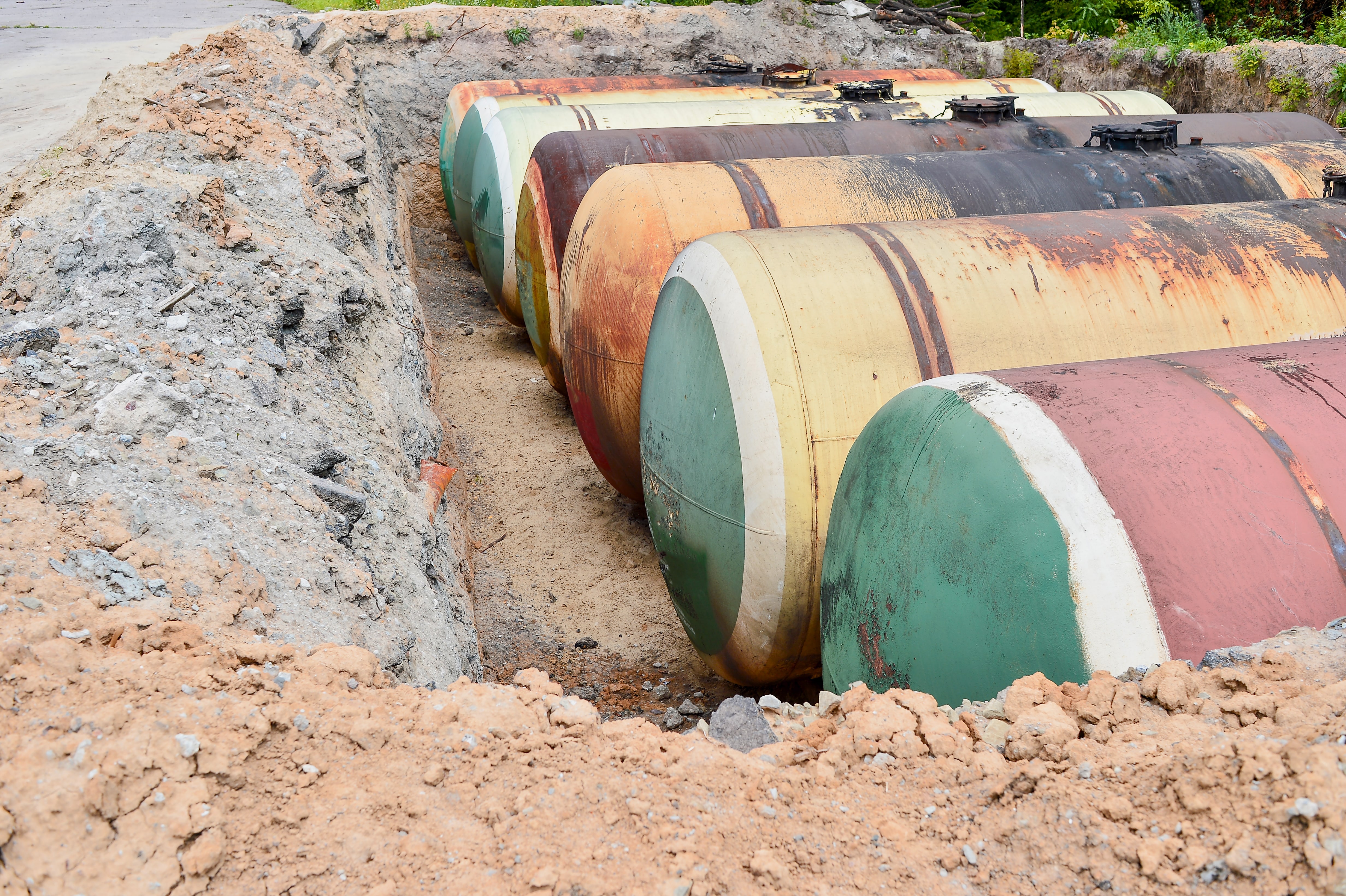
Historical fuel storage and vehicle-related operations raised concerns regarding potential soil, groundwater, and soil gas impacts. Prior underground storage tank activity, combined with redevelopment planning, required confirmation of environmental conditions and determination of whether identified impacts represented legacy conditions or new reportable releases. The client required regulatory-compliant evaluation, coordination with state regulators, and practical guidance to balance environmental protection with redevelopment goals.
ESE’S APPROACH
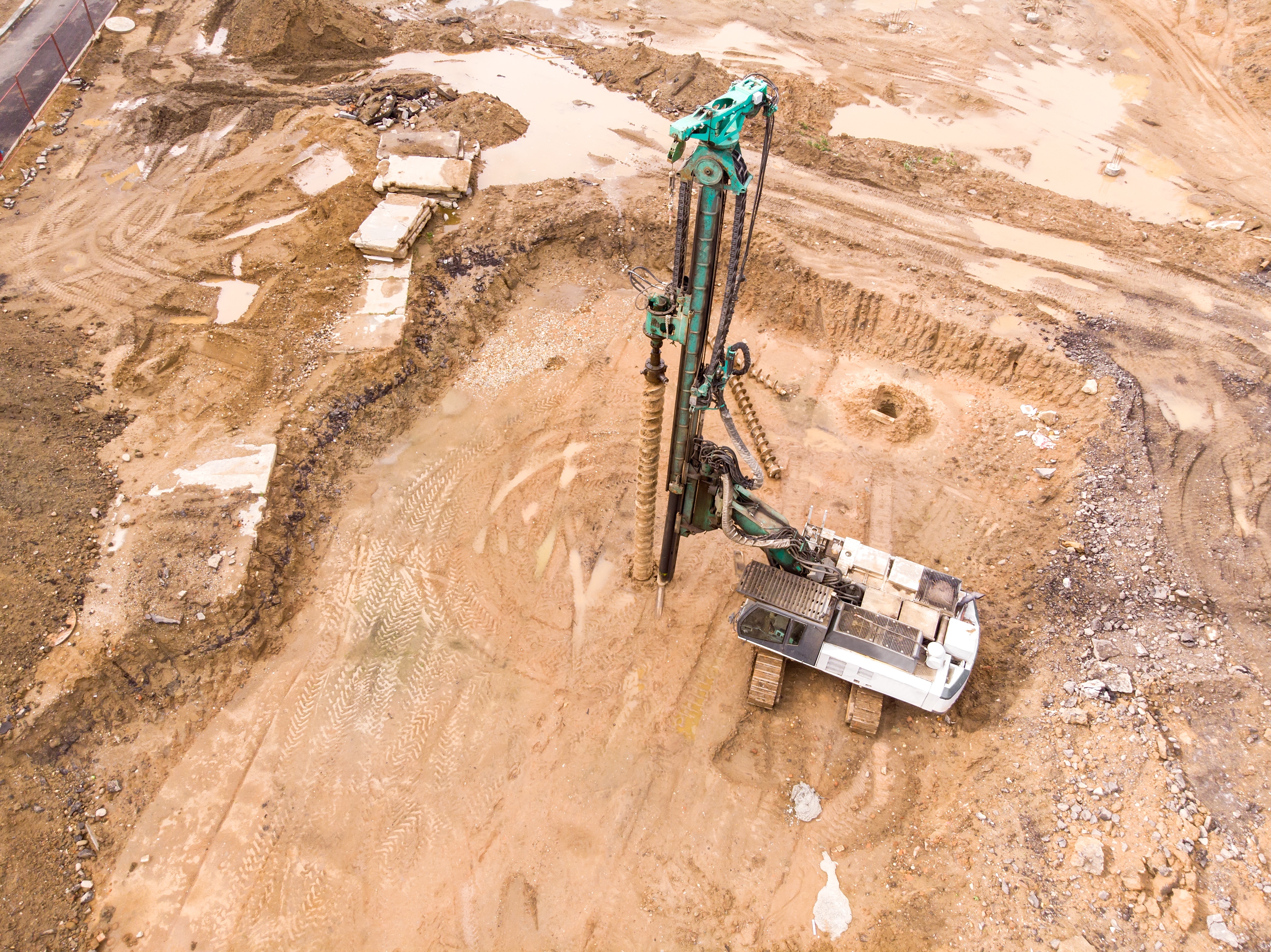
ESE implemented a phased corrective action strategy focused on reducing environmental uncertainty and supporting regulatory decision-making. Services included a targeted Phase II Environmental Site Assessment with soil, groundwater, and soil gas sampling to evaluate petroleum-related impacts and potential vapor concerns. Analytical results were evaluated using risk-based criteria under the Texas Risk Reduction Program (TRRP) and applicable petroleum storage tank action levels. ESE coordinated with the Texas Commission on Environmental Quality (TCEQ) to support regulatory review and prepared defensible documentation and recommendations to inform soil management, vapor mitigation considerations, and redevelopment planning.
RESULT
ESE provided regulatory clarity by distinguishing legacy environmental conditions from new or reportable releases and defining a corrective action pathway aligned with TRRP requirements. The work reduced environmental uncertainty, supported informed redevelopment planning, and positioned the project to move forward while maintaining regulatory compliance.
KEY SERVICES PROVIDED
Corrective action and remediation support included a Phase II Environmental Site Assessment; soil, groundwater, and soil gas investigations; petroleum release determination; risk-based evaluation under TRRP; regulatory coordination with TCEQ; and development of practical recommendations to support soil management, vapor mitigation considerations, and redevelopment planning.