What Is a Property Condition Assessment?
A Property Condition Assessment is a structured, non-invasive evaluation of a commercial property’s physical condition—focused on visible and accessible components, document review, and cost opinions for observed deficiencies. Many PCAs follow ASTM E2018 (commonly referenced as ASTM E2018-15), which establishes a baseline process for observing building systems, documenting deficiencies, and forecasting near-term repair needs and costs.
A typical PCA is designed for due diligence and financial decisions—not destructive testing and not a full code-compliance inspection.
Request Your Property Condition Assessment Today
Texas’ most trusted environmental experts – comprehensive by design.
When Is a PCA Required (or Strongly Recommended)?
PCAs are commonly requested when you need defensible condition information to support a financial or contractual decision, including:
- Acquisition due diligence (buyer representation and purchase price negotiations)
- Refinancing or new debt (lender underwriting and collateral risk review)
- Portfolio transactions (prioritizing capital needs across multiple assets)
- Capital planning for owners and asset managers (near-term vs. long-term spend)
- Major renovations or repositioning (scoping and budgeting before design)
- Pre-sale readiness (seller-side PCA to reduce retrades and surprises)
ESE Partners’ Approach (Comprehensive by Design)
ESE Partners approaches Property Condition Assessments (PCAs) as deal-critical due diligence, not a generic checklist. Our team provides ASTM-aligned, lender-ready deliverables built for underwriting and investment committee review, with clear findings, cost opinions, and timing considerations. We offer practical recommendations that distinguish between urgent repairs, life-safety concerns, and routine maintenance, helping clients understand risk without overstating it. With Texas execution at deal speed across Houston, Dallas–Fort Worth, Austin, and San Antonio, ESE delivers responsive scheduling and consistent communication. When a PCA is conducted alongside environmental due diligence, we coordinate internally across service lines to reduce scheduling friction and help keep your transaction timeline intact.
Our PCA Process
- Kickoff and scope confirmation: Confirm property type, access, deliverable needs (lender vs. buyer vs. owner), and timing.
- Document request and review: We review available building information (for example: maintenance records, prior reports, known capital projects).
- On-site walkthrough (visual, accessible areas): Physical observations of major building and site systems; photo documentation of representative conditions and deficiencies.
- Deficiency identification and capitalization planning: We organize findings by system and priority, and develop opinions of probable costs for observed issues.
- Report delivery and deal support: We walk your team through key drivers (big-ticket items, timing, risk) and answer lender and buyer questions quickly.
What We Evaluate in a PCA (Typical Systems)
While each property is different, a Property Condition Assessment commonly includes observations of site features and drainage conditions, the structure and building envelope, roofing systems, representative interior finishes, vertical transportation where accessible and observable, major mechanical and HVAC equipment and distribution, electrical service panels and visible distribution, plumbing systems such as visible piping, fixtures, and water heaters, and life safety or fire protection components where accessible. The exact scope and limitations are confirmed at kickoff and aligned with the intended use of the report, property type, and any access constraints.
Regulatory and Standards Framework
- ASTM E2018 (commonly cited as ASTM E2018-15), Standard Guide for Property Condition Assessments: Baseline Property Condition Assessment Process
- The ASTM approach is intentionally baseline and non-invasive, relying on visual observations, available documentation, and interviews to develop a defensible condition snapshot
Risks of Skipping a Property Condition Assessment
Skipping a Property Condition Assessment (PCA) does not necessarily save money; it often shifts risk into closing, underwriting, and ownership. Without a PCA, buyers and lenders may face pricing mistakes from unbudgeted roof, HVAC, electrical, or other building system costs that can erode projected returns. Deals may also be delayed or retraded when condition risk is not clearly quantified, and negotiations can become more difficult when repair credits are based on guesswork instead of cost opinions. After acquisition, surprise building failures can lead to reactive repairs, tenant disruption, and operational impacts. For portfolio owners, skipping PCAs can also create blind spots that make capital planning inconsistent across assets.
More Environmental Due Diligence Services

Phase I Environmental Site Assessment (ESAs)
ESE provides lender approved ASTM-E1527 and similar Phase I Environmental Site Assessments and related transaction screens which are often required when a property is externally financed. The purpose of a Phase I ESA is to identify Recognized Environmental Conditions (RECs) associated with a parcel of commercial real estate with respect to the range of contamination within the scope of CERCLA and petroleum products.

Phase II Environmental Site Assessment (ESAs)
A Phase II Environmental Site Assessment is often warranted when a Phase I ESA identifies a Recognized Environmental Condition, requiring further investigation. The purpose of a Phase II ESA is to confirm or deny the presence of chemicals of concern in the environment. The Phase II ESA involves the sampling and laboratory analysis of multiple medias, often including soil, soil gas, and groundwater. The analytical testing results are compared to regulatory limits and criteria established by the applicable government agency. Further remedial action may be warranted based on the results of the Phase II ESA.
Industries We Serve
ESE operates in a wide range of industries, all with unique needs and regulatory obligations. We offer experts who understand the broad complexity of environmental challenges faced by today’s businesses.

Real Estate Brokers & Developers
ESE helps brokers and developers reduce deal friction and avoid surprises through fast, defensible environmental due diligence. We support property evaluations, redevelopment risk screening, and transaction-ready reporting for Texas assets.

Private Equity/Capital Investors
Transaction support for acquisitions and portfolio oversight, including Phase I/II ESAs and risk-based evaluation. We provide clear findings, practical recommendations, and scalable diligence support.

Financial Institutions
ESE supports lender-driven environmental due diligence and portfolio risk management, including Phase I/II ESAs and risk screening. We deliver consistent, defensible reporting aligned with credit and closing timelines.

Attorneys
Technical support for environmental risk, liability evaluation, and regulatory strategy. We provide clear documentation and expert collaboration to support transactions, compliance matters, and remediation planning.
Why ESE Partners
Texas clients choose ESE Partners because we combine technical clarity with deal execution:
- Texas-first execution with statewide scalability
- Texas-focused teams who understand market timelines and transaction pressure
- Clear, decision-grade reporting (not jargon, not overcalling)
- Responsive scheduling and communication to keep lenders, attorneys, brokers, and ownership aligned
- Comprehensive by Design: due diligence, remediation support, compliance, and building-science services that scale statewide
Need a Property Condition Assessment fast—without sacrificing credibility?
Send us your property address, target close date, and any lender or ownership requirements. We’ll confirm scope and turnaround and keep your transaction moving.
Our Environmental Due Diligence Projects
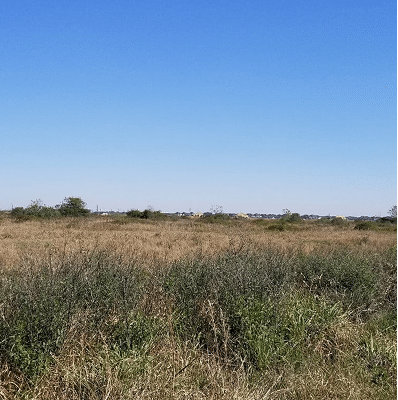
Phase I and II for residential Home Developer in Flushear, Texas
ESE performed a Phase I ESA on approximately 143-acre property in a future master-planned community in the greater Houston area.

Pre-Acquisition Due Diligence in Downtown San Antonio
ESE performed pre-acquisition due diligence for two contiguous city blocks in downtown San Antonio, Texas with development history dating back to the late 1800’s.

Phase I and II for residential Home Developer in Flushear, Texas
ESE performed a Phase I ESA on approximately 143-acre property in a future master-planned community in the greater Houston area.
Frequently Asked Questions About Property Condition Assessments (PCAs)
What is a Property Condition Assessment, and what does it include?
A Property Condition Assessment is a structured, non-invasive evaluation of a commercial property’s physical condition—focused on visible and accessible components, document review, and cost opinions for observed deficiencies. Many PCAs follow ASTM E2018 (commonly referenced as ASTM E2018-15), which establishes a baseline process for observing building systems, documenting deficiencies, and forecasting near-term repair needs and costs. A typical PCA is designed for due diligence and financial decisions—not destructive testing and not a full code-compliance inspection.
What building systems does ESE Partners evaluate during a PCA?
While each property is different, PCAs commonly include observations of site features and drainage conditions, structure and building envelope, roofing systems, interior finishes (representative areas), vertical transportation (where accessible and observable), mechanical and HVAC (major equipment and distribution), electrical systems (service, panels, visible distribution), plumbing systems (visible piping, fixtures, water heaters), and life safety and fire protection (observed components, where accessible). Exact scope and limitations are confirmed at kickoff and aligned with the intended use and access constraints.
When is a Property Condition Assessment required or recommended?
PCAs are commonly requested when you need defensible condition information to support a financial or contractual decision, including acquisition due diligence (buyer representation and purchase price negotiations), refinancing or new debt (lender underwriting and collateral risk review), portfolio transactions (prioritizing capital needs across multiple assets), capital planning for owners and asset managers (near-term vs. long-term spend), major renovations or repositioning (scoping and budgeting before design), and pre-sale readiness (seller-side PCA to reduce retrades and surprises).
What are the risks of skipping a Property Condition Assessment?
Skipping a PCA doesn’t save money—it shifts risk into closing, underwriting, and ownership. Risks include pricing mistakes where unbudgeted roof, HVAC, and electrical spend can erase returns; deal delays when lenders often pause or retrade when condition risk isn’t quantified; negotiation disadvantages where without cost opinions, repair credits become guesswork; operational disruption where surprise failures force reactive repairs and tenant impacts; and portfolio blind spots where capital planning becomes inconsistent across assets.