What Is a Phase II ESA?
A Phase II Environmental Site Assessment is an intrusive subsurface investigation designed to evaluate whether hazardous substances and/or petroleum products are present—typically through soil, groundwater, and sometimes soil vapor sampling and laboratory analysis.
Most Phase II ESAs are scoped using the Phase II framework commonly referenced as ASTM E1903 (Standard Guide for Environmental Site Assessments: Phase II Environmental Site Assessment Process).
- Confirming whether a Phase I-identified REC represents an actual release
- Defining the nature and approximate extent (horizontal/vertical) of impacts
- Comparing results to applicable screening criteria (risk-based or regulatory)
- Supporting deal decisions (proceed, renegotiate, escrow, or remediate)
Request Your Phase II ESA Today
Texas’ most trusted environmental experts – comprehensive by design.
When Is It Required?
A Phase II ESA is commonly required (or strongly recommended) when:
- A Phase I ESA identifies RECs (e.g., former dry cleaner, USTs, industrial operations, stains/odors, documented spills)
- Lenders or equity partners require confirmation testing to size environmental liability before closing
- You’re buying or redeveloping industrial, warehouse, retail (auto-related), or older commercial sites
- The project involves change of use (e.g., industrial-to-multifamily) where human exposure risk increases
- You need data to support a Texas regulatory pathway (e.g., TRRP-driven assessment and response actions under 30 TAC 350)
- You need defensible sampling and lab data for negotiations, insurance, or remediation planning
ESE Partners’ Approach
ESE Partners designs Phase II ESAs to be comprehensive by design—without wasting time or budget. Our team develops deal-focused scopes that target the specific recognized environmental condition (REC) and likely migration pathways, rather than relying on cookie-cutter sampling plans. With rapid mobilization across Texas, including Houston, Dallas-Fort Worth, Austin, San Antonio, and statewide, we help keep transactions and due diligence timelines moving. ESE provides practical, data-supported conclusions that counsel, lenders, and decision-makers can act on with confidence, and when a site may require formal cleanup or regulatory interaction, our investigation approach is aligned with TCEQ expectations, including TRRP where applicable.
Our Process
- Phase I ESA / REC Review: Confirm the concern(s), data gaps, likely contaminants, and likely source areas (hot spots).
- Scope & Sampling Plan: Select sampling media (soil/groundwater/vapor), depths, locations, and analyte list based on site history and conceptual site model.
- Utility Clearance & Access Coordination: Manage access agreements, drilling locations, and schedule constraints.
- Field Investigation: Soil borings (e.g., direct push/auger), groundwater sampling (and monitoring well installation if needed), soil vapor as warranted.
- Laboratory Analysis: Samples analyzed by qualified labs; if the data is intended for TCEQ submissions, lab accreditation requirements can apply.
- Data Evaluation & Reporting: Compare results to applicable screening criteria; identify exceedances and implications.
- Decision Support: Clear next steps: No Further Action, additional delineation, risk management, or remediation planning.
Regulatory Framework (Texas + Federal)
Phase II ESAs often sit at the intersection of transaction due diligence and regulatory cleanup programs, so ESE Partners considers the key standards and regulatory frameworks that may apply to each site. These commonly include the latest ASTM E1527 standard for Phase I ESAs, which is often used to satisfy due diligence expectations under the EPA’s All Appropriate Inquiries (AAI) rule at 40 CFR Part 312, as well as ASTM E1903, the framework commonly referenced for Phase II ESA investigation scoping and reporting conventions. For Texas projects, ESE also considers the TCEQ Texas Risk Reduction Program (TRRP) under 30 TAC 350, including guidance for affected property assessment and risk-based response actions, along with TCEQ analytical and sampling expectations, including situations where accredited laboratories are required for data submitted to TCEQ programs.
Risks of Not Completing This Service
Skipping or under-scoping a Phase II ESA after a credible REC can create preventable business risk:
- Unexpected cleanup costs discovered after closing (budget shock + reduced IRR)
- Lender delays or re-trades late in the process when environmental questions remain unresolved
- Schedule impacts (construction pauses if contamination is encountered during earthwork)
- Regulatory exposure if impacts trigger reportable conditions, corrective action, or permitting constraints
- Reduced negotiating leverage (without data, it’s harder to justify price reductions, escrows, or seller remedies)
More Environmental Due Diligence Services

Phase I Environmental Site Assessment (ESAs)
ESE provides lender approved ASTM-E1527 and similar Phase I Environmental Site Assessments and related transaction screens which are often required when a property is externally financed. The purpose of a Phase I ESA is to identify Recognized Environmental Conditions (RECs) associated with a parcel of commercial real estate with respect to the range of contamination within the scope of CERCLA and petroleum products.

Property Condition Assessments (PCAs)
Costs for replacement or repair of major systems, components or equipment at a property can blindside buyers. ESE provides Property Condition Assessments (PCAs) on a variety of commercial structures to educate a buyer or lender with valuable insight regarding costs to remedy physical deficiencies. PCAs are conducted in accordance with the ASTM E 2018-15 guidance document and are often conducted concurrently with a Phase I ESA.
Industries We Serve
ESE operates in a wide range of industries, all with unique needs and regulatory obligations. We offer experts who understand the broad complexity of environmental challenges faced by today’s businesses.

Real Estate Brokers & Developers
ESE helps brokers and developers reduce deal friction and avoid surprises through fast, defensible environmental due diligence. We support property evaluations, redevelopment risk screening, and transaction-ready reporting for Texas assets.

Private Equity/Capital Investors
Transaction support for acquisitions and portfolio oversight, including Phase I/II ESAs and risk-based evaluation. We provide clear findings, practical recommendations, and scalable diligence support.

Financial Institutions
ESE supports lender-driven environmental due diligence and portfolio risk management, including Phase I/II ESAs and risk screening. We deliver consistent, defensible reporting aligned with credit and closing timelines.

Attorneys
Technical support for environmental risk, liability evaluation, and regulatory strategy. We provide clear documentation and expert collaboration to support transactions, compliance matters, and remediation planning.
Why ESE Partners
ESE Partners supports Texas deals with the technical depth of an environmental consulting firm and the urgency of a transaction-focused team. Our Texas-first approach offers statewide scalability, backed by integrated service lines that include environmental due diligence, remediation support, compliance, natural and cultural resources, and building sciences. We provide responsive project management built around lender requirements and closing timelines, along with clear, defensible reporting that supports underwriting, legal review, and redevelopment decisions. It’s all part of our brand promise: Texas’ Most Trusted Environmental Experts — Comprehensive by Design.
Need a Phase II ESA fast in Texas?
Contact ESE Partners to get a proposal within 24 hours and keep your deal moving across Texas (Houston, DFW, Austin, San Antonio, and beyond).
Our Environmental Due Diligence Projects
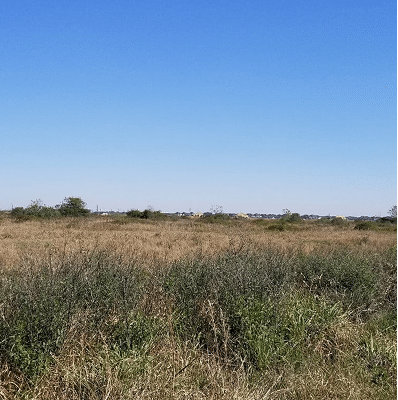
Phase I and II for residential Home Developer in Flushear, Texas
ESE performed a Phase I ESA on approximately 143-acre property in a future master-planned community in the greater Houston area.

Pre-Acquisition Due Diligence in Downtown San Antonio
ESE performed pre-acquisition due diligence for two contiguous city blocks in downtown San Antonio, Texas with development history dating back to the late 1800’s.

Phase I and II for residential Home Developer in Flushear, Texas
ESE performed a Phase I ESA on approximately 143-acre property in a future master-planned community in the greater Houston area.
Frequently Asked Questions About Phase I ESAs
What is a Phase II ESA and how is it different from a Phase I ESA?
While a Phase I ESA identifies suspected environmental risk, a Phase II ESA is how you replace “suspected environmental risk” with real data—fast enough to keep acquisitions, refinances, and developments moving. More specifically, a Phase II Environmental Site Assessment is an intrusive subsurface investigation designed to evaluate whether hazardous substances and/or petroleum products are present—typically through soil, groundwater, and sometimes soil vapor sampling and laboratory analysis.
When does my transaction require a Phase II ESA?
A Phase II ESA is commonly required or strongly recommended when a Phase I ESA identifies RECs (e.g., former dry cleaner, USTs, industrial operations, stains/odors, documented spills), lenders or equity partners require confirmation testing to size environmental liability before closing, you’re buying or redeveloping industrial, warehouse, retail (auto-related), or older commercial sites, or the project involves a change of use (e.g., industrial-to-multifamily) where human exposure risk increases. It’s also needed when you need defensible sampling and lab data for negotiations, insurance, or remediation planning.
What are the risks of skipping or under-scoping a Phase II ESA?
Skipping or under-scoping a Phase II ESA after a credible REC can create preventable business risk, including unexpected cleanup costs discovered after closing (budget shock and reduced IRR), lender delays or re-trades late in the process when environmental questions remain unresolved, schedule impacts if contamination is encountered during earthwork, regulatory exposure if impacts trigger reportable conditions, corrective action, or permitting constraints, and reduced negotiating leverage—without data, it’s harder to justify price reductions, escrows, or seller remedies.
How does ESE Partners scope and execute a Phase II ESA?
ESE Partners’ approach is deal-focused: they target the specific REC(s) and likely migration pathways with no “cookie-cutter” sampling plans, offer rapid mobilization across Texas, report clearly what the data supports so counsel, lenders, and decision-makers can act, and align investigation approaches with TCEQ expectations—including TRRP where applicable—when a site is headed toward a formal cleanup or regulatory interface. The process concludes with clear next steps, whether that’s No Further Action, additional delineation, risk management, or remediation planning.