What Is Waste Compliance?
Waste compliance is the set of requirements and operating controls used to properly identify, classify, store, ship, treat, and document wastes generated by a facility or project. In Texas, this commonly includes:
- Hazardous waste compliance under RCRA (EPA regulations in 40 CFR Parts 260–279) and state implementation requirements
- Industrial and hazardous waste classification and generator management practices, aligned with TCEQ expectations
- Nonhazardous solid waste management controls (profiling, documentation, and disposal coordination) to reduce rejection risk and schedule impacts
Waste compliance isn’t just “paperwork”—it’s a system that ties together waste determinations, container management, labeling, accumulation areas, training, vendor oversight, and records that auditors will ask for.
Request Your Waste Compliance Services Today
Texas’ most trusted environmental experts – comprehensive by design.
When Is It Required?
Waste compliance support is typically needed when you are:
- Starting up a new facility or adding processes that create new waste streams
- Experiencing recurring disposal issues (failed profiles, rejected loads, unexpected “hazardous” findings)
- Preparing for a customer, lender, ISO/EHS, or internal corporate audit
- Managing construction, turnaround, or remediation waste with tight schedules
- Correcting generator status, accumulation practices, labeling, or manifest/recordkeeping gaps
- Rolling out a standardized waste program across multiple Texas sites
ESE Partners’ Approach
“Comprehensive by Design” means ESE Partners looks at waste the way regulators and auditors do, while managing it the way operators and deal teams need it done. Our team provides fast triage and clear priorities, helping clients understand what must be fixed immediately and what can be scheduled over time. We develop practical compliance controls that field teams can realistically use, with Texas-first execution aligned to how waste is managed and enforced across the state. ESE also prepares documentation that holds up under review, including defensible waste determinations, SOPs, inspection forms, and training matrices. When vendor coordination is needed, we provide vendor-ready deliverables such as profiles, logistics requirements, and documentation packages designed to reduce rejection risk.
Our Process
- Discovery + facility walkthrough: waste streams, accumulation points, and vendor flow
- Waste stream inventory: what you generate, where it originates, and how it’s managed
- Waste determinations & classification support: documentation, sampling strategy (if needed), and defensibility
- Accumulation area compliance review: containers, labeling, segregation, inspections, and satellite/central practices (as applicable)
- Shipping & disposal verification: manifests, land disposal restriction paperwork (if applicable), profiles, and chain-of-custody controls
- Program buildout: written plan/SOPs, inspection tools, training plan, and corrective actions
- Ongoing support: periodic audits, refresher training, and vendor oversight
Regulatory Framework
Waste compliance programs commonly reference and align with federal RCRA hazardous waste regulations under 40 CFR Parts 260–279, as well as applicable Texas Administrative Code requirements for industrial and hazardous waste management, commonly including 30 TAC Chapter 335 where relevant. Programs may also need to account for site-specific permit conditions and disposal facility requirements, which often serve as the practical driver for documentation rigor. ESE tailors exact applicability to each site’s activities, waste types, and generator profile.
Risks of Not Completing Waste Compliance
Skipping or delaying waste compliance work can lead to:
- Regulatory exposure: misclassification, improper accumulation practices, incomplete records
- Cost spikes: hazardous vs. nonhazardous miscalls, rejected loads, expedited disposal fees
- Project delays: waste profile failures and container/labeling issues that stop work
- Contract and lender friction: audit findings that require corrective action before close or funding
- Downstream liability: weak documentation increases risk during investigations or property transfers
More Environmental Compliance Services

Air Compliance
As an environmental compliance company, ESE Partners provides numerous air compliance services to the oil & gas, energy, chemical, and manufacturing market sectors. Our air expertise includes air permitting (Permits by Rule, Standard Permits, New Source Review, Title V Permits), air dispersion modeling, onsite auditing and inspections, federal and state regulatory analysis, emissions inventory, GHG analysis, and deviation and periodic reporting.

Multimedia Compliance
ESE also provides custom-tailored, cost-effective multimedia compliance solutions to help clients manage regulatory, permitting, and internal requirements. Our multimedia environmental compliance services include compliance audits, regulatory applicability and interpretation, EHS management systems design and implementation, EHS risk assessments, compliance assurance tool design, EHS organizational strategies, best management practices/corporate EHS standards development, and other permitting, planning, and compliance support.
Industries We Serve
ESE operates in a wide range of industries, all with unique needs and regulatory obligations. We offer experts who understand the broad complexity of environmental challenges faced by today’s businesses.

Real Estate Brokers & Developers
ESE helps brokers and developers reduce deal friction and avoid surprises through fast, defensible environmental due diligence. We support property evaluations, redevelopment risk screening, and transaction-ready reporting for Texas assets.

Private Equity/Capital Investors
Transaction support for acquisitions and portfolio oversight, including Phase I/II ESAs and risk-based evaluation. We provide clear findings, practical recommendations, and scalable diligence support.

Financial Institutions
ESE supports lender-driven environmental due diligence and portfolio risk management, including Phase I/II ESAs and risk screening. We deliver consistent, defensible reporting aligned with credit and closing timelines.

Attorneys
Technical support for environmental risk, liability evaluation, and regulatory strategy. We provide clear documentation and expert collaboration to support transactions, compliance matters, and remediation planning.
Why ESE Partners
ESE Partners is built for Texas projects where time, documentation, and defensible decisions matter. Our Texas-focused team supports projects statewide, providing the responsiveness and regional knowledge needed for complex waste compliance needs. As one firm with full environmental coverage, ESE offers integrated support across due diligence, remediation support, compliance, natural and cultural resources, and building sciences. Our team delivers responsive execution through clear scopes, fast mobilization, and updates your deal team can actually use. We also provide risk-managed recommendations that avoid overcalling issues and instead prioritize the actions most likely to change outcomes.
Need waste compliance support fast?
Talk to ESE Partners today—we’ll scope the work and keep your facility or project moving. Request a proposal within 24 hours.
Our Environmental Compliance Projects
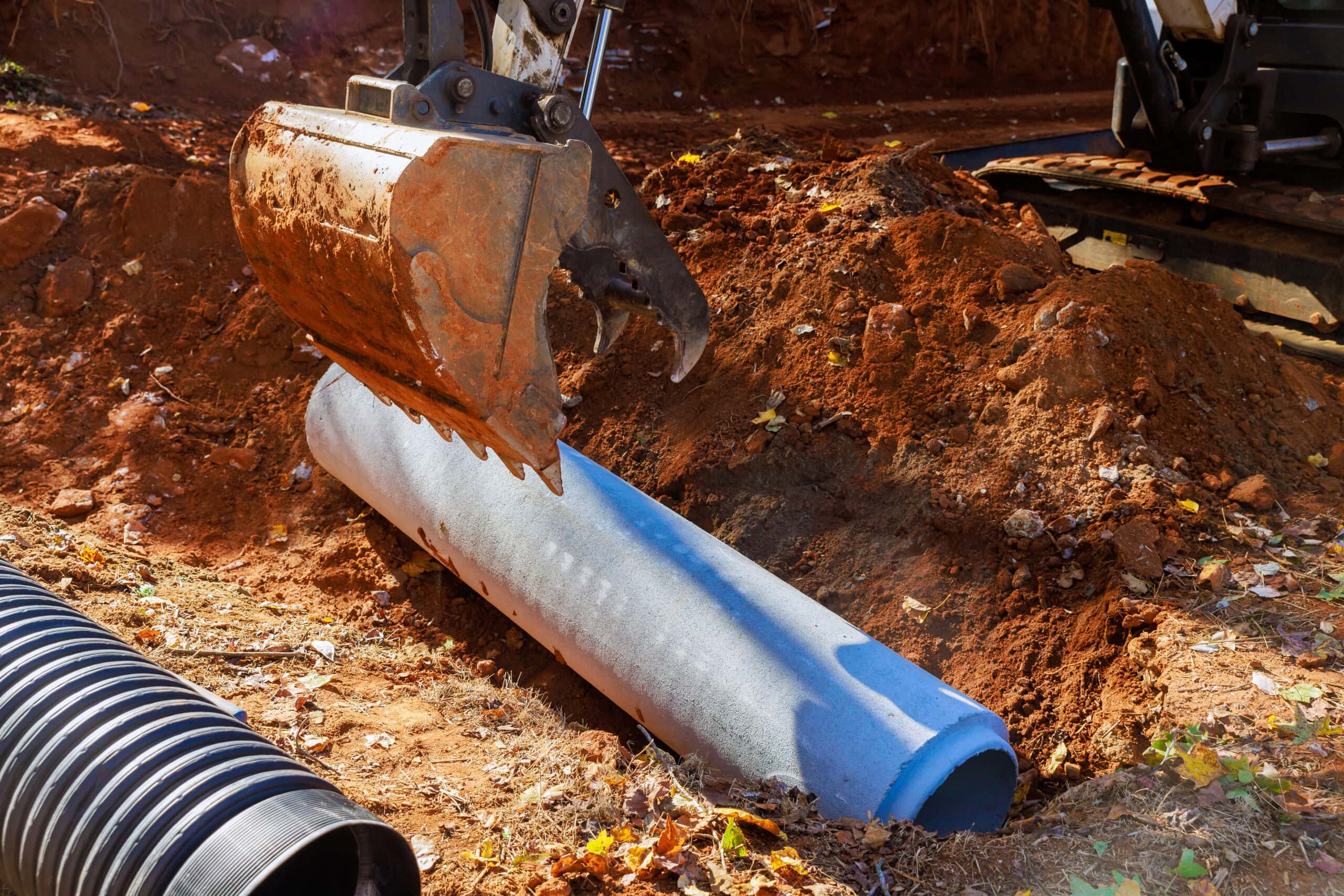
Construction SWPPP: Restaurant in Central Texas
ESE Partners developed a comprehensive Construction Storm Water Pollution Prevention Plan (SWPPP) to support construction of a new located in Central Texas.
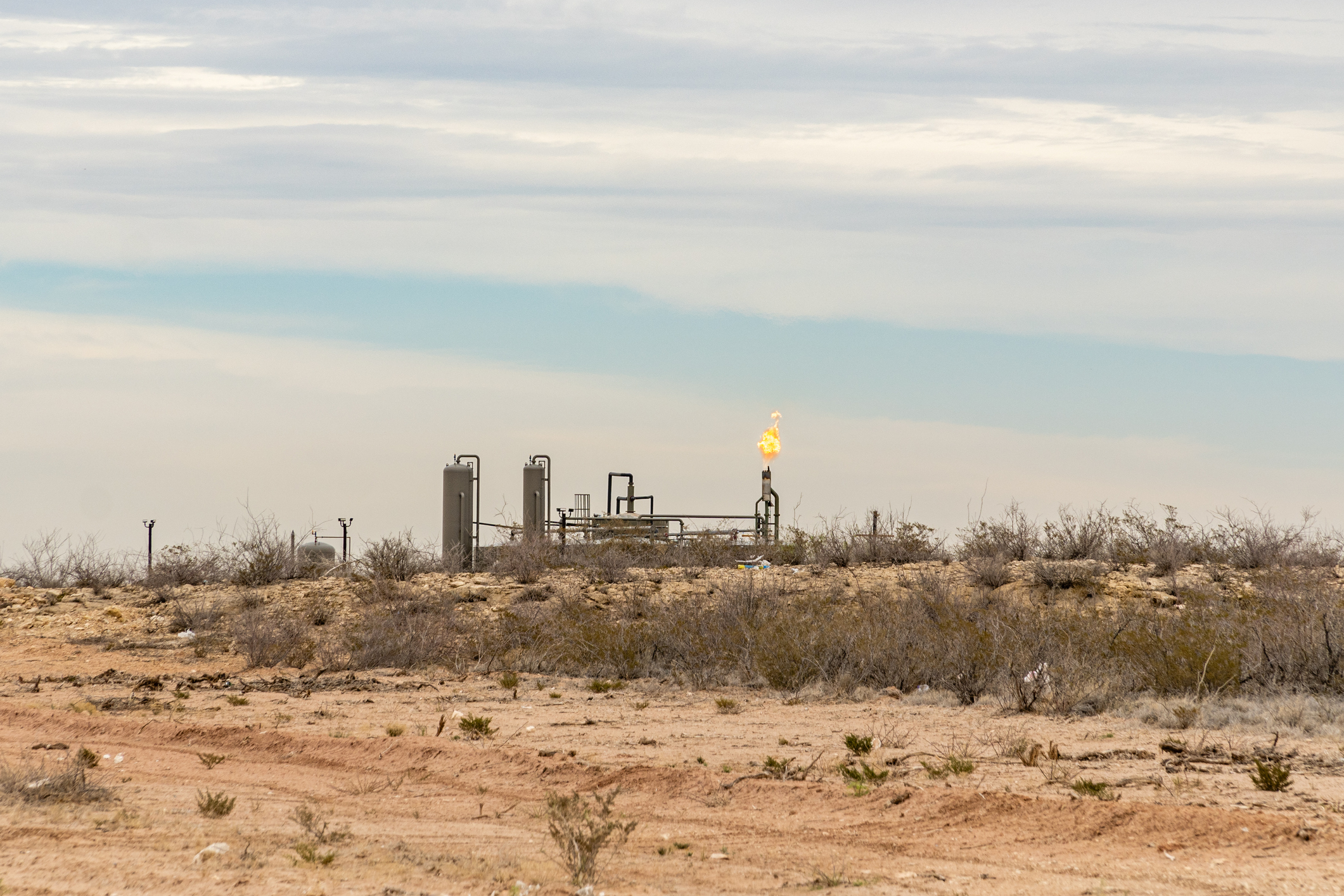
EHS Compliance Support, Air Permitting, and SPCC Plans
ESE Partners conducted comprehensive environmental compliance services for multiple facilities located in South Texas, including Spill Prevention, Control, and Countermeasure (SPCC) plan development and air permitting support.
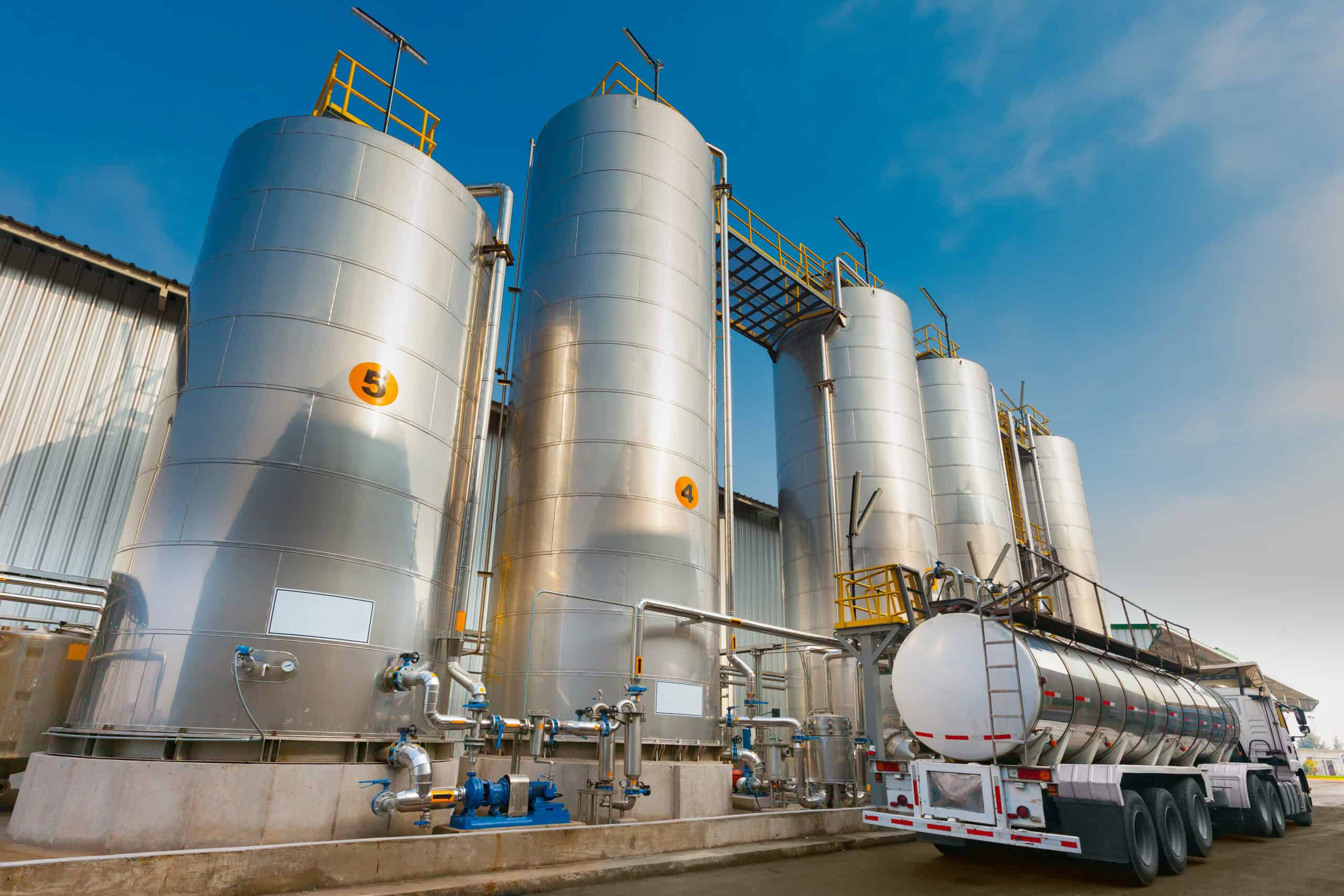
Efficient Air Permitting for New Transfer Operations
A bulk liquid storage and transfer operator sought to launch a new ethanol transloading operation involving rail-to-truck transfers using closed-loop loading.
Frequently Asked Questions About Waste Compliance Services
What is waste compliance and what does it actually cover?
Waste compliance is the set of requirements and operating controls used to properly identify, classify, store, ship, treat, and document wastes generated by a facility or project. In Texas, this commonly includes hazardous waste compliance under RCRA (EPA regulations in 40 CFR Parts 260–279) and state implementation requirements, industrial and hazardous waste classification and generator management practices aligned with TCEQ expectations, and nonhazardous solid waste management controls (profiling, documentation, and disposal coordination) to reduce rejection risk and schedule impacts. Waste compliance isn’t just “paperwork”—it’s a system that ties together waste determinations, container management, labeling, accumulation areas, training, vendor oversight, and records that auditors will ask for.
When does my facility or project need waste compliance support?
Waste compliance support is typically needed when you are starting up a new facility or adding processes that create new waste streams, experiencing recurring disposal issues (failed profiles, rejected loads, unexpected “hazardous” findings), preparing for a customer, lender, ISO/EHS, or internal corporate audit, managing construction, turnaround, or remediation waste with tight schedules, correcting generator status, accumulation practices, labeling, or manifest/recordkeeping gaps, or rolling out a standardized waste program across multiple Texas sites.
What are the risks of skipping or delaying waste compliance work?
Skipping or delaying waste compliance work can lead to regulatory exposure (misclassification, improper accumulation practices, incomplete records), cost spikes (hazardous vs. nonhazardous miscalls, rejected loads, expedited disposal fees), project delays from waste profile failures and container/labeling issues that stop work, contract and lender friction from audit findings that require corrective action before close or funding, and downstream liability where weak documentation increases risk during investigations or property transfers.
What does ESE Partners' waste compliance process look like?
ESE Partners’ Comprehensive by Design approach means they look at waste the way regulators and auditors do—but manage it the way operators and deal teams need it done, with fast triage and clear priorities (what must be fixed now vs. what can be scheduled), practical compliance controls that field teams will actually use, Texas-first execution aligned to how waste is managed and enforced in Texas, documentation that holds up (defensible waste determinations, SOPs, inspection forms, and training matrices), and vendor-ready deliverables (profiles, logistics requirements, and documentation packages that reduce rejection risk). The process runs from discovery and facility walkthrough (waste streams, accumulation points, and vendor flow), waste stream inventory, waste determinations and classification support, accumulation area compliance review (containers, labeling, segregation, inspections), shipping and disposal verification (manifests, land disposal restriction paperwork, profiles, and chain-of-custody controls), program buildout (written plan/SOPs, inspection tools, training plan, and corrective actions), through to ongoing support including periodic audits, refresher training, and vendor oversight.