What Is Air Compliance?
Air compliance is the combination of permitting, monitoring, recordkeeping, reporting, and operational controls needed to meet federal Clean Air Act and Texas Commission on Environmental Quality (TCEQ) air quality requirements. In Texas, that typically means selecting and maintaining the correct air authorization (e.g., New Source Review (NSR), Title V, Permit by Rule (PBR), or Standard Permits) and implementing site-level systems to demonstrate ongoing compliance.
Request Your Air Compliance Services Today
Texas’ most trusted environmental experts – comprehensive by design.
When Is Air Compliance Required?
Air compliance support is commonly needed when you are:
- Building or modifying equipment that emits air contaminants (new sources or changes triggering authorization updates).
- Buying/selling or refinancing an industrial or commercial asset and need confirmation that air authorizations match current operations (environmental due diligence and lender expectations).
- Operating under an existing permit and need help meeting permit conditions (recordkeeping, reporting, deviations, and compliance demonstrations).
- Preparing for a TCEQ inspection or responding to agency questions, notices of violation (NOVs), or enforcement actions.
- Expanding capacity (throughput increases, new tanks, engines, heaters, coating lines, combustion sources, material handling, etc.) and need an applicability evaluation to determine the correct authorization path.
ESE Partners’ Approach
“Comprehensive by Design” means ESE Partners does not simply “paper” a permit and disappear. We build a defensible air compliance posture that supports both day-to-day operations and transaction needs. Our team provides practical applicability evaluations that avoid overstating risk while remaining appropriately conservative where it matters, along with Texas-first permitting strategies aligned with how TCEQ reviews NSR and Title V authorizations, modeling needs, and public notice pathways. For deal teams, we deliver clear risk framing, gap-to-close items, and realistic timelines. For operators, we develop compliance systems that are easy to use and maintain, including work instructions, recordkeeping tools, and training designed to withstand staff turnover.
Our Process
- Scoping & document review: existing permits, registrations, emissions inventories, control devices, stack parameters, prior correspondence
- Emissions evaluation: baseline + project emissions; equipment-by-equipment logic and assumptions
- Authorization strategy: PBR vs. Standard Permit vs. NSR vs. Title V implications
- Application/registration development: technical forms, calculations, supporting exhibits
- Modeling & impacts support (as needed): including coordination of dispersion modeling requirements and inputs
- Compliance program implementation: permit condition mapping, monitoring/recordkeeping templates, deviation protocols
- Ongoing support: renewals, amendments, inspection readiness, and response to agency inquiries
Regulatory Framework (Texas + Federal)
Air compliance in Texas is most commonly driven by TCEQ air permitting programs, including New Source Review (NSR) authorizations and Title V operating permits, as well as related requirements such as public notice and, where applicable, dispersion modeling. These obligations are also shaped by the federal Clean Air Act Title V operating permit structure, which is implemented in Texas through TCEQ’s Title V program.
Risks of Not Completing Air Compliance Work
Skipping or delaying air compliance can create real business impacts:
- Deal delays when permits/registrations don’t match installed equipment or reported emissions
- Unplanned project downtime if construction or operation proceeds without the correct authorization
- Enforcement exposure from incomplete records, missed reports, or unaddressed deviations
- Costly rework (retroactive permitting, additional controls, or redesign) after agency review or inspection
More Environmental Compliance Services

Water Compliance
ESE’s water compliance capabilities include industrial and construction stormwater permitting, stormwater pollution prevention plan (SWPPP) preparation, SPCC planning, FRPs, RMPs, Tier II reporting, TRI reporting, AST/UST registration/permitting, wastewater permitting and reporting, onsite inspections and compliance audits, drinking water assessments, wetlands determinations, and water sourcing/acquisition planning. Our environmental compliance services keep your facilities in line with state and federal regulations.

Multimedia Compliance
ESE also provides custom-tailored, cost-effective multimedia compliance solutions to help clients manage regulatory, permitting, and internal requirements. Our multimedia environmental compliance services include compliance audits, regulatory applicability and interpretation, EHS management systems design and implementation, EHS risk assessments, compliance assurance tool design, EHS organizational strategies, best management practices/corporate EHS standards development, and other permitting, planning, and compliance support.
Industries We Serve
ESE operates in a wide range of industries, all with unique needs and regulatory obligations. We offer experts who understand the broad complexity of environmental challenges faced by today’s businesses.

Oil & Gas Operators
Environmental consulting for upstream, midstream, and downstream operations—due diligence, compliance support, and remediation strategy. ESE helps operators manage regulatory risk and maintain operational continuity in Texas.

Telecom & Data Center Developers
ESE supports telecom and data center development with due diligence, permitting support, and construction-phase compliance. We help teams identify environmental constraints early, manage site risk, and keep schedules intact.
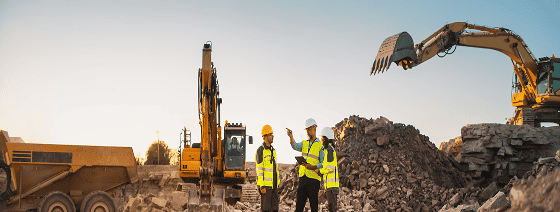
Land Development & Redevelopment
ESE supports developers with site screening, Phase I/II ESAs, and remediation planning for redevelopment and infill projects. We help identify constraints early and reduce delays during entitlement and construction.
Why ESE Partners
ESE Partners is built for Texas projects that require both speed and technical defensibility. Our team brings Texas-focused air compliance expertise and a practical understanding of how TCEQ permitting works, supported by end-to-end environmental services beyond air, including due diligence, remediation, compliance, natural and cultural resources, and building sciences. We provide responsive project teams that keep key stakeholders aligned, from owners and EPCs to brokers, lenders, and legal counsel. With scalable statewide coverage, ESE can support portfolios and multi-site programs across major Texas metros.
Need an air compliance plan, permitting/registration support, or an inspection-ready program?
Talk to ESE Partners today and keep your project—and your deal—moving. We can typically provide a clear scope and schedule quickly based on your equipment list and site information.
Our Environmental Compliance Projects
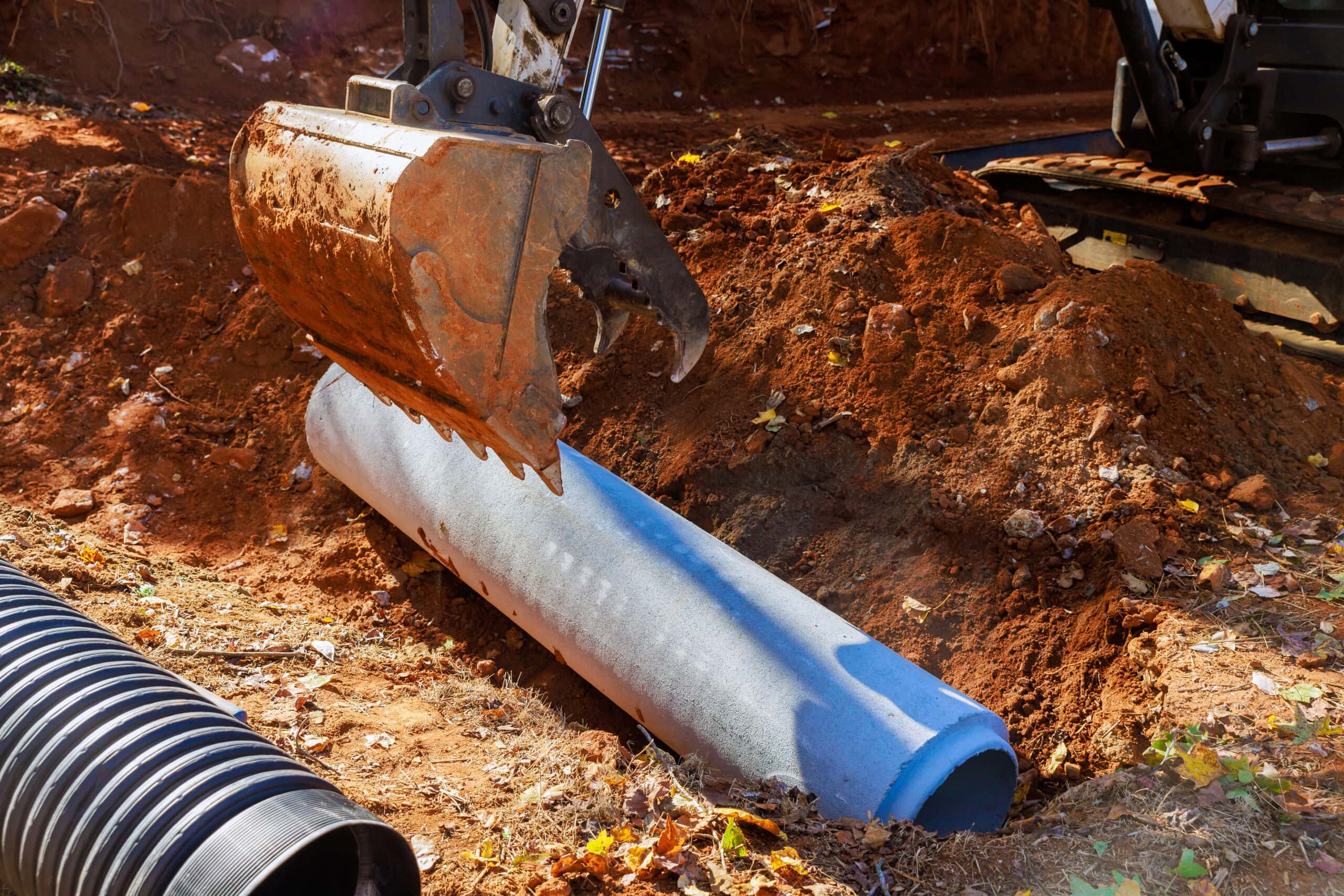
Construction SWPPP: Restaurant in Central Texas
ESE Partners developed a comprehensive Construction Storm Water Pollution Prevention Plan (SWPPP) to support construction of a new located in Central Texas.
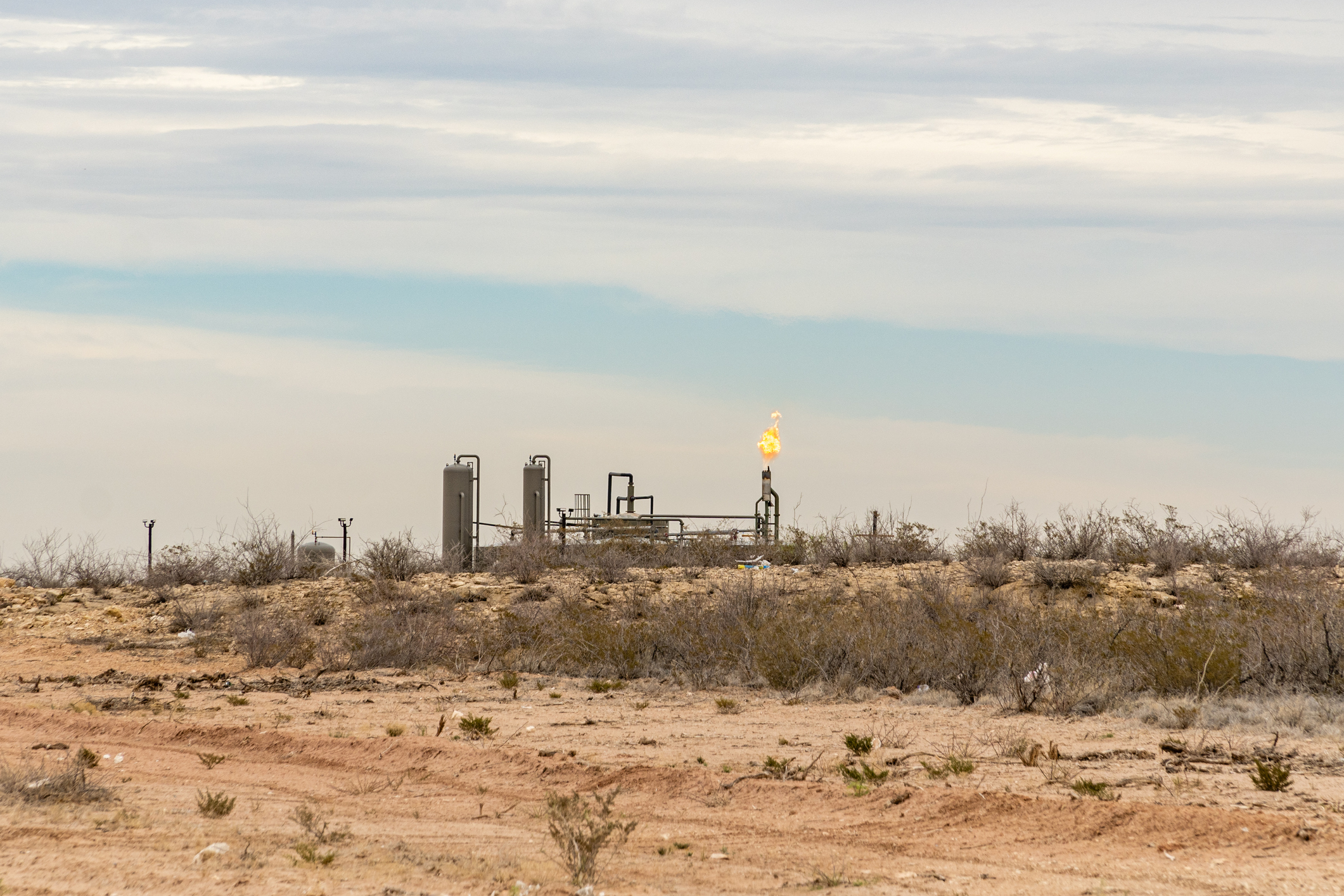
EHS Compliance Support, Air Permitting, and SPCC Plans
ESE Partners conducted comprehensive environmental compliance services for multiple facilities located in South Texas, including Spill Prevention, Control, and Countermeasure (SPCC) plan development and air permitting support.
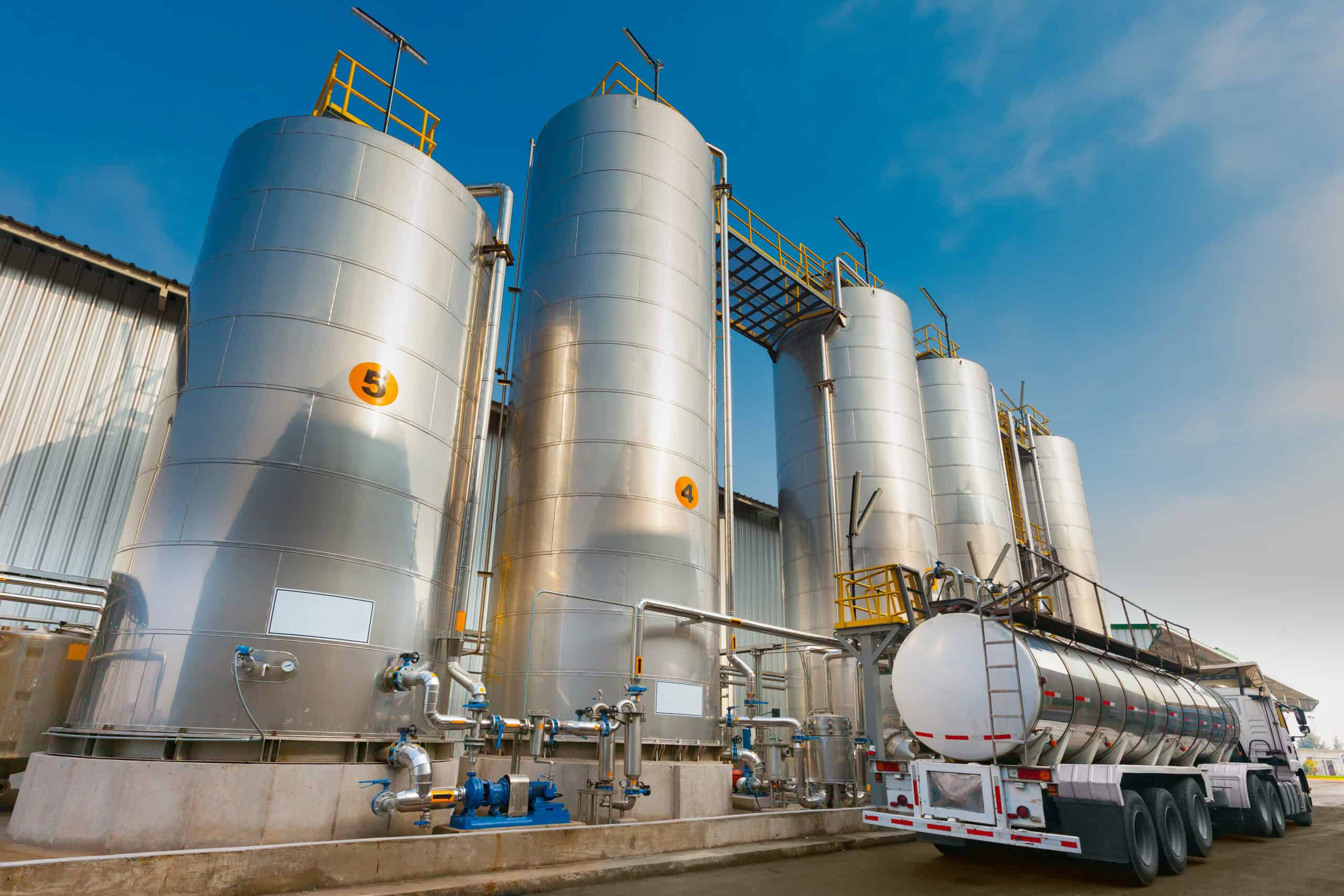
Efficient Air Permitting for New Transfer Operations
A bulk liquid storage and transfer operator sought to launch a new ethanol transloading operation involving rail-to-truck transfers using closed-loop loading.
Frequently Asked Questions About Air Compliance Services
What does air compliance actually involve for Texas businesses?
Air compliance is the combination of permitting, monitoring, recordkeeping, reporting, and operational controls needed to meet federal Clean Air Act and Texas Commission on Environmental Quality (TCEQ) air quality requirements. In Texas, that typically means selecting and maintaining the correct air authorization (e.g., New Source Review (NSR), Title V, Permit by Rule (PBR), or Standard Permits) and implementing site-level systems to demonstrate ongoing compliance.
When does my business or project need air compliance support?
Air compliance support is commonly needed when you are building or modifying equipment that emits air contaminants (new sources or changes triggering authorization updates), buying/selling or refinancing an industrial or commercial asset and need confirmation that air authorizations match current operations, operating under an existing permit and need help meeting permit conditions (recordkeeping, reporting, deviations, and compliance demonstrations), preparing for a TCEQ inspection or responding to agency questions, notices of violation (NOVs), or enforcement actions, or expanding capacity (throughput increases, new tanks, engines, heaters, coating lines, combustion sources, material handling, etc.) and need an applicability evaluation to determine the correct authorization path.
What are the real business risks of skipping or delaying air compliance work?
Skipping or delaying air compliance can create real business impacts, including deal delays when permits/registrations don’t match installed equipment or reported emissions, unplanned project downtime if construction or operation proceeds without the correct authorization, enforcement exposure from incomplete records, missed reports, or unaddressed deviations, and costly rework (retroactive permitting, additional controls, or redesign) after agency review or inspection.
What does ESE Partners' air compliance process look like from start to finish?
ESE Partners’ Comprehensive by Design approach means they don’t just “paper” a permit and disappear — they build a defensible compliance posture that supports operations and transactions. The process includes: scoping and document review (existing permits, registrations, emissions inventories, control devices, stack parameters, prior correspondence), emissions evaluation (baseline and project emissions), authorization strategy (PBR vs. Standard Permit vs. NSR vs. Title V implications), application/registration development (technical forms, calculations, supporting exhibits), modeling and impacts support including coordination of dispersion modeling requirements, compliance program implementation (permit condition mapping, monitoring/recordkeeping templates, deviation protocols), and ongoing support (renewals, amendments, inspection readiness, and response to agency inquiries).