What Are “Protected Species and Wildlife”?
“Protected species” typically refers to wildlife and plants with legal protections that can restrict clearing, grading, construction timing, or operations. In Texas, protections most commonly come from:
- Federal ESA-listed threatened and endangered species (generally administered by U.S. Fish & Wildlife Service for most terrestrial/freshwater species).
- Texas state-listed threatened and endangered species and related state authorities (generally administered by Texas Parks & Wildlife).
- Planning and conservation priority species datasets used for screening and risk management (for example, conservation-need species lists used for early constraints screening).
Request Your Protected Species & Wildlife Services Today
Texas’ most trusted environmental experts – comprehensive by design.
When Is It Required (or Deal-Critical)?
You typically need protected species and wildlife support when buying, selling, or financing land where wildlife constraints could affect developable area, project timing, or overall cost as part of environmental due diligence. This support is also important for greenfield development projects such as subdivisions, industrial parks, distribution centers, and mixed-use sites, as well as linear projects like pipelines, transmission lines, and roadways where habitat crossings may create compliance triggers. Projects that use federal funding or require a federal permit or approval often elevate wildlife review through NEPA or Endangered Species Act (ESA) pathways. In some cases, agencies may request documented screening, such as an official species list workflow where applicable. For public infrastructure projects, ESA commitments can directly affect delivery schedules, with consultation timelines ranging from months to years depending on project complexity.
ESE Partners’ Approach
Comprehensive by Design means ESE does not simply produce a biology memo; we focus on schedule, defensibility, and constructability. Our approach begins with early, map-based screening to identify likely protected species and habitat constraints before a site plan is finalized or a tract is priced. We apply field-ready pragmatism by targeting surveys to the species and habitat features that actually drive project risk, rather than recommending a “survey everything” approach. When constraints are present, we help define clear mitigation pathways, such as avoidance buffers, seasonal timing restrictions, habitat set-asides, and permit strategy options. With Texas-specific execution experience, ESE aligns wildlife risk with real-world development, permitting, and construction decisions.
Our Process
- Desktop constraint screen (habitat, land cover, hydrology, known species occurrences when available, and agency screening tools as applicable).
- Regulatory pathway check (Is there a federal nexus? What approvals are in play? What is the likely ESA touchpoint?).
- Survey scoping (species/habitat-specific methods, timing windows, access needs).
- Field surveys (as needed) with photo logs, georeferenced observations, and impact-relevant notes.
- Impact assessment + recommendations (avoid/minimize/mitigate; construction sequencing; design refinements).
- Agency coordination support (documentation packages and responses aligned with the pathway being used).
- Ongoing compliance during construction (training, monitoring, reporting—right-sized to actual risk).
Regulatory Framework (Texas-Focused)
Protected species and wildlife work is commonly anchored in Endangered Species Act (ESA) requirements for listed species and designated critical habitat where applicable, as well as U.S. Fish and Wildlife Service (USFWS) coordination pathways, including screening tools and consultation processes when a federal permit, approval, or funding source creates a federal nexus. In Texas, projects may also need to consider Texas Parks & Wildlife authorities and guidance related to state-listed species and wildlife impact avoidance. Depending on the project, wildlife review may also be bundled into broader environmental documentation requirements, such as NEPA review for federally connected projects.
Risks of Not Completing Protected Species & Wildlife Work
Skipping or delaying this scope can lead to:
- Late-stage redesigns (setbacks, buffers, reduced footprint, shifted alignments).
- Schedule impacts from seasonal survey windows or consultation timelines.
- Permitting/financing friction when agencies or lenders request defensible documentation.
- Stop-work exposure if protected species are encountered after mobilization.
More Natural Resource Services

Wetlands & Waters of the US
Wetlands and waters of the US fall under some of the most closely enforced environmental regulations in the country, and a missed delineation or unpermitted impact can stop a project cold. Our wetland scientists conduct thorough field investigations to identify and document jurisdictional features before your project breaks ground. Whether your project crosses a single tributary or spans hundreds of acres of potential wetland habitat, we give you an accurate, defensible picture of what you’re working with so your team can plan accordingly.

Regulatory and Planning Documentation
ESE is experienced with a variety of reporting and field investigations required under the National Environmental Policy Act (NEPA), including environmental assessments, categorical exclusions, and similar studies requested by our clients. Our team conducts critical issues analyses and site characterization studies for numerous clients, particularly for those involved in renewable energy development. ESE Partners is experienced with studies required by municipalities, such as the environmental resource inventories required by the city of Austin.
Industries We Serve
ESE operates in a wide range of industries, all with unique needs and regulatory obligations. We offer experts who understand the broad complexity of environmental challenges faced by today’s businesses.

Real Estate Brokers & Developers
ESE helps brokers and developers reduce deal friction and avoid surprises through fast, defensible environmental due diligence. We support property evaluations, redevelopment risk screening, and transaction-ready reporting for Texas assets.

Private Equity/Capital Investors
Transaction support for acquisitions and portfolio oversight, including Phase I/II ESAs and risk-based evaluation. We provide clear findings, practical recommendations, and scalable diligence support.

Financial Institutions
ESE supports lender-driven environmental due diligence and portfolio risk management, including Phase I/II ESAs and risk screening. We deliver consistent, defensible reporting aligned with credit and closing timelines.

Attorneys
Technical support for environmental risk, liability evaluation, and regulatory strategy. We provide clear documentation and expert collaboration to support transactions, compliance matters, and remediation planning.
Why ESE Partners
Clients choose ESE Partners because we combine technical credibility with deal-focused execution. Our Texas-first delivery model supports projects across Houston, Dallas–Fort Worth, Austin, San Antonio, and statewide, with integrated services spanning due diligence, permitting, compliance, and remediation. We provide fast turnarounds on protected species screenings and survey scopes to help keep transactions and project schedules moving. Our team also delivers practical recommendations that reduce risk without overcalling it, giving clients clear guidance they can use for planning, permitting, and decision-making.
Need a protected species and wildlife screen or survey plan for a Texas project?
Share the site location (county), project type, and target construction start date—and ESE Partners will provide a clear scope and proposal to keep your deal moving.
Our Natural Resource Projects
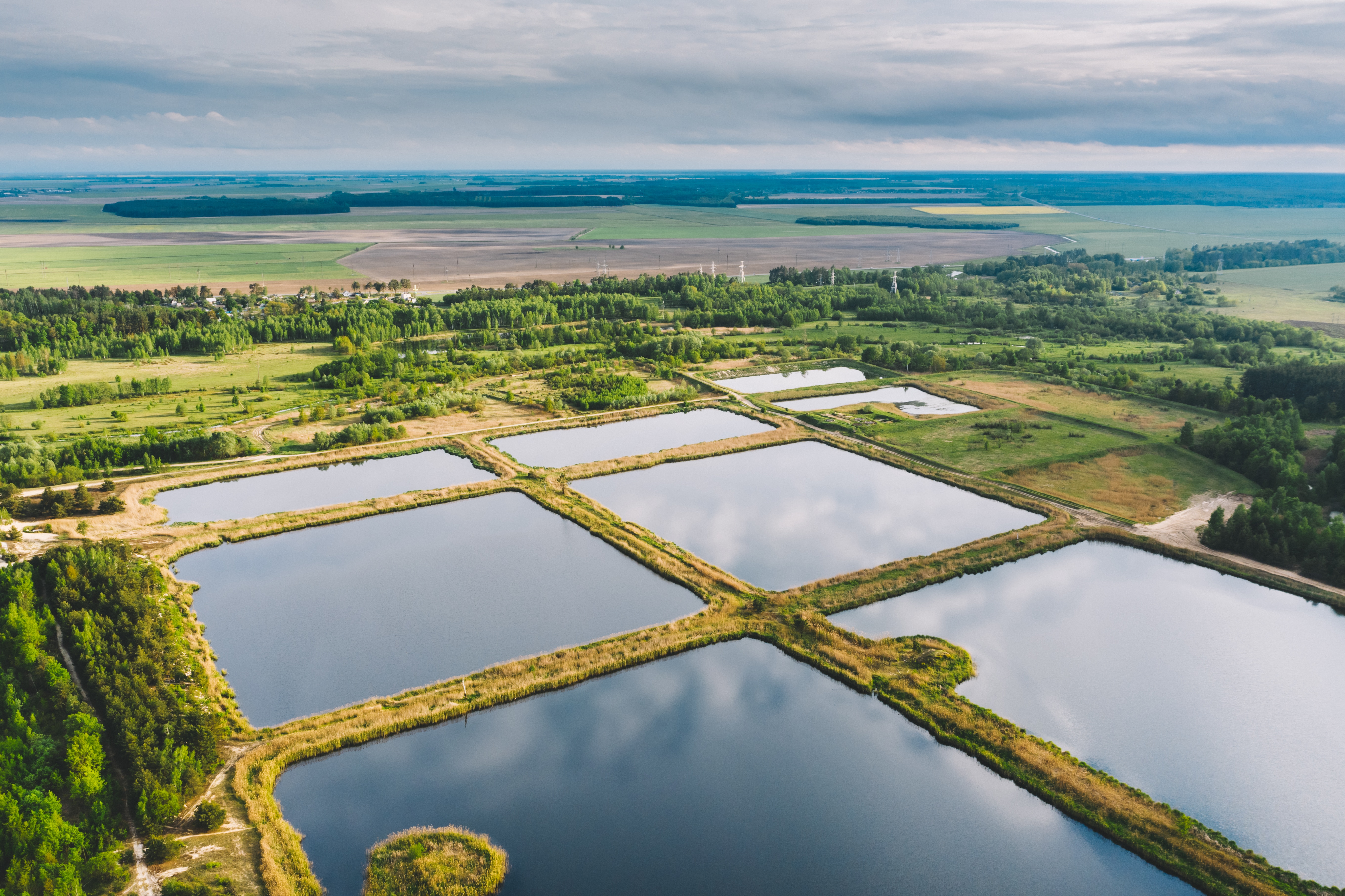
WOTUS Delineation for Proposed Stormwater Detention Improvements
ESE conducted a comprehensive Water Resources Evaluation for an approximately 102-acre tract to support planned stormwater detention improvements and assess potential impacts to Waters of the United States under Section 404 of the Clean Water Act.
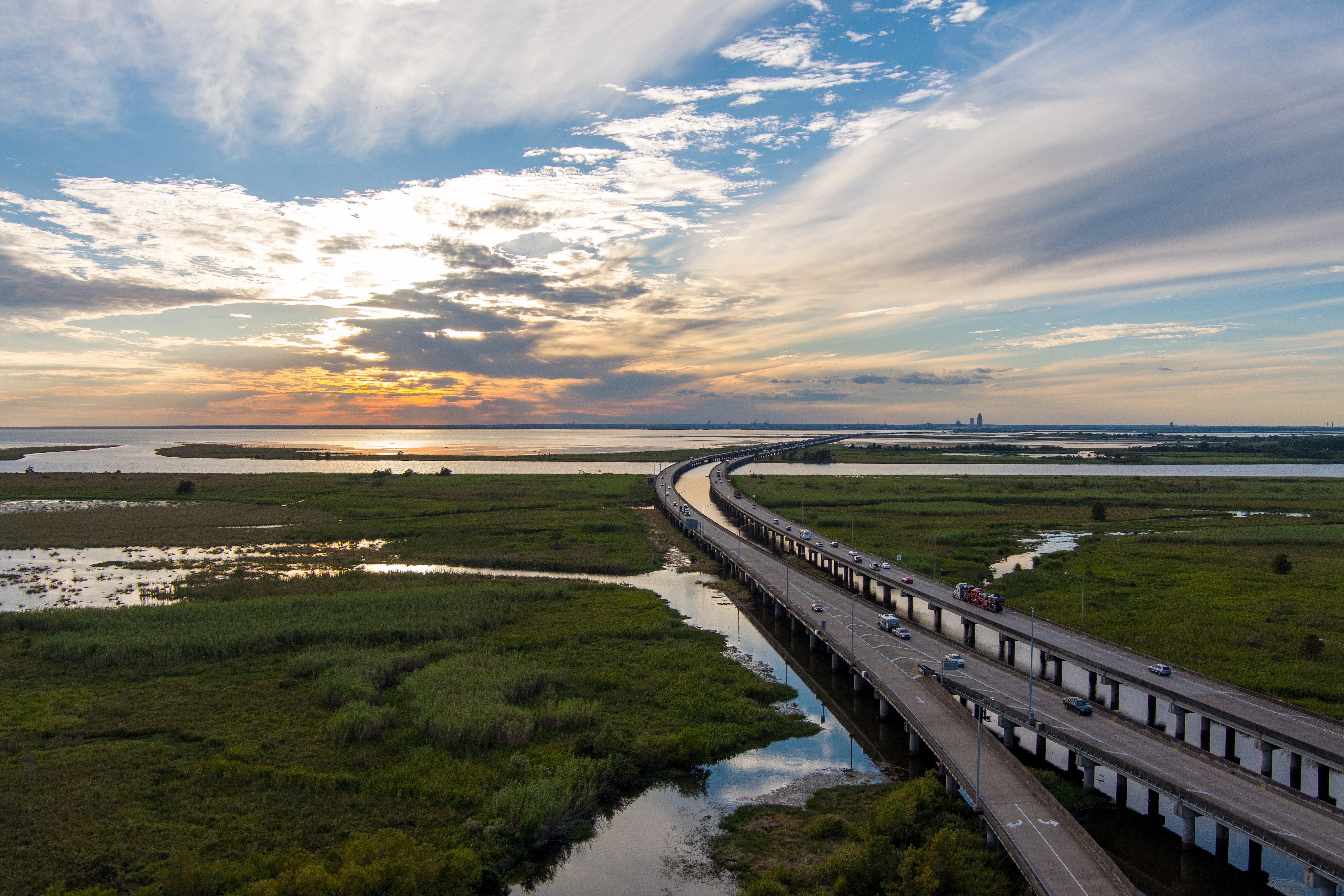
Comprehensive Water Resources Evaluation for Linear Transportation Corridor
ESE conducted a comprehensive Wetland and Waters of the United States evaluation along an approximately 16-mile coastal transportation corridor in South Texas to support ongoing infrastructure planning and regulatory coordination.
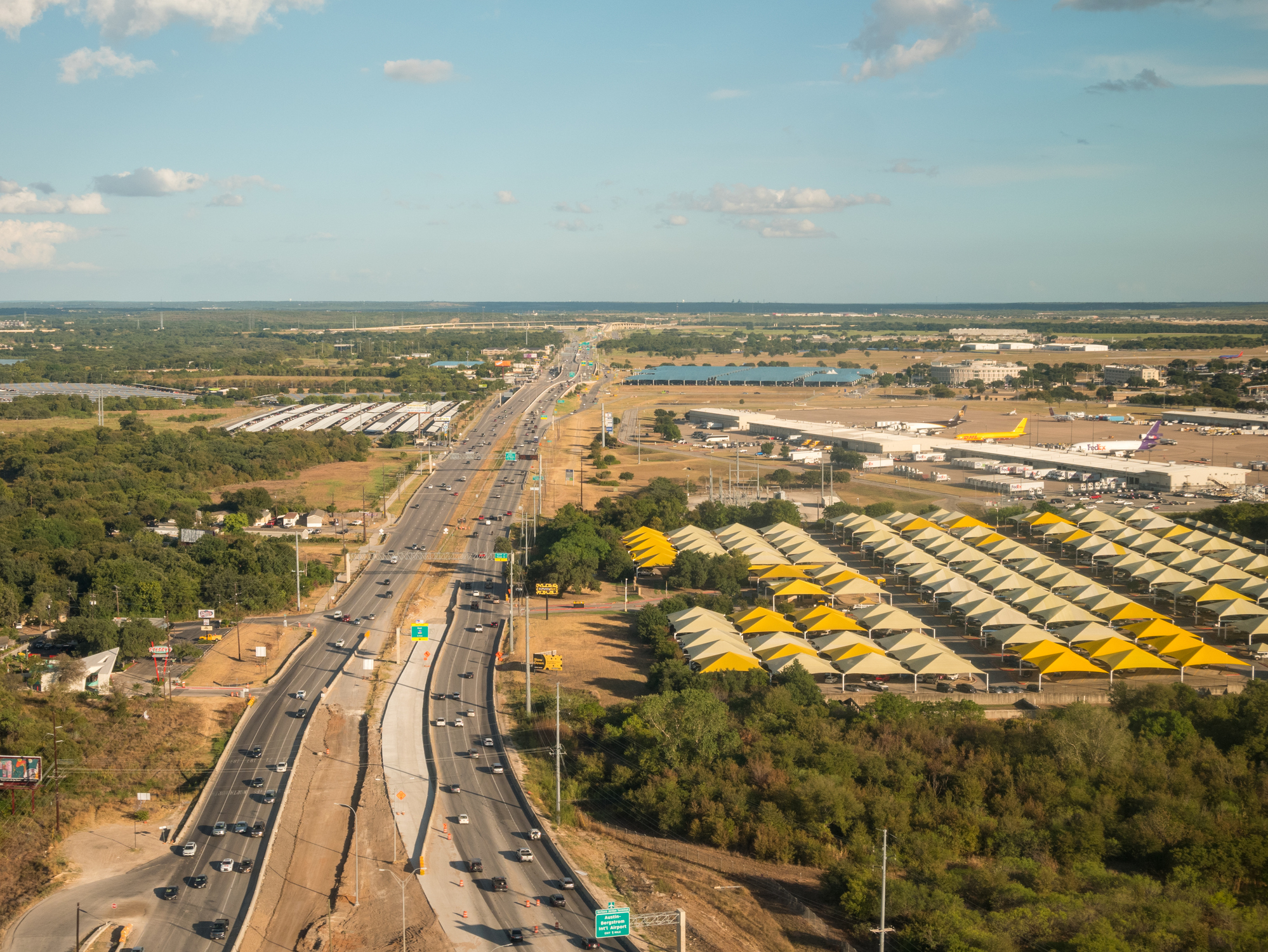
City of Austin ERI
ESE prepared a City of Austin Environmental Resources Inventory (ERI) to fulfill City of Austin requirements and support the project’s planning and development for regional airport parking.
Frequently Asked Questions About Protective Species & Wildlife Services
What are "protected species" and what legal protections apply in Texas?
“Protected species” typically refers to wildlife and plants with legal protections that can restrict clearing, grading, construction timing, or operations. In Texas, protections most commonly come from federal ESA-listed threatened and endangered species (generally administered by U.S. Fish & Wildlife Service for most terrestrial/freshwater species), Texas state-listed threatened and endangered species and related state authorities (generally administered by Texas Parks & Wildlife), and planning and conservation priority species datasets used for screening and risk management (for example, conservation-need species lists used for early constraints screening).
When does my project need a protected species and wildlife evaluation?
You typically need protected species and wildlife support when buying, selling, or financing land where wildlife constraints could affect developable area, project timing, or overall cost as part of environmental due diligence. This support is also important for greenfield development projects such as subdivisions, industrial parks, distribution centers, and mixed-use sites, as well as linear projects like pipelines, transmission lines, and roadways where habitat crossings may create compliance triggers. Projects that use federal funding or require a federal permit or approval often elevate wildlife review through NEPA or Endangered Species Act (ESA) pathways. For public infrastructure projects, ESA commitments can directly affect delivery schedules, with consultation timelines ranging from months to years depending on project complexity.
What are the risks of skipping or delaying protected species and wildlife work?
Skipping or delaying this scope can lead to late-stage redesigns (setbacks, buffers, reduced footprint, shifted alignments), schedule impacts from seasonal survey windows or consultation timelines, permitting and financing friction when agencies or lenders request defensible documentation, and stop-work exposure if protected species are encountered after mobilization. Projects move faster — and with fewer surprises — when protected species and wildlife constraints are identified early, documented defensibly, and translated into practical design and permitting actions.
What does ESE Partners' protected species and wildlife process look like?
ESE Partners’ Comprehensive by Design approach means they don’t simply produce a biology memo — they focus on schedule, defensibility, and constructability. The process begins with early, map-based screening to identify likely protected species and habitat constraints before a site plan is finalized or a tract is priced, and targets surveys to the species and habitat features that actually drive project risk, rather than recommending a “survey everything” approach. The full process includes: desktop constraint screening (habitat, land cover, hydrology, known species occurrences, and agency screening tools); a regulatory pathway check (federal nexus, approvals in play, likely ESA touchpoint); survey scoping (species/habitat-specific methods, timing windows, access needs); field surveys (as needed) with photo logs, georeferenced observations, and impact-relevant notes; impact assessment and recommendations (avoid/minimize/mitigate; construction sequencing; design refinements); agency coordination support (documentation packages and responses aligned with the pathway being used); and ongoing compliance during construction (training, monitoring, and reporting right-sized to actual risk).