What Is Site Characterization & Investigation?
Site Characterization & Investigation is the process of evaluating soil, groundwater, soil vapor, sediment, surface water, and other environmental media to determine whether contamination is present, where it is located, how far it extends, and whether it creates a regulatory, transactional, or human health risk.
This work may be completed following a Phase I Environmental Site Assessment, in response to known or suspected releases, or as part of remediation planning, redevelopment, permitting, or regulatory closure. For environmental due diligence projects, the investigation may align with ASTM E1903-19, the ASTM standard practice for the Phase II Environmental Site Assessment process, which provides a scientifically based framework for evaluating known or likely releases.
Typical site characterization activities include:
- Soil borings and test pits
- Groundwater monitoring well installation and sampling
- Soil vapor or sub-slab vapor assessment
- Waste characterization sampling
- Delineation of petroleum, solvent, metals, or other chemical impacts
- Development of conceptual site models
- Data evaluation against applicable regulatory criteria
- Preparation of investigation reports, corrective action recommendations, or regulatory submittals
The goal is not simply to collect samples—it is to answer the right business and regulatory questions with the right level of data.
Request Your Site Characterization & Investigation Today
Texas’ most trusted environmental experts – comprehensive by design.
When Is Site Characterization & Investigation Required?
Site Characterization & Investigation may be needed when environmental risk could affect a transaction, development plan, or regulatory obligation. Common triggers include:
- Recognized Environmental Conditions (RECs) identified during a Phase I ESA
- Lender requests for subsurface investigation before loan approval or refinancing
- Commercial real estate acquisitions involving current or former industrial, automotive, dry-cleaning, fueling, or manufacturing uses
- Redevelopment projects where contaminated soil or groundwater may affect construction cost, schedule, or site design
- Known or suspected releases of petroleum products, solvents, metals, pesticides, or other regulated substances
- TCEQ regulatory programs, including assessment or cleanup under the Texas Risk Reduction Program (TRRP)
- Brownfield or infill development where legacy land use may have created environmental impacts
- Energy and infrastructure projects requiring baseline environmental conditions or release investigations
- Waste disposal or soil management decisions during construction, demolition, or excavation
- Legal or transactional disputes involving responsibility for historical contamination
ESE Partners’ Approach
Texas’ Most Trusted Environmental Experts – Comprehensive by Design
ESE Partners approaches Site Characterization and Investigation with one objective: delivering defensible answers without overcomplicating the deal. Our team understands that environmental investigation is often performed under tight timelines, with lenders, buyers, sellers, attorneys, and regulators all needing clear information quickly. We design scopes of work that are technically sound, appropriately scaled, and focused on decision-making.
Our approach is different because we use transaction-focused scoping to investigate what matters to the deal rather than every theoretical concern, supported by Texas regulatory expertise in TCEQ programs, TRRP requirements, petroleum release issues, industrial site history, and Texas-specific environmental conditions. ESE provides fast mobilization because environmental delays can threaten closing dates, construction starts, and financing milestones, and we communicate clearly with practical updates rather than only technical data tables. Most importantly, we deliver defensible conclusions by connecting field data, laboratory results, site history, and regulatory criteria into clear findings, with practical recommendations that avoid overcalling risk while still identifying real exposure, cost, and compliance concerns.
Our Process
- Project Kickoff & Risk Review: We review available Phase I ESA findings, site history, regulatory records, prior reports, site plans, and client objectives.
- Scope Development: ESE designs a targeted investigation plan based on suspected release areas, chemicals of concern, site operations, environmental media, access constraints, and transaction deadlines.
- Utility Clearance & Field Coordination: We coordinate drilling access, private utility locating, safety requirements, site contacts, and work schedules to minimize disruption.
- Field investigation: Our team completes sampling activities such as soil borings, groundwater sampling, monitoring well installation, vapor sampling, or waste characterization.
- Laboratory Analysis: Samples are submitted to qualified laboratories for analysis based on likely contaminants, including petroleum hydrocarbons, VOCs, SVOCs, metals, PCBs, pesticides, or other site-specific parameters.
- Data Evaluation: Results are compared to applicable screening levels, project objectives, and regulatory criteria, including TCEQ standards where appropriate.
- Conceptual Site Model Development: We evaluate source areas, migration pathways, impacted media, exposure routes, receptors, and potential regulatory obligations.
- Reporting & Recommendations: ESE prepares a clear report summarizing methods, findings, conclusions, limitations, and next steps, including whether additional delineation, remediation, regulatory reporting, or no further action appears appropriate.
Regulatory Framework
Site Characterization & Investigation may be driven by due diligence requirements, regulatory programs, or both. ESE scopes each project around the applicable framework.
ASTM Standards
For commercial real estate due diligence, many investigations follow the principles of ASTM E1903-19, which addresses the Phase II ESA process and emphasizes objective, representative, reproducible, and defensible information.
A Phase II or site investigation may be conducted after a Phase I ESA performed under ASTM E1527 or EPA’s All Appropriate Inquiries rule, but ASTM E1903 also recognizes that the scope should be tailored to the user’s objectives, the site conditions, the substances of concern, available information, and time or resource constraints.
EPA Due Diligence Context
EPA’s All Appropriate Inquiries rule recognizes ASTM E1527-21 for Phase I Environmental Site Assessments and ASTM E2247-23 for certain forestland or rural property assessments as consistent with AAI requirements. Site Characterization & Investigation is often the next step when Phase I findings identify potential release concerns that require subsurface evaluation.
TCEQ and Texas Risk Reduction Program
In Texas, investigation and cleanup may fall under the Texas Risk Reduction Program (TRRP), which provides the framework for affected property assessments, protective concentration levels, remedy standards, and regulatory closure pathways.
When a release is subject to TRRP, site characterization must be sufficient to evaluate affected environmental media, chemicals of concern, exposure pathways, and response action requirements.
Risks of Not Completing Site Characterization & Investigation
Skipping or delaying a necessary environmental investigation can create bigger problems later in the transaction or project lifecycle.
Potential risks include:
- Unexpected cleanup costs discovered after closing
- Lender delays or loan denials due to unresolved environmental uncertainty
- Loss of liability protections if due diligence is incomplete or poorly documented
- Construction delays caused by contaminated soil, groundwater, or vapor issues
- Improper soil disposal or waste misclassification during excavation
- Regulatory exposure if a reportable release is not properly assessed or addressed
- Reduced property value due to unresolved environmental conditions
- Disputes between buyers, sellers, tenants, operators, or contractors
- Vapor intrusion concerns affecting building design, occupancy, or redevelopment plans
A well-designed investigation helps convert uncertainty into actionable information—before it becomes a cost, schedule, or liability problem.
More Environmental Remediation Services

Remediation Design & Implementation
When active remediation is necessary, our site investigation and remediation consulting team selects the most technically sound approach for each unique site. We evaluate a full spectrum of remedial methods before committing to a strategy, because the right solution depends on contaminant type, site geology, regulatory program, and end-use goals.

Brownfields & Redevelopment Support
ESE Partners is committed to recycling the land and revitalizing cities and neighborhoods. Environmentally impacted properties carry hidden financial potential, and we help our clients unlock it through strategic environmental risk management and engineering.
Industries We Serve
ESE operates in a wide range of industries, all with unique needs and regulatory obligations. We offer experts who understand the broad complexity of environmental challenges faced by today’s businesses.

Real Estate Brokers & Developers
ESE helps brokers and developers reduce deal friction and avoid surprises through fast, defensible environmental due diligence. We support property evaluations, redevelopment risk screening, and transaction-ready reporting for Texas assets.

Private Equity/Capital Investors
Transaction support for acquisitions and portfolio oversight, including Phase I/II ESAs and risk-based evaluation. We provide clear findings, practical recommendations, and scalable diligence support.

Financial Institutions
ESE supports lender-driven environmental due diligence and portfolio risk management, including Phase I/II ESAs and risk screening. We deliver consistent, defensible reporting aligned with credit and closing timelines.

Attorneys
Technical support for environmental risk, liability evaluation, and regulatory strategy. We provide clear documentation and expert collaboration to support transactions, compliance matters, and remediation planning.
Why ESE Partners
ESE Partners is built for complex environmental challenges across Texas, with Site Characterization and Investigation services supported by a multidisciplinary team experienced in environmental due diligence, remediation, compliance, natural and cultural resources, industrial sites, real estate transactions, and infrastructure development. Clients choose ESE for Texas-focused expertise across Houston, Dallas-Fort Worth, Austin, San Antonio, and statewide markets, as well as comprehensive environmental service lines that span Phase I ESAs, Phase II investigations, remediation, compliance, natural resources, cultural resources, and building sciences.
Our responsive project teams understand deal timelines and construction pressures, providing practical risk communication for lenders, attorneys, developers, brokers, and owners. ESE offers scalable field capabilities for single-property assessments and multi-site portfolios, supported by regulatory knowledge involving TCEQ, EPA, TRRP, petroleum releases, brownfields, and corrective action programs. Our business-minded recommendations support transactions, development, financing, and long-term asset management. ESE’s philosophy is simple: be comprehensive by design, technically defensible, and responsive when clients need answers.
Need a Site Characterization & Investigation proposal in Texas?
Contact ESE Partners today to speak with an environmental professional, define the right scope, and get clear answers before environmental uncertainty slows your deal, development, or regulatory path forward.
Our Environmental Remediation Projects

Environmental Health and Safety Plan for Utility and Roadway Improvements in PPCA Areas
ESE prepared a Site Environmental Health and Safety Plan designed specifically for utility construction activities conducted within Potentially Petroleum Contaminated Areas associated with LPST/PST conditions, providing a clear framework to protect workers, maintain safe operations, and support compliant field execution during active construction.
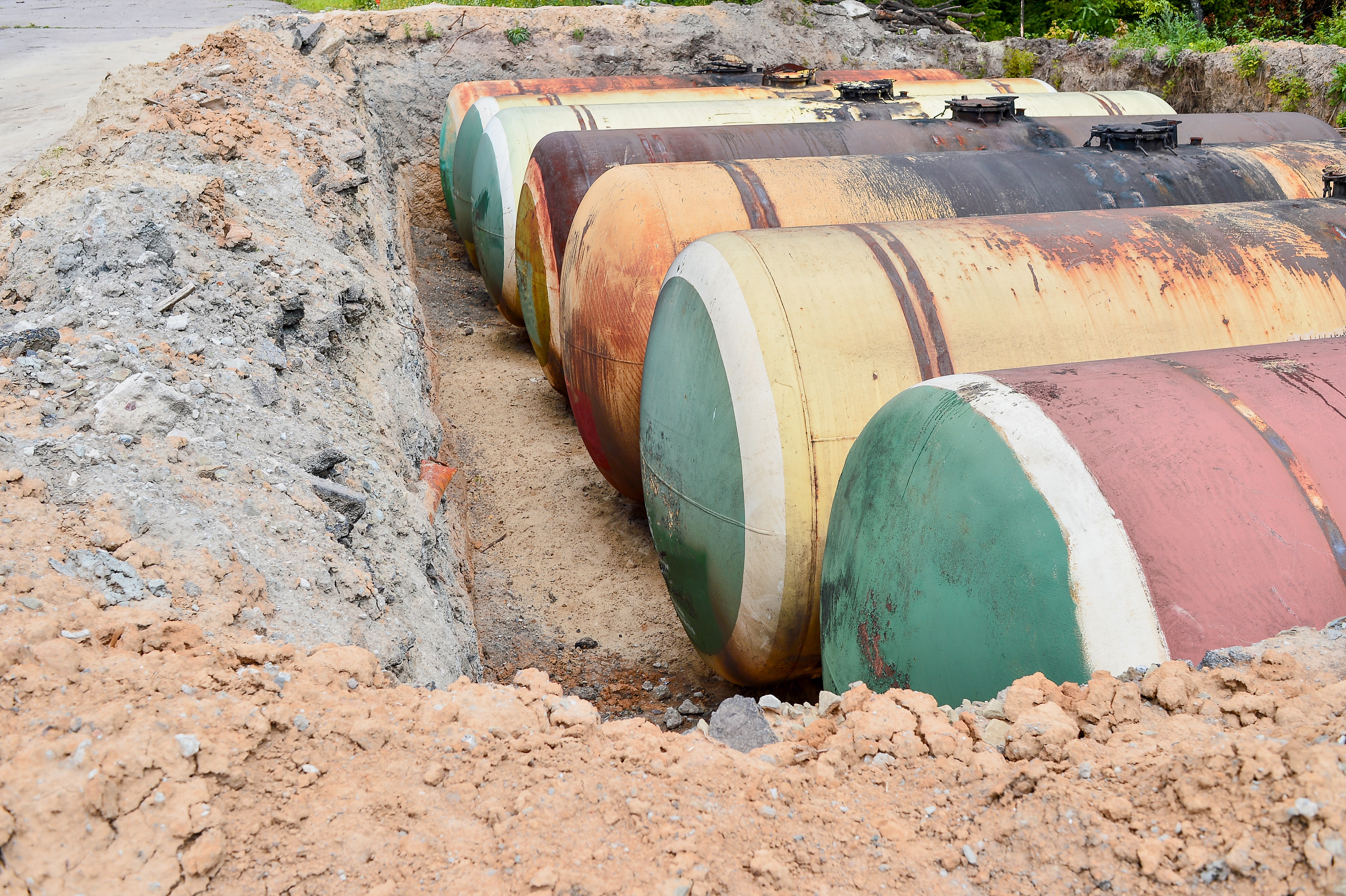
Tank Removal and Release Determination for Diesel UST
ESE completed a tank removal and release determination for a diesel underground storage tank at an active healthcare facility in Texas, delivering regulator-ready documentation to support compliant closure and reduce environmental liability.
EPA-Funded Brownfields QAPP and Sampling Plan for Municipal Redevelopment
ESE prepared a Quality Assurance Project Plan for an EPA-funded Brownfields effort supporting a municipal brownfields program, providing the quality framework and sampling plan needed to conduct limited subsurface investigations and produce defensible, regulator-ready data.
Frequently Asked Questions About Site Characterization & Investigations
What is Site Characterization & Investigation?
Site Characterization & Investigation is the process of evaluating soil, groundwater, soil vapor, sediment, surface water, and other environmental media to determine whether contamination is present, where it is located, how far it extends, and whether it creates a regulatory, transactional, or human health risk. This work may be completed following a Phase I Environmental Site Assessment, in response to known or suspected releases, or as part of remediation planning, redevelopment, permitting, or regulatory closure. For environmental due diligence projects, the investigation may align with ASTM E1903-19, the ASTM standard practice for the Phase II Environmental Site Assessment process. Typical activities include soil borings and test pits, groundwater monitoring well installation and sampling, soil vapor or sub-slab vapor assessment, waste characterization sampling, delineation of petroleum, solvent, metals, or other chemical impacts, development of conceptual site models, data evaluation against applicable regulatory criteria, and preparation of investigation reports, corrective action recommendations, or regulatory submittals. The goal is not simply to collect samples — it is to answer the right business and regulatory questions with the right level of data.
When is Site Characterization & Investigation required?
Site Characterization & Investigation may be needed when environmental risk could affect a transaction, development plan, or regulatory obligation. Common triggers include Recognized Environmental Conditions (RECs) identified during a Phase I ESA, lender requests for subsurface investigation before loan approval or refinancing, commercial real estate acquisitions involving current or former industrial, automotive, dry-cleaning, fueling, or manufacturing uses, redevelopment projects where contaminated soil or groundwater may affect construction cost, schedule, or site design, known or suspected releases of petroleum products, solvents, metals, pesticides, or other regulated substances, TCEQ regulatory programs (including assessment or cleanup under the Texas Risk Reduction Program), brownfield or infill development where legacy land use may have created environmental impacts, energy and infrastructure projects requiring baseline environmental conditions or release investigations, waste disposal or soil management decisions during construction, demolition, or excavation, and legal or transactional disputes involving responsibility for historical contamination.
What are the risks of skipping or delaying a necessary environmental investigation?
Skipping or delaying a necessary environmental investigation can create bigger problems later in the transaction or project lifecycle, including unexpected cleanup costs discovered after closing, lender delays or loan denials due to unresolved environmental uncertainty, loss of liability protections if due diligence is incomplete or poorly documented, construction delays caused by contaminated soil, groundwater, or vapor issues, improper soil disposal or waste misclassification during excavation, regulatory exposure if a reportable release is not properly assessed or addressed, reduced property value due to unresolved environmental conditions, disputes between buyers, sellers, tenants, operators, or contractors, and vapor intrusion concerns affecting building design, occupancy, or redevelopment plans. A well-designed investigation helps convert uncertainty into actionable information — before it becomes a cost, schedule, or liability problem.
What does ESE Partners' Site Characterization & Investigation process look like?
ESE Partners approaches Site Characterization and Investigation with one objective: delivering defensible answers without overcomplicating the deal — using transaction-focused scoping to investigate what matters to the deal rather than every theoretical concern, providing fast mobilization because environmental delays can threaten closing dates, construction starts, and financing milestones, and delivering defensible conclusions that connect field data, laboratory results, site history, and regulatory criteria into clear findings. The process includes: project kickoff and risk review (Phase I ESA findings, site history, regulatory records, prior reports, site plans, and client objectives); scope development (a targeted investigation plan based on suspected release areas, chemicals of concern, site operations, environmental media, access constraints, and transaction deadlines); utility clearance and field coordination (drilling access, private utility locating, safety requirements, site contacts, and work schedules); field investigation (soil borings, groundwater sampling, monitoring well installation, vapor sampling, or waste characterization); laboratory analysis (for likely contaminants such as petroleum hydrocarbons, VOCs, SVOCs, metals, PCBs, or pesticides); data evaluation (comparing results to applicable screening levels, project objectives, and regulatory criteria including TCEQ standards); conceptual site model development (source areas, migration pathways, impacted media, exposure routes, receptors, and potential regulatory obligations); and reporting and recommendations (summarizing methods, findings, conclusions, limitations, and next steps — whether additional delineation, remediation, regulatory reporting, or no further action appears appropriate). The work may align with ASTM E1903-19, EPA’s All Appropriate Inquiries context (ASTM E1527-21 and E2247-23), and the Texas Risk Reduction Program (TRRP).