What Is Regulatory Closure & Reporting?
Regulatory Closure & Reporting is the process of documenting environmental investigation, remediation, risk evaluation, and compliance activities in a format accepted by the applicable regulatory agency. In Texas, this often means preparing reports and closure documentation for the Texas Commission on Environmental Quality (TCEQ), particularly when contamination involves soil, groundwater, petroleum storage tanks, industrial operations, legacy releases, or redevelopment sites.
Regulatory closure may involve documenting that a release has been adequately assessed, that response actions have met applicable standards, or that remaining conditions can be managed under an approved regulatory pathway. The Texas Risk Reduction Program, commonly referred to as TRRP, is contained in 30 Texas Administrative Code Chapter 350 and is a key framework for evaluating affected properties and response actions in Texas.
ESE supports clients with closure-driven environmental reporting for programs such as:
- TCEQ remediation projects
- Petroleum Storage Tank release sites
- Voluntary Cleanup Program projects
- Corrective action and response action documentation
- Soil and groundwater assessment reporting
- Remediation completion and closure packages
- Agency response letters, technical submittals, and data gap responses
Request Your Regulatory Closure & Reporting Services Today
Texas’ most trusted environmental experts – comprehensive by design.
When Is Regulatory Closure & Reporting Required?
Regulatory closure and reporting may be needed when:
- A Phase I ESA or Phase II ESA identifies recognized environmental conditions or confirmed impacts
- A lender, buyer, or attorney requires environmental closure before acquisition or refinancing
- Soil or groundwater contamination is discovered during redevelopment or construction
- A petroleum storage tank release has been reported to TCEQ
- Historical industrial use creates unresolved environmental liabilities
- A property is entering or exiting the TCEQ Voluntary Cleanup Program
- A site must demonstrate compliance with TRRP or another applicable cleanup standard
- Regulatory files show open environmental incidents, unresolved correspondence, or incomplete reporting
- A company needs to close out a remediation obligation before sale, financing, or redevelopment
For commercial real estate, infrastructure, and energy projects, unresolved environmental reporting can become a transaction issue quickly. Closure strategy should be aligned with deal timing, risk tolerance, land use, and agency expectations.
ESE Partners’ Approach
Texas’ Most Trusted Environmental Experts – Comprehensive by Design
ESE Partners approaches regulatory closure with one objective: helping clients reach a defensible, agency-acceptable endpoint without creating unnecessary delays or over-engineering the solution. Our team combines environmental due diligence, site assessment, remediation, compliance, and regulatory reporting experience to help clients understand what is required, what is practical, and what will keep the project moving. We emphasize a closure-first strategy by evaluating the end goal before recommending additional work, supported by Texas regulatory expertise in how TCEQ programs are applied in real-world property, industrial, and infrastructure settings.
ESE provides practical recommendations focused on resolving actual data gaps rather than generating unnecessary sampling or reporting. We also translate technical findings into useful guidance for owners, lenders, attorneys, and project teams, with responsive execution that recognizes how closure timelines can affect financing, acquisition, redevelopment, and construction schedules. With statewide delivery across Houston, Dallas-Fort Worth, Austin, San Antonio, and rural or industrial markets throughout Texas, ESE helps clients move toward closure with clarity and confidence.
Our Process
- Regulatory File Review: We review available TCEQ records, historical reports, correspondence, permits, release documentation, and prior closure attempts.
- Closure Pathway Evaluation: We identify the applicable regulatory framework, potential cleanup standard, program requirements, and data gaps.
- Site Conditions Assessment: When needed, we evaluate soil, groundwater, vapor, or operational conditions to support the closure strategy.
- Data Gap Resolution: We develop targeted sampling, monitoring, or technical documentation to address only what is necessary for regulatory progress.
- Report Preparation: ESE prepares clear, technically defensible reports, response letters, closure requests, and supporting tables, figures, and analytical summaries.
- Agency Coordination: We support communication with TCEQ or other agencies to clarify requirements, respond to comments, and keep the closure process moving.
- Closure Documentation: We compile the final regulatory reporting package needed to support case closure, no further action determinations, program completion, or transaction documentation.
Regulatory Framework
Regulatory closure and reporting requirements depend on the site history, contaminants, property use, and applicable regulatory program. Common frameworks include:
TCEQ Texas Risk Reduction Program (TRRP)
TRRP is located in 30 TAC Chapter 350 and provides Texas’ risk-based framework for evaluating affected properties and response actions.
TCEQ Petroleum Storage Tank Program
TCEQ maintains forms and guidance for leaking petroleum storage tank releases, including assessment and reporting resources for responsible parties.
TCEQ Voluntary Cleanup Program
The Texas VCP is designed to encourage cleanup of contaminated sites through administrative, technical, and legal incentives.
Federal environmental requirements, when applicable
Certain sites may also involve federal considerations under programs such as CERCLA, RCRA, or EPA oversight, depending on the nature of the release, facility history, and enforcement context.
Transaction-driven environmental due diligence
Regulatory closure documentation may be used alongside Phase I ESA, Phase II ESA, remediation, or lender environmental risk management requirements.
Because regulatory closure is site-specific, ESE evaluates the applicable pathway before recommending additional investigation or reporting.
Risks of Not Completing Regulatory Closure & Reporting
Failing to resolve open environmental issues can create real business consequences, including:
- Deal delays: Buyers, lenders, and attorneys may pause closing until environmental conditions are understood or resolved.
- Financing issues: Open releases, unresolved agency comments, or incomplete reporting can affect lender confidence.
- Unexpected liability: Owners or operators may inherit unresolved cleanup obligations.
- Regulatory exposure: Incomplete reporting can lead to continued agency oversight, requests for additional information, or enforcement risk.
- Redevelopment uncertainty: Construction schedules can be disrupted when contamination or agency requirements are discovered late.
- Reduced property value: Unresolved environmental files can affect buyer perception, underwriting, and negotiation leverage.
- Poor risk allocation: Without clear closure documentation, purchase agreements, indemnities, and environmental insurance decisions become harder to structure.
The goal is not just to “write a report.” The goal is to create a defensible record that supports the business decision.
More Environmental Remediation Services

Remediation Design & Implementation
When active remediation is necessary, our site investigation and remediation consulting team selects the most technically sound approach for each unique site. We evaluate a full spectrum of remedial methods before committing to a strategy, because the right solution depends on contaminant type, site geology, regulatory program, and end-use goals.

Brownfields & Redevelopment Support
ESE Partners is committed to recycling the land and revitalizing cities and neighborhoods. Environmentally impacted properties carry hidden financial potential, and we help our clients unlock it through strategic environmental risk management and engineering.
Industries We Serve
ESE operates in a wide range of industries, all with unique needs and regulatory obligations. We offer experts who understand the broad complexity of environmental challenges faced by today’s businesses.

Real Estate Brokers & Developers
ESE helps brokers and developers reduce deal friction and avoid surprises through fast, defensible environmental due diligence. We support property evaluations, redevelopment risk screening, and transaction-ready reporting for Texas assets.

Private Equity/Capital Investors
Transaction support for acquisitions and portfolio oversight, including Phase I/II ESAs and risk-based evaluation. We provide clear findings, practical recommendations, and scalable diligence support.

Financial Institutions
ESE supports lender-driven environmental due diligence and portfolio risk management, including Phase I/II ESAs and risk screening. We deliver consistent, defensible reporting aligned with credit and closing timelines.

Attorneys
Technical support for environmental risk, liability evaluation, and regulatory strategy. We provide clear documentation and expert collaboration to support transactions, compliance matters, and remediation planning.
Why ESE Partners
ESE Partners is Texas’ Most Trusted Environmental Experts — Comprehensive by Design. Clients choose ESE because we understand both the technical requirements and the business pressure behind regulatory closure, supporting commercial real estate transactions, energy projects, infrastructure development, industrial operations, and legal strategy across Texas.
Our team brings Texas-focused regulatory experience together with environmental due diligence, Phase I ESAs, Phase II ESAs, remediation, compliance, natural and cultural resources, and building sciences under one coordinated platform. ESE’s responsive project managers understand transaction timelines and deliver practical reporting that supports closure without overstating risk. With experience working with owners, developers, lenders, attorneys, energy companies, and public-sector stakeholders, and statewide scalability across Houston, Dallas-Fort Worth, Austin, San Antonio, and beyond, ESE helps clients move from uncertainty to closure, whether they are closing a TCEQ file, resolving a petroleum release, supporting a property transaction, or preparing a defensible remediation report.
Need to resolve an open environmental issue or keep a deal moving?
Contact ESE Partners today to discuss Regulatory Closure & Reporting in Texas and request a proposal.
Our Environmental Remediation Projects

Environmental Health and Safety Plan for Utility and Roadway Improvements in PPCA Areas
ESE prepared a Site Environmental Health and Safety Plan designed specifically for utility construction activities conducted within Potentially Petroleum Contaminated Areas associated with LPST/PST conditions, providing a clear framework to protect workers, maintain safe operations, and support compliant field execution during active construction.
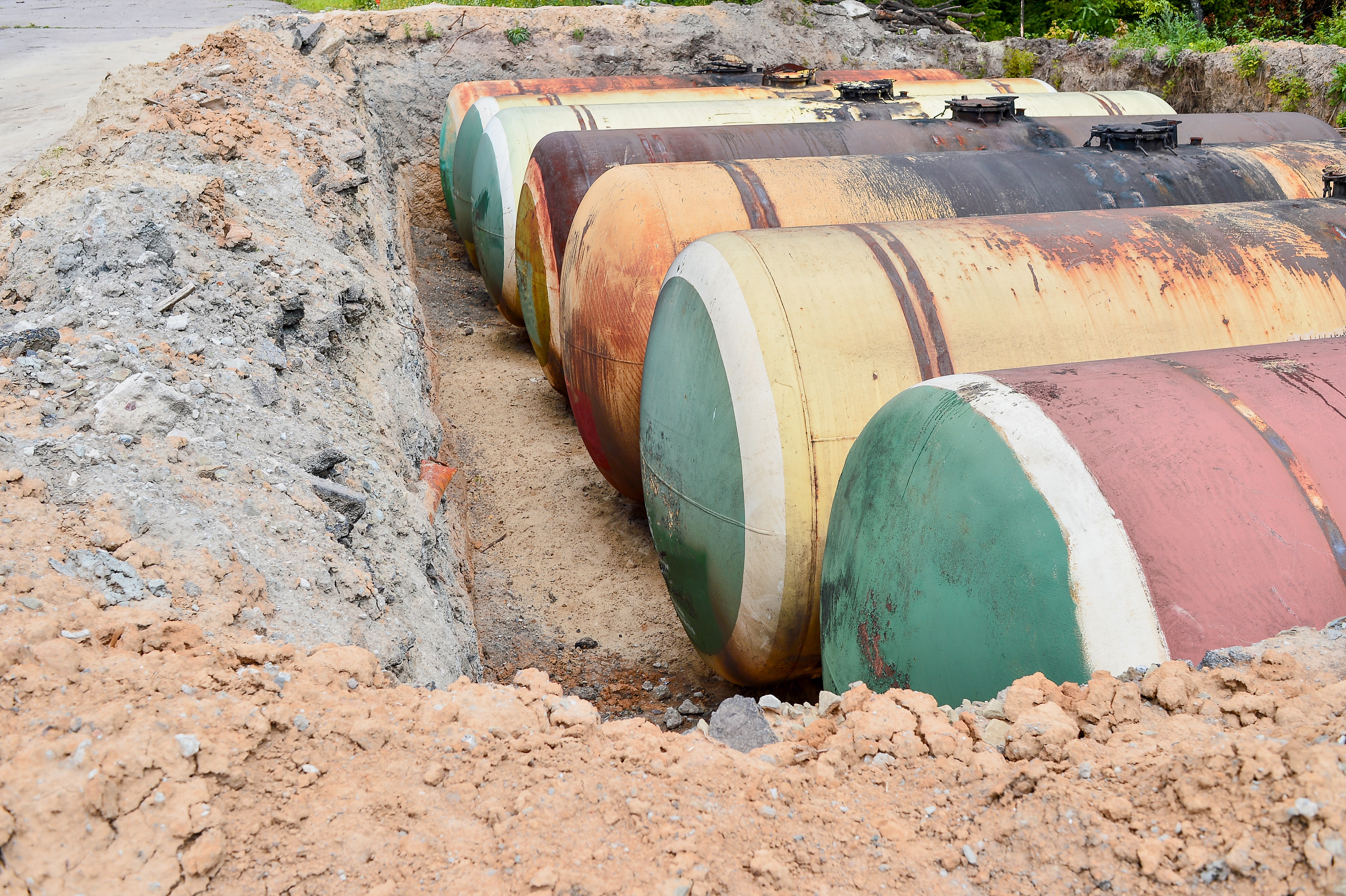
Tank Removal and Release Determination for Diesel UST
ESE completed a tank removal and release determination for a diesel underground storage tank at an active healthcare facility in Texas, delivering regulator-ready documentation to support compliant closure and reduce environmental liability.

EPA-Funded Brownfields QAPP and Sampling Plan for Municipal Redevelopment
ESE prepared a Quality Assurance Project Plan for an EPA-funded Brownfields effort supporting a municipal brownfields program, providing the quality framework and sampling plan needed to conduct limited subsurface investigations and produce defensible, regulator-ready data.
Frequently Asked Questions About Regulatory Closure & Reporting
What is Regulatory Closure & Reporting?
Regulatory Closure & Reporting is the process of documenting environmental investigation, remediation, risk evaluation, and compliance activities in a format accepted by the applicable regulatory agency. In Texas, this often means preparing reports and closure documentation for the Texas Commission on Environmental Quality (TCEQ), particularly when contamination involves soil, groundwater, petroleum storage tanks, industrial operations, legacy releases, or redevelopment sites. Regulatory closure may involve documenting that a release has been adequately assessed, that response actions have met applicable standards, or that remaining conditions can be managed under an approved regulatory pathway. The Texas Risk Reduction Program (TRRP), contained in 30 Texas Administrative Code Chapter 350, is a key framework for evaluating affected properties and response actions. ESE supports closure-driven reporting for TCEQ remediation projects, Petroleum Storage Tank release sites, Voluntary Cleanup Program projects, corrective/response action documentation, soil and groundwater assessment reporting, remediation completion and closure packages, and agency response letters and technical submittals.
When is Regulatory Closure & Reporting required?
Regulatory closure and reporting may be needed when a Phase I ESA or Phase II ESA identifies recognized environmental conditions or confirmed impacts, when a lender, buyer, or attorney requires environmental closure before acquisition or refinancing, when soil or groundwater contamination is discovered during redevelopment or construction, when a petroleum storage tank release has been reported to TCEQ, when historical industrial use creates unresolved environmental liabilities, when a property is entering or exiting the TCEQ Voluntary Cleanup Program, when a site must demonstrate compliance with TRRP or another applicable cleanup standard, when regulatory files show open environmental incidents, unresolved correspondence, or incomplete reporting, or when a company needs to close out a remediation obligation before sale, financing, or redevelopment. For commercial real estate, infrastructure, and energy projects, unresolved environmental reporting can become a transaction issue quickly — so closure strategy should be aligned with deal timing, risk tolerance, land use, and agency expectations.
What are the risks of not completing Regulatory Closure & Reporting?
Failing to resolve open environmental issues can create real business consequences, including deal delays (buyers, lenders, and attorneys may pause closing until environmental conditions are understood or resolved), financing issues (open releases, unresolved agency comments, or incomplete reporting can affect lender confidence), unexpected liability (owners or operators may inherit unresolved cleanup obligations), regulatory exposure (incomplete reporting can lead to continued agency oversight, requests for additional information, or enforcement risk), redevelopment uncertainty (construction schedules can be disrupted when contamination or agency requirements are discovered late), reduced property value (unresolved environmental files can affect buyer perception, underwriting, and negotiation leverage), and poor risk allocation (without clear closure documentation, purchase agreements, indemnities, and environmental insurance decisions become harder to structure). The goal is not just to “write a report” — it’s to create a defensible record that supports the business decision.
What does ESE Partners' regulatory closure process look like?
ESE Partners approaches regulatory closure with one objective: helping clients reach a defensible, agency-acceptable endpoint without creating unnecessary delays or over-engineering the solution — emphasizing a closure-first strategy that evaluates the end goal before recommending additional work, and focusing on resolving actual data gaps rather than generating unnecessary sampling or reporting. The process includes: regulatory file review (reviewing available TCEQ records, historical reports, correspondence, permits, release documentation, and prior closure attempts); closure pathway evaluation (identifying the applicable regulatory framework, potential cleanup standard, program requirements, and data gaps); site conditions assessment (evaluating soil, groundwater, vapor, or operational conditions when needed); data gap resolution (developing targeted sampling, monitoring, or technical documentation to address only what is necessary for regulatory progress); report preparation (clear, technically defensible reports, response letters, closure requests, and supporting tables, figures, and analytical summaries); agency coordination (supporting communication with TCEQ or other agencies to clarify requirements and respond to comments); and closure documentation (compiling the final regulatory reporting package needed to support case closure, no further action determinations, program completion, or transaction documentation). Common frameworks include the TCEQ TRRP (30 TAC Chapter 350), the TCEQ Petroleum Storage Tank Program, the TCEQ Voluntary Cleanup Program, and — when applicable — federal requirements under CERCLA, RCRA, or EPA oversight.