Texas water infrastructure projects are becoming more complex long before construction begins.
Across Texas, engineering firms and developers pursuing Texas Water Development Board (TWDB) funding are increasingly finding that technical design alone is not enough to move a project forward efficiently. Today, environmental constraints, cultural resource considerations, permitting pathways, and multi-agency coordination play a defining role in whether a project remains on schedule, stays within budget, or requires significant redesign later in the process.
At the center of this challenge is timing.
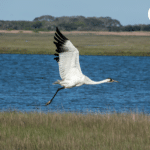
When environmental and cultural resource issues are not identified until after preliminary design is underway, project teams often face avoidable setbacks. Wetlands delineations, threatened or endangered species habitat, archaeological findings, or historic property considerations can trigger additional reviews and coordination requirements. In many cases, these discoveries lead to design revisions, shifting alignments, or extended permitting timelines that disrupt project momentum at critical stages.
For TWDB-funded projects, where schedules and compliance expectations are tightly structured, these delays can have a meaningful impact on overall project viability.
That is why early environmental and cultural resource coordination is becoming an essential part of infrastructure planning in Texas.
When these evaluations are integrated at the front end of a project, teams are better positioned to understand site constraints before significant design investment occurs. This early awareness allows engineers and developers to refine alignments, anticipate permitting requirements, and reduce uncertainty before submitting funding applications. It also helps agencies and stakeholders engage with more complete and realistic project information from the outset.
Rather than reacting to constraints mid-design, project teams can proactively shape project alternatives that are both constructible and environmentally feasible. This shift not only improves efficiency but also strengthens long-term project resilience by reducing the likelihood of late-stage changes.
At ESE Partners, our natural and cultural resource teams work directly alongside engineering and development partners to help identify environmental and cultural constraints early in the planning process. By integrating these evaluations into project development from the beginning, we support smoother coordination, clearer permitting pathways, and more confident progression from planning through construction.
As Texas continues to invest in critical water infrastructure, early environmental planning is no longer a supplementary step. It is a foundational component of successful project delivery.