What Is Non-Rule Standard Permitting?
A Non-Rule Standard Permit (NRSP) is an air construction authorization issued as a “standard permit” that is not codified as a formal rule. Functionally, it works like a repeatable permit template: if you meet applicability criteria and technical requirements, you submit a registration (typically through TCEQ’s online system) and operate under those conditions.
Common Texas NRSP contexts include:
- Oil & gas projects where the “Oil and Gas Non-Rule Standard Permit” is used for new projects/changes that meet the permit’s criteria.
- Certain natural gas-fired EGU authorizations described within TCEQ’s standard permit program materials.
Request Your Non-Rule Standard Permit Today
Texas’ most trusted environmental experts – comprehensive by design.
When Is It Required?
Non-Rule Standard Permitting is often pursued when a project needs an air construction authorization and fits cleanly within a standardized program.
Typical triggers:
- New build or modification at an oil & gas site where the NRSP applies and the project meets its conditions.
- Schedule-driven projects where a standardized authorization helps reduce permitting uncertainty and turnaround time versus case-by-case NSR. (In Texas, many upstream sites rely on PBR/standard permit registrations as primary authorization mechanisms.)
- Operational changes (equipment additions/replacements) where a NRSP registration or amendment is the most practical pathway.
ESE Partners’ Approach
ESE Partners treats Non-Rule Standard Permit (NRSP) registrations as a risk-management deliverable, not a checkbox. Our process starts with applicability-first screening to confirm whether an NRSP is the correct authorization pathway or whether a Permit by Rule (PBR), Standard Permit, or case-by-case New Source Review (NSR) permit is more appropriate. We develop engineering-backed emissions evaluations and control strategies that align operations with permit conditions without overcalling risk. ESE also prepares registration-quality documentation with consistent, auditable packages aligned with TCEQ expectations and submittal requirements. With Texas-focused execution across Houston, Dallas–Fort Worth, Austin, San Antonio, and statewide markets, we provide practical support that helps keep permitting aligned with operational and project timelines.
Our Process
- Scope call + data request (equipment list, operating scenarios, schedule).
- Authorization pathway decision (NRSP vs. other NSR mechanisms).
- Emissions + controls evaluation (including constraints needed to qualify).
- Registration package preparation (forms, exhibits, calculations).
- Online submission support (QA/QC and submittal coordination).
- Compliance alignment (limits, recordkeeping, and change management).
Regulatory Framework
Non-Rule Standard Permits (NRSPs) sit within TCEQ’s air New Source Review (NSR) standard permit framework, which includes standardized permits and registration-based authorizations. Key considerations commonly include TCEQ’s Standard Air Permit program requirements and submission expectations for standard permit registrations. TCEQ guidance also indicates that the non-rule standard permit may apply to certain oil and gas projects constructed or modified on or after specified dates, depending on the program scope and project details.
Risks of Not Completing This Service
- Deal delays due to unclear/unsupported air authorization status
- Enforcement exposure for unpermitted construction/modification
- Operational constraints later if the wrong authorization pathway is chosen
- Higher costs from rework, retrofits, or rushed re-permitting
More Environmental Compliance Services

Water Compliance
ESE’s water compliance capabilities include industrial and construction stormwater permitting, stormwater pollution prevention plan (SWPPP) preparation, SPCC planning, FRPs, RMPs, Tier II reporting, TRI reporting, AST/UST registration/permitting, wastewater permitting and reporting, onsite inspections and compliance audits, drinking water assessments, wetlands determinations, and water sourcing/acquisition planning. Our environmental compliance services keep your facilities in line with state and federal regulations.

Multimedia Compliance
ESE also provides custom-tailored, cost-effective multimedia compliance solutions to help clients manage regulatory, permitting, and internal requirements. Our multimedia environmental compliance services include compliance audits, regulatory applicability and interpretation, EHS management systems design and implementation, EHS risk assessments, compliance assurance tool design, EHS organizational strategies, best management practices/corporate EHS standards development, and other permitting, planning, and compliance support.
Industries We Serve
ESE operates in a wide range of industries, all with unique needs and regulatory obligations. We offer experts who understand the broad complexity of environmental challenges faced by today’s businesses.

Oil & Gas Operators
Environmental consulting for upstream, midstream, and downstream operations—due diligence, compliance support, and remediation strategy. ESE helps operators manage regulatory risk and maintain operational continuity in Texas.

Telecom & Data Center Developers
ESE supports telecom and data center development with due diligence, permitting support, and construction-phase compliance. We help teams identify environmental constraints early, manage site risk, and keep schedules intact.

Land Development & Redevelopment
ESE supports developers with site screening, Phase I/II ESAs, and remediation planning for redevelopment and infill projects. We help identify constraints early and reduce delays during entitlement and construction.
Why ESE Partners
As Texas’ Most Trusted Environmental Experts — Comprehensive by Design, ESE Partners provides Non-Rule Standard Permitting support grounded in real project execution and Texas air permitting experience. Clients choose ESE for air permitting delivery that includes registrations, amendments, and compliance alignment, helping ensure the authorization fits both regulatory expectations and operational realities. Our speed and responsiveness are built for transaction timelines and construction schedules, where permitting delays can affect financing, mobilization, and deal certainty. With full-scope environmental support beyond permitting, including due diligence, remediation, compliance, and building sciences, ESE helps clients connect the air authorization strategy to the broader asset and business plan.
Need a Non-Rule Standard Permit registration (or want to confirm it’s the right path) in Texas?
Talk to ESE Partners—get a clear permitting strategy and keep your project moving.
Our Environmental Compliance Projects
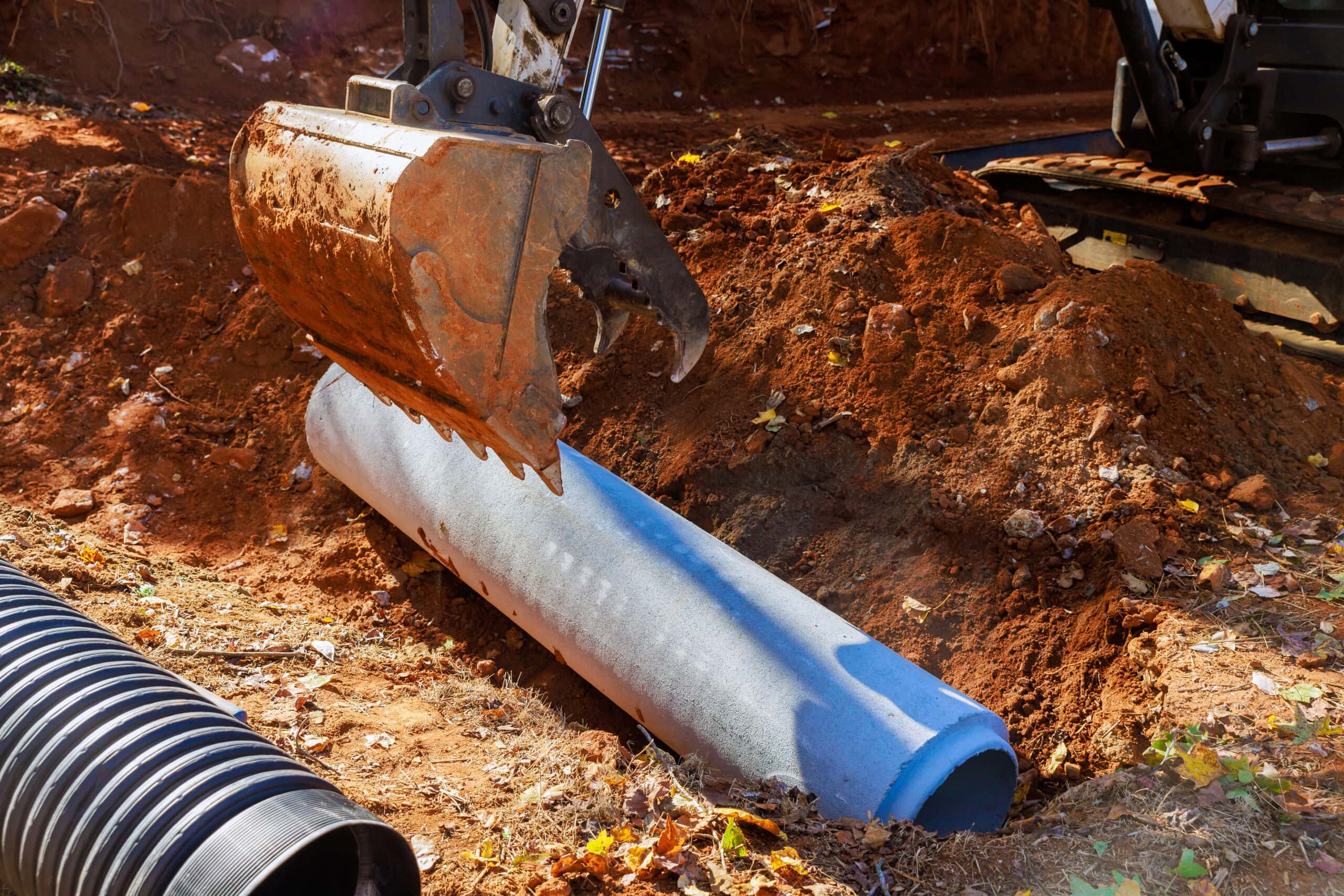
Construction SWPPP: Restaurant in Central Texas
ESE Partners developed a comprehensive Construction Storm Water Pollution Prevention Plan (SWPPP) to support construction of a new located in Central Texas.
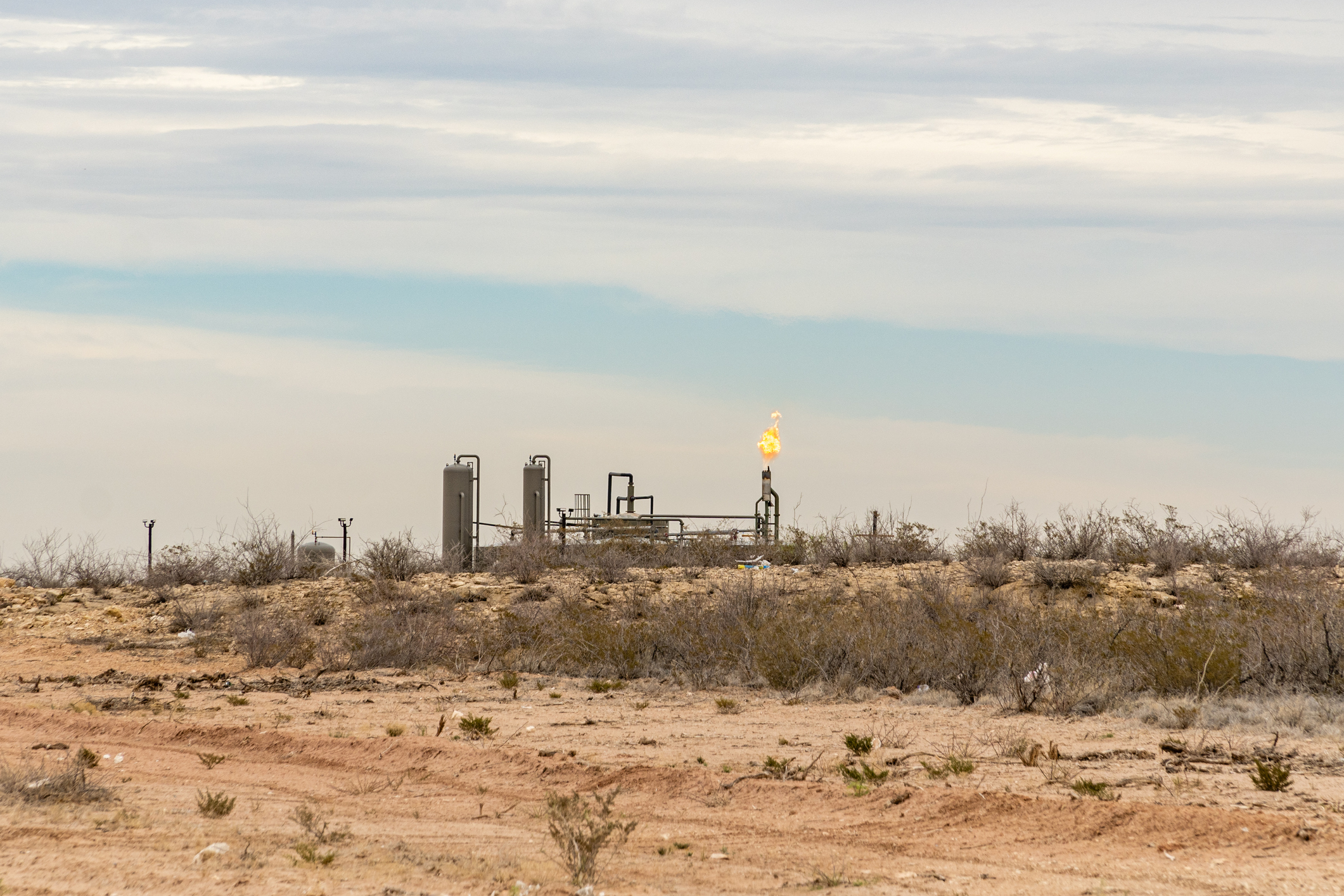
EHS Compliance Support, Air Permitting, and SPCC Plans
ESE Partners conducted comprehensive environmental compliance services for multiple facilities located in South Texas, including Spill Prevention, Control, and Countermeasure (SPCC) plan development and air permitting support.
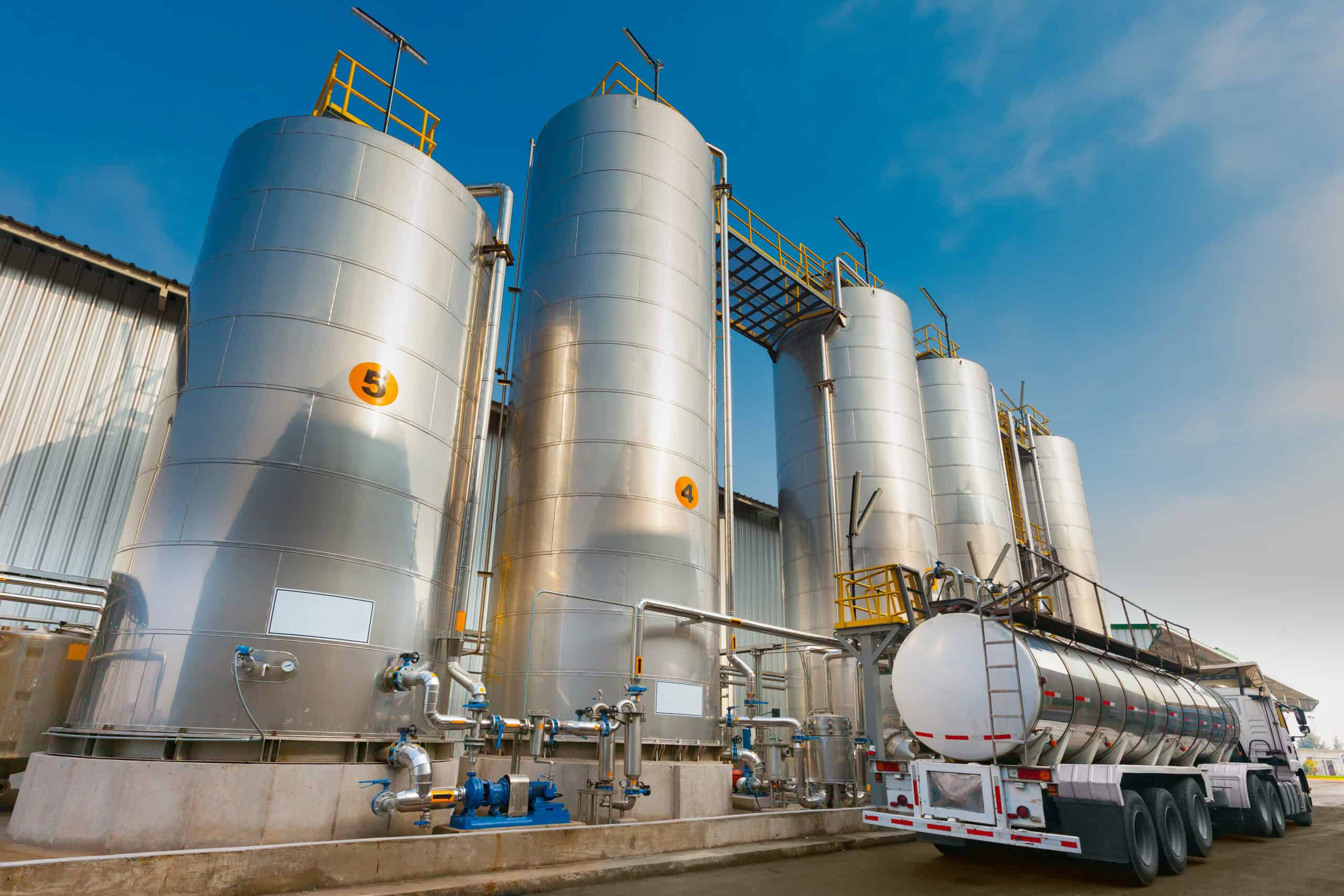
Efficient Air Permitting for New Transfer Operations
A bulk liquid storage and transfer operator sought to launch a new ethanol transloading operation involving rail-to-truck transfers using closed-loop loading.
Frequently Asked Questions About Non-Rule Standard Permitting
What is Non-Rule Standard Permitting, and how does it work?
A Non-Rule Standard Permit (NRSP) is an air construction authorization issued as a “standard permit” that is not codified as a formal rule. Functionally, it works like a repeatable permit template: if you meet applicability criteria and technical requirements, you submit a registration (typically through TCEQ’s online system) and operate under those conditions. It’s a fast, standardized air-authorization pathway at the Texas Commission on Environmental Quality (TCEQ) used primarily for certain oil & gas projects and, more recently, select natural gas-fired electric generating units (EGUs) — keeping projects moving by allowing qualifying facilities to register under established technical conditions rather than pursuing a time-intensive, site-specific NSR permit.
When is Non-Rule Standard Permitting typically pursued?
Non-Rule Standard Permitting is often pursued when a project needs an air construction authorization and fits cleanly within a standardized program. Typical triggers include a new build or modification at an oil & gas site where the NRSP applies and the project meets its conditions, schedule-driven projects where a standardized authorization helps reduce permitting uncertainty and turnaround time versus case-by-case NSR (in Texas, many upstream sites rely on PBR/standard permit registrations as primary authorization mechanisms), and operational changes (equipment additions/replacements) where an NRSP registration or amendment is the most practical pathway.
What are the risks of not securing the correct air authorization?
Failing to secure the correct air authorization can lead to deal delays due to unclear or unsupported air authorization status, enforcement exposure for unpermitted construction or modification, operational constraints later if the wrong authorization pathway is chosen, and higher costs from rework, retrofits, or rushed re-permitting.
What does ESE Partners' Non-Rule Standard Permitting process look like?
ESE Partners treats NRSP registrations as a risk-management deliverable, not a checkbox — starting with applicability-first screening to confirm whether an NRSP is the correct authorization pathway or whether a Permit by Rule (PBR), Standard Permit, or case-by-case New Source Review (NSR) permit is more appropriate, and developing engineering-backed emissions evaluations and control strategies that align operations with permit conditions without overcalling risk. The process includes: a scope call and data request (equipment list, operating scenarios, schedule); authorization pathway decision (NRSP vs. other NSR mechanisms); emissions and controls evaluation (including constraints needed to qualify); registration package preparation (forms, exhibits, calculations); online submission support (QA/QC and submittal coordination); and compliance alignment (limits, recordkeeping, and change management). NRSPs sit within TCEQ’s air New Source Review (NSR) standard permit framework, and ESE prepares registration-quality documentation with consistent, auditable packages aligned with TCEQ expectations and submittal requirements.