PROJECT OVERVIEW
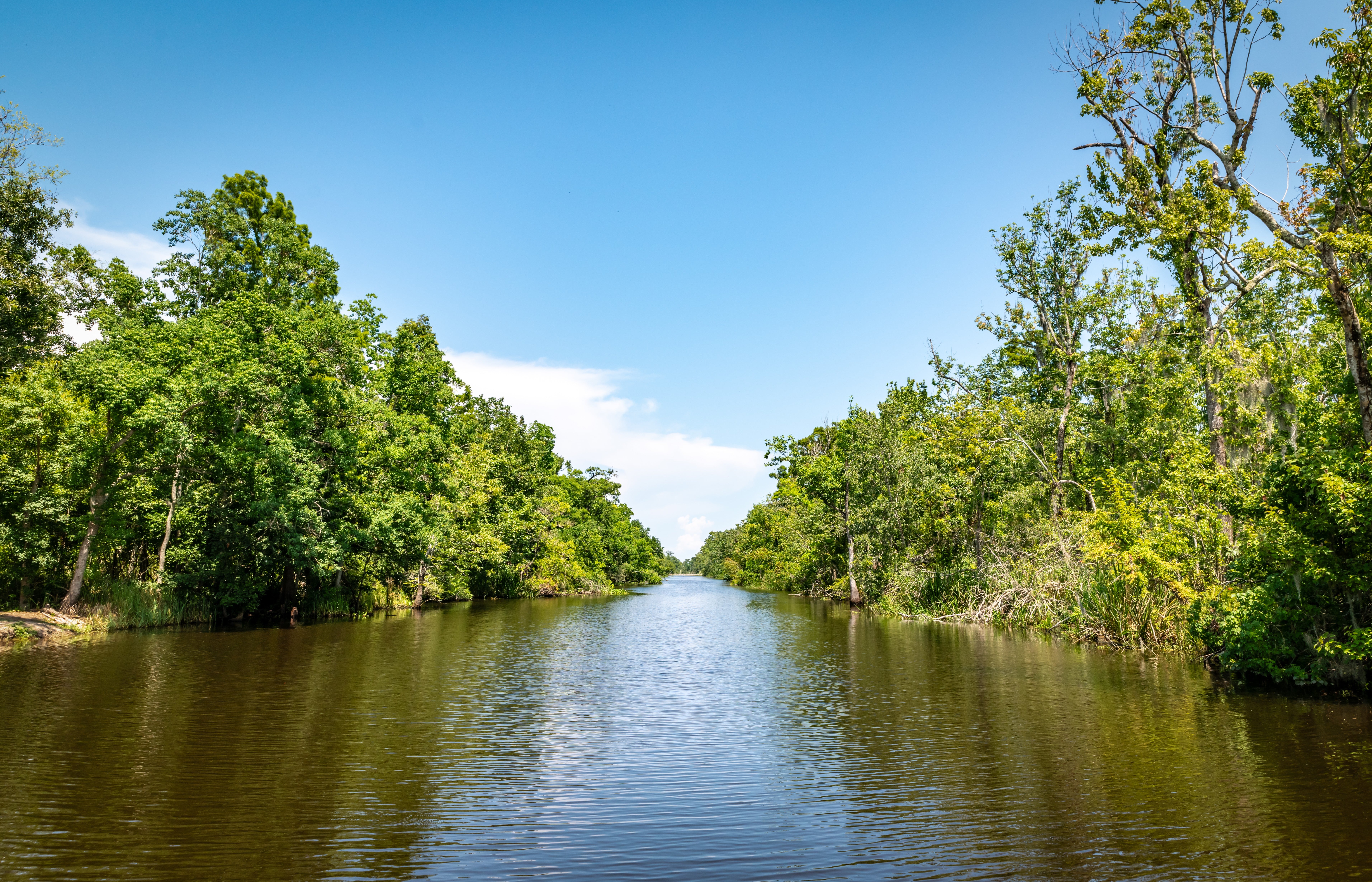
ESE Partners provided cultural resources monitoring for an emergency environmental cleanup along a 44-mile contaminated river corridor in southeastern Louisiana. The work supported response activities in riverine and adjacent pond environments following an industrial fire. ESE helped ensure cleanup activities avoided impacts to known or previously unidentified cultural resources.
CHALLENGES
The project was conducted under emergency response conditions involving CERCLA, the Clean Water Act, and Section 106 of the National Historic Preservation Act. Work areas included contaminated pond margins, river terraces, and active cleanup zones with heavy equipment and airboat operations.
Monitoring required coordination with state, federal, and tribal regulatory stakeholders while maintaining field safety in a dynamic response environment.
ESE’S APPROACH
ESE completed a cultural resources records review and monitored ground-disturbing response activities in accordance with Louisiana survey standards and Section 106 requirements. Field staff revisited known archaeological sites, documented newly identified cultural resources, and coordinated avoidance measures where warranted.
Monitoring was conducted using terrestrial access routes, all-terrain vehicles, and airboats to accommodate cleanup methods and site conditions.
KEY ELEMENTS
- Reviewed cultural resource databases, NRHP records, historic imagery, and topographic maps
- Monitored cleanup activities in pond areas and along the river corridor
- Revisited and assessed previously documented archaeological sites within the APE
- Documented newly identified prehistoric and historic cultural resources
- Supported avoidance protocols for potentially significant or sensitive cultural deposits
- Coordinated field safety around contamination, vessels, and heavy equipment
RESULTS
ESE revisited 11 previously recorded sites and documented 3 new archaeological resources during monitoring. Based on the Phase I survey and monitoring findings, no significant cultural resources were determined to have been impacted by cleanup activities.
The work met applicable Louisiana cultural resources survey standards for a project of this scale.