PROJECT OVERVIEW
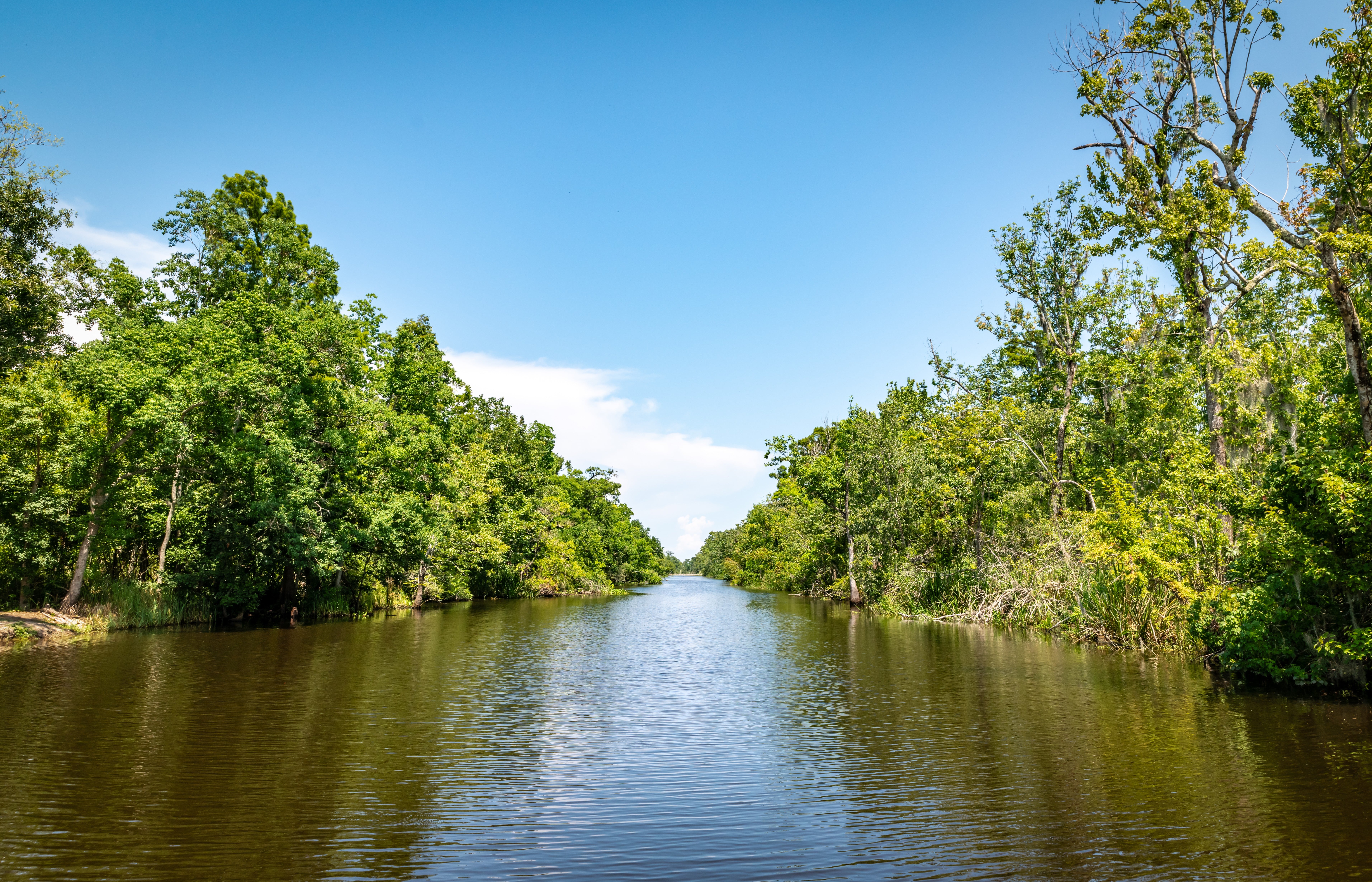
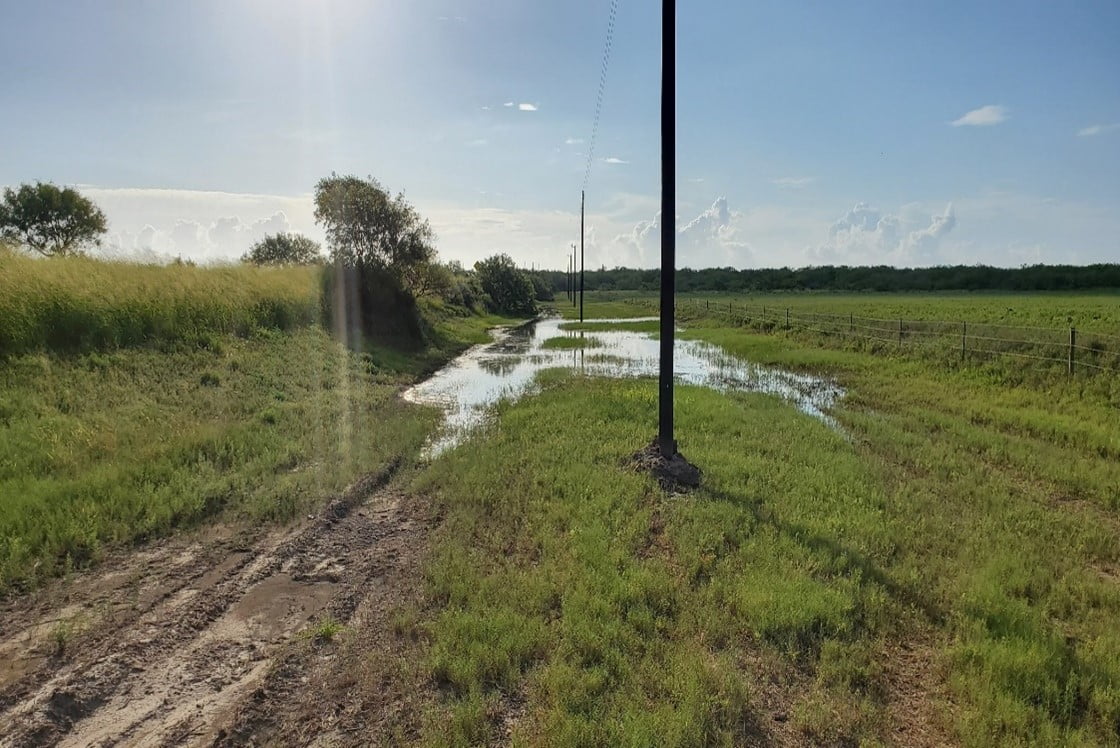
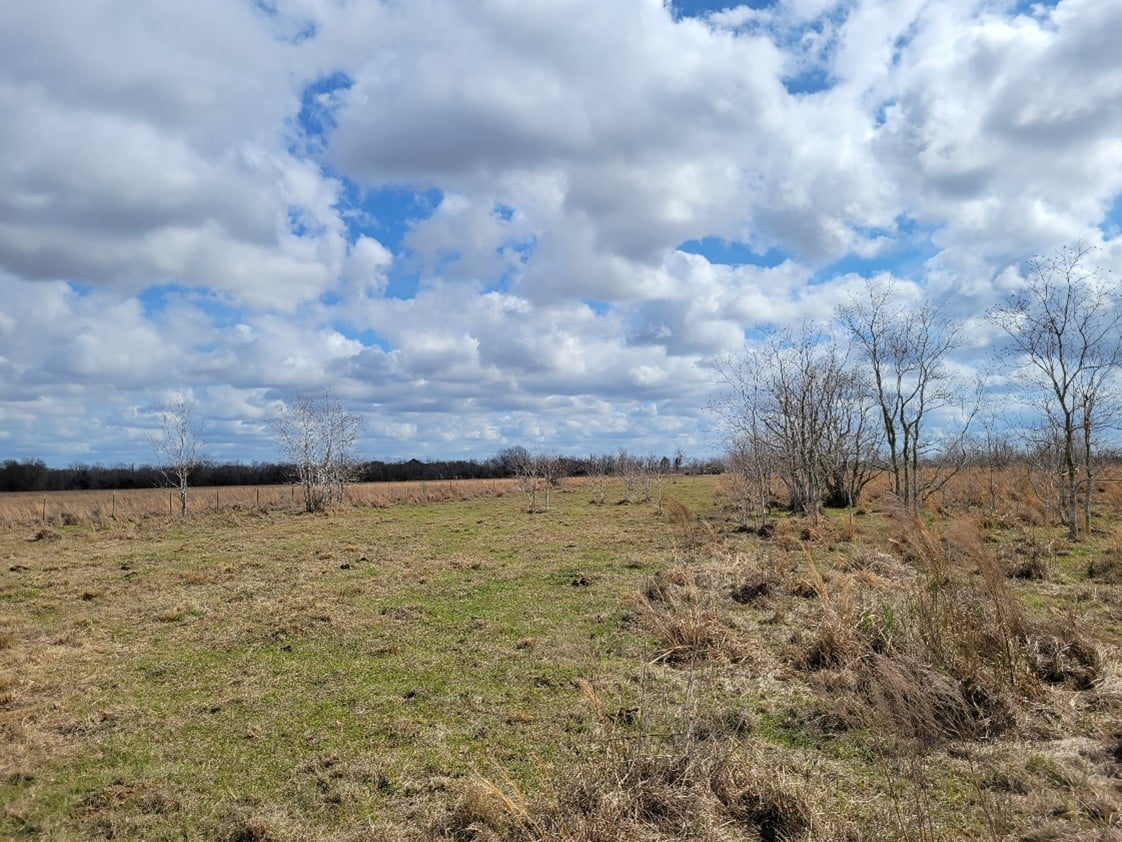
Following a Gulf Coast industrial fire and spill, ESE Partners provided cultural resources support for emergency cleanup activities across pond response areas and a 44-mile river corridor in Tangipahoa Parish, Louisiana. ESE supported Section 106 compliance by identifying, monitoring, and helping avoid impacts to known and potential archaeological resources during active response operations.
CHALLENGES
The project was conducted under EPA oversight and Section 106 requirements during a time-sensitive emergency response. Work areas included dynamic riverbanks, previously recorded archaeological sites, high-probability soils, and sensitive Native American cultural resources.
Cleanup activities also involved compressed schedules, difficult access conditions, and active health and safety constraints.
ESE’S APPROACH
ESE conducted a desktop cultural resources review using state cultural resource data, NRHP records, historic aerials, topographic maps, and NRCS soils information. Archaeological monitors were deployed during response operations to evaluate site conditions, document sensitive areas, and support avoidance measures.
The approach emphasized rapid field decision-making, agency coordination, and protection of cultural resources while allowing critical cleanup activities to continue.
KEY ELEMENTS
- Completed cultural resources desktop review for pond and river response areas
- Revisited previously recorded archaeological sites within the response corridor
- Monitored ground-disturbing and riverbank cleanup activities
- Identified and flagged a newly documented shell midden for avoidance
- Supported tribal consultation coordination and emergency agency notifications
- Established stop-work procedures for cultural materials or suspected human remains
RESULTS
ESE helped maintain Section 106 compliance during active emergency response operations while reducing the risk of impacts to archaeological resources. Known sites were assessed, sensitive areas were avoided, and field crews were informed of cultural resource constraints.
Monitoring confirmed that most cleanup actions could proceed with limited risk when avoidance controls were maintained.
PROJECT IMPACT
ESE provided a cultural resources compliance framework for emergency environmental response in a sensitive riverine setting. By integrating archaeological monitoring into daily field operations, ESE supported continued cleanup activities while strengthening agency coordination, tribal communication, and documentation for a time-sensitive response action.