PROJECT OVERVIEW
ESE Partners supported a cultural resources due diligence survey for a former specialty metals industrial site in Muskogee, Oklahoma. The work focused on two proposed remediation areas within a larger industrial property containing contaminated materials, spoil areas, ponds, and historic-age structures. The survey evaluated whether planned remediation activities could affect archaeological or historic cultural resources.
CHALLENGES
The project required compliance with federal cultural resource requirements, including the National Historic Preservation Act, NEPA-related due diligence, 36 CFR 800, and Oklahoma State Historic Preservation Office survey standards.
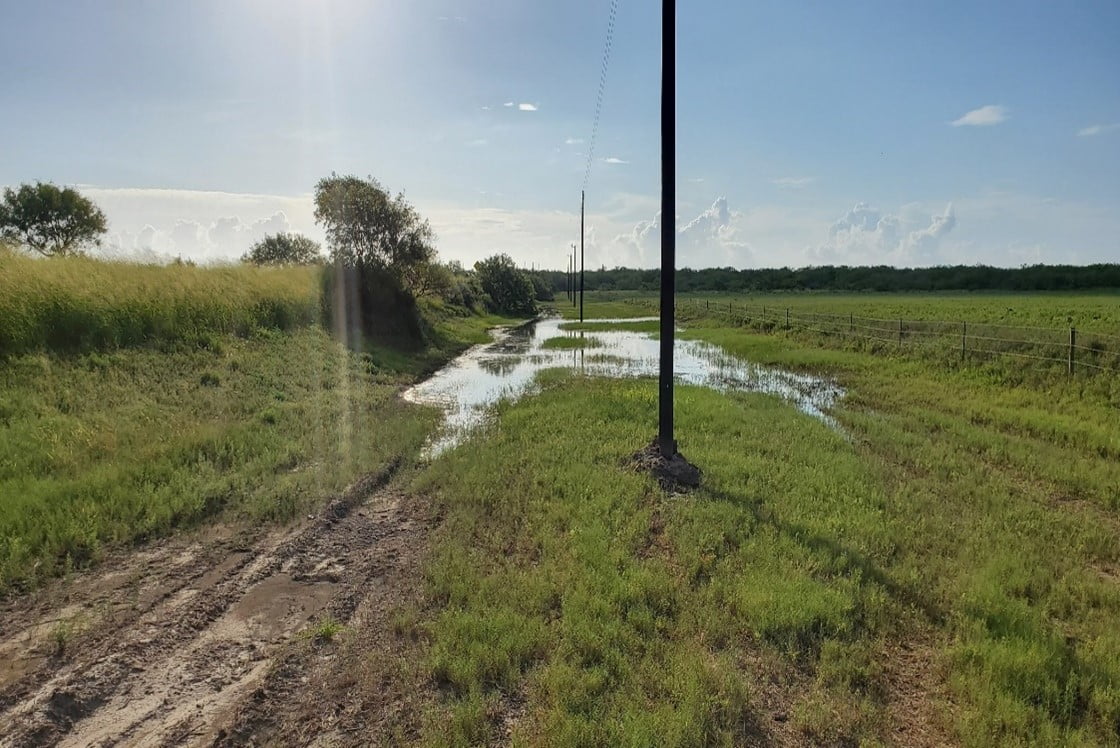
Field conditions included radioactive materials, disturbed soils, limited surface visibility, inundated shovel tests, and active industrial features. Historic-age buildings and a contaminated spoil pile also required careful documentation without expanding site disturbance.
ESE’S APPROACH
ESE conducted archival research, aerial and topographic review, intensive pedestrian survey, surface inspection, shovel testing, GPS documentation, and historic structure documentation. Fieldwork followed Oklahoma minimum survey standards and professional archaeological reporting protocols.
Field decisions were adjusted in real time based on radiological safety thresholds, soil disturbance indicators, and consultation input.
KEY ELEMENTS
- Completed 100 percent pedestrian transect survey of the remediation areas
- Excavated and documented 17 shovel tests
- Recorded shovel test locations, soil profiles, field conditions, and radiological constraints
- Documented five historic-age industrial structures using preservation resource forms
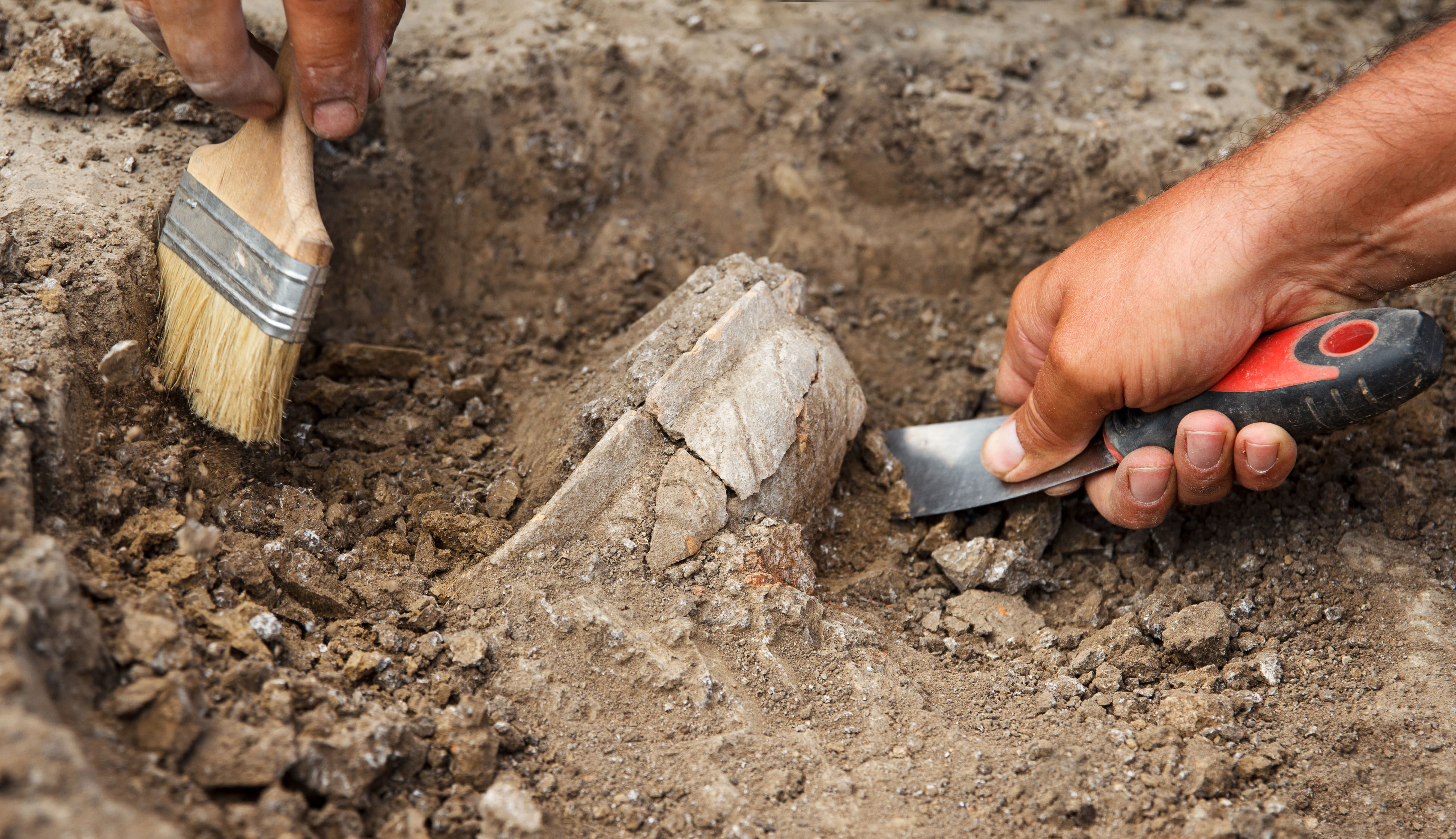
- Identified, photographed, and reinterred one isolated Late Archaic dart point following consultation
- Prepared a cultural resources report with conclusions and recommendations
RESULTS
No archaeological sites were documented within the proposed remediation areas. One isolated artifact was recovered from disturbed, imported gravelly sand and lacked intact archaeological context.
Based on sterile soil profiles, documented disturbance, and negative shovel test results, ESE concluded that significant cultural resources were unlikely to be affected by the planned remediation.
PROJECT IMPACT
The survey provided documentation supporting project continuation while reducing cultural resource risk. ESE’s documentation of historic-age structures, field methods, consultation actions, and survey findings strengthened regulatory defensibility.
The final recommendation supported remediation proceeding as planned, with standard stop-work procedures if cultural materials or human remains are encountered.