What Is a Record Search Risk Assessment (RSRA)?
A Record Search Risk Assessment (RSRA) is a desktop environmental assessment that compiles historical and regulatory information (databases and archives) and applies professional judgment to assign a risk rating (often low/moderate/elevated, depending on lender/SOP requirements).
Typical RSRA components include:
- Regulatory database record searches (federal/state/local listings)
- Historical source review (commonly aerials, Sanborn maps, city directories when available)
- File review of prior environmental reports and questionnaires (if provided)
- Risk rating + recommendations for next steps (e.g., Phase I ESA, targeted sampling, or no further action)
Important deal note: An RSRA is generally not a substitute for a Phase I ESA when you need ASTM E1527-21 / All Appropriate Inquiries (AAI) liability protections.
Request Your Record Search Risk Assessments (RSRAs) Today
Texas’ most trusted environmental experts – comprehensive by design.
When Is an RSRA Required (or Commonly Requested)?
RSRAs are most often requested when speed and portfolio efficiency matter, including:
- SBA-related lending workflows (SBA protocols commonly drive RSRA use and formatting)
- Conventional lending when a lender allows desktop screening as a first-pass risk tool
- Portfolio acquisitions / multi-site rollups where you need consistent risk rankings across many properties
- Early-stage deal screening before committing to a Phase I ESA scope
- Refinancing when historical data is strong and property operations are low-risk (lender preference varies)
ESE Partners’ Approach
At ESE Partners, we treat the RSRA as what it should be: a deal-speed tool that still requires sound professional judgment—not a “database printout.”
At ESE Partners, we treat a Record Search Risk Assessment (RSRA) as what it should be: a deal-speed tool that still requires sound professional judgment, not just a database printout. Clients can expect fast turnaround for Texas transactions across Houston, Dallas-Fort Worth, Austin, San Antonio, and statewide markets, along with lender-friendly narratives that translate environmental records into real-world risk by explaining what matters, what does not, and why. Our team provides practical recommendations that help keep deals moving without overcalling risk or creating unnecessary escalations. With Texas regulatory fluency, including TCEQ context, Texas property operations, and common historical land use patterns, ESE delivers RSRAs that are concise, defensible, and useful for transaction decision-making.
Our RSRA Process
- Intake & scoping (property type, intended use, lender/SBA requirements, address/APN, deal deadline)
- Regulatory database search (subject + surrounding area per typical industry screening radii)
- Historical review (aerials/Sanborn/directories and other reasonably available sources)
- File review (prior ESAs, correspondence, permits, UST docs, questionnaires—if available)
- Risk analysis + rating (low/moderate/elevated or lender-specific categories)
- Recommendations (no further action vs. Phase I ESA vs. focused follow-up)
Regulatory Framework (How RSRAs Fit)
Record Search Risk Assessments (RSRAs) are commonly used as desktop environmental assessment products, including versions designed to align with SBA environmental investigation protocols. However, many desktop screening products are not governed by ASTM standards and typically do not provide ASTM E1527 or All Appropriate Inquiries (AAI) liability protection. When liability defenses and “gold standard” environmental due diligence are needed, a Phase I ESA performed under the applicable ASTM E1527 standard is typically the appropriate pathway. If you tell ESE Partners the lender program, such as SBA or conventional financing, we can align the RSRA format, risk categories, and any recommended add-ons accordingly.
Risks of Not Completing an RSRA (When It’s the Chosen Path)
Skipping an RSRA (when your lender or investment committee expects it) can create:
- Deal friction or delays when environmental questions surface late
- Inconsistent portfolio risk visibility (harder to prioritize Phase I/Phase II spend)
- Surprise environmental flags after term sheet / late underwriting
- Harder lender approvals when there’s no documented screening trail
More Environmental Due Diligence Services

Phase II Environmental Site Assessment (ESAs)
A Phase II Environmental Site Assessment is often warranted when a Phase I ESA identifies a Recognized Environmental Condition, requiring further investigation. The purpose of a Phase II ESA is to confirm or deny the presence of chemicals of concern in the environment. The Phase II ESA involves the sampling and laboratory analysis of multiple medias, often including soil, soil gas, and groundwater. The analytical testing results are compared to regulatory limits and criteria established by the applicable government agency. Further remedial action may be warranted based on the results of the Phase II ESA.

Property Condition Assessments (PCAs)
Costs for replacement or repair of major systems, components or equipment at a property can blindside buyers. ESE provides Property Condition Assessments (PCAs) on a variety of commercial structures to educate a buyer or lender with valuable insight regarding costs to remedy physical deficiencies. PCAs are conducted in accordance with the ASTM E 2018-15 guidance document and are often conducted concurrently with a Phase I ESA.
Industries We Serve
ESE operates in a wide range of industries, all with unique needs and regulatory obligations. We offer experts who understand the broad complexity of environmental challenges faced by today’s businesses.

Real Estate Brokers & Developers
ESE helps brokers and developers reduce deal friction and avoid surprises through fast, defensible environmental due diligence. We support property evaluations, redevelopment risk screening, and transaction-ready reporting for Texas assets.

Private Equity/Capital Investors
Transaction support for acquisitions and portfolio oversight, including Phase I/II ESAs and risk-based evaluation. We provide clear findings, practical recommendations, and scalable diligence support.

Financial Institutions
ESE supports lender-driven environmental due diligence and portfolio risk management, including Phase I/II ESAs and risk screening. We deliver consistent, defensible reporting aligned with credit and closing timelines.

Attorneys
Technical support for environmental risk, liability evaluation, and regulatory strategy. We provide clear documentation and expert collaboration to support transactions, compliance matters, and remediation planning.
Why ESE Partners
As Texas’ Most Trusted Environmental Experts — Comprehensive by Design, ESE Partners supports the full lifecycle of environmental risk, allowing RSRA findings to transition cleanly into next steps when needed. Our services include environmental due diligence such as RSRAs, Phase I ESAs, and Phase II ESAs, as well as remediation support, regulatory strategy, compliance programs for operating assets, natural and cultural resources, permitting support, and building sciences when transactions require broader diligence. ESE is built for deal teams, providing responsive communication, defensible judgment, and scalable delivery across Texas metros and statewide markets.
Need an RSRA / Record Search Risk Assessment for a Texas transaction or portfolio?
Send the property list and deadline—we’ll turn a proposal quickly and keep your deal moving.
Our Environmental Due Diligence Projects
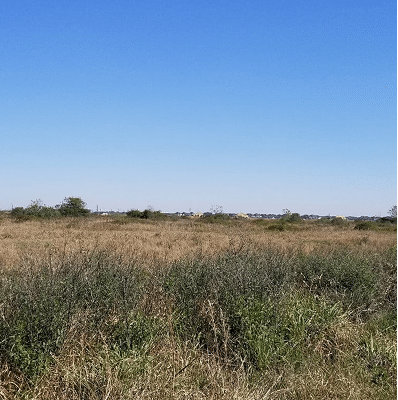
Phase I and II for residential Home Developer in Flushear, Texas
ESE performed a Phase I ESA on approximately 143-acre property in a future master-planned community in the greater Houston area.

Pre-Acquisition Due Diligence in Downtown San Antonio
ESE performed pre-acquisition due diligence for two contiguous city blocks in downtown San Antonio, Texas with development history dating back to the late 1800’s.

Phase I and II for residential Home Developer in Flushear, Texas
ESE performed a Phase I ESA on approximately 143-acre property in a future master-planned community in the greater Houston area.
Frequently Asked Questions About Record Search Risk Assessments
What is a Record Search Risk Assessment (RSRA)?
A Record Search Risk Assessment (RSRA) is a desktop environmental assessment that compiles historical and regulatory information (databases and archives) and applies professional judgment to assign a risk rating (often low/moderate/elevated, depending on lender/SOP requirements). Typical RSRA components include regulatory database record searches (federal/state/local listings), historical source review (commonly aerials, Sanborn maps, and city directories when available), file review of prior environmental reports and questionnaires (if provided), and a risk rating plus recommendations for next steps (e.g., Phase I ESA, targeted sampling, or no further action). Importantly, an RSRA is generally not a substitute for a Phase I ESA when you need ASTM E1527-21 / All Appropriate Inquiries (AAI) liability protections.
When is an RSRA required or commonly requested?
RSRAs are most often requested when speed and portfolio efficiency matter, including SBA-related lending workflows (SBA protocols commonly drive RSRA use and formatting), conventional lending when a lender allows desktop screening as a first-pass risk tool, portfolio acquisitions/multi-site rollups where you need consistent risk rankings across many properties, early-stage deal screening before committing to a Phase I ESA scope, and refinancing when historical data is strong and property operations are low-risk (lender preference varies). RSRAs are a fast, desktop-based environmental due diligence product used by lenders and deal teams to screen environmental risk for acquisitions and loan originations, especially when timelines and budgets don’t support a full Phase I ESA.
What are the risks of skipping an RSRA when it's the chosen path?
Skipping an RSRA (when your lender or investment committee expects it) can create deal friction or delays when environmental questions surface late, inconsistent portfolio risk visibility (making it harder to prioritize Phase I/Phase II spend), surprise environmental flags after term sheet or during late underwriting, and harder lender approvals when there’s no documented screening trail. It’s also important to understand that many desktop screening products are not governed by ASTM standards and typically do not provide ASTM E1527 or AAI liability protection — so when liability defenses and “gold standard” environmental due diligence are needed, a Phase I ESA performed under the applicable ASTM E1527 standard is typically the appropriate pathway.
What does ESE Partners' RSRA process look like?
ESE Partners treats a Record Search Risk Assessment as what it should be: a deal-speed tool that still requires sound professional judgment, not just a database printout — delivering lender-friendly narratives that translate environmental records into real-world risk by explaining what matters, what does not, and why. The process includes: intake and scoping (property type, intended use, lender/SBA requirements, address/APN, deal deadline); regulatory database search (subject plus surrounding area per typical industry screening radii); historical review (aerials/Sanborn/directories and other reasonably available sources); file review (prior ESAs, correspondence, permits, UST docs, questionnaires — if available); risk analysis and rating (low/moderate/elevated or lender-specific categories); and recommendations (no further action vs. Phase I ESA vs. focused follow-up). If you tell ESE the lender program — such as SBA or conventional financing — they can align the RSRA format, risk categories, and any recommended add-ons accordingly.