What Are SPCC Inspections?
SPCC inspections are the routine and periodic checks, integrity evaluations, and documented observations required under the federal Spill Prevention, Control, and Countermeasure (SPCC) Rule to ensure oil storage equipment remains in good condition and secondary containment remains effective.
Under the SPCC Rule, facilities must implement inspections, tests, and evaluations for aboveground containers as part of spill prevention controls, and these activities must be addressed within the SPCC compliance program.
Common SPCC inspection scopes include:
- Aboveground storage tanks (shop-built and field-erected), day tanks, totes/IBCs, oil-filled equipment
- Drum storage and lube oil areas
- Loading/unloading areas and transfer areas (as applicable)
- Secondary containment (berms, dikes, sumps, containment pads, drain valves)
- Spill response supplies, overfill prevention devices, gauges, and labeling/signage
Request Your SPCC Inspections Today
Texas’ most trusted environmental experts – comprehensive by design.
When Are SPCC Inspections Required?
SPCC inspections are typically required when your facility:
- Is subject to the EPA SPCC Rule (40 CFR Part 112) and must implement an SPCC Plan.
- Stores oil in aboveground containers and must meet inspection/testing/evaluation expectations for those containers.
Needs defensible documentation for:
- Environmental compliance programs and internal audits
- Lender/insurer or corporate EHS requirements
- M&A/commercial real estate transactions (environmental due diligence)
- Post-incident corrective action programs
Inspections are also commonly triggered by operational change:
- New tanks, tank relocations, product changes, containment modifications
- Storm damage, corrosion concerns, repeated water-in-containment conditions
- Leadership changes where compliance records need to be re-established quickly
ESE Partners’ Approach
Comprehensive by Design means ESE Partners does not simply “check the box” on SPCC inspections. We align inspections with how the site actually operates, making the program easier for your team to implement and more defensible to regulators. Clients value our speed and responsiveness, with field scheduling that matches operational needs, as well as clear inspection checklists tied directly to SPCC Plan commitments. Our team provides practical recommendations that focus on fixing what matters without overcalling risk, supported by Texas operational context across industrial, commercial, fleet fueling, energy, and infrastructure settings. ESE also helps reduce repeat findings by improving inspection forms, photo documentation, corrective action tracking, drainage control practices for diked or bermed areas, and consistency between plan language and field conditions.
Our Process
- SPCC applicability and document review (current SPCC Plan, facility diagrams, tank list, prior findings).
- Field inspection of oil storage areas, containers, and secondary containment (condition, labeling, drainage controls, evidence of leaks).
- Integrity evaluation alignment (confirm what standard/schedule you’re using and whether it matches the Plan’s commitments).
- Documentation package (inspection forms, photos, prioritized corrective actions).
- Closeout support (CAP tracking, training refreshers, Plan updates if needed).
Regulatory Framework
Key SPCC drivers include the EPA SPCC Rule under 40 CFR Part 112, which governs SPCC applicability, planning, and implementation. The rule requires inspections, tests, and evaluations for aboveground containers, although EPA clarifies that it does not establish one fixed schedule or universal methodology for every facility. In Texas, TCEQ guidance materials reference SPCC as a federal requirement intended to prevent discharges of oil into navigable waters and adjoining shorelines. The important nuance is that the SPCC Rule generally does not prescribe a specific frequency or method for required inspections, tests, and evaluations; instead, each facility’s SPCC Plan must define an appropriate inspection and evaluation program based on site-specific conditions and operations.
Risks of Not Completing SPCC Inspections
Skipping or poorly documenting SPCC inspections can create:
- Regulatory exposure (missing required inspection/testing/evaluation elements).
- Spill risk from undetected corrosion, failed valves, or compromised containment
- Enforcement and cost escalation after releases (cleanup, downtime, reporting, third-party claims)
- Deal friction during environmental due diligence (missing records, unclear programs, inconsistent tank lists)
More Environmental Compliance Services

Water Compliance
ESE’s water compliance capabilities include industrial and construction stormwater permitting, stormwater pollution prevention plan (SWPPP) preparation, SPCC planning, FRPs, RMPs, Tier II reporting, TRI reporting, AST/UST registration/permitting, wastewater permitting and reporting, onsite inspections and compliance audits, drinking water assessments, wetlands determinations, and water sourcing/acquisition planning. Our environmental compliance services keep your facilities in line with state and federal regulations.

Multimedia Compliance
ESE also provides custom-tailored, cost-effective multimedia compliance solutions to help clients manage regulatory, permitting, and internal requirements. Our multimedia environmental compliance services include compliance audits, regulatory applicability and interpretation, EHS management systems design and implementation, EHS risk assessments, compliance assurance tool design, EHS organizational strategies, best management practices/corporate EHS standards development, and other permitting, planning, and compliance support.
Industries We Serve
ESE operates in a wide range of industries, all with unique needs and regulatory obligations. We offer experts who understand the broad complexity of environmental challenges faced by today’s businesses.

Oil & Gas Operators
Environmental consulting for upstream, midstream, and downstream operations—due diligence, compliance support, and remediation strategy. ESE helps operators manage regulatory risk and maintain operational continuity in Texas.

Telecom & Data Center Developers
ESE supports telecom and data center development with due diligence, permitting support, and construction-phase compliance. We help teams identify environmental constraints early, manage site risk, and keep schedules intact.
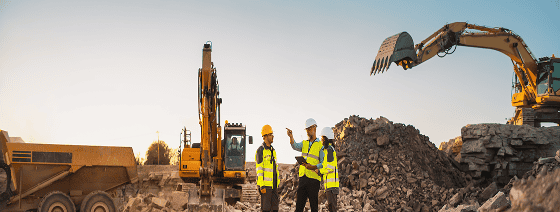
Land Development & Redevelopment
ESE supports developers with site screening, Phase I/II ESAs, and remediation planning for redevelopment and infill projects. We help identify constraints early and reduce delays during entitlement and construction.
Why ESE Partners
ESE Partners supports SPCC programs statewide with the responsiveness deal teams and operators need. Our Texas-first execution spans Houston, Dallas–Fort Worth, Austin, San Antonio, and beyond, with field teams that communicate clearly and document thoroughly. Beyond SPCC inspections, ESE offers integrated capabilities across environmental compliance, due diligence, remediation support, and building sciences, helping clients manage related environmental needs through one coordinated partner. We focus on practical, implementable compliance programs that can be used by facility teams and hold up under regulatory or stakeholder scrutiny.
Need SPCC inspections fast—without overcomplicating the program?
Talk to ESE Partners and get a proposal within 24 hours to keep your compliance (and your operations) moving.
Our Environmental Compliance Projects
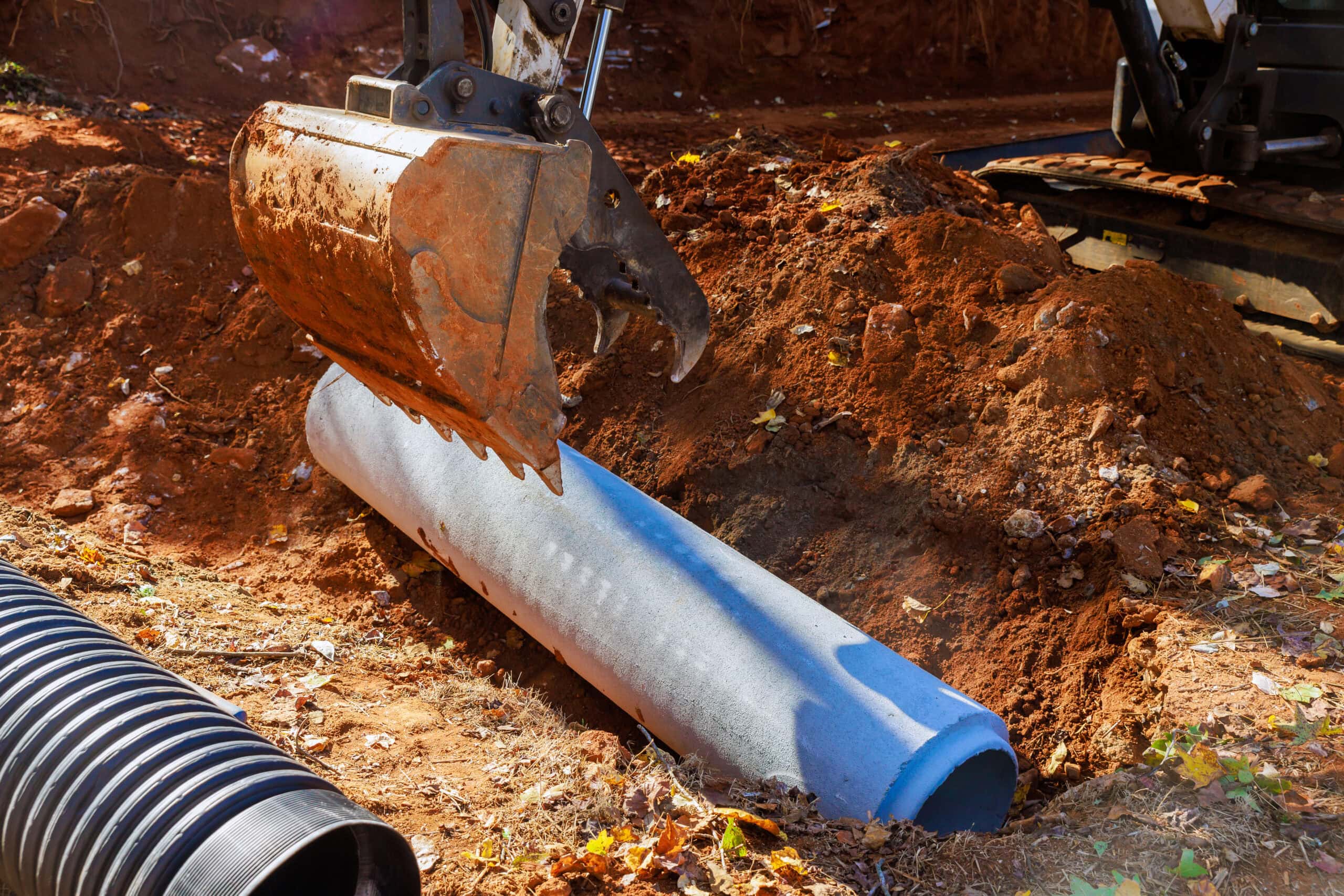
Construction SWPPP: Restaurant in Central Texas
ESE Partners developed a comprehensive Construction Storm Water Pollution Prevention Plan (SWPPP) to support construction of a new located in Central Texas.
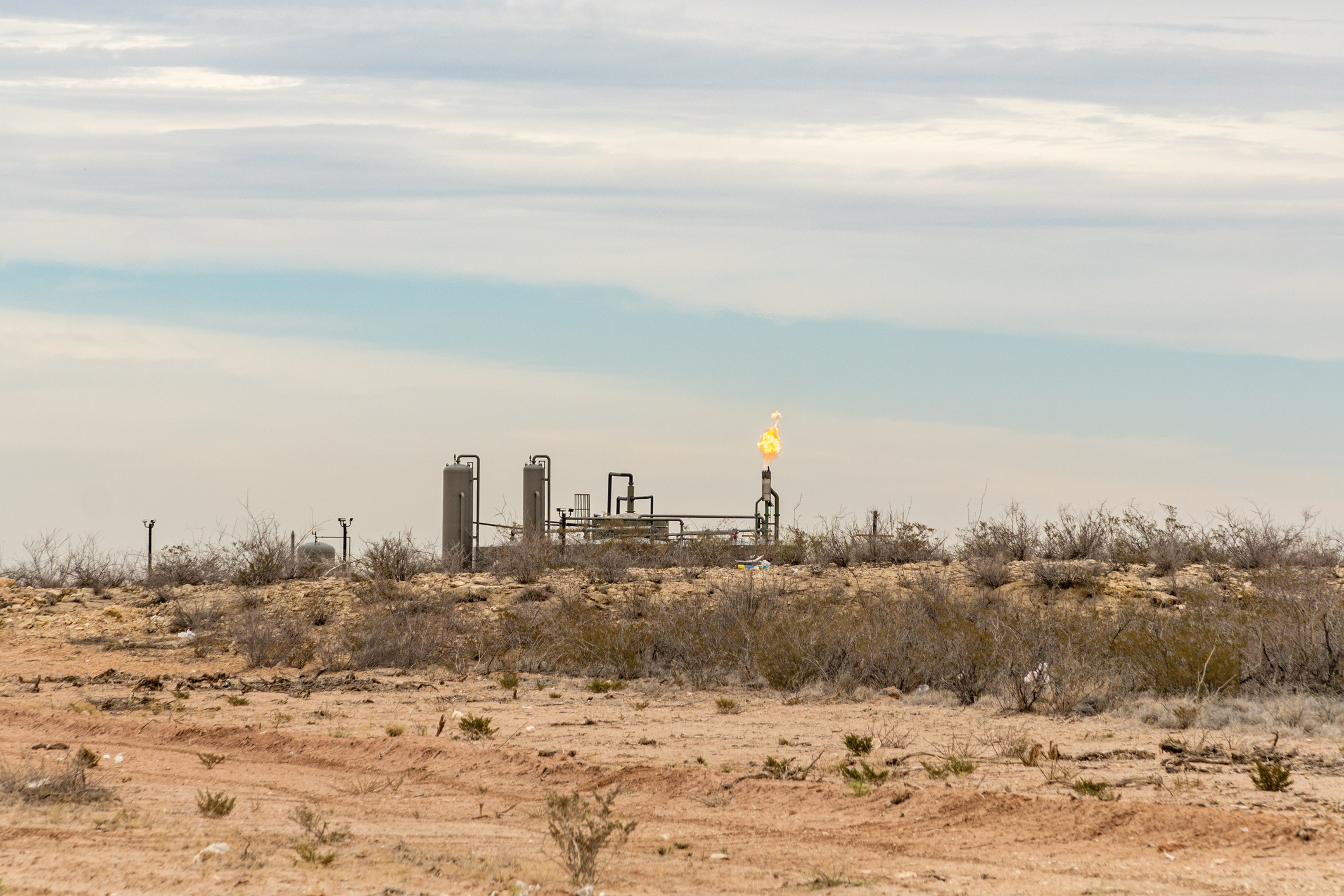
EHS Compliance Support, Air Permitting, and SPCC Plans
ESE Partners conducted comprehensive environmental compliance services for multiple facilities located in South Texas, including Spill Prevention, Control, and Countermeasure (SPCC) plan development and air permitting support.
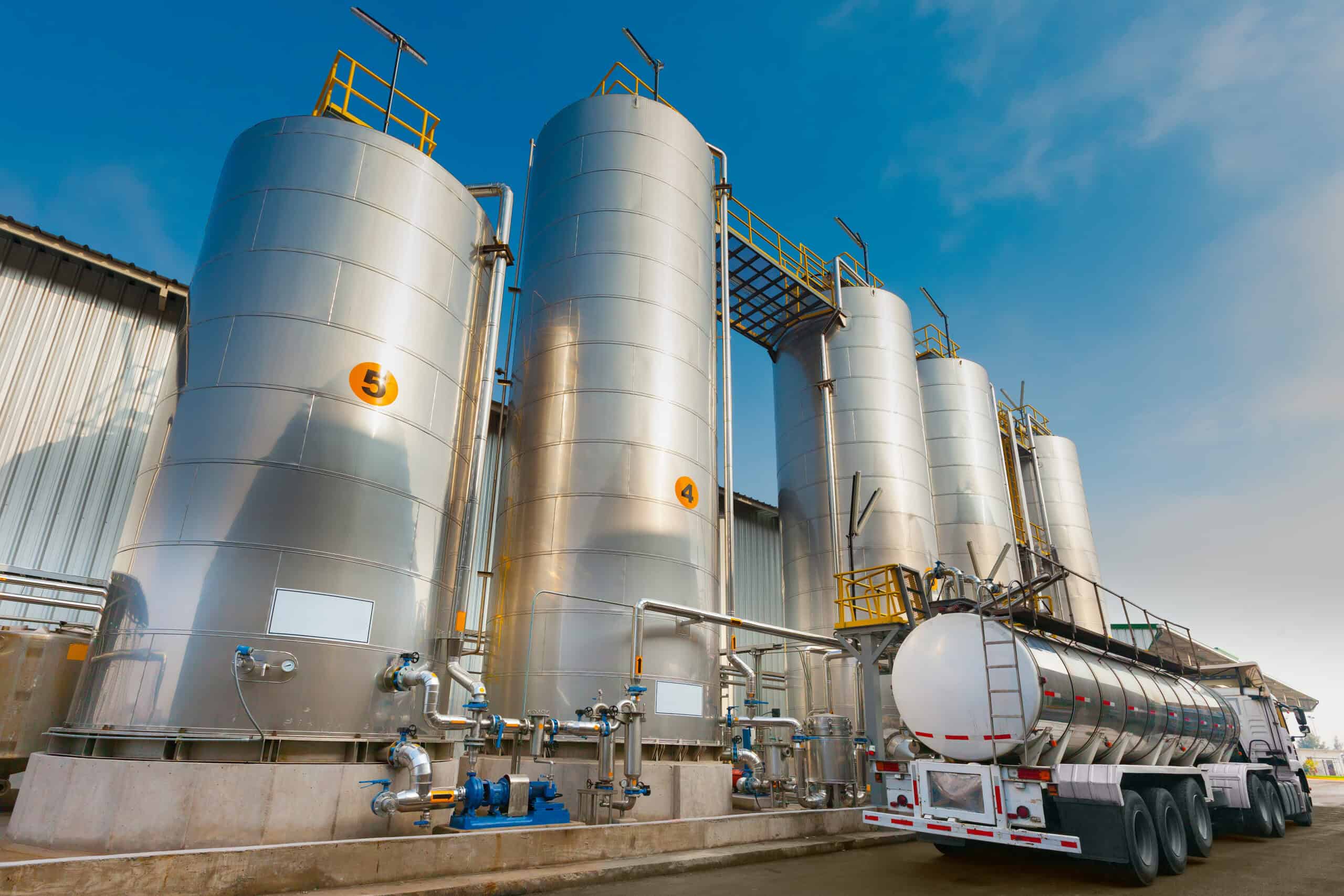
Efficient Air Permitting for New Transfer Operations
A bulk liquid storage and transfer operator sought to launch a new ethanol transloading operation involving rail-to-truck transfers using closed-loop loading.
Frequently Asked Questions About SPCC Inspections
What are SPCC inspections, and what do they cover?
SPCC inspections are the routine and periodic checks, integrity evaluations, and documented observations required under the federal Spill Prevention, Control, and Countermeasure (SPCC) Rule to ensure oil storage equipment remains in good condition and secondary containment remains effective. Under the SPCC Rule, facilities must implement inspections, tests, and evaluations for aboveground containers as part of spill prevention controls, and these activities must be addressed within the SPCC compliance program. Common SPCC inspection scopes include aboveground storage tanks (shop-built and field-erected), day tanks, totes/IBCs, and oil-filled equipment; drum storage and lube oil areas; loading/unloading and transfer areas; secondary containment (berms, dikes, sumps, containment pads, drain valves); and spill response supplies, overfill prevention devices, gauges, and labeling/signage.
When are SPCC inspections required?
SPCC inspections are typically required when your facility is subject to the EPA SPCC Rule (40 CFR Part 112) and must implement an SPCC Plan, or stores oil in aboveground containers and must meet inspection/testing/evaluation expectations for those containers. Defensible documentation is often needed for environmental compliance programs and internal audits, lender/insurer or corporate EHS requirements, M&A / commercial real estate transactions (environmental due diligence), and post-incident corrective action programs. Inspections are also commonly triggered by operational change, such as new tanks, tank relocations, product changes, containment modifications, storm damage, corrosion concerns, repeated water-in-containment conditions, and leadership changes where compliance records need to be re-established quickly. A key nuance: the SPCC Rule generally does not prescribe a single universal inspection frequency — your plan must define an appropriate schedule based on industry standards and good engineering practice.
What are the risks of skipping or poorly documenting SPCC inspections?
Skipping or poorly documenting SPCC inspections can create regulatory exposure (missing required inspection/testing/evaluation elements), spill risk from undetected corrosion, failed valves, or compromised containment, enforcement and cost escalation after releases (cleanup, downtime, reporting, third-party claims), and deal friction during environmental due diligence (missing records, unclear programs, inconsistent tank lists). In Texas, a single missed inspection can turn into a reportable release, an enforcement issue, or a delayed transaction.
What does ESE Partners' SPCC inspection process look like?
ESE Partners’ Comprehensive by Design approach means they don’t simply “check the box” on SPCC inspections — they align inspections with how the site actually operates, making the program easier for your team to implement and more defensible to regulators, with clear inspection checklists tied directly to SPCC Plan commitments and practical recommendations that focus on fixing what matters without overcalling risk. The process includes: SPCC applicability and document review (current SPCC Plan, facility diagrams, tank list, prior findings); field inspection of oil storage areas, containers, and secondary containment (condition, labeling, drainage controls, evidence of leaks); integrity evaluation alignment (confirming what standard/schedule you’re using and whether it matches the Plan’s commitments); a documentation package (inspection forms, photos, prioritized corrective actions); and closeout support (CAP tracking, training refreshers, and Plan updates if needed). ESE also helps reduce repeat findings by improving inspection forms, photo documentation, corrective action tracking, drainage control practices for diked or bermed areas, and consistency between plan language and field conditions.