What Is a Title V Air Permit?
A Title V air permit is a Clean Air Act operating permit program implemented through 40 CFR Part 70. In Texas, the TCEQ implements Title V through 30 TAC Chapter 122 (Federal Operating Permits).
A Title V/FOP is intended to:
- Compile federally applicable air requirements into a single permit for a site
- Make permit terms federally enforceable (enforceable by TCEQ and EPA)
- Require structured ongoing compliance, including annual compliance certifications and related reporting
Request Your Title V Air Permit Today
Texas’ most trusted environmental experts – comprehensive by design.
When Is It Required?
A Texas site generally needs a Title V/FOP when it is:
- A major source (as defined by applicable Title V rules)
- An Acid Rain affected source (40 CFR Part 72), where applicable
- Otherwise subject to operating permit applicability under 30 TAC Chapter 122
Common real-world triggers:
- Acquisition or refinancing diligence identifies potential major source status
- Lenders/investors require confirmation of federally enforceable operating authorization
- Compliance stabilization after expansions and NSR authorizations
ESE Partners’ Approach
ESE Partners manages Title V air permit strategy the way deal teams and operators need it, with fast applicability calls that address major source screening, aggregation, and emissions reality checks early in the process. Our team provides plain-English compliance mapping that clarifies what applies, what does not, and what is commonly misunderstood, helping clients avoid unnecessary complexity. We develop permitting strategies that match actual operations and avoid unnecessary self-imposed monitoring or testing obligations. With Texas-specific execution aligned with TCEQ expectations and the Chapter 122 structure, ESE helps keep Title V permitting defensible and practical. We also coordinate clearly across stakeholders, including EHS teams, plant management, counsel, lenders, and technical teams, so everyone understands the permit path and compliance implications.
Our Process
- Applicability & gap assessment: Major source screening, existing authorizations, compliance history, operational review
- Requirements consolidation: Identify federally applicable requirements to be incorporated into the FOP
- Application strategy: Initial, renewal, revision, reopening; schedule and risk plan under Chapter 122
- Drafting & submittal: Build the application package, including correct certification/signature authority approach
- Agency & public process support: Manage questions, notices, comment periods, and review milestones
- Post-issuance compliance setup: Compliance calendar, monitoring/reporting workflow, audit-ready documentation
Regulatory Framework
Key authorities that govern Title V and Federal Operating Permits (FOPs) in Texas include Clean Air Act Title V, EPA’s Title V program regulations under 40 CFR Part 70, and Texas Federal Operating Permit rules under 30 TAC Chapter 122. Depending on the facility, Acid Rain program requirements under 40 CFR Part 72 may also apply. Responsible Official certification requirements are addressed through provisions such as 30 TAC §122.132(e) and 30 TAC §122.165. It is also important to distinguish between Texas New Source Review (NSR) authorizations and Title V/FOP permits: NSR applies to construction or modification activities before they occur, while Title V/FOP permits consolidate applicable requirements for ongoing operations. They serve different purposes and are not interchangeable.
Risks of Not Completing This Service
Skipping or mishandling Title V/FOP requirements can create:
- Enforcement exposure (federally enforceable permit terms)
- Reporting/certification failures, including annual compliance certifications
- Deal delays (lender/investor diligence concerns, escrow/holdback pressure)
- Operational disruption from corrective actions, audits, and accelerated compliance programs
More Environmental Compliance Services

Water Compliance
ESE’s water compliance capabilities include industrial and construction stormwater permitting, stormwater pollution prevention plan (SWPPP) preparation, SPCC planning, FRPs, RMPs, Tier II reporting, TRI reporting, AST/UST registration/permitting, wastewater permitting and reporting, onsite inspections and compliance audits, drinking water assessments, wetlands determinations, and water sourcing/acquisition planning. Our environmental compliance services keep your facilities in line with state and federal regulations.

Multimedia Compliance
ESE also provides custom-tailored, cost-effective multimedia compliance solutions to help clients manage regulatory, permitting, and internal requirements. Our multimedia environmental compliance services include compliance audits, regulatory applicability and interpretation, EHS management systems design and implementation, EHS risk assessments, compliance assurance tool design, EHS organizational strategies, best management practices/corporate EHS standards development, and other permitting, planning, and compliance support.
Industries We Serve
ESE operates in a wide range of industries, all with unique needs and regulatory obligations. We offer experts who understand the broad complexity of environmental challenges faced by today’s businesses.

Oil & Gas Operators
Environmental consulting for upstream, midstream, and downstream operations—due diligence, compliance support, and remediation strategy. ESE helps operators manage regulatory risk and maintain operational continuity in Texas.

Telecom & Data Center Developers
ESE supports telecom and data center development with due diligence, permitting support, and construction-phase compliance. We help teams identify environmental constraints early, manage site risk, and keep schedules intact.

Land Development & Redevelopment
ESE supports developers with site screening, Phase I/II ESAs, and remediation planning for redevelopment and infill projects. We help identify constraints early and reduce delays during entitlement and construction.
Why ESE Partners
As Texas’ Most Trusted Environmental Experts — Comprehensive by Design, ESE Partners supports Title V air permitting across Houston, Dallas–Fort Worth, Austin, San Antonio, and statewide markets with a team built for both transactions and operations. Our integrated approach brings air permitting and environmental compliance under one roof, allowing clients to develop practical, defensible permitting positions without overcalling risk or under-scoping requirements. ESE coordinates closely with counsel, deal teams, EHS staff, and facility leadership to keep permitting strategy aligned with business needs. With scalable delivery for portfolios and multi-site programs, we also support related needs beyond Title V, including environmental due diligence, remediation support, and broader compliance programs.
Need a Title V air permit strategy, application, renewal, or compliance rescue plan in Texas?
Contact ESE Partners to confirm applicability, define the fastest path, and keep your project, facility, or transaction moving.
Our Environmental Compliance Projects

Construction SWPPP: Restaurant in Central Texas
ESE Partners developed a comprehensive Construction Storm Water Pollution Prevention Plan (SWPPP) to support construction of a new located in Central Texas.
EHS Compliance Support, Air Permitting, and SPCC Plans
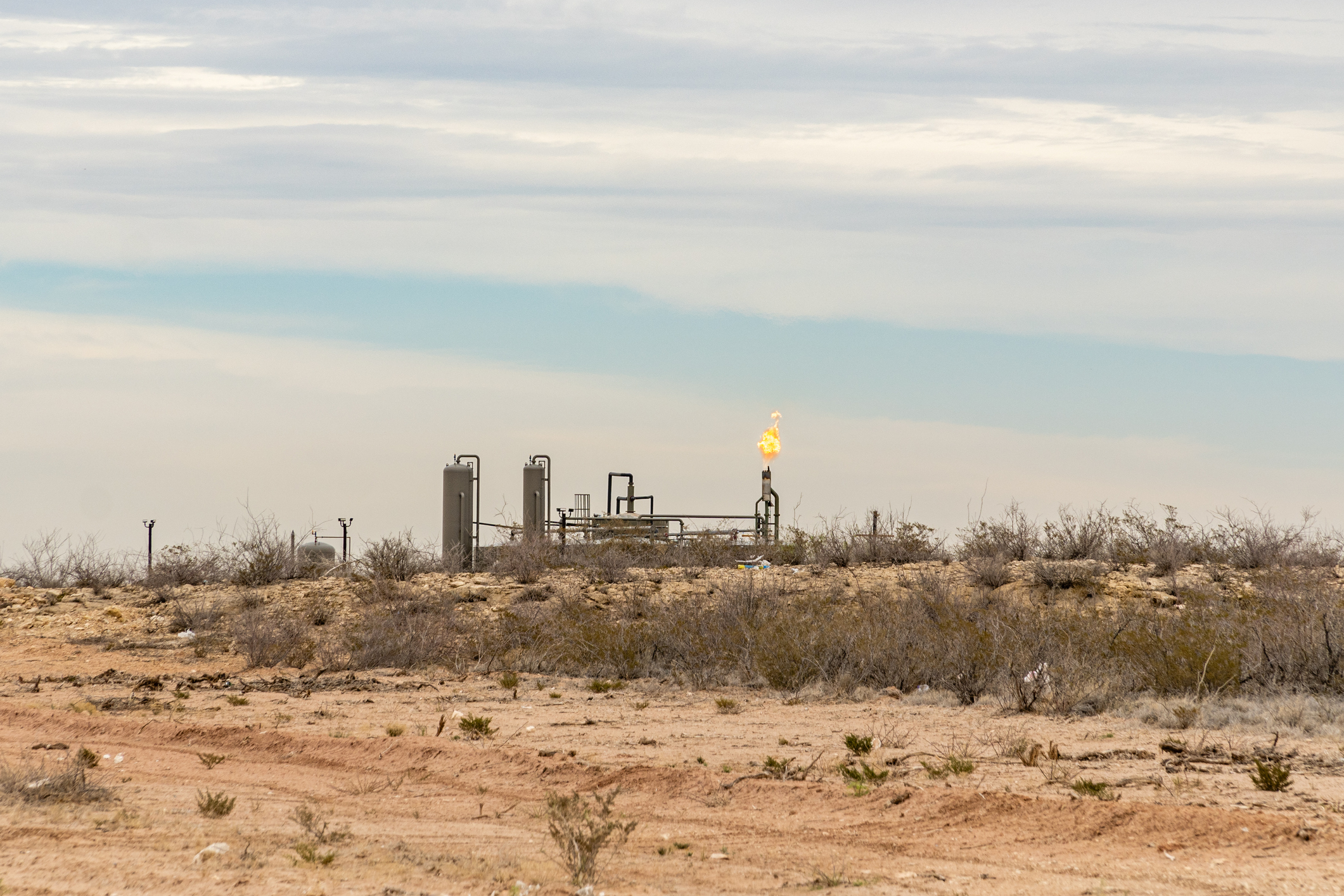
ESE Partners conducted comprehensive environmental compliance services for multiple facilities located in South Texas, including Spill Prevention, Control, and Countermeasure (SPCC) plan development and air permitting support.
Efficient Air Permitting for New Transfer Operations
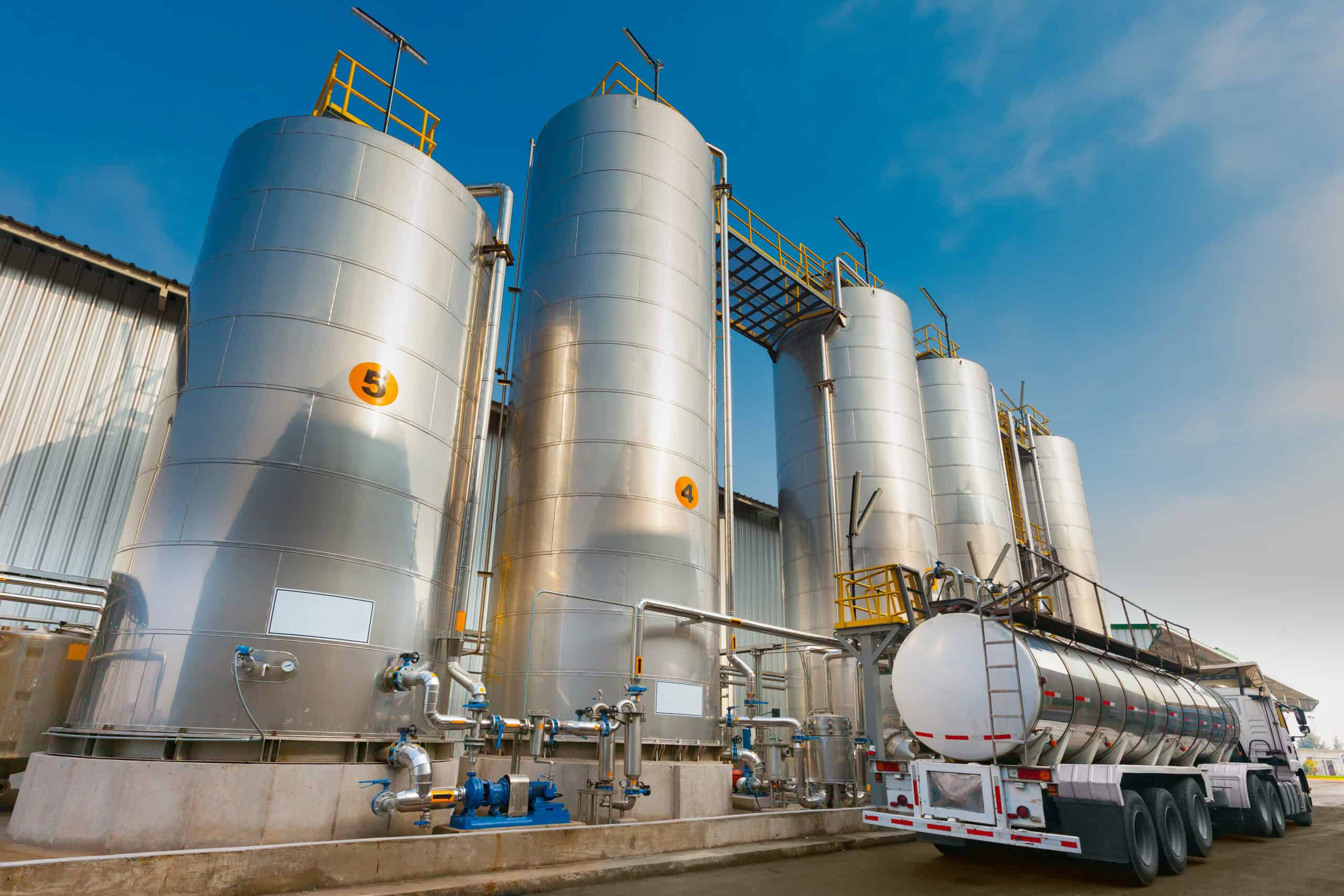
A bulk liquid storage and transfer operator sought to launch a new ethanol transloading operation involving rail-to-truck transfers using closed-loop loading.
Frequently Asked Questions About Title V Air Permits
What is a Title V air permit, and what is it intended to do?
A Title V air permit is a Clean Air Act operating permit program implemented through 40 CFR Part 70. In Texas, the TCEQ implements Title V through 30 TAC Chapter 122 (Federal Operating Permits), and the permit is called a Federal Operating Permit, or FOP. A Title V/FOP is intended to compile federally applicable air requirements into a single permit for a site, make permit terms federally enforceable (enforceable by TCEQ and EPA), and require structured ongoing compliance, including annual compliance certifications and related reporting.
When does a Texas site need a Title V / Federal Operating Permit?
A Texas site generally needs a Title V/FOP when it is a major source (as defined by applicable Title V rules), an Acid Rain affected source (40 CFR Part 72) where applicable, or otherwise subject to operating permit applicability under 30 TAC Chapter 122. Common real-world triggers include acquisition or refinancing diligence that identifies potential major source status, lenders/investors requiring confirmation of federally enforceable operating authorization, and compliance stabilization after expansions and NSR authorizations.
What does ESE Partners' Title V permitting process look like?
ESE Partners manages Title V air permit strategy the way deal teams and operators need it — with fast applicability calls addressing major source screening, aggregation, and emissions reality checks early, plain-English compliance mapping that clarifies what applies (and what doesn’t), and permitting strategies that match actual operations while avoiding unnecessary self-imposed monitoring or testing obligations. The process includes: applicability and gap assessment (major source screening, existing authorizations, compliance history, operational review); requirements consolidation (identifying federally applicable requirements to be incorporated into the FOP); application strategy (initial, renewal, revision, reopening; schedule and risk plan under Chapter 122); drafting and submittal (building the application package, including correct certification/signature authority approach); agency and public process support (managing questions, notices, comment periods, and review milestones); and post-issuance compliance setup (compliance calendar, monitoring/reporting workflow, audit-ready documentation). Key governing authorities include Clean Air Act Title V, EPA’s Title V program regulations under 40 CFR Part 70, and Texas Federal Operating Permit rules under 30 TAC Chapter 122, with Acid Rain requirements under 40 CFR Part 72 applying where relevant.
What does ESE Partners' NSR air permit process look like?
ESE Partners’ Comprehensive by Design approach focuses on getting the NSR air permit strategy right early — helping clients avoid over-permitting, under-permitting, and late-stage redesign through fast applicability screening (major vs. minor source determinations, PSD vs. NNSR considerations, and Texas-specific authorization options), practical emissions forecasting and project netting support, and control strategy support aligned with regulator expectations, including BACT or LAER considerations where applicable. The process includes: project intake and emissions unit inventory (equipment list, throughput, fuels, hours, controls); emissions estimates (PTE and project increase) by pollutant; NSR applicability determination (minor NSR vs. major NSR; PSD vs. NNSR); permitting pathway and schedule (modeling needs, public notice expectations, agency routing); application package development (forms, calculations, supporting memo, control descriptions); agency coordination through review and responses to comments; and construction compliance planning (recordkeeping, testing, startup notifications, and permit-ready documentation). After construction, many projects may also intersect with Title V operating permit obligations, depending on the facility’s source status and applicable emissions thresholds.