What Is a Transaction Screen?
A Transaction Screen (also called a Property Transaction Screen Analysis or Transaction Screen Assessment) is a limited environmental due diligence review typically performed under ASTM E1528-14 (Standard Practice for Limited Environmental Due Diligence: Transaction Screen Process).
Compared to a Phase I ESA, a Transaction Screen generally covers similar “big buckets” (site reconnaissance, records review, interviews), but with less depth and fewer required components, making it faster and lower cost for certain transactions.
Request Your Transaction Screen Today
Texas’ most trusted environmental experts – comprehensive by design.
When Is It Required (or Commonly Requested)?
Transaction Screens are most often used when a Phase I ESA is not required or the property is not anticipated to contain environmental constraints, but stakeholders still want a documented screen for decision-making.
Common scenarios include:
- Low-risk acquisitions (e.g., clean-use retail/office) where the lender/PE group allows a limited scope
- Portfolio triage (screen many assets quickly, then Phase I the exceptions)
- Internal investment committee documentation for smaller-dollar deals
- Tight closing timelines when the team needs an initial go/no-go signal before escalating to Phase I/Phase II
ESE Partners’ Approach
ESE Partners delivers Transaction Screens the way deal teams actually use them: quickly, clearly, and with practical risk context. Our fast turnaround is built for real estate timelines, especially for transactions in Houston, Dallas-Fort Worth, Austin, and San Antonio. We provide practical risk calls that flag what matters without overcalling marginal issues, and we avoid dead-end reports by giving clear next steps such as “proceed,” “proceed with conditions,” or “escalate to Phase I/Phase II.” With a Texas-grounded perspective, ESE aligns findings with how projects, lenders, and regulators behave in the real world rather than relying solely on checklists.
Our Process
- Project kickoff & scope confirmation (property type, intended use, lender/investor requirements)
- Site reconnaissance / walk-through to identify obvious red flags (e.g., staining, drums, distressed vegetation, nearby industrial uses)
- Targeted records review appropriate for a Transaction Screen scope
- Focused interviews / owner questions (as needed based on property profile)
- Findings + risk summary with clear recommendations (including when to escalate to a Phase I ESA)
Regulatory Framework (How This Fits)
- ASTM E1528-14 is the primary standard for the Transaction Screen process.
- A Transaction Screen is often positioned as a “Phase I lite” and does not provide the same liability protections as a Phase I ESA performed to ASTM Phase I standards.
- If your goal is liability protection (e.g., aligning with “all appropriate inquiries” expectations), a Phase I ESA is typically the correct tool—not a Transaction Screen.
Risks of Not Completing a Transaction Screen
Even on seemingly “clean” assets, skipping environmental due diligence entirely can create avoidable risk. Surprise environmental liabilities may surface after closing and become the buyer’s responsibility, while financing can become more difficult if a lender later requests documentation that was never completed. Deals can also be delayed when environmental questions arise late in the process, such as after the purchase and sale agreement is signed or during final underwriting. A Transaction Screen is often the fastest way to document that environmental conditions were reviewed and to clearly show what was found.
More Environmental Due Diligence Services

Phase II Environmental Site Assessment (ESAs)
A Phase II Environmental Site Assessment is often warranted when a Phase I ESA identifies a Recognized Environmental Condition, requiring further investigation. The purpose of a Phase II ESA is to confirm or deny the presence of chemicals of concern in the environment. The Phase II ESA involves the sampling and laboratory analysis of multiple medias, often including soil, soil gas, and groundwater. The analytical testing results are compared to regulatory limits and criteria established by the applicable government agency. Further remedial action may be warranted based on the results of the Phase II ESA.

Property Condition Assessments (PCAs)
Costs for replacement or repair of major systems, components or equipment at a property can blindside buyers. ESE provides Property Condition Assessments (PCAs) on a variety of commercial structures to educate a buyer or lender with valuable insight regarding costs to remedy physical deficiencies. PCAs are conducted in accordance with the ASTM E 2018-15 guidance document and are often conducted concurrently with a Phase I ESA.
Industries We Serve
ESE operates in a wide range of industries, all with unique needs and regulatory obligations. We offer experts who understand the broad complexity of environmental challenges faced by today’s businesses.

Real Estate Brokers & Developers
ESE helps brokers and developers reduce deal friction and avoid surprises through fast, defensible environmental due diligence. We support property evaluations, redevelopment risk screening, and transaction-ready reporting for Texas assets.

Private Equity/Capital Investors
Transaction support for acquisitions and portfolio oversight, including Phase I/II ESAs and risk-based evaluation. We provide clear findings, practical recommendations, and scalable diligence support.

Financial Institutions
ESE supports lender-driven environmental due diligence and portfolio risk management, including Phase I/II ESAs and risk screening. We deliver consistent, defensible reporting aligned with credit and closing timelines.

Attorneys
Technical support for environmental risk, liability evaluation, and regulatory strategy. We provide clear documentation and expert collaboration to support transactions, compliance matters, and remediation planning.
Why ESE Partners
As Texas’ Most Trusted Environmental Experts — Comprehensive by Design, ESE Partners is built for transactions that require speed, clarity, and practical environmental risk guidance. Clients choose ESE for Texas-focused due diligence across commercial real estate, energy, and infrastructure projects, supported by responsive communication that keeps stakeholders informed on status, schedule, and risk calls. Our scalable statewide delivery covers major metros and secondary markets, helping single-site and portfolio transactions move efficiently. When a Transaction Screen identifies issues that require escalation, ESE offers full-service depth across Phase I ESAs, Phase II investigations, remediation, and compliance pathways, so clients do not have to change firms mid-deal.
Need a Transaction Screen to keep a deal moving—without overpaying for scope you don’t need?
Talk to ESE Partners today to get a fast proposal and turnaround schedule.
Our Environmental Due Diligence Projects
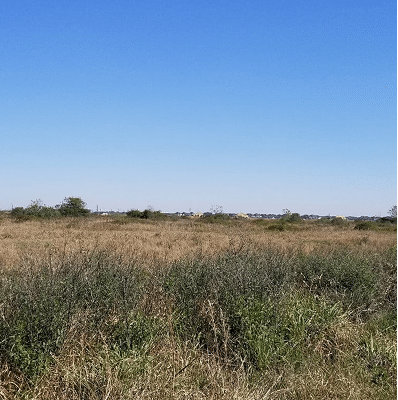
Phase I and II for residential Home Developer in Flushear, Texas
ESE performed a Phase I ESA on approximately 143-acre property in a future master-planned community in the greater Houston area.

Pre-Acquisition Due Diligence in Downtown San Antonio
ESE performed pre-acquisition due diligence for two contiguous city blocks in downtown San Antonio, Texas with development history dating back to the late 1800’s.

Phase I and II for residential Home Developer in Flushear, Texas
ESE performed a Phase I ESA on approximately 143-acre property in a future master-planned community in the greater Houston area.
Frequently Asked Questions About Transaction Screens
What is a Transaction Screen, and how does it differ from a Phase I ESA?
A Transaction Screen (also called a Property Transaction Screen Analysis or Transaction Screen Assessment) is a limited environmental due diligence review typically performed under ASTM E1528-14 (Standard Practice for Limited Environmental Due Diligence: Transaction Screen Process). Compared to a Phase I ESA, a Transaction Screen generally covers similar “big buckets” (site reconnaissance, records review, interviews), but with less depth and fewer required components, making it faster and lower cost for certain transactions. Importantly, a Transaction Screen is often positioned as a “Phase I lite” and does not provide the same liability protections as a Phase I ESA performed to ASTM Phase I standards — so if your goal is liability protection (e.g., aligning with “all appropriate inquiries” expectations), a Phase I ESA is typically the correct tool, not a Transaction Screen.
When is a Transaction Screen the right choice?
Transaction Screens are most often used when a Phase I ESA is not required or the property is not anticipated to contain environmental constraints, but stakeholders still want a documented screen for decision-making. Common scenarios include low-risk acquisitions (e.g., clean-use retail/office) where the lender/PE group allows a limited scope, portfolio triage (screening many assets quickly, then running a Phase I on the exceptions), internal investment committee documentation for smaller-dollar deals, and tight closing timelines when the team needs an initial go/no-go signal before escalating to Phase I/Phase II. A Transaction Screen can be the right-fit tool for lower-risk commercial properties when timing and budget matter, while still providing a documented basis for decisions.
What are the risks of skipping environmental due diligence entirely?
Even on seemingly “clean” assets, skipping environmental due diligence entirely can create avoidable risk. Surprise environmental liabilities may surface after closing and become the buyer’s responsibility, while financing can become more difficult if a lender later requests documentation that was never completed. Deals can also be delayed when environmental questions arise late in the process, such as after the purchase and sale agreement is signed or during final underwriting. A Transaction Screen is often the fastest way to document that environmental conditions were reviewed and to clearly show what was found.
What does ESE Partners' Transaction Screen process look like?
ESE Partners delivers Transaction Screens the way deal teams actually use them: quickly, clearly, and with practical risk context — providing practical risk calls that flag what matters without overcalling marginal issues, and avoiding dead-end reports by giving clear next steps such as “proceed,” “proceed with conditions,” or “escalate to Phase I/Phase II.” The process includes: project kickoff and scope confirmation (property type, intended use, lender/investor requirements); site reconnaissance/walk-through to identify obvious red flags (e.g., staining, drums, distressed vegetation, nearby industrial uses); targeted records review appropriate for a Transaction Screen scope; focused interviews/owner questions (as needed based on property profile); and a findings and risk summary with clear recommendations (including when to escalate to a Phase I ESA). When a Transaction Screen identifies issues that require escalation, ESE offers full-service depth across Phase I ESAs, Phase II investigations, remediation, and compliance pathways, so clients don’t have to change firms mid-deal.