Why Early Environmental Coordination Is Critical for Texas Water Infrastructure Projects
Texas continues to invest heavily in water infrastructure to support growing communities, strengthen water supplies, and improve system reliability. As engineering firms, municipalities, utility districts, and developers pursue funding opportunities through the Texas Water Development Board (TWDB), project teams are discovering that successful delivery depends on much more than sound engineering design.
Today, many of the most significant project risks emerge long before construction begins.
Environmental constraints, permitting requirements, cultural resource considerations, and agency coordination can all influence project feasibility, schedules, budgets, and funding readiness. While these factors are often viewed as project hurdles, they are more accurately opportunities for informed decision-making—provided they are identified early enough in the planning process.
The Cost of Late Discovery
One of the most common challenges facing infrastructure projects is the late identification of environmental or cultural resource constraints.
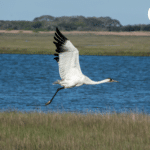
A proposed pipeline alignment may intersect wetlands or streams requiring additional permitting. A planned facility expansion could affect habitat for federally protected species. Archaeological resources or historic properties may be discovered within a project area after design has already advanced. In many cases, these issues are not impossible to overcome, but addressing them later in the process often requires additional time, coordination, and expense.
When constraints are identified after substantial engineering work has been completed, project teams may face:
- Design revisions and alignment changes
- Additional environmental studies
- Extended permitting timelines
- Increased agency coordination
- Delays to funding applications or project implementation
- Unanticipated project costs
These challenges can be particularly impactful for projects pursuing TWDB funding, where schedules, readiness, and regulatory compliance play important roles in project advancement.
Integrating Environmental Planning Early
The most effective way to reduce uncertainty is to integrate environmental and cultural resource evaluations into project planning from the beginning.
Early coordination allows project teams to better understand existing site conditions and identify potential constraints before key design decisions are finalized. This proactive approach supports informed planning and provides greater flexibility when evaluating alternatives.
By conducting environmental and cultural resource assessments early, project teams can:
- Refine project alignments and site layouts
- Understand permitting pathways and requirements
- Identify potential agency coordination needs
- Anticipate environmental mitigation requirements
- Improve project readiness for funding applications
- Reduce the likelihood of costly redesigns later in the process
Rather than reacting to issues as they arise, teams can make strategic decisions that balance engineering objectives, regulatory requirements, and project schedules.
Supporting TWDB Funding Success
For projects seeking TWDB funding, environmental readiness can be an important component of overall project preparedness.
Funding agencies increasingly expect applicants to demonstrate a clear understanding of project constraints, permitting requirements, and implementation feasibility. Projects that have already begun evaluating environmental and cultural resource considerations are often better positioned to move efficiently through subsequent project phases.
Early coordination helps project teams establish realistic schedules, identify regulatory obligations, and provide stakeholders with greater confidence in project execution.
A Collaborative Approach
Successful infrastructure projects require collaboration among engineers, planners, environmental professionals, cultural resource specialists, regulatory agencies, and project stakeholders.
At ESE Partners, our natural and cultural resource teams work alongside engineering firms, municipalities, utility providers, and developers throughout the project lifecycle. By identifying potential environmental and cultural resource constraints early, we help teams better understand project risks, navigate permitting requirements, and support smoother project delivery from planning through construction.
As Texas continues to invest in critical water infrastructure, early environmental coordination is becoming less of a regulatory checkbox and more of a strategic project management tool. The sooner project teams understand the opportunities and constraints that may affect a project, the better positioned they are to deliver successful outcomes on schedule and with greater certainty.