What Is Construction Stormwater Permitting?
Construction stormwater permitting is the set of requirements that apply to stormwater discharges associated with construction activity, typically including:
- Determining whether your site must obtain CGP coverage (based on acres disturbed and “common plan of development”)
- Preparing and implementing a SWPPP (Stormwater Pollution Prevention Plan) (often called an SWP3 in Texas practice)
- Filing the right authorization paperwork (e.g., NOI or CSN) and maintaining required onsite documentation
- Performing and documenting inspections and corrective actions (BMP maintenance, repairs, upgrades)
In Texas, the governing permit for most construction projects is the 2023 Construction General Permit TXR150000 administered by TCEQ.
Request Your Construction Stormwater Permitting Services Today
Texas’ most trusted environmental experts – comprehensive by design.
When Is It Required?
Construction stormwater permitting is commonly required when a project disturbs 1 acre or more, or when it is part of a larger common plan of development that cumulatively disturbs 1 or more acres. It is also frequently needed for projects pursuing construction financing, since banks and equity partners often require SWPPP and Construction General Permit (CGP) compliance as a funding condition. Projects located in or near an MS4 jurisdiction may face additional local stormwater oversight, with cities and local programs verifying SWPPP and BMP implementation during construction. Proper permitting also helps reduce exposure to sediment discharges, neighbor complaints, inspection findings, and other issues that can delay project schedules.
ESE Partners’ Approach
ESE Partners supports owners, developers, and general contractors across Houston, Dallas–Fort Worth, Austin, and San Antonio with construction stormwater permitting designed for real project schedules. Our deal-speed execution provides fast turnarounds for SWPPP/SWP3 preparation and submittal support to help avoid mobilization delays. We emphasize practical compliance through right-sized BMPs that control risk without overdesigning costs, along with field-first support such as inspection-ready documentation, corrective action tracking, and defensible records. With Texas regulatory fluency, ESE builds stormwater permitting strategies around TCEQ’s CGP TXR150000 framework and applicable local MS4 expectations.
Our Process
- Screen applicability (acreage disturbed + “common plan,” discharge points, receiving waters)
- Define operators and responsibilities (owner/developer vs. GC vs. subcontractors; signatory roles)
- Prepare SWPPP/SWP3 (site map, sequencing, BMP selection, stabilization strategy, maintenance triggers)
- Support NOI/CSN pathway (confirm which filing applies and assemble the required package)
- Implement BMPs & train field teams (what to install, when, and how to document it)
- Conduct inspections & reporting (and manage corrective actions before they become findings)
- Close out (final stabilization, termination documentation as applicable)
Regulatory Framework (Texas)
Key regulatory drivers for construction stormwater permitting typically include the TCEQ TPDES Construction General Permit TXR150000, also known as the 2023 CGP, which serves as the primary statewide authorization for construction stormwater discharges in Texas. Projects may also need to account for Municipal Separate Storm Sewer System (MS4) programs, where local requirements and enforcement interfaces can influence construction oversight, inspections, and BMP expectations. At the federal level, Texas’ CGP is issued under TPDES, the state’s implementation of the Clean Water Act stormwater permitting program, and is aligned with broader NPDES permitting concepts.
Risks of Not Completing This Service
Skipping or under-executing construction stormwater permitting can create:
- Project delays: failed inspections, rework, and administrative hold-ups
- Enforcement exposure: citations, penalties, or mandated corrective actions
- Lender friction: missing SWPPP/permit coverage can become a closing condition or trigger noncompliance
- Third-party claims: sediment impacts and neighbor complaints that escalate costs and timeline uncertainty
More Environmental Compliance Services

Air Compliance
As an environmental compliance company, ESE Partners provides numerous air compliance services to the oil & gas, energy, chemical, and manufacturing market sectors. Our air expertise includes air permitting (Permits by Rule, Standard Permits, New Source Review, Title V Permits), air dispersion modeling, onsite auditing and inspections, federal and state regulatory analysis, emissions inventory, GHG analysis, and deviation and periodic reporting.

Water Compliance
ESE’s water compliance capabilities include industrial and construction stormwater permitting, stormwater pollution prevention plan (SWPPP) preparation, SPCC planning, FRPs, RMPs, Tier II reporting, TRI reporting, AST/UST registration/permitting, wastewater permitting and reporting, onsite inspections and compliance audits, drinking water assessments, wetlands determinations, and water sourcing/acquisition planning. Our environmental compliance services keep your facilities in line with state and federal regulations.
Industries We Serve
ESE operates in a wide range of industries, all with unique needs and regulatory obligations. We offer experts who understand the broad complexity of environmental challenges faced by today’s businesses.

Oil & Gas Operators
Environmental consulting for upstream, midstream, and downstream operations—due diligence, compliance support, and remediation strategy. ESE helps operators manage regulatory risk and maintain operational continuity in Texas.

Telecom & Data Center Developers
ESE supports telecom and data center development with due diligence, permitting support, and construction-phase compliance. We help teams identify environmental constraints early, manage site risk, and keep schedules intact.

Land Development & Redevelopment
ESE supports developers with site screening, Phase I/II ESAs, and remediation planning for redevelopment and infill projects. We help identify constraints early and reduce delays during entitlement and construction.
Why ESE Partners
ESE Partners is built for high-velocity projects where environmental compliance must support construction, not stall it. Our Texas-first execution model provides statewide capability for construction stormwater permitting and related compliance needs. With integrated service lines beyond stormwater, including environmental due diligence, remediation support, compliance, natural and cultural resources, and building sciences, ESE helps clients manage project risks through one coordinated team. Our responsive teams communicate clearly with owners, lenders, and construction leadership, keeping stakeholders aligned as schedules move. We also provide defensible documentation designed to stand up if a project receives scrutiny from regulators, municipalities, or other reviewing parties.
Need construction stormwater permitting support for a Texas project?
Contact ESE Partners to get a proposal within 24 hours—and keep your schedule protected from preventable stormwater compliance delays.
Our Environmental Compliance Projects
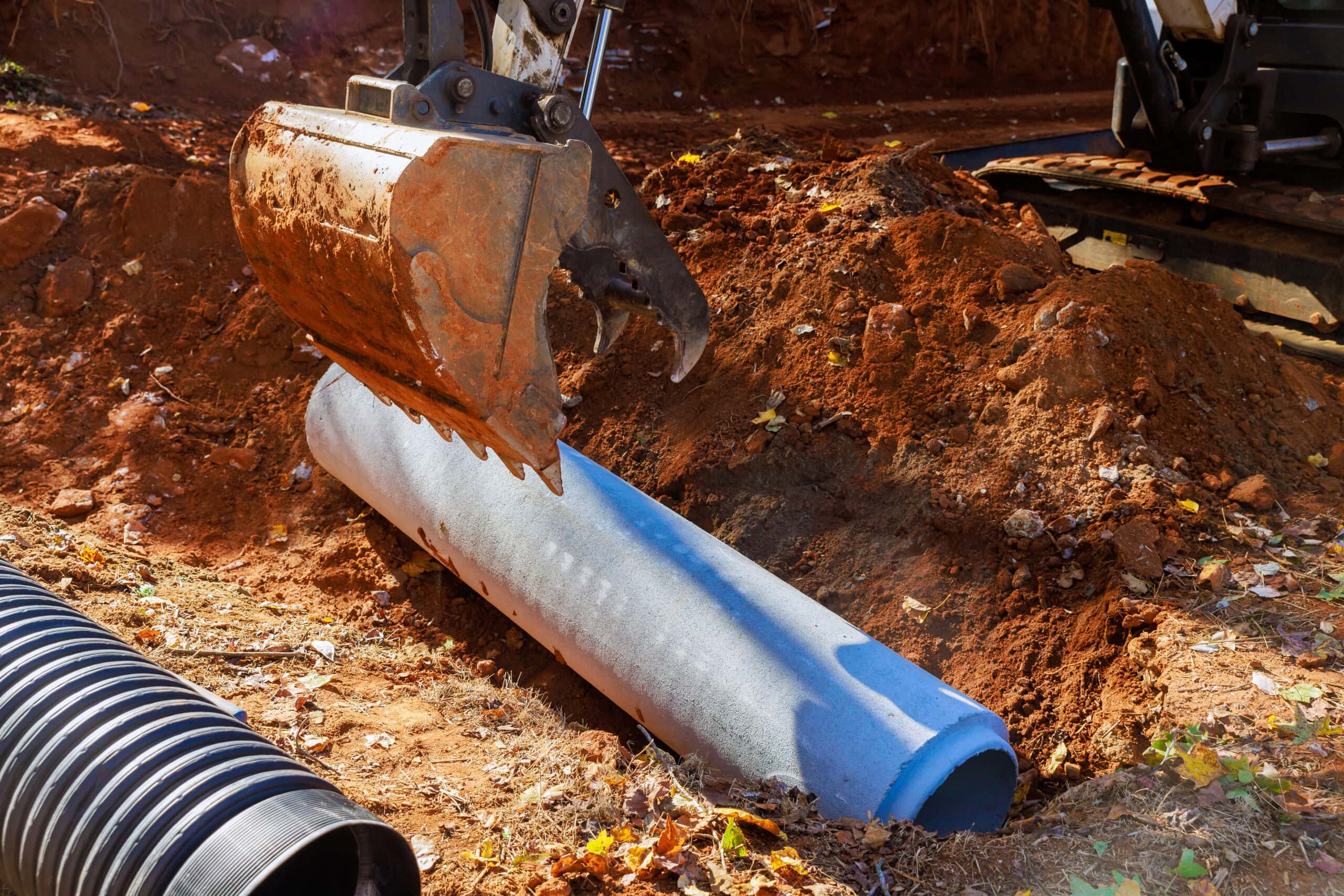
Construction SWPPP: Restaurant in Central Texas
ESE Partners developed a comprehensive Construction Storm Water Pollution Prevention Plan (SWPPP) to support construction of a new located in Central Texas.
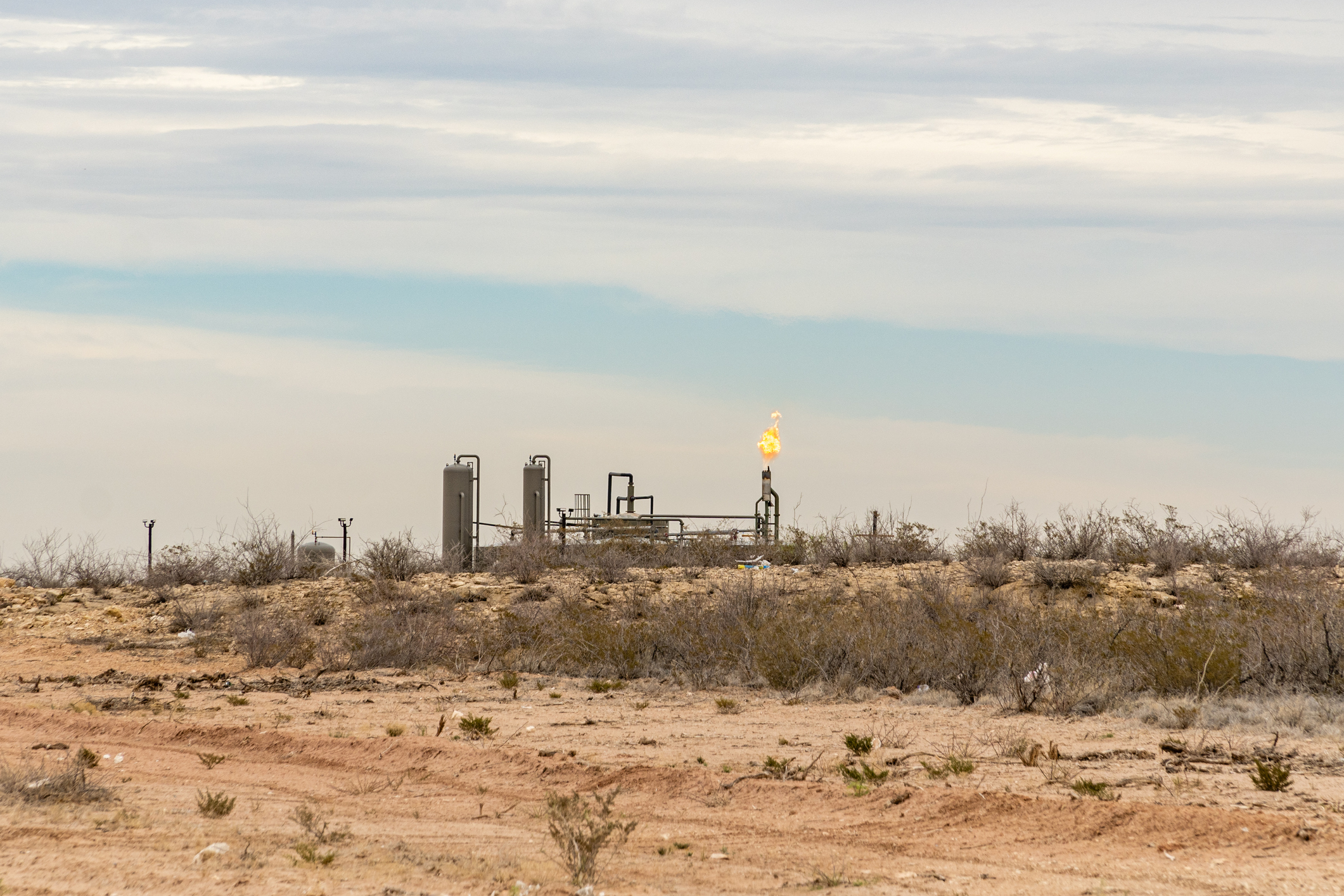
EHS Compliance Support, Air Permitting, and SPCC Plans
ESE Partners conducted comprehensive environmental compliance services for multiple facilities located in South Texas, including Spill Prevention, Control, and Countermeasure (SPCC) plan development and air permitting support.
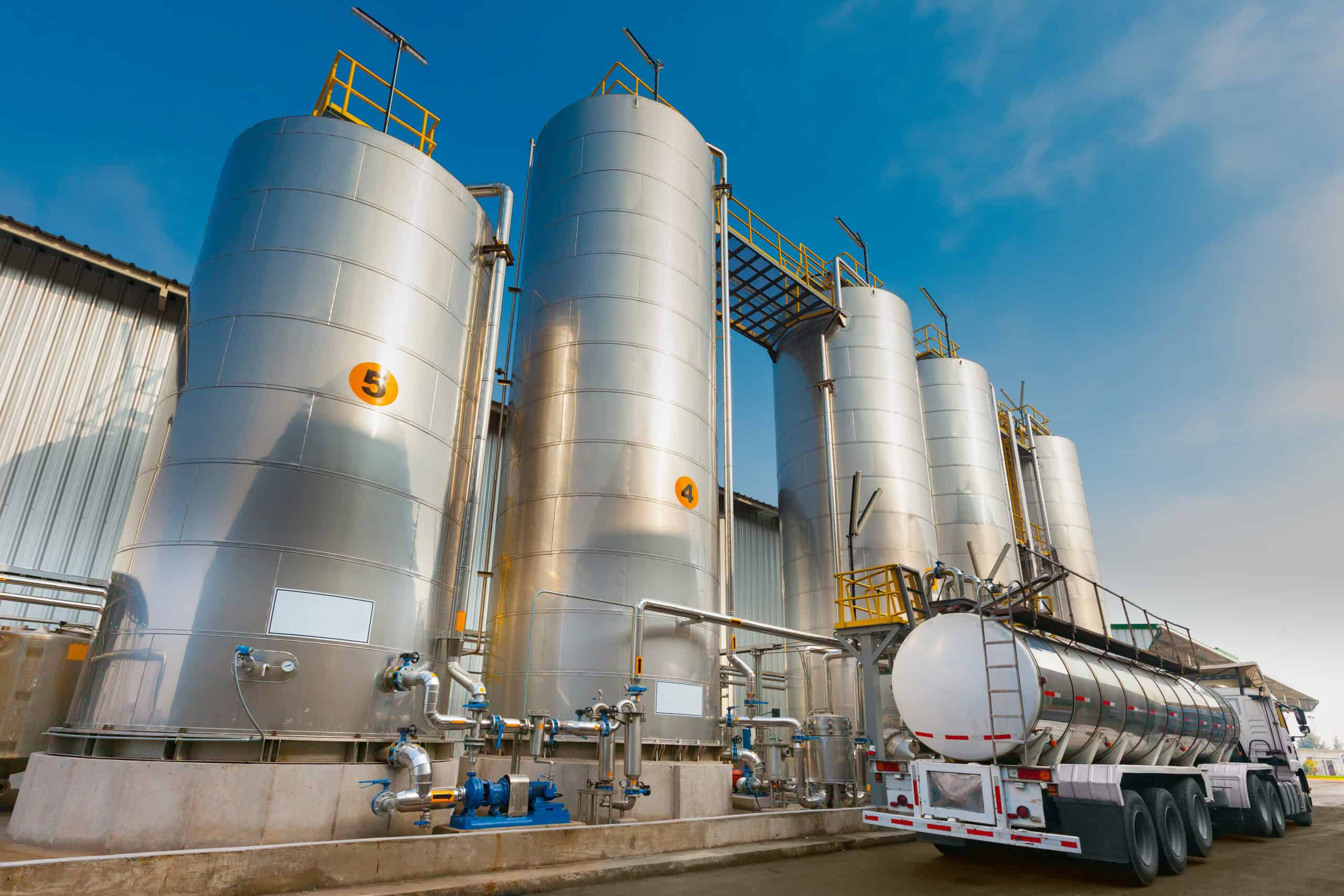
Efficient Air Permitting for New Transfer Operations
A bulk liquid storage and transfer operator sought to launch a new ethanol transloading operation involving rail-to-truck transfers using closed-loop loading.
Frequently Asked Questions About Construction Stormwater Permitting Services
What is construction stormwater permitting and what does it involve in Texas?
Construction stormwater permitting is the set of requirements that apply to stormwater discharges associated with construction activity, typically including determining whether your site must obtain CGP coverage (based on acres disturbed and “common plan of development”), preparing and implementing a SWPPP (Stormwater Pollution Prevention Plan, often called an SWP3 in Texas practice), filing the right authorization paperwork (e.g., NOI or CSN) and maintaining required onsite documentation, and performing and documenting inspections and corrective actions (BMP maintenance, repairs, upgrades). In Texas, the governing permit for most construction projects is the 2023 Construction General Permit TXR150000 administered by TCEQ.
When is construction stormwater permitting required for my project?
Construction stormwater permitting is commonly required when a project disturbs 1 acre or more, or when it is part of a larger common plan of development that cumulatively disturbs 1 or more acres. It is also frequently needed for projects pursuing construction financing, since banks and equity partners often require SWPPP and Construction General Permit (CGP) compliance as a funding condition. Projects located in or near an MS4 jurisdiction may face additional local stormwater oversight, with cities and local programs verifying SWPPP and BMP implementation during construction. Proper permitting also helps reduce exposure to sediment discharges, neighbor complaints, inspection findings, and other issues that can delay project schedules.
What are the risks of skipping or under-executing construction stormwater permitting?
Skipping or under-executing construction stormwater permitting can create project delays (failed inspections, rework, and administrative hold-ups), enforcement exposure (citations, penalties, or mandated corrective actions), lender friction (missing SWPPP/permit coverage can become a closing condition or trigger noncompliance), and third-party claims (sediment impacts and neighbor complaints that escalate costs and timeline uncertainty).
What does ESE Partners' construction stormwater permitting process look like?
ESE Partners supports owners, developers, and general contractors with construction stormwater permitting designed for real project schedules — providing deal-speed execution with fast turnarounds for SWPPP/SWP3 preparation and submittal support, emphasizing practical compliance through right-sized BMPs that control risk without overdesigning costs, and offering field-first support such as inspection-ready documentation, corrective action tracking, and defensible records. The process includes: screening applicability (acreage disturbed and “common plan,” discharge points, receiving waters); defining operators and responsibilities (owner/developer vs. GC vs. subcontractors; signatory roles); preparing the SWPPP/SWP3 (site map, sequencing, BMP selection, stabilization strategy, maintenance triggers); supporting the NOI/CSN pathway (confirming which filing applies and assembling the required package); implementing BMPs and training field teams (what to install, when, and how to document it); conducting inspections and reporting (managing corrective actions before they become findings); and closeout (final stabilization and termination documentation as applicable).