PROJECT OVERVIEW
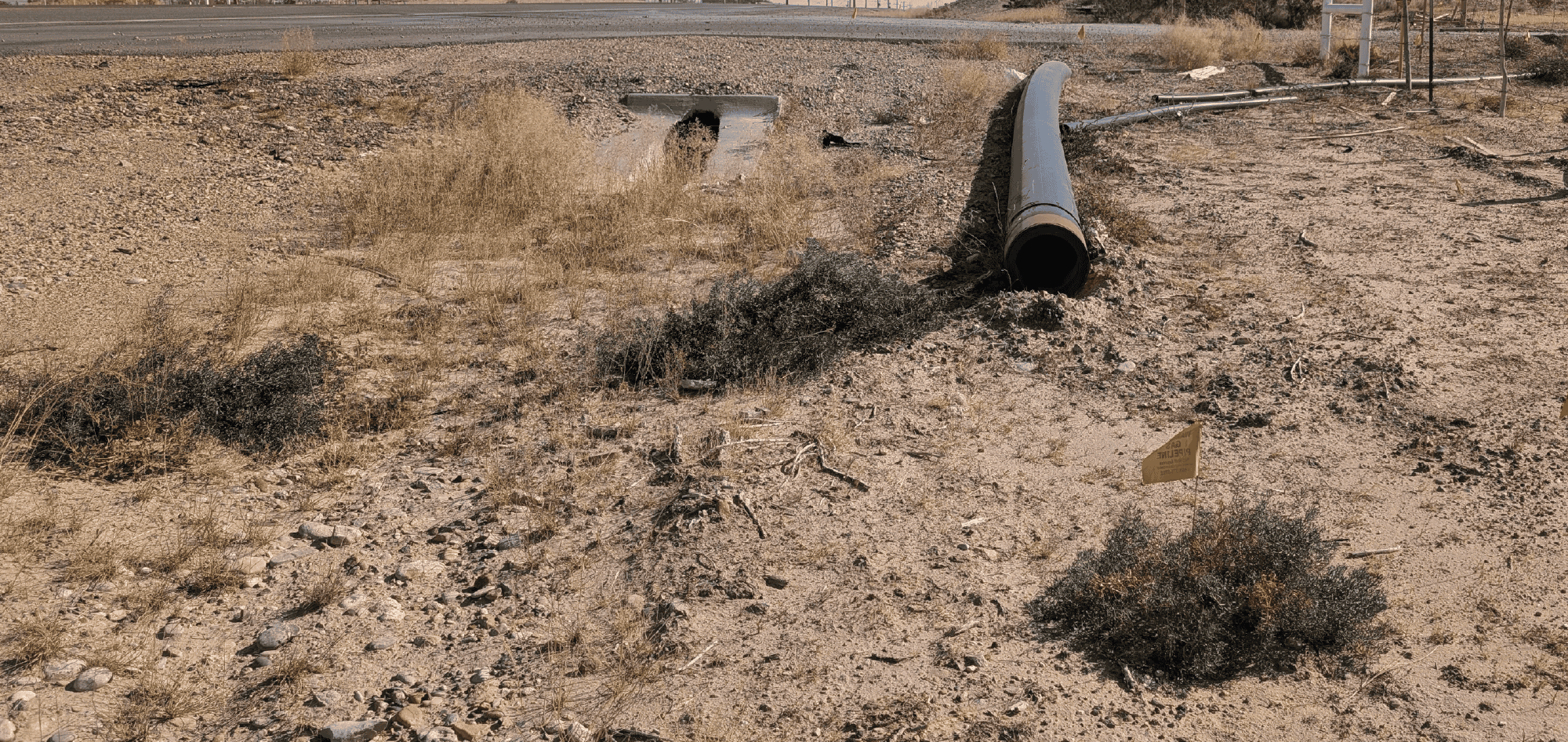
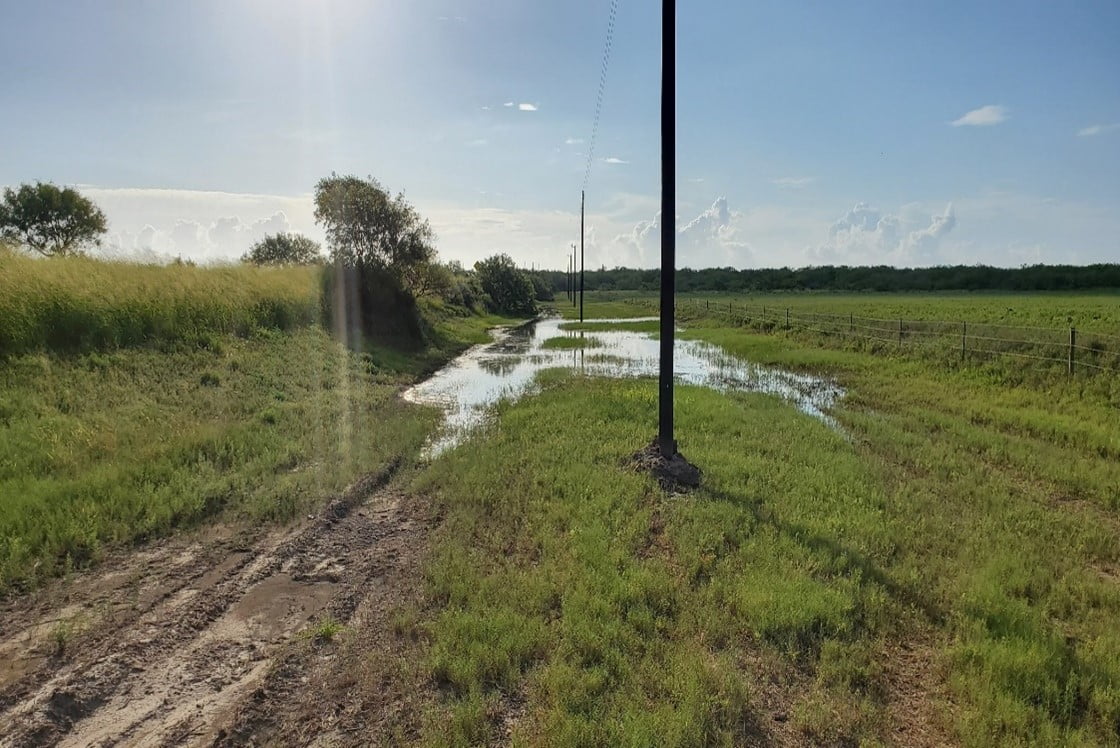
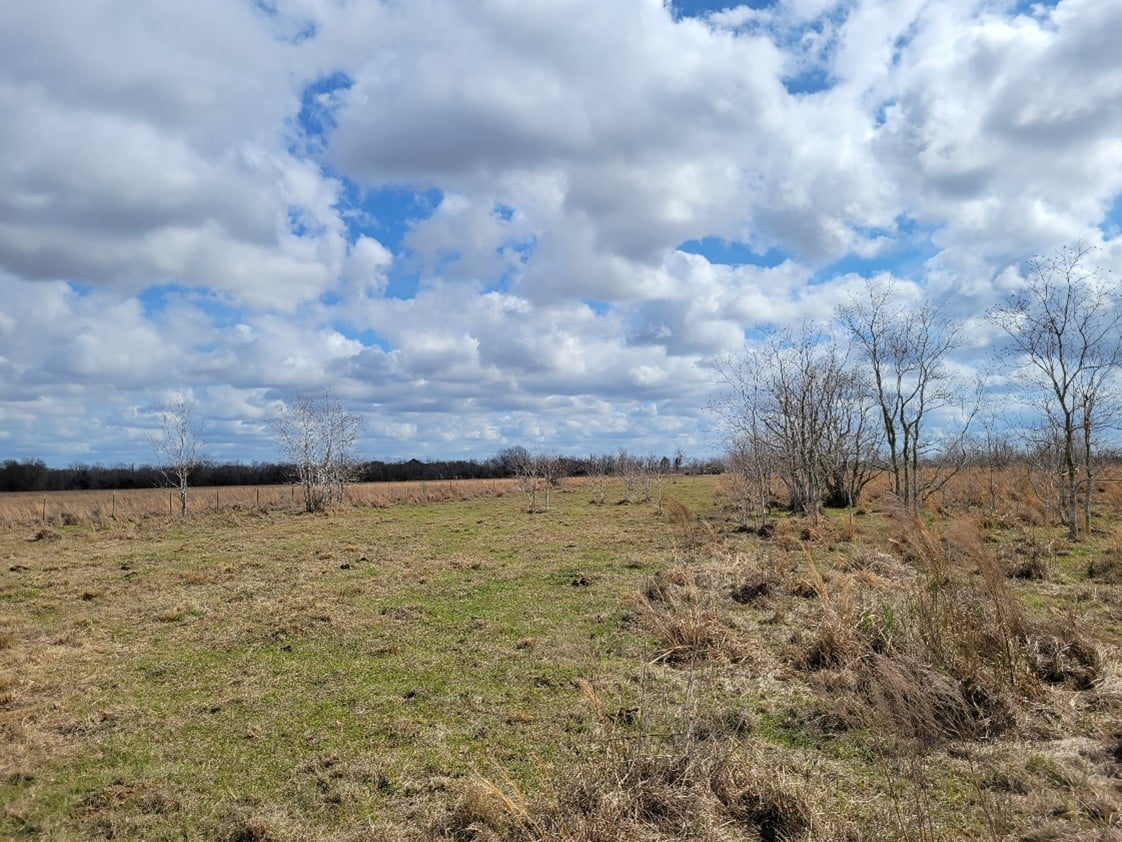
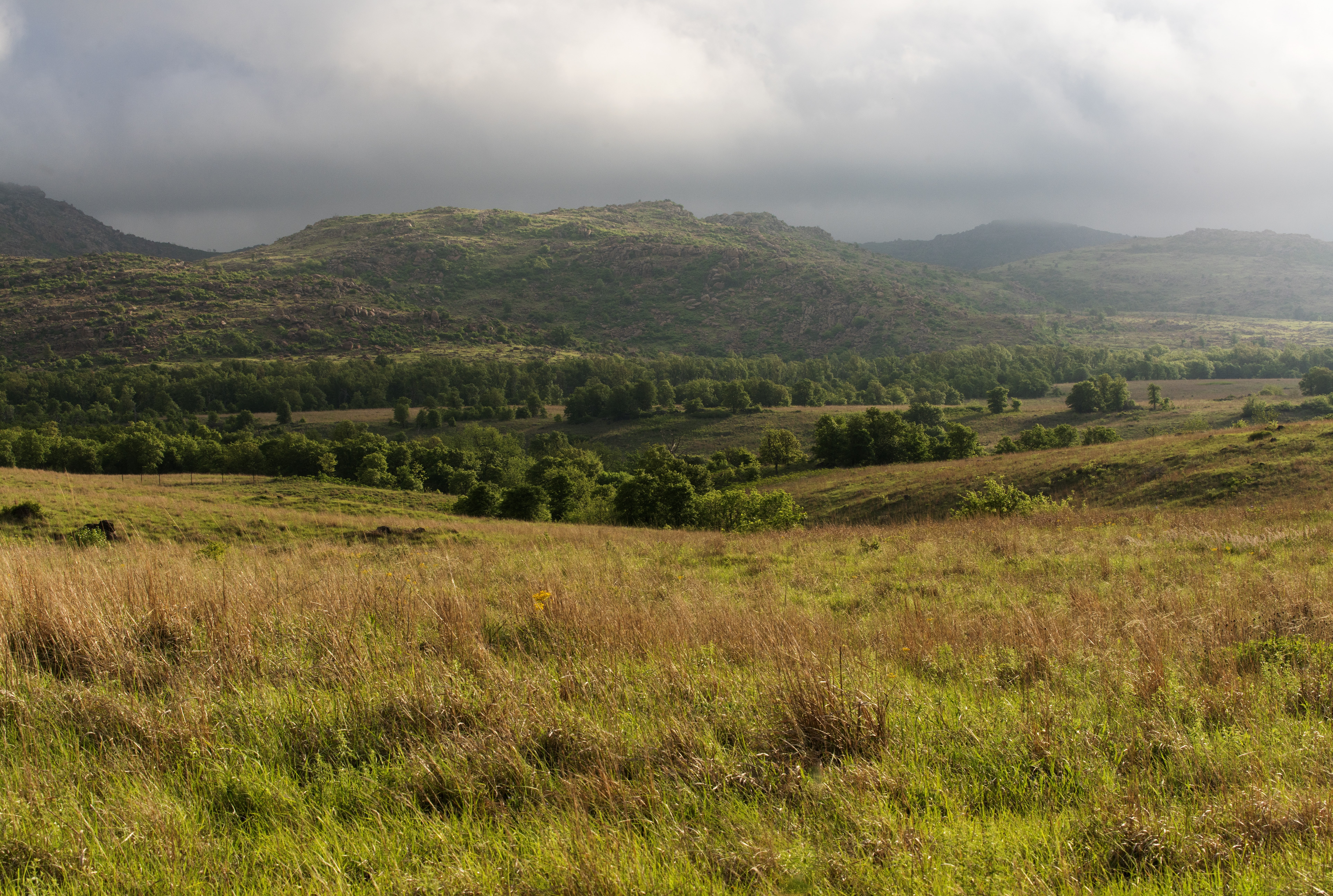
ESE Partners completed a cultural resources survey for a 110-acre industrial site in Muskogee, Oklahoma, supporting due diligence under Section 106 of the National Historic Preservation Act. The work included coordination with state, federal, and tribal regulatory stakeholders and focused on identifying archaeological and historic resources within designated investigation areas.
CHALLENGES
The project required Section 106 compliance within an industrial site subject to environmental monitoring controls. Field activities were conducted under radiation safety oversight, requiring archaeologists to use Tyvek protective gear during survey and shovel testing.
The survey also required culturally appropriate treatment of an isolated prehistoric artifact in consultation with tribal representatives.
ESE’S APPROACH
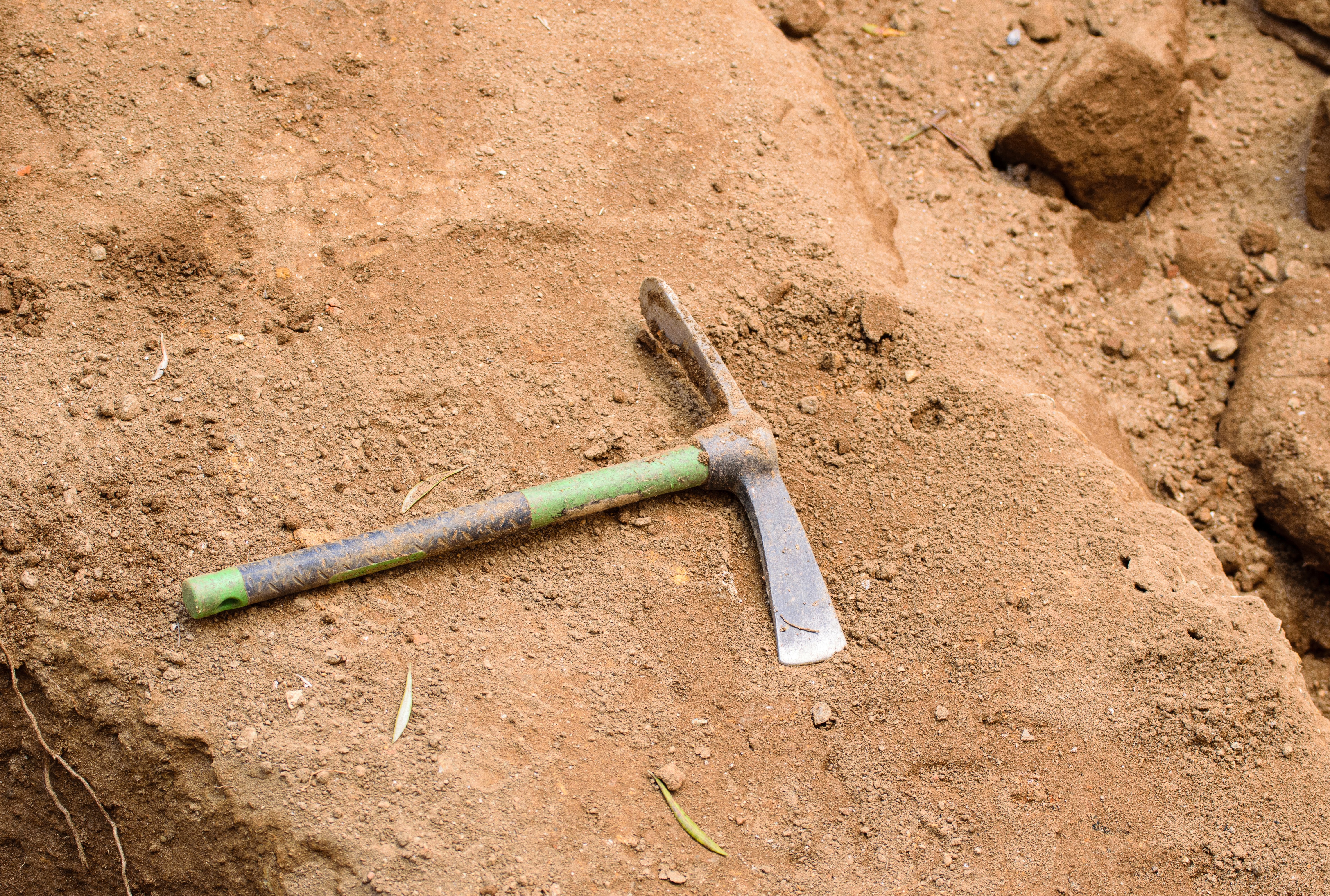
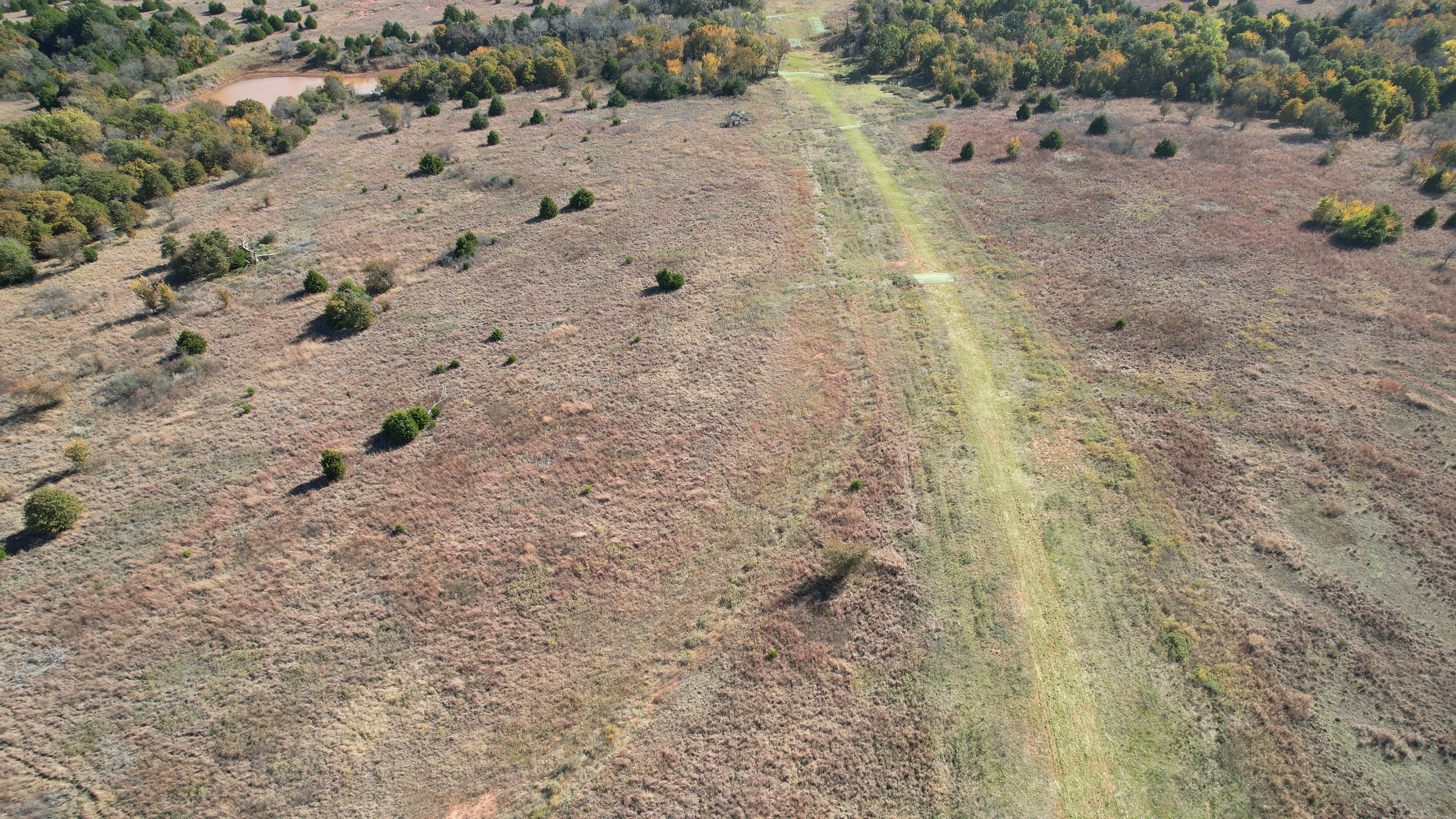
ESE conducted a prefield archival review of aerial imagery, previously documented archaeological sites, and prior cultural resource investigations in the surrounding area. Fieldwork included 100 percent pedestrian transect coverage, surface inspection, and shovel testing consistent with Oklahoma State Historic Preservation Office survey standards.
Historic-age structures were documented using appropriate cultural resource identification forms to support eligibility evaluation.
KEY ELEMENTS
- Completed NHPA Section 106 cultural resources due diligence survey
- Conducted 100 percent pedestrian transect coverage in defined survey areas
- Performed intensive surface inspection and 17 shovel tests
- Coordinated artifact treatment with tribal stakeholders
- Documented five historic-age structures using HPRI forms
- Completed fieldwork under site-specific radiation safety monitoring
RESULTS
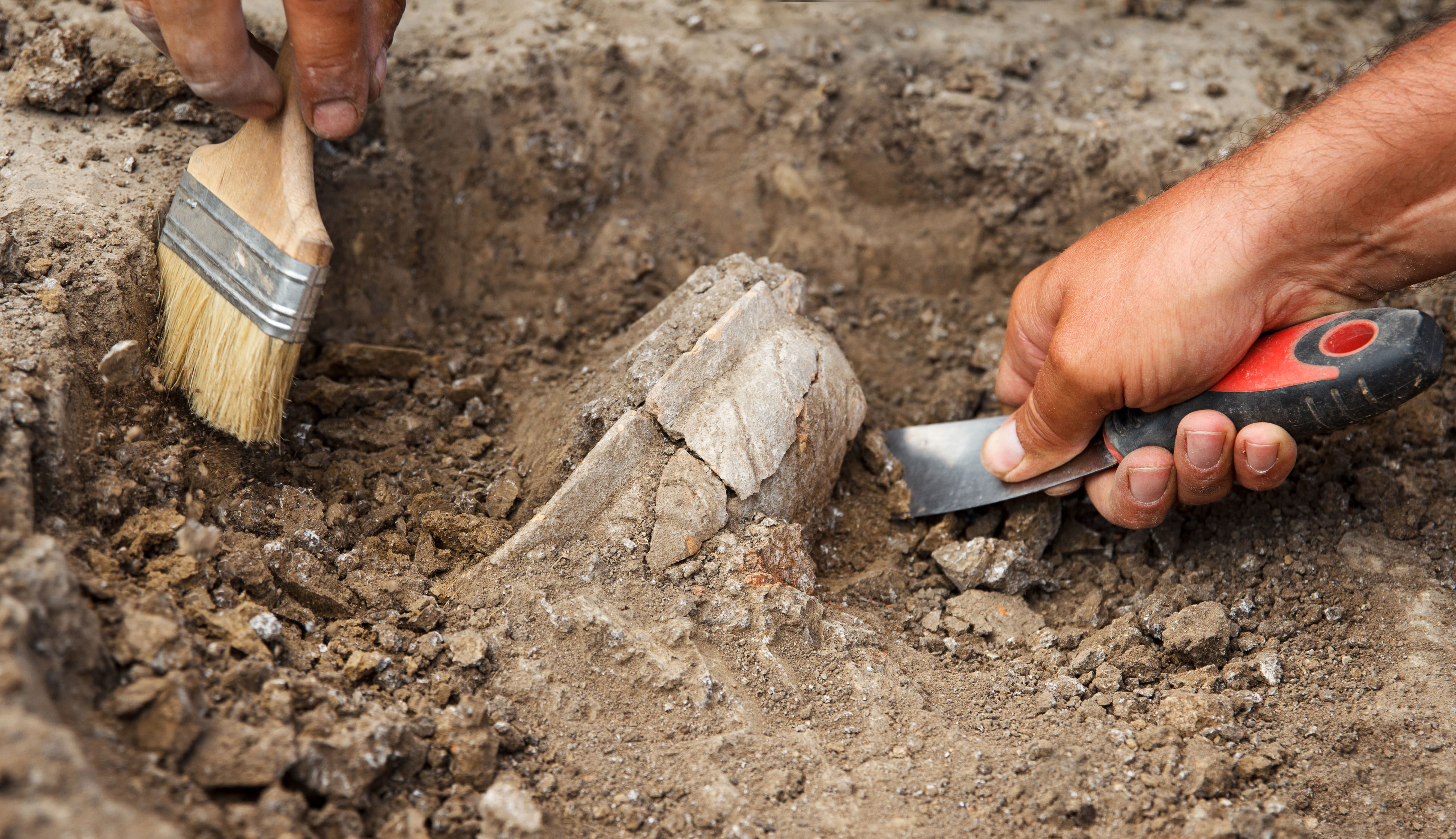
ESE identified one isolated corner-notched Late Archaic dart point and five standing historic-age structures on or adjacent to the survey area. Following tribal consultation and approval, the artifact was reinterred.
ESE completed documentation to support cultural resource review and National Register of Historic Places eligibility recommendations.
PROJECT IMPACT
The survey provided cultural resource documentation to support Section 106 due diligence while enabling safe fieldwork within a controlled industrial setting. ESE integrated archaeological standards, tribal coordination, and environmental health and safety requirements into the field program, supporting regulatory coordination and informed future planning.