What Is a Phase I Archaeological Survey & Monitoring?
A Phase I Archaeological Survey (often called a “cultural resources survey”) is the first-level field investigation designed to identify archaeological sites and other cultural resources within a project’s Area of Potential Effects (APE), evaluate their potential significance, and document findings in a defensible report for agency/SHPO review. This work commonly supports NHPA Section 106 compliance (federal) and/or Texas Antiquities Code compliance (state/public lands).
Archaeological Monitoring is on-site observation by a qualified archaeologist during ground-disturbing activities (e.g., grading, trenching, bore pits) in areas with heightened sensitivity or where agencies require a “watch” condition instead of—or in addition to—more intensive survey. Texas permitting discussions and reporting standards recognize monitoring permits and monitoring as a defined compliance tool under the Antiquities framework.
Request Your Phase I Archaeological Survey & Monitoring Today
Texas’ most trusted environmental experts – comprehensive by design.
When Is It Required?
You typically need a Phase I Archaeological Survey and/or Monitoring when any of the following apply:
- Federal permit, funding, or approval is involved (e.g., USACE permitting, certain utility/fiber/broadband programs, transportation, federal land)—triggering NHPA Section 106.
- Your project requires an agency finding such as no historic properties affected, no adverse effect, or mitigation for adverse effects under the Section 106 process and 36 CFR Part 800 framework.
- Work occurs on state-owned or political subdivision land in Texas (or otherwise falls under the Antiquities Code of Texas) and needs a Texas Antiquities Permit (survey and/or monitoring).
- You’re developing linear corridors (pipelines, transmission, roadway, water/wastewater, fiber) where the APE is long and complex—often necessitating a mix of survey plus targeted monitoring conditions.
- The project schedule cannot tolerate discovery during construction (unplanned finds), and you need proactive risk control through survey and/or monitoring.
ESE Partners’ Approach
ESE Partners delivers Phase I Archaeological Survey and Monitoring that is Comprehensive by Design, with a focus on protecting schedules and reducing rework. Our deal-first scoping right-sizes the level of effort to the area of potential effects (APE), anticipated disturbance depth, prior ground disturbance, and agency expectations, avoiding cookie-cutter approaches that overcall risk. We align survey and monitoring needs with the appropriate review pathway, whether Section 106, Texas Antiquities, or another applicable process. With Texas execution at scale, ESE can mobilize field teams across Houston, Dallas–Fort Worth, Austin, San Antonio, and statewide for multi-county corridors. Our team provides clear, defensible deliverables that support agency determinations under the Section 106 process and help projects move forward with confidence.
Our Process (Phase I Survey + Monitoring)
- Define the compliance pathway (NHPA Section 106, Texas Antiquities Code, or both) and confirm lead agency/SHPO coordination needs.
- Desktop constraints & records review (known sites, landforms, disturbance history, sensitivity screening) to target field effort.
- Field reconnaissance / pedestrian survey (and shovel testing where appropriate) to identify cultural resources within the APE.
- Evaluate findings and develop recommendations (avoidance, additional work, or monitoring conditions).
- Agency-ready reporting consistent with Texas and agency expectations for cultural resource documentation.
- Construction monitoring (if required): on-site observation during ground disturbance with clear stop-work / notification protocols aligned to permit conditions.
Regulatory Framework (Texas + Federal)
Federal and Texas requirements can both shape the need for Phase I Archaeological Survey and Monitoring. At the federal level, NHPA Section 106 requires federal agencies to take into account the effects of their undertakings on historic properties and to consult through the process implemented under 36 CFR Part 800. In Texas, the Antiquities Code and Texas Historical Commission (THC) permitting framework may apply, with distinct permitting categories that recognize intensive surveys as a common approach and monitoring permits as a mechanism used through the THC Antiquities program. Reporting quality expectations for Texas Antiquities Permit work are also reflected in the Council of Texas Archeologists (CTA) report standards posted by THC.
Risks of Not Completing This Service
Skipping or delaying Phase I Archaeological Survey & Monitoring can create:
- Permitting delays when Section 106 consultation cannot close without adequate identification/effects documentation.
- Construction stoppages and change orders due to unanticipated discoveries during grading or trenching.
- Financing and closing risk when cultural resources become a late-stage constraint for infrastructure and development schedules tied to agency approvals.
- Regulatory exposure on public lands in Texas if Antiquities permit conditions (including monitoring) are not met.
More Cultural Resources Services
Cultural Resource Desktop Review
A cultural resource desktop review is a fast, document-based screening used early in project planning and environmental due diligence to identify whether historic properties, archeological sites, and other cultural resources could be present in a project area—and whether a project may trigger Section 106 consultation (or other cultural resources compliance).
Mechanically Augmented Survey & Testing
Deeply buried soils, alluvial settings, prior fill, and limited surface visibility can make standard pedestrian survey methods insufficient for evaluating archaeological risk. ESE Partners provides Mechanically Augmented Survey & Testing to help identify and assess buried cultural deposits using controlled excavation methods, field documentation, and agency-aligned reporting. Our team supports developers, utilities, infrastructure teams, and public-sector clients with practical testing strategies that improve subsurface visibility, satisfy cultural resources review requirements, and keep permitting and construction decisions moving forward.
Industries We Serve
ESE operates in a wide range of industries, all with unique needs and regulatory obligations. We offer experts who understand the broad complexity of environmental challenges faced by today’s businesses.

Real Estate Brokers & Developers
ESE helps brokers and developers reduce deal friction and avoid surprises through fast, defensible environmental due diligence. We support property evaluations, redevelopment risk screening, and transaction-ready reporting for Texas assets.

Private Equity/Capital Investors
Transaction support for acquisitions and portfolio oversight, including Phase I/II ESAs and risk-based evaluation. We provide clear findings, practical recommendations, and scalable diligence support.

Financial Institutions
ESE supports lender-driven environmental due diligence and portfolio risk management, including Phase I/II ESAs and risk screening. We deliver consistent, defensible reporting aligned with credit and closing timelines.

Attorneys
Technical support for environmental risk, liability evaluation, and regulatory strategy. We provide clear documentation and expert collaboration to support transactions, compliance matters, and remediation planning.
Why ESE Partners
Texas’ Most Trusted Environmental Experts – Comprehensive by Design.
Texas clients choose ESE Partners because we combine cultural resources rigor with a practical understanding of transaction and construction realities. Our Texas-first expertise includes THC coordination and Antiquities-driven survey or monitoring strategies tailored to the project and review pathway. ESE also provides integrated due diligence, aligning environmental due diligence, permitting, and compliance teams so archaeology does not unexpectedly disrupt the critical path. With responsive execution, we support rapid scoping, mobilization, and clear communication that keeps owners, EPCs, lenders, counsel, and other stakeholders aligned. Our statewide scalability allows us to support corridors, portfolios, and fast-track schedules across major Texas metros and rural counties alike.
Need a Phase I Archaeological Survey & Monitoring to keep your Texas project moving?
Contact ESE Partners today—get a proposal within 24 hours and a schedule that aligns with your permitting and construction milestones.
Our Cultural Resources Projects
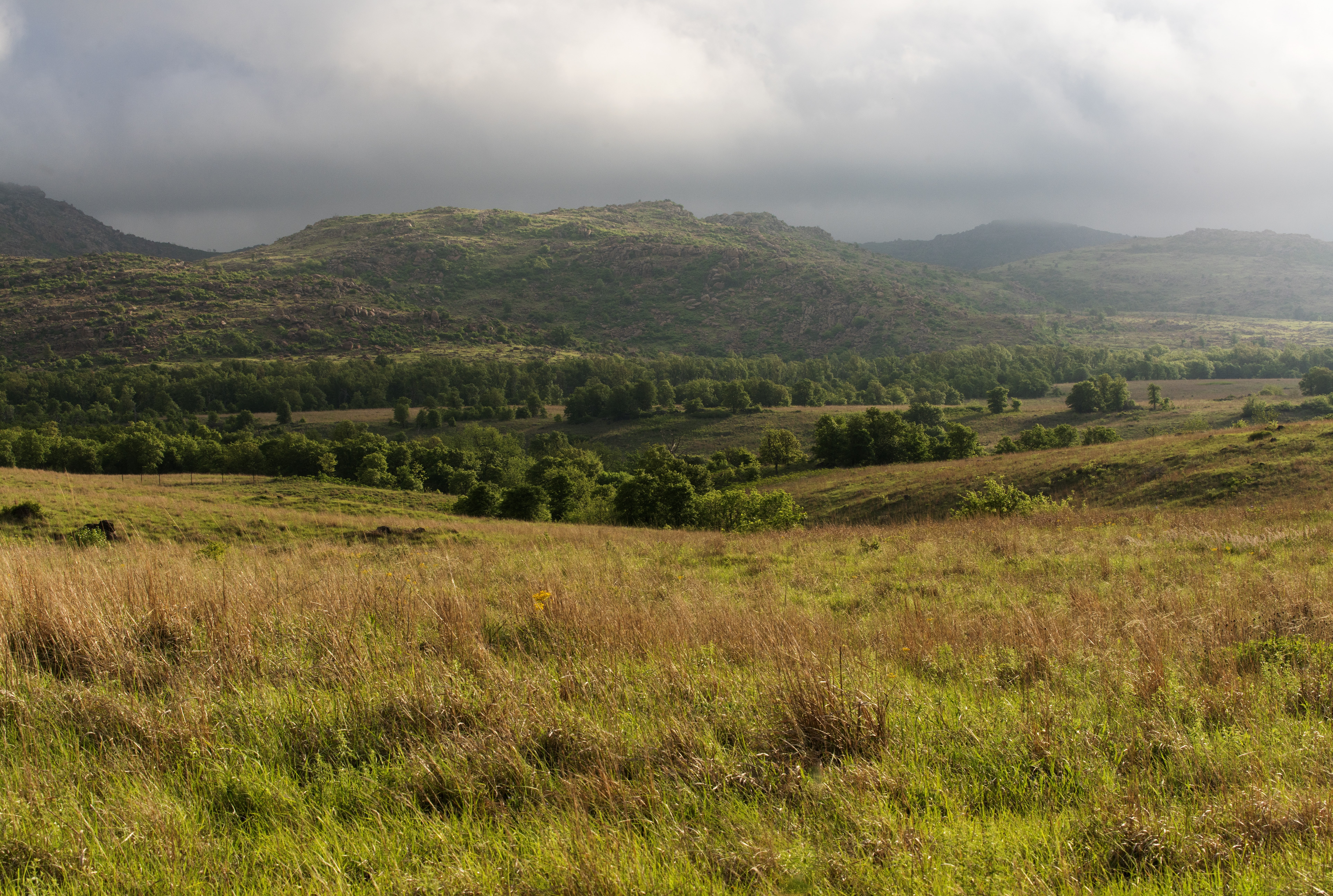
Section 106 Cultural Resources Survey for Industrial Site Due Diligence
ESE Partners completed a cultural resources survey for a 110-acre industrial site in Muskogee, Oklahoma, supporting due diligence under Section 106 of the National Historic Preservation Act.
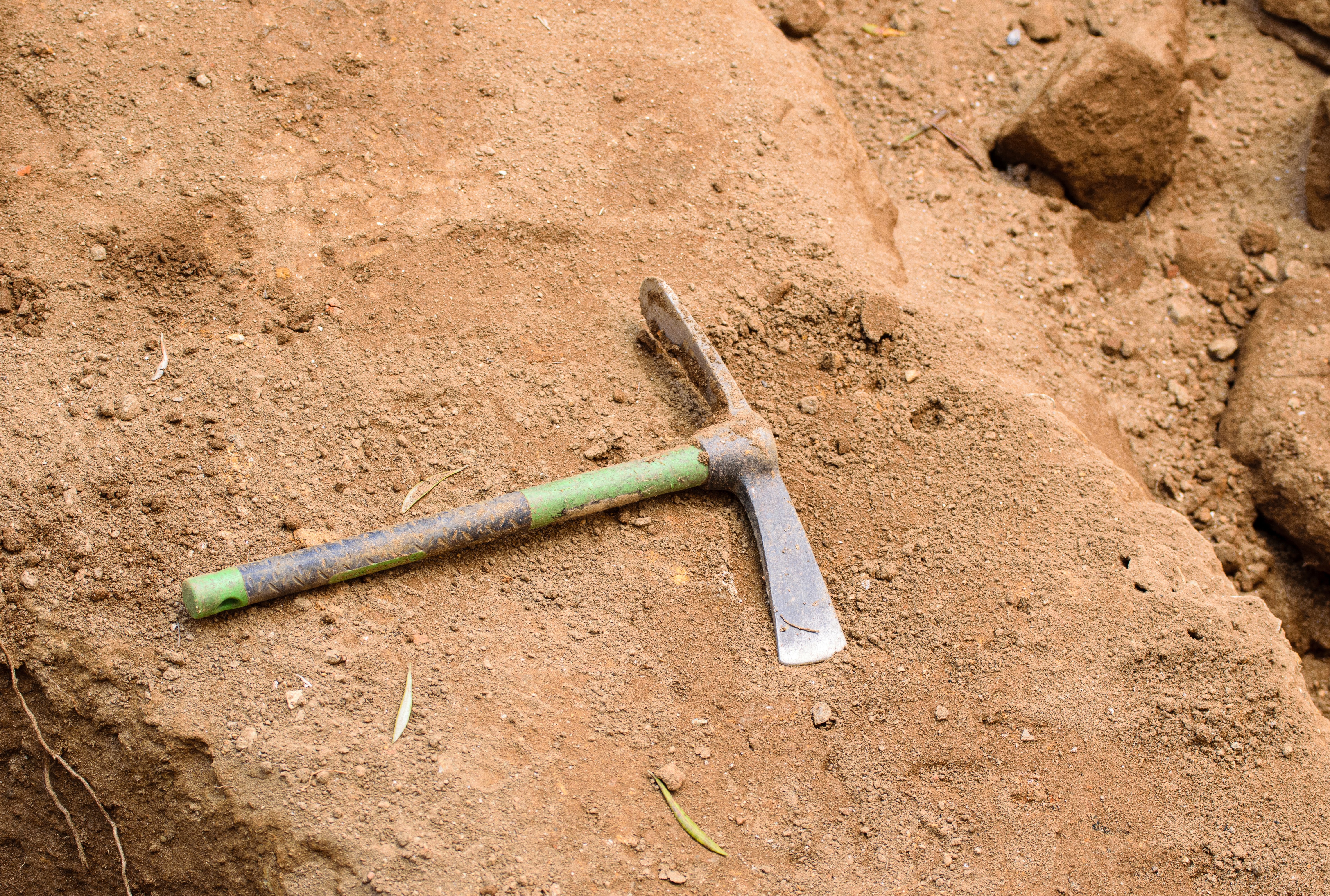
Cultural Resources Survey for Metals Remediation Compliance
ESE Partners supported a cultural resources due diligence survey for a former specialty metals industrial site in Muskogee, Oklahoma.

Cultural Resource Monitoring for Emergency River Cleanup Compliance
ESE Partners provided cultural resources monitoring for an emergency environmental cleanup along a 44-mile contaminated river corridor in southeastern Louisiana.
Frequently Asked Questions About Phase I Archaeological Survey & Monitoring Services
What is a Phase I Archaeological Survey, and how does monitoring differ?
A Phase I Archaeological Survey (often called a “cultural resources survey”) is the first-level field investigation designed to identify archaeological sites and other cultural resources within a project’s Area of Potential Effects (APE), evaluate their potential significance, and document findings in a defensible report for agency/SHPO review. This work commonly supports NHPA Section 106 compliance (federal) and/or Texas Antiquities Code compliance (state/public lands). Archaeological Monitoring, by contrast, is on-site observation by a qualified archaeologist during ground-disturbing activities (e.g., grading, trenching, bore pits) in areas with heightened sensitivity or where agencies require a “watch” condition instead of — or in addition to — more intensive survey. Texas permitting discussions and reporting standards recognize monitoring permits and monitoring as a defined compliance tool under the Antiquities framework.
When is a Phase I Archaeological Survey or Monitoring required?
You typically need a Phase I Archaeological Survey and/or Monitoring when a federal permit, funding, or approval is involved (e.g., USACE permitting, certain utility/fiber/broadband programs, transportation, federal land) — triggering NHPA Section 106, when your project requires an agency finding such as no historic properties affected, no adverse effect, or mitigation for adverse effects under the Section 106 process and 36 CFR Part 800 framework, when work occurs on state-owned or political subdivision land in Texas (or otherwise falls under the Antiquities Code of Texas) and needs a Texas Antiquities Permit, when you’re developing linear corridors (pipelines, transmission, roadway, water/wastewater, fiber) where the APE is long and complex, or when the project schedule cannot tolerate discovery during construction and you need proactive risk control.
What are the risks of skipping or delaying Phase I Archaeological Survey & Monitoring?
Skipping or delaying this service can create permitting delays when Section 106 consultation cannot close without adequate identification/effects documentation, construction stoppages and change orders due to unanticipated discoveries during grading or trenching, financing and closing risk when cultural resources become a late-stage constraint for infrastructure and development schedules tied to agency approvals, and regulatory exposure on public lands in Texas if Antiquities permit conditions (including monitoring) are not met. Because Section 106 requires federal agencies to consider effects on historic properties as part of an “undertaking,” archaeology is often the critical path item.
What does ESE Partners' Phase I Survey and Monitoring process look like?
ESE Partners delivers Phase I Archaeological Survey and Monitoring that is Comprehensive by Design — with deal-first scoping that right-sizes the level of effort to the APE, anticipated disturbance depth, prior ground disturbance, and agency expectations, avoiding cookie-cutter approaches that overcall risk. The process includes: defining the compliance pathway (NHPA Section 106, Texas Antiquities Code, or both) and confirming lead agency/SHPO coordination needs; desktop constraints and records review (known sites, landforms, disturbance history, sensitivity screening) to target field effort; field reconnaissance/pedestrian survey (and shovel testing where appropriate) to identify cultural resources within the APE; evaluating findings and developing recommendations (avoidance, additional work, or monitoring conditions); agency-ready reporting consistent with Texas and agency expectations; and construction monitoring (if required) with on-site observation during ground disturbance and clear stop-work/notification protocols aligned to permit conditions. ESE’s Texas-first expertise includes THC coordination and Antiquities-driven survey or monitoring strategies, with reporting aligned to Council of Texas Archeologists (CTA) standards.