What Is a Cultural Resource Desktop Review?
A desktop review (sometimes called desktop reconnaissance or records review) compiles and evaluates available information—without fieldwork—to flag potential cultural resources constraints and define next steps.
Typical desktop review outputs include:
- A mapped Area of Potential Effects (APE) or “study area” for screening (as defined for planning purposes)
- Identification of potential historic properties (listed in or eligible for the National Register) and prior surveys in/near the site
- A preliminary opinion on likely Section 106 pathway (e.g., likely “no historic properties affected” vs. field survey needed)
Important: A desktop review is usually not sufficient by itself for final Section 106 compliance when the risk of resources is moderate/high; agencies generally expect a “reasonable and good faith effort” to identify historic properties, which may require field investigation depending on the project and setting.
Request Your Cultural Resource Desktop Review Today
Texas’ most trusted environmental experts – comprehensive by design.
When Is It Needed (or Requested)?
A cultural resource desktop review is commonly requested when:
- Federal funding, permits, or approvals may be involved (i.e., the project may be a federal “undertaking”)
- A project is entering NEPA planning and cultural resources constraints need to be identified early for schedule control
- Real estate, infrastructure, renewables, or pipeline projects need an early fatal-flaw screen before committing to design, ROW acquisition, or permitting
- A client needs a defensible basis to scope a cultural resources survey (archeology and/or historic-age architectural resources)
ESE Partners’ Approach (Deal-Focused + Defensible)
ESE’s cultural resources desktop reviews are built to protect schedule and entitlement strategy without overcalling risk. Our team provides fast screening to support site selection and early design decisions, along with a clear determination of whether a project is likely to be a Section 106 undertaking and what that may imply procedurally, including consultation, identification, effects analysis, and resolution. We develop mapping that is easy for engineers, attorneys, and project teams to use, showing constraints, buffers, and practical next-step recommendations. With Texas-specific awareness of common coordination pathways, including SHPO processes and transportation or infrastructure documentation expectations, ESE helps clients understand cultural resource risk early enough to make informed decisions.
Our Desktop Review Process
- Define the project + screening boundary: Proposed footprint, alternatives, and preliminary APE (as appropriate)
- Records and mapping review: Prior survey coverage, known resource indicators, and land-use history screening
- Historic properties screening: Identify nearby historic properties and likely eligibility considerations
- Preliminary effects and risk screening: Identify likely sensitivity areas; recommend avoidance options early where practical
- Deliverables: Memo + exhibits + a clear recommendation: no further work / targeted field survey / full survey + consultation support
Regulatory Framework (What the Desktop Review Supports)
Most cultural resources desktop reviews are designed to support or anticipate compliance under the National Historic Preservation Act (NHPA) Section 106, which requires federal agencies to consider the effects of their undertakings on historic properties. These reviews also align with 36 CFR Part 800, the implementing regulations for Section 106, commonly referred to as “Protecting Historic Properties.” At a high level, the Section 106 process involves initiating consultation, identifying historic properties, assessing potential effects, and resolving adverse effects when needed, often through a Memorandum of Agreement (MOA) or Programmatic Agreement (PA).
Risks of Skipping the Desktop Review
Skipping early desktop screening commonly leads to:
- Surprise survey requirements late in design (schedule and cost impacts)
- Avoidable redesign when historic properties or sensitive areas are discovered after routing/siting is “locked”
- Permitting delays if agencies determine identification efforts were not adequate
More Cultural Resources Services
Phase I Archaeological Survey & Monitoring
Ground disturbance, infrastructure development, and federally connected projects can trigger cultural resources review and archaeological compliance requirements. ESE Partners supports owners, developers, utilities, and public-sector teams with Phase I Archaeological Surveys and construction monitoring designed to identify cultural resources, document findings, and support agency review. Our team helps align fieldwork, reporting, and coordination with applicable Section 106, Texas Antiquities, and project-specific requirements while keeping schedules, permitting, and construction priorities moving forward.
Mechanically Augmented Survey & Testing
Deeply buried soils, alluvial settings, prior fill, and limited surface visibility can make standard pedestrian survey methods insufficient for evaluating archaeological risk. ESE Partners provides Mechanically Augmented Survey & Testing to help identify and assess buried cultural deposits using controlled excavation methods, field documentation, and agency-aligned reporting. Our team supports developers, utilities, infrastructure teams, and public-sector clients with practical testing strategies that improve subsurface visibility, satisfy cultural resources review requirements, and keep permitting and construction decisions moving forward.
Industries We Serve
ESE operates in a wide range of industries, all with unique needs and regulatory obligations. We offer experts who understand the broad complexity of environmental challenges faced by today’s businesses.

Real Estate Brokers & Developers
ESE helps brokers and developers reduce deal friction and avoid surprises through fast, defensible environmental due diligence. We support property evaluations, redevelopment risk screening, and transaction-ready reporting for Texas assets.

Private Equity/Capital Investors
Transaction support for acquisitions and portfolio oversight, including Phase I/II ESAs and risk-based evaluation. We provide clear findings, practical recommendations, and scalable diligence support.

Financial Institutions
ESE supports lender-driven environmental due diligence and portfolio risk management, including Phase I/II ESAs and risk screening. We deliver consistent, defensible reporting aligned with credit and closing timelines.

Attorneys
Technical support for environmental risk, liability evaluation, and regulatory strategy. We provide clear documentation and expert collaboration to support transactions, compliance matters, and remediation planning.
Why ESE Partners
Texas’ Most Trusted Environmental Experts – Comprehensive by Design.
As Texas’ Most Trusted Environmental Experts — Comprehensive by Design, ESE combines practical, transaction-minded due diligence with credible cultural resources compliance alignment. Clients choose ESE for scalable support across Texas, including Houston, Dallas–Fort Worth, Austin, San Antonio, and statewide project areas. Our integrated services are especially valuable when cultural resources intersect with NEPA, environmental permitting, entitlement strategy, and broader due diligence needs, helping clients manage project risk through one coordinated team.
Need a cultural resource desktop review to keep a deal or project moving?
Send us your site boundary/footprint and timeline—ESE Partners can scope the review and turn a clear, decision-ready memo quickly.
Our Cultural Resources Projects
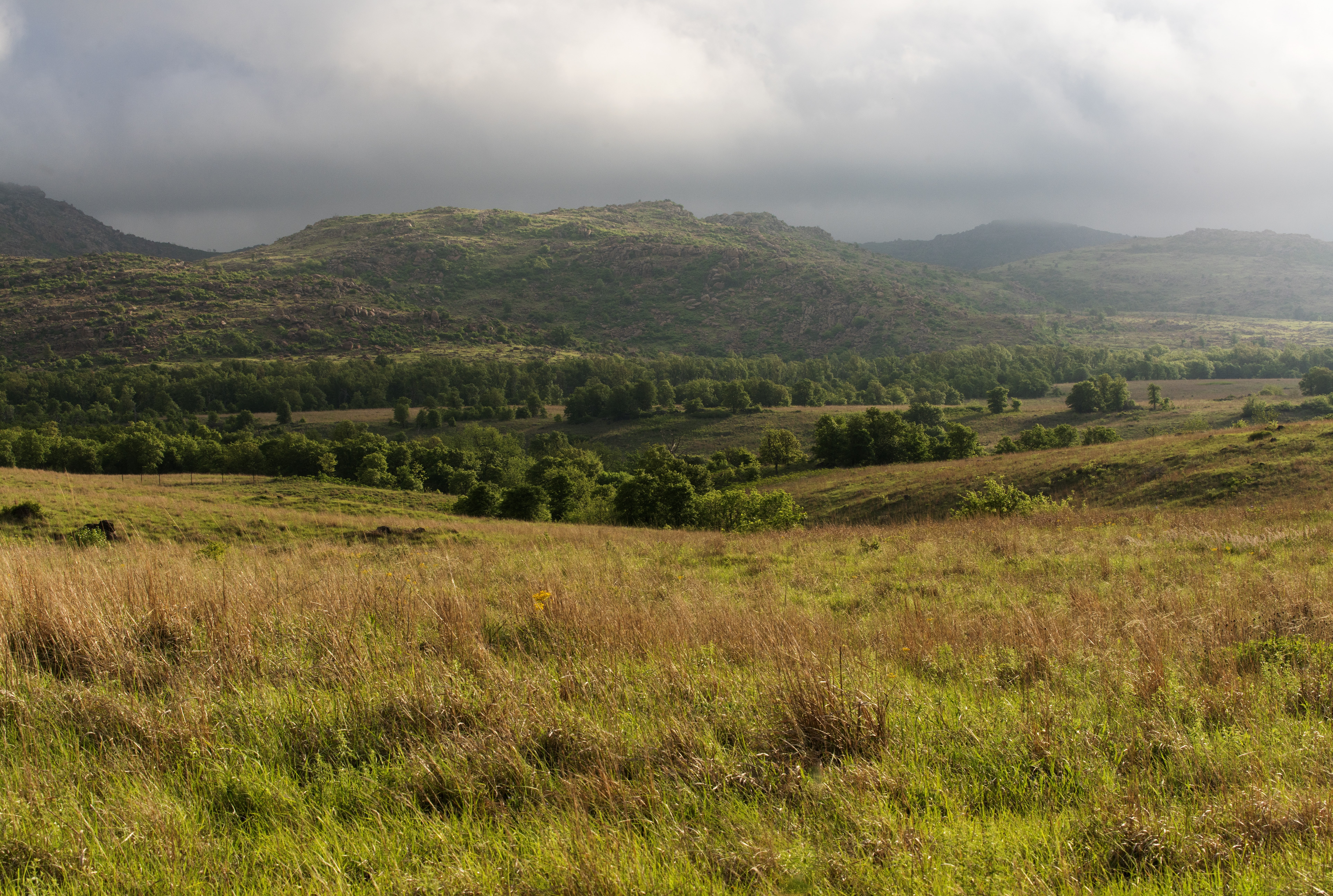
Section 106 Cultural Resources Survey for Industrial Site Due Diligence
ESE Partners completed a cultural resources survey for a 110-acre industrial site in Muskogee, Oklahoma, supporting due diligence under Section 106 of the National Historic Preservation Act.

Cultural Resources Survey for Metals Remediation Compliance
ESE Partners supported a cultural resources due diligence survey for a former specialty metals industrial site in Muskogee, Oklahoma.

Cultural Resource Monitoring for Emergency River Cleanup Compliance
ESE Partners provided cultural resources monitoring for an emergency environmental cleanup along a 44-mile contaminated river corridor in southeastern Louisiana.
Frequently Asked Questions About Cultural Resource Desktop Reviews
What is a cultural resource desktop review and what does it produce?
A desktop review (sometimes called desktop reconnaissance or records review) compiles and evaluates available information — without fieldwork — to flag potential cultural resources constraints and define next steps. Typical desktop review outputs include a mapped Area of Potential Effects (APE) or “study area” for screening, identification of potential historic properties (listed in or eligible for the National Register) and prior surveys in/near the site, and a preliminary opinion on the likely Section 106 pathway (e.g., likely “no historic properties affected” vs. field survey needed). Importantly, a desktop review is usually not sufficient by itself for final Section 106 compliance when the risk of resources is moderate/high — agencies generally expect a “reasonable and good faith effort” to identify historic properties, which may require field investigation depending on the project and setting.
When is a cultural resource desktop review needed or requested?
A cultural resource desktop review is commonly requested when federal funding, permits, or approvals may be involved (i.e., the project may be a federal “undertaking”), when a project is entering NEPA planning and cultural resources constraints need to be identified early for schedule control, when real estate, infrastructure, renewables, or pipeline projects need an early fatal-flaw screen before committing to design, ROW acquisition, or permitting, or when a client needs a defensible basis to scope a cultural resources survey (archeology and/or historic-age architectural resources).
What are the risks of skipping an early desktop review?
Skipping early desktop screening commonly leads to surprise survey requirements late in design (schedule and cost impacts), avoidable redesign when historic properties or sensitive areas are discovered after routing/siting is “locked,” and permitting delays if agencies determine identification efforts were not adequate. Most cultural resources desktop reviews are designed to support or anticipate compliance under the National Historic Preservation Act (NHPA) Section 106, which requires federal agencies to consider the effects of their undertakings on historic properties, and align with 36 CFR Part 800, the implementing regulations for Section 106.
What does ESE Partners' cultural resource desktop review process look like?
ESE’s cultural resources desktop reviews are built to protect schedule and entitlement strategy without overcalling risk — providing fast screening to support site selection and early design decisions, a clear determination of whether a project is likely to be a Section 106 undertaking, and mapping that is easy for engineers, attorneys, and project teams to use. The process includes: defining the project and screening boundary (proposed footprint, alternatives, and preliminary APE); records and mapping review (prior survey coverage, known resource indicators, and land-use history screening); historic properties screening (identifying nearby historic properties and likely eligibility considerations); preliminary effects and risk screening (identifying likely sensitivity areas and recommending avoidance options early where practical); and deliverables (a memo plus exhibits with a clear recommendation — no further work, targeted field survey, or full survey plus consultation support). With Texas-specific awareness of common coordination pathways, including SHPO processes and transportation or infrastructure documentation expectations, ESE helps clients understand cultural resource risk early enough to make informed decisions.