PROJECT OVERVIEW
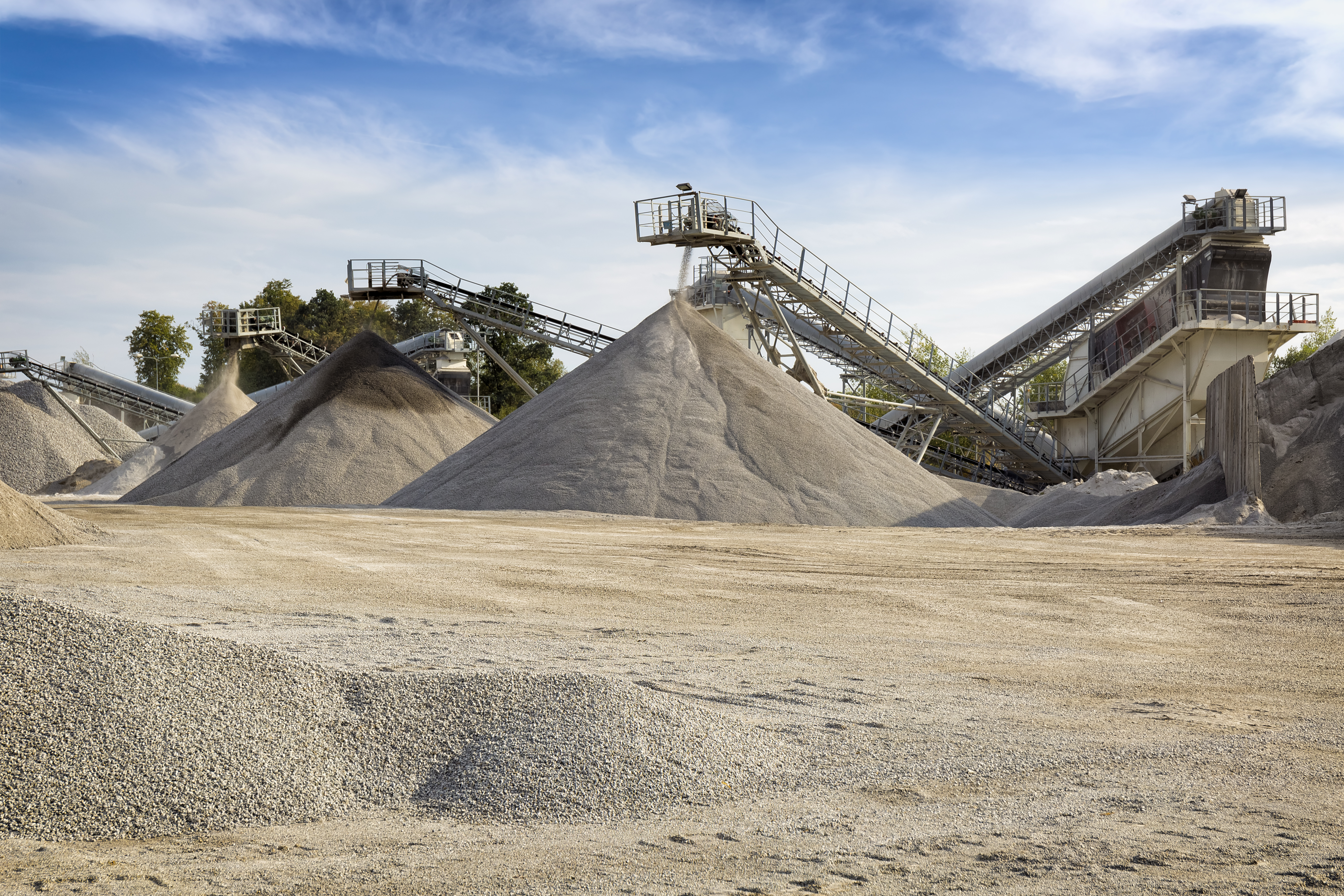
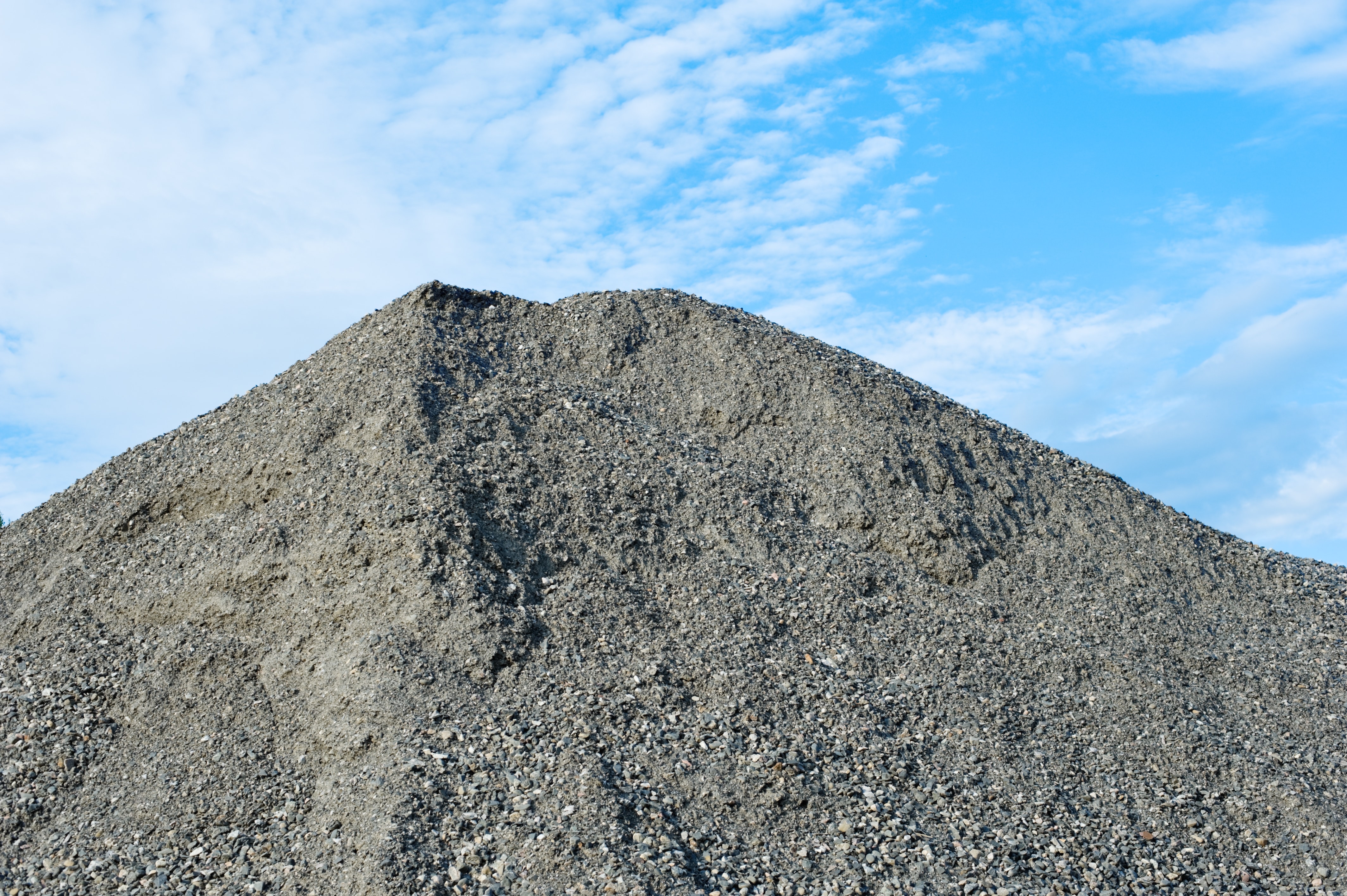
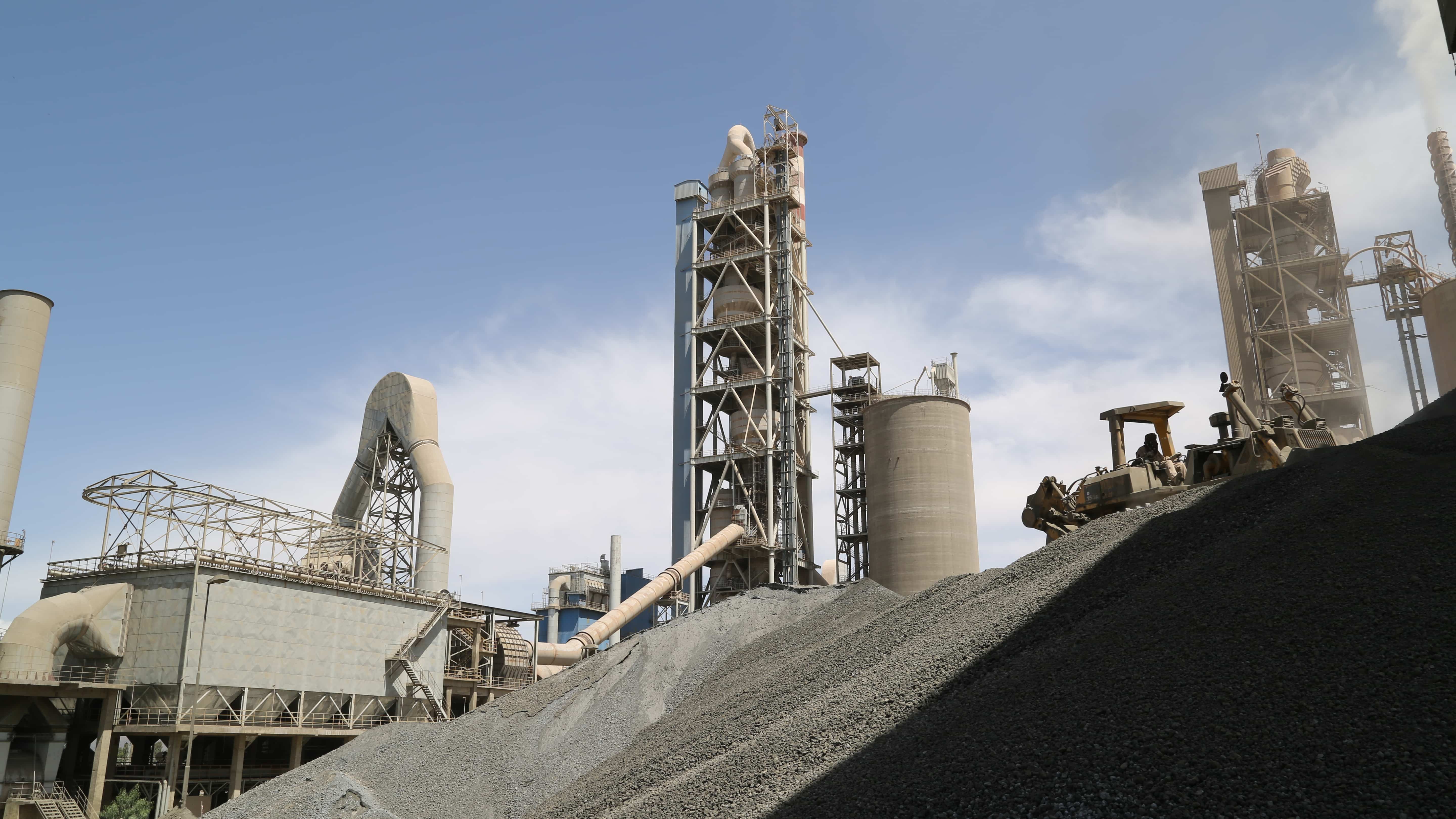
ESE supported an aggregate processing and recycled construction materials facility in the Freeport, Texas region. The site manages outdoor stockpiles of raw and finished aggregate materials, sand, asphalt, and crushed concrete with active loading, unloading, crushing, fueling, and equipment operations. ESE was engaged to prepare and implement a Stormwater Pollution Prevention Plan under the TPDES Multi-Sector General Permit TXR050000. The objective was to establish defensible stormwater controls, inspection procedures, and monitoring documentation for industrial stormwater compliance.
CHALLENGES
The facility’s operations created stormwater exposure risks associated with aggregate stockpiles, sediment, total suspended solids, oils, grease, diesel, and mobile sanitation sources. Regulatory drivers included Clean Water Act requirements, TCEQ MSGP coverage, Sector J applicability for crushed and broken stone operations, quarterly inspections, visual monitoring, benchmark monitoring, and annual hazardous metals monitoring. Site constraints included outdoor material storage, active truck traffic, stabilized entrance and exit areas, and a single monitored outfall discharging toward regional receiving waters.
ESE’S APPROACH
ESE developed a site-specific SWPPP aligned with TPDES General Permit TXR050000 and applicable TCEQ stormwater requirements. The approach included evaluating exposed industrial materials, drainage patterns, outfall configuration, structural controls, non-structural BMPs, spill response procedures, and inspection responsibilities. ESE also prepared implementation-ready forms, logs, maps, and monitoring procedures to support consistent facility execution and audit readiness.
KEY ELEMENTS IMPLEMENTED
- Developed a site-specific SWPPP for aggregate processing and outdoor material storage operations
- Prepared drainage area and receiving water maps identifying stormwater flow and Outfall 001
- Documented exposed materials, pollutant sources, BMPs, and control measure schedules
- Established quarterly inspection, visual monitoring, benchmark, and annual sampling procedures
- Integrated spill prevention, secondary containment, housekeeping, dust control, and tracking prevention measures
- Created recordkeeping tools for SWPPP revisions, rainfall logs, training, spills, maintenance, and monitoring reports
RESULTS
The facility obtained a structured stormwater compliance program tailored to aggregate operations and TCEQ MSGP requirements. The SWPPP clarified responsibilities for the stormwater pollution prevention team and established repeatable procedures for inspections, sampling, corrective actions, and records retention. Controls addressed sediment, TSS, fuel-related pollutants, stockpile exposure, off-site tracking, and spill response readiness.
PROJECT IMPACT
The project improved long-term compliance defensibility by connecting field conditions, permit requirements, site maps, BMPs, and monitoring records into a single implementation framework. Facility personnel gained clear procedures for qualifying storm events, outfall monitoring, housekeeping, maintenance, and spill response. The resulting program supports operational continuity, regulatory readiness, and consistent stormwater management across active aggregate processing areas.