What Is Mold Remediation (Protocols)?
Mold remediation is the managed process of correcting mold growth and contamination by:
- Fixing the moisture driver (leak, humidity, condensation, HVAC issues)
- Containing the work area to keep spores from spreading
- Removing and cleaning contaminated materials using appropriate methods
- Drying assemblies to prevent rebound growth
- Verifying the area is clean/dry and suitable for re-occupancy (often via third-party clearance)
EPA’s mold remediation guidance for schools and commercial buildings frames remediation around moisture control + appropriate cleanup/containment practices.
Request Your Remediation Protocols for Mold Today
Texas’ most trusted environmental experts – comprehensive by design.
When Are Mold Remediation Protocols Typically Required?
Common triggers for mold remediation protocols in Texas transactions and operations include property acquisitions or sales where visible microbial growth is present or suspected, as well as tenant complaints involving odors, irritation, or recurring condensation issues. Protocols are also often needed after water events such as roof leaks, plumbing failures, flooding, or HVAC condensate overflows, and when construction defects like building envelope leakage, negative pressure, or poor HVAC balance contribute to moisture problems. Insurance claims may require clear scope definition, documentation, and defensible completion criteria, while high-risk occupancies such as healthcare, schools, and hospitality facilities need careful planning because downtime and perception risk matter. EPA guidance specifically addresses remediation approaches for schools and commercial buildings, which aligns with many commercial real estate scenarios.
ESE Partners’ Approach
ESE Partners builds mold remediation protocols that are focused on real deal and operational needs, providing scopes that are clear enough for contractors to price and execute while helping protect owners, lenders, and occupants. Our source-first scoping prioritizes why moisture is present, not just where staining or growth is visible, so remediation addresses the underlying cause rather than only the symptom. We recommend right-sized containment with practical controls aligned to actual risk, avoiding unnecessary overbuild. ESE can also provide independent oversight and third-party QA/QC so the party performing the remediation is not responsible for grading its own work. With a Texas execution mindset, we deliver fast turnarounds for Houston, Dallas–Fort Worth, Austin, and San Antonio schedules without cutting corners on documentation.
Our Process (Protocol + Oversight)
- Initial assessment & building history review (water events, HVAC, envelope, operations)
- Moisture mapping & condition documentation (photo log, affected materials, suspected pathways)
- Define remediation work areas (impacted vs. potentially impacted vs. unaffected)
- Engineering controls & containment design (critical barriers, negative pressure strategy, pathways)
- Work practices & removal/cleaning methods by material type (porous vs. semi-porous vs. non-porous)
- Waste handling & decon procedures (bag-out, decon chamber approach when needed)
- Drying and post-remediation verification plan (visual, moisture criteria; optional sampling strategy)
- Remediation protocol report suitable for contractor bidding + stakeholder review
- Remediation monitoring (if engaged) and closeout documentation
Core Remediation Protocol Elements (What a “Good” Protocol Includes)
1) Moisture Source Control (Non-Negotiable)
Protocols must identify and require correction of:
- Active leaks (roof/plumbing/façade)
- Condensation and humidity drivers
- HVAC drainage/filtration/pressurization problems
If moisture isn’t controlled, cleaning becomes temporary. EPA’s guidance emphasizes addressing moisture problems as part of remediation.
2) Containment & Exposure Control
Typical controls include:
- Isolation of affected areas with critical barriers
- Negative pressure (when warranted) to keep contaminants from migrating
- Controlled entry/exit and worker decontamination steps
- Dust management and HEPA-filtered equipment where appropriate
These are consistent with industry best-practice frameworks used in professional remediation standards.
3) Material-Specific Removal/Cleaning Criteria
A protocol should clearly state:
- What gets removed (often porous materials with growth or water damage)
- What can be cleaned (non-porous/semi-porous depending on condition)
- Cleaning methods selected by substrate and condition
- Prohibited practices (e.g., “paint over,” uncontained demolition)
4) Drying Targets and “Return-to-Service” Criteria
Protocols should define:
- Dry standard (targets relative to unaffected reference materials when feasible)
- HVAC operational requirements (filtration, run time, setbacks)
- When areas can be re-occupied (especially for sensitive populations)
5) Post-Remediation Verification (PRV) / Clearance
A defensible closeout typically includes:
- Visual inspection (no dust/debris; no visible growth)
- Moisture verification (materials dry; no active leaks/condensation)
- Optional sampling strategy (when stakeholders require additional confidence)
EPA guidance discusses remediation/cleanup approaches and emphasizes appropriate cleanup and moisture control; many owners/lenders pair that with documented verification steps.
Regulatory/Standards Framework (Common References)
Mold remediation protocols are commonly informed by EPA mold remediation guidance for schools and commercial buildings, which is widely used as a baseline for moisture and mold cleanup planning in non-residential properties. ESE Partners also references IICRC standards, which are ANSI-accredited and widely used across the restoration and remediation industry as best-practice benchmarks for remediation planning, containment, cleaning, and project execution.
Risks of Skipping Formal Mold Remediation Protocols
- Scope gaps and change orders that blow up budgets mid-project
- Cross-contamination into occupied or “clean” areas (tenant impacts, reputational risk)
- Schedule delays from rework when criteria aren’t defined up front
- Weak documentation for lenders, buyers, insurers, or future disputes
- Recurring growth if moisture drivers aren’t corrected and drying isn’t verified
More Building Sciences Services

Mold Consulting Surveys
Moisture intrusion, water damage, HVAC issues, and construction defects can create conditions for mold and fungal growth. ESE’s state-licensed professionals work with building owners and facility managers to promptly identify mold and moisture damage, assess affected areas, and coordinate safe remediation. Throughout the process, our team verifies that the structure is restored to prevent future microbial growth while keeping occupants and building contents protected.

Lead & Lead-Based Paint Consulting Services
Lead and lead compounds have historically been used in paints, coatings, ceramics, pipes, and plumbing materials across numerous structures. ESE’s accredited professionals provide timely, cost-effective solutions to lead-related issues, whether you are preparing for renovation, managing an existing facility, or responding to regulatory requirements.
Industries We Serve
ESE operates in a wide range of industries, all with unique needs and regulatory obligations. We offer experts who understand the broad complexity of environmental challenges faced by today’s businesses.

Real Estate Brokers & Developers
ESE helps brokers and developers reduce deal friction and avoid surprises through fast, defensible environmental due diligence. We support property evaluations, redevelopment risk screening, and transaction-ready reporting for Texas assets.

Private Equity/Capital Investors
Transaction support for acquisitions and portfolio oversight, including Phase I/II ESAs and risk-based evaluation. We provide clear findings, practical recommendations, and scalable diligence support.

Financial Institutions
ESE supports lender-driven environmental due diligence and portfolio risk management, including Phase I/II ESAs and risk screening. We deliver consistent, defensible reporting aligned with credit and closing timelines.

Attorneys
Technical support for environmental risk, liability evaluation, and regulatory strategy. We provide clear documentation and expert collaboration to support transactions, compliance matters, and remediation planning.
Need a mold remediation protocol that contractors can bid—and that protects your transaction or operations?
Talk to ESE Partners to get a scoped, defensible remediation protocol and keep your project moving.
Texas’ Most Trusted Environmental Experts – Comprehensive by Design.
As Texas’ Most Trusted Environmental Experts — Comprehensive by Design, ESE Partners helps owners, developers, lenders, and counsel move quickly with mold remediation protocols designed for real project execution. Our protocols are written for contractor use, with clear means and methods, practical controls, and measurable endpoints that support pricing, implementation, and verification. We also provide deal-ready documentation for commercial real estate due diligence and risk transfer, helping stakeholders understand scope, cost, and next steps. When needed, ESE can integrate mold protocol development with broader services, including environmental due diligence, building sciences, and corrective action strategy. With responsive teams across Houston, Dallas-Fort Worth, Austin, and San Antonio, ESE helps keep remediation planning aligned with transaction and project timelines.
Need an ACM survey to keep your renovation or demolition on schedule?
Contact ESE Partners to get a proposal within 24 hours and lock in field availability for your site.
Our Building Sciences Projects

Lead Dust Cleaning Protocol for Manufacturing Operations
ESE developed a Lead Dust Cleaning Protocol for a Texas manufacturing facility where select employees regularly handle lead components as part of routine production tasks.

Comprehensive Asbestos Survey: Houston High-Rise Renovation
A commercial real estate owner was considering a large-scale renovation of a commercial high-rise office building in downtown Houston. ESE Partners was engaged to conduct a full-building asbestos survey across all interior levels and accessible roof areas.
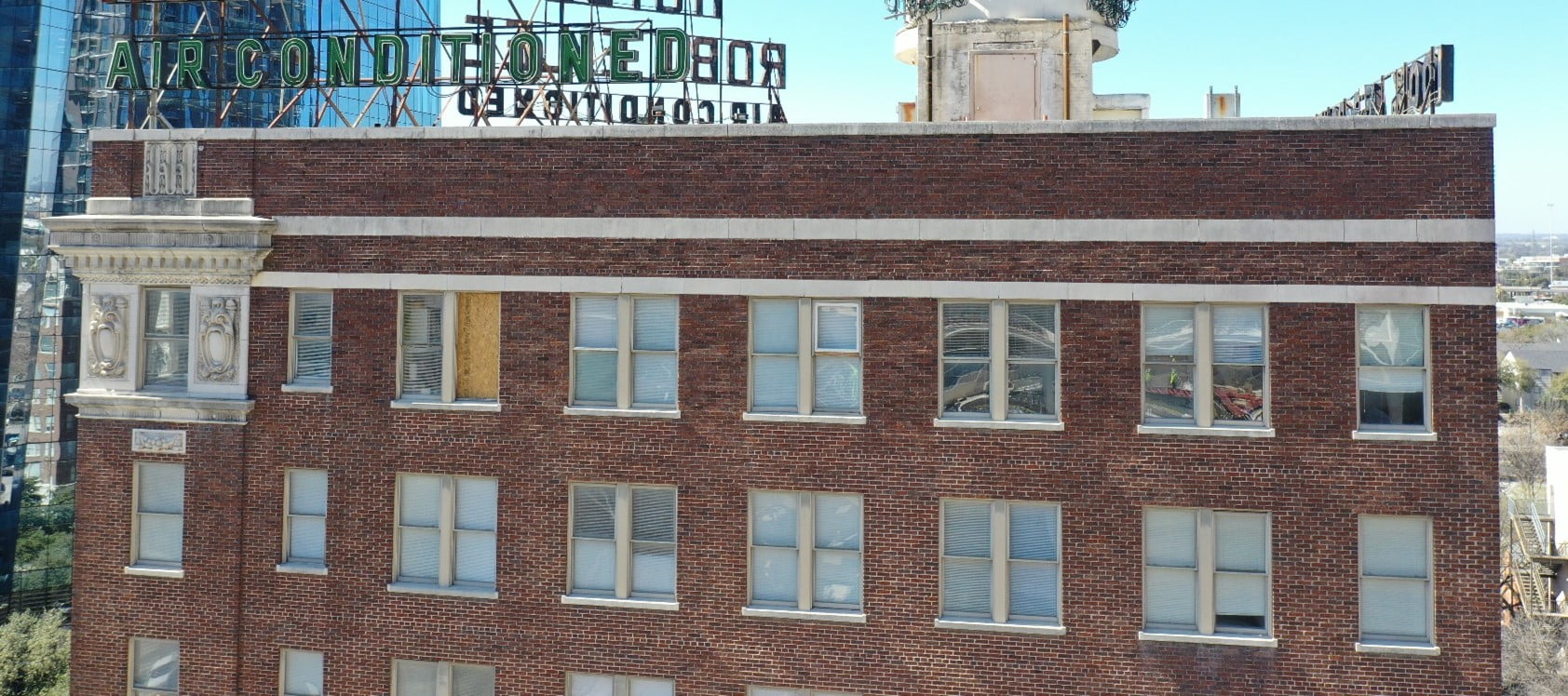
Property Condition Assessment of Historic Hotel
ESE recently completed a Property Condition Assessment (PCA) of a historic hotel which was originally constructed in 1923.
Frequently Asked Questions Remediation Protocols
What is a mold remediation protocol, and what does the process involve?
Mold remediation protocols aren’t just “cleanup” — they’re controlled-construction procedures designed to stop the moisture source, prevent cross-contamination, remove impacted materials, and document clearance so a building can return to normal use with defensible records. Mold remediation is the managed process of correcting mold growth and contamination by fixing the moisture driver (leak, humidity, condensation, HVAC issues), containing the work area to keep spores from spreading, removing and cleaning contaminated materials using appropriate methods, drying assemblies to prevent rebound growth, and verifying the area is clean/dry and suitable for re-occupancy (often via third-party clearance). Most professional programs are built around EPA guidance for commercial buildings and ANSI-accredited IICRC standards used by remediation contractors.
When are mold remediation protocols typically required?
Common triggers for mold remediation protocols in Texas transactions and operations include property acquisitions or sales where visible microbial growth is present or suspected, tenant complaints involving odors, irritation, or recurring condensation issues, and situations after water events such as roof leaks, plumbing failures, flooding, or HVAC condensate overflows. Protocols are also needed when construction defects like building envelope leakage, negative pressure, or poor HVAC balance contribute to moisture problems, when insurance claims require clear scope definition, documentation, and defensible completion criteria, and for high-risk occupancies such as healthcare, schools, and hospitality facilities where downtime and perception risk matter.
What are the risks of skipping formal mold remediation protocols?
Skipping formal mold remediation protocols can lead to scope gaps and change orders that blow up budgets mid-project, cross-contamination into occupied or “clean” areas (tenant impacts, reputational risk), schedule delays from rework when criteria aren’t defined up front, weak documentation for lenders, buyers, insurers, or future disputes, and recurring growth if moisture drivers aren’t corrected and drying isn’t verified. A critical point: if moisture isn’t controlled, cleaning becomes temporary — which is why moisture source control is a non-negotiable element of any good protocol.
What does ESE Partners' remediation protocol process look like, and what makes a "good" protocol?
ESE Partners builds mold remediation protocols focused on real deal and operational needs — providing scopes clear enough for contractors to price and execute, using source-first scoping that prioritizes why moisture is present (not just where staining or growth is visible), recommending right-sized containment aligned to actual risk, and offering independent oversight and third-party QA/QC so the party performing the remediation isn’t responsible for grading its own work. The process includes: initial assessment and building history review; moisture mapping and condition documentation; defining remediation work areas (impacted vs. potentially impacted vs. unaffected); engineering controls and containment design; work practices and removal/cleaning methods by material type; waste handling and decon procedures; a drying and post-remediation verification plan; a remediation protocol report suitable for contractor bidding; and remediation monitoring and closeout documentation. A “good” protocol includes five core elements: moisture source control (non-negotiable), containment and exposure control, material-specific removal/cleaning criteria, drying targets and return-to-service criteria, and post-remediation verification (PRV)/clearance. ESE aligns protocols with EPA mold remediation guidance for schools and commercial buildings and ANSI-accredited IICRC standards.