What Are Section 404 CWA and Section 10 RHA Permits?
Section 404 of the Clean Water Act regulates the discharge of dredged or fill material into waters of the United States, including certain wetlands. The U.S. Army Corps of Engineers generally administers the Section 404 permitting program, with EPA guidelines informing environmental review for many permit decisions.
Section 10 of the Rivers and Harbors Act of 1899 requires authorization before work occurs in, over, under, or affecting navigable waters of the United States, including activities that may alter the course, location, condition, or capacity of those waters.
For Texas projects, these permits often apply to:
- Stream crossings
- Wetland impacts
- Roadway and utility extensions
- Pipeline and transmission corridors
- Dock, marina, pier, bulkhead, dredging, and shoreline work
- Industrial, energy, logistics, and port-related development
- Commercial real estate and master-planned development near jurisdictional waters
Depending on the activity, location, and level of impact, authorization may be available through a Nationwide Permit, Regional General Permit, Letter of Permission, or Individual Permit.
Request Your Section 404 CWA & Section 10 RHA Permits & Consultations Today
Texas’ most trusted environmental experts – comprehensive by design.
When Are Section 404 and Section 10 Permits Required?
A Section 404 CWA or Section 10 RHA permit and consultation strategy may be needed when a project involves:
- Commercial real estate acquisition or development with wetlands, streams, ponds, drainageways, or mapped floodplain features
- Site grading, filling, excavation, or road construction that may affect jurisdictional waters or wetlands
- Utility, pipeline, fiber, transmission, or linear infrastructure crossings
- Bridge, culvert, outfall, bank stabilization, or stormwater infrastructure work
- Port, dock, bulkhead, dredging, marina, or coastal construction
- Lender due diligence where aquatic resource constraints could affect collateral value, development feasibility, or closing conditions
- Public infrastructure projects requiring federal authorization, state water quality certification, or agency consultation
- Energy and industrial projects where permitting risk could affect construction sequencing or capital deployment
In Texas, Section 404 permit actions commonly also require Section 401 water quality certification review. TCEQ conducts Section 401 certification reviews for many USACE Section 404 permit applications involving discharges of dredged or fill material into waters of the United States, including wetlands.
ESE Partners’ Approach
ESE Partners approaches Section 404 Clean Water Act (CWA) and Section 10 Rivers and Harbors Act (RHA) permitting with one goal: identifying the cleanest path to authorization without overcomplicating the deal or the design. Our team starts with early jurisdictional screening to identify wetlands, streams, navigable waters, and potential permitting triggers before design decisions become expensive. We develop practical permitting strategies that evaluate avoidance, minimization, Nationwide Permit eligibility, mitigation needs, and schedule implications, while communicating clearly with developers, engineers, lenders, attorneys, owners, and other project stakeholders so they understand the project’s risk profile. ESE also provides Texas-specific regulatory coordination with the appropriate U.S. Army Corps of Engineers district, TCEQ, and other reviewing agencies. Our defensible field documentation may include wetland delineations, waters assessments, impact exhibits, alternatives analysis support, and permit application packages. When applicable, we also support consultation related to threatened and endangered species, cultural resources, state water quality, coastal issues, and compensatory mitigation. We do not overcall risk; we help clients understand what is regulated, what is not, what can be avoided, and what needs to be authorized.
Our Process
- Project Kickoff and Desktop Review: ESE reviews site plans, survey data, aerial imagery, topography, soils, NWI mapping, FEMA data, hydrology, and prior environmental reports to identify potential aquatic resource constraints.
- Field Assessment and Delineation: Our team evaluates wetlands, streams, drainage features, ordinary high water marks, riparian corridors, and potentially jurisdictional features using accepted field methods.
- Jurisdictional Strategy: ESE determines whether the project may require a Section 404 permit, Section 10 authorization, jurisdictional determination, or agency coordination with USACE.
- Impact Analysis and Avoidance Review: We work with civil engineers, surveyors, and project designers to quantify impacts and identify practical avoidance and minimization options.
- Permit Pathway Selection: ESE evaluates whether the project may qualify for a Nationwide Permit, Regional General Permit, Letter of Permission, or Individual Permit.
- Application Preparation and Agency Coordination: Our team prepares permit narratives, figures, impact tables, alternatives documentation, mitigation concepts, pre-construction notification materials, and agency submittals.
- Consultation and Supporting Studies: When required, ESE supports Endangered Species Act Section 7 consultation, National Historic Preservation Act Section 106 review, TCEQ Section 401 certification, and other resource-agency coordination.
- Permit Conditions and Construction Support: After authorization, ESE helps clients understand permit conditions, mitigation commitments, reporting requirements, construction constraints, and compliance obligations.
Regulatory Framework
Section 404 CWA and Section 10 RHA permitting is often multi-layered, and ESE helps clients understand which requirements apply and how they may affect schedule, design, and constructability. Key regulatory drivers may include Clean Water Act Section 404, which regulates discharges of dredged or fill material into waters of the United States, including certain wetlands, and Rivers and Harbors Act Section 10, which applies to work in, over, under, or affecting navigable waters of the United States. These reviews are administered through the U.S. Army Corps of Engineers Regulatory Program, which evaluates activities affecting navigable waters and discharges into jurisdictional waters. Depending on the project, authorization may be available through Nationwide Permits, which cover categories of activities that meet specific terms, limits, and regional conditions. Clean Water Act Section 401 Water Quality Certification may also apply, with TCEQ reviewing many Section 404 permit actions in Texas to determine whether the proposed discharge will comply with state water quality standards. Additional consultation or review may be required under Endangered Species Act Section 7 when a federal permit action may affect listed species or designated critical habitat, and under National Historic Preservation Act Section 106 when a federal permit, approval, license, or funding action could affect historic properties. Compensatory mitigation requirements may also apply when unavoidable impacts to regulated aquatic resources remain after avoidance and minimization.
Risks of Not Completing This Service
Skipping or delaying Section 404 CWA and Section 10 RHA permitting can create significant project risk, including:
- Construction delays if jurisdictional waters or wetlands are discovered late in design or during site work
- Permit violations from unauthorized fill, dredging, excavation, or work in navigable waters
- Lender concerns when environmental due diligence does not address aquatic resource permitting constraints
- Design rework if impacts are not quantified early
- Mitigation cost surprises for unavoidable wetland or stream impacts
- Agency enforcement exposure for unauthorized impacts
- Transaction risk if environmental constraints affect development feasibility, timing, or closing conditions
For commercial real estate, energy, industrial, and infrastructure projects, the permitting question is not only “Can we get approval?” It is also “How does this affect schedule, cost, design, and deal certainty?”
More Natural Resources Services

Protected Species and Wildlife
ESE Partners provides a wide range of protected species and other wildlife-related services to our clients. ESE’s seasoned Biologists are permitted to conduct presence/absence surveys for federally endangered species and habitat assessments. We have conducted acoustic monitoring and analysis in multiple states for a wide variety of bat and herpetological species. We provide natural resource assessments and federal and state regulatory consultation services as required by our clients’ projects.

Regulatory and Planning Documentation
ESE is experienced with a variety of reporting and field investigations required under the National Environmental Policy Act (NEPA) including Environmental Assessments and Categorical Exclusions and other similar studies requested by our clients. ESE conducts Critical Issues Analyses and Site Characterization Studies for a variety of clients, but primarily for proposed renewable energy development. ESE is experienced with studies required by municipalities, including but not limited to, Environmental Resource Inventories required by the City of Austin.
Industries We Serve
ESE operates in a wide range of industries, all with unique needs and regulatory obligations. We offer experts who understand the broad complexity of environmental challenges faced by today’s businesses.

Real Estate Brokers & Developers
ESE helps brokers and developers reduce deal friction and avoid surprises through fast, defensible environmental due diligence. We support property evaluations, redevelopment risk screening, and transaction-ready reporting for Texas assets.

Private Equity/Capital Investors
Transaction support for acquisitions and portfolio oversight, including Phase I/II ESAs and risk-based evaluation. We provide clear findings, practical recommendations, and scalable diligence support.

Financial Institutions
ESE supports lender-driven environmental due diligence and portfolio risk management, including Phase I/II ESAs and risk screening. We deliver consistent, defensible reporting aligned with credit and closing timelines.

Attorneys
Technical support for environmental risk, liability evaluation, and regulatory strategy. We provide clear documentation and expert collaboration to support transactions, compliance matters, and remediation planning.
Why ESE Partners
ESE Partners is Texas’ Most Trusted Environmental Experts — Comprehensive by Design. Clients choose ESE for Section 404 CWA and Section 10 RHA permits and consultation because we combine technical resource expertise with a practical understanding of development timelines, financing pressure, and regulatory risk. Our Texas-focused experience spans Houston, Dallas-Fort Worth, Austin, San Antonio, the Gulf Coast, West Texas, and statewide infrastructure corridors, with integrated environmental due diligence and permitting support for acquisitions, refinancing, development, and capital projects. ESE’s comprehensive service lines include wetlands and waters assessments, environmental due diligence, remediation, compliance, natural and cultural resources, and building sciences, allowing clients to manage related environmental needs through one coordinated team. Our responsive project teams understand transaction speed and construction schedules, and we provide practical recommendations that help clients avoid, minimize, permit, or mitigate impacts without unnecessary complexity. With scalable support for single-site developments, portfolio transactions, linear corridors, industrial facilities, and energy infrastructure, ESE helps clients identify the right path forward, whether the project involves a small drainage crossing, a major wetland impact, a port-related improvement, or a multi-county utility corridor.
Talk to ESE About Section 404 and Section 10 Permitting
Keep your project moving with a clear permitting strategy. Contact ESE Partners today to discuss Section 404 CWA permits, Section 10 RHA permits, wetland delineations, waters assessments, and agency consultation in Texas.
Need a fast answer? Ask ESE for a proposal within 24 hours.
Our Natural Resource Projects
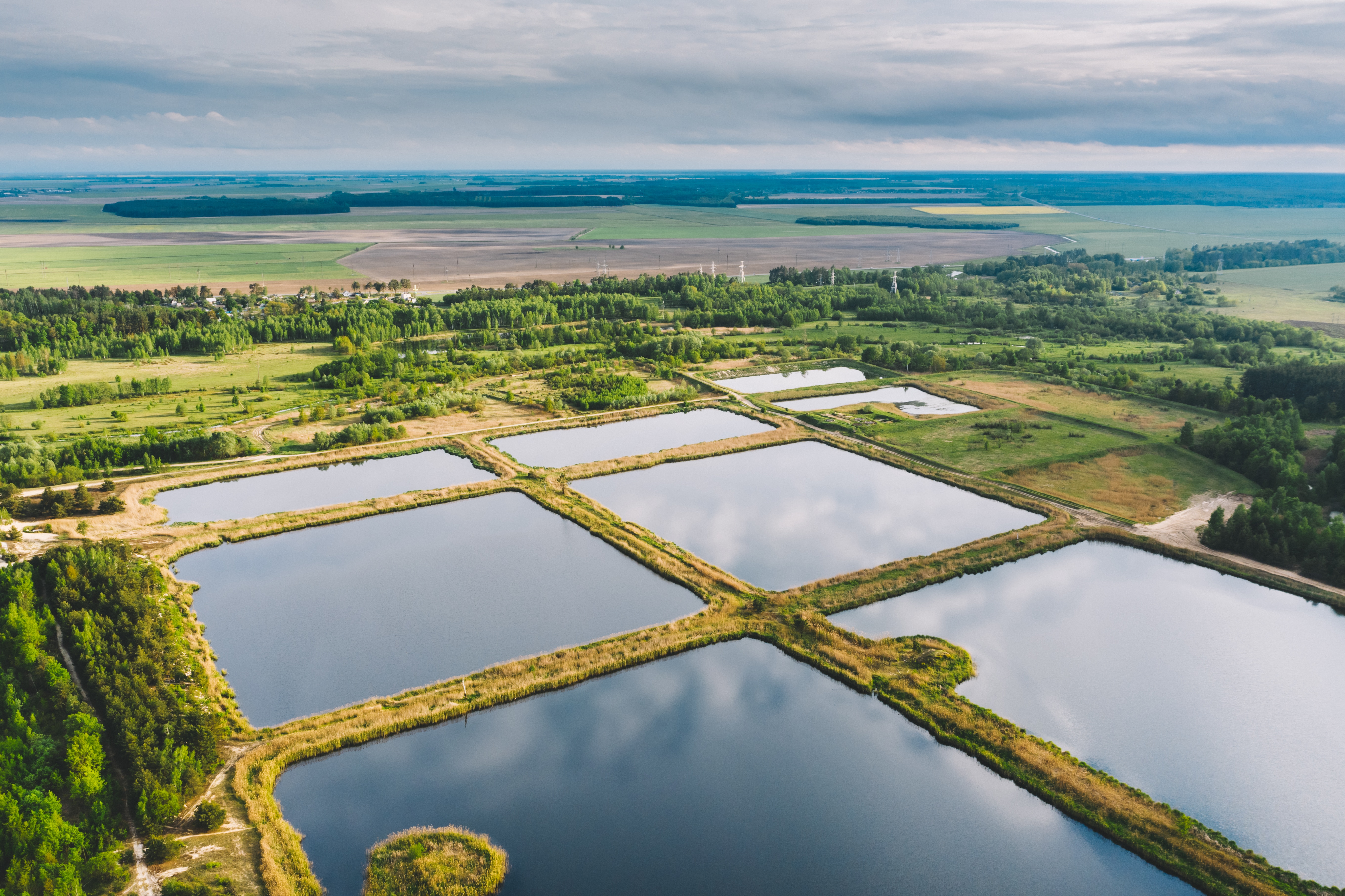
WOTUS Delineation for Proposed Stormwater Detention Improvements
ESE conducted a comprehensive Water Resources Evaluation for an approximately 102-acre tract to support planned stormwater detention improvements and assess potential impacts to Waters of the United States under Section 404 of the Clean Water Act.
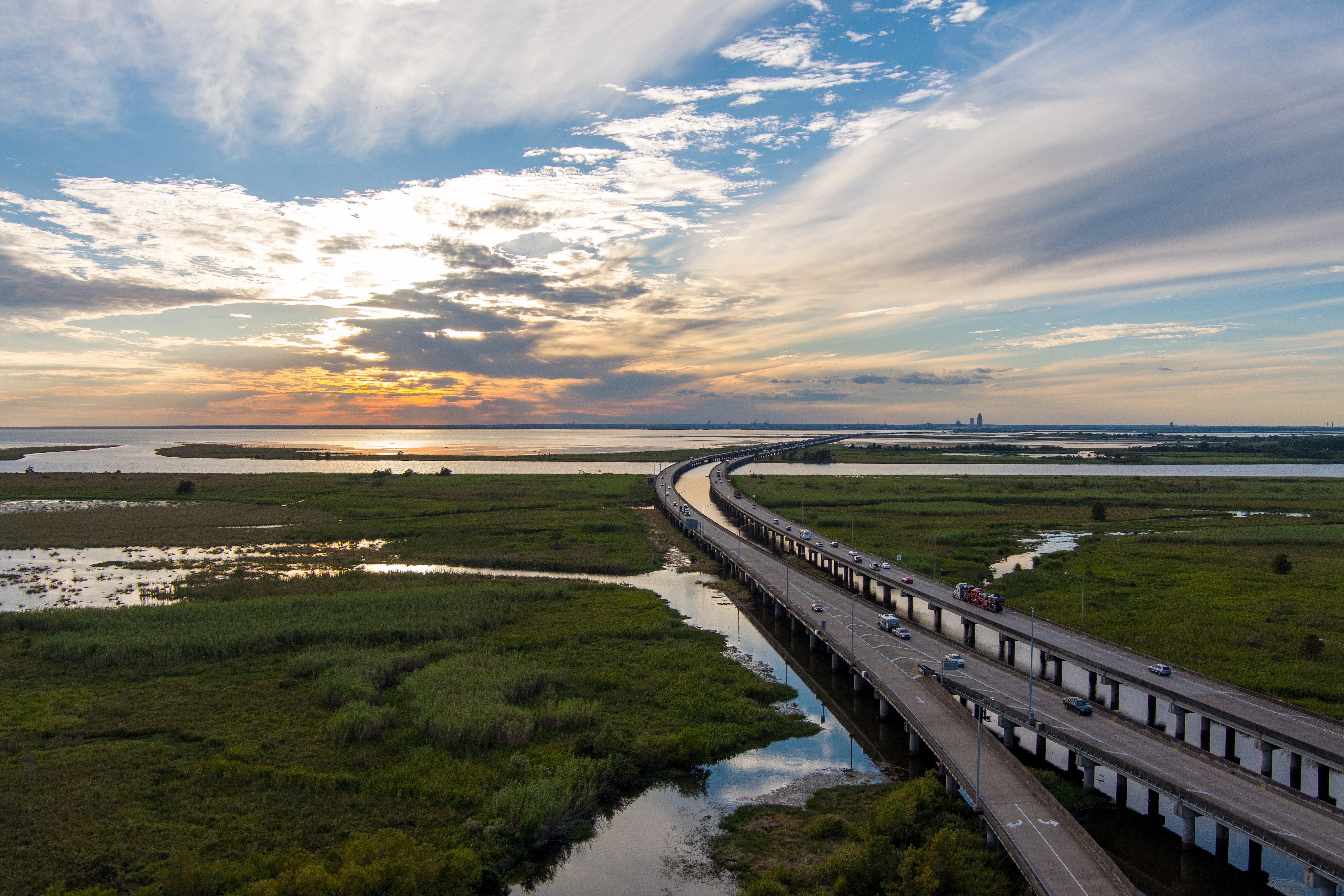
Comprehensive Water Resources Evaluation for Linear Transportation Corridor
ESE conducted a comprehensive Wetland and Waters of the United States evaluation along an approximately 16-mile coastal transportation corridor in South Texas to support ongoing infrastructure planning and regulatory coordination.
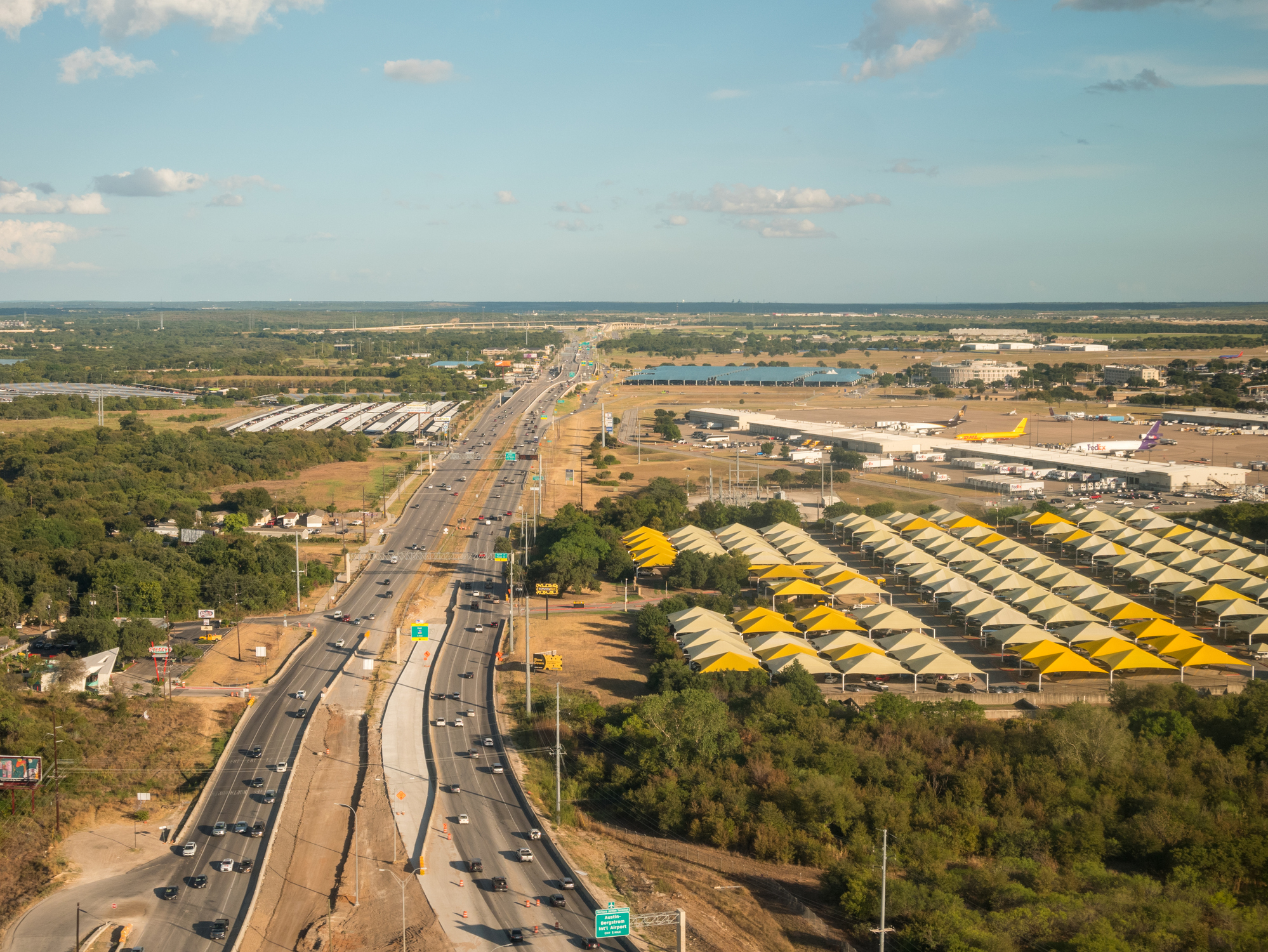
City of Austin ERI
ESE prepared a City of Austin Environmental Resources Inventory (ERI) to fulfill City of Austin requirements and support the project’s planning and development for regional airport parking.
Frequently Asked Questions About Section 404 CWA and Section 10 RHA Permits and Consultations
What are Section 404 CWA and Section 10 RHA permits, and how do they differ?
Section 404 of the Clean Water Act regulates the discharge of dredged or fill material into waters of the United States, including certain wetlands. The U.S. Army Corps of Engineers generally administers the Section 404 permitting program, with EPA guidelines informing environmental review for many permit decisions. Section 10 of the Rivers and Harbors Act of 1899 requires authorization before work occurs in, over, under, or affecting navigable waters of the United States, including activities that may alter the course, location, condition, or capacity of those waters. For Texas projects, these permits often apply to stream crossings, wetland impacts, roadway and utility extensions, pipeline and transmission corridors, dock/marina/pier/bulkhead/dredging/shoreline work, industrial, energy, logistics, and port-related development, and commercial real estate near jurisdictional waters. Depending on the activity, location, and level of impact, authorization may be available through a Nationwide Permit, Regional General Permit, Letter of Permission, or Individual Permit.
When are Section 404 and Section 10 permits required?
A Section 404 CWA or Section 10 RHA permit and consultation strategy may be needed when a project involves commercial real estate acquisition or development with wetlands, streams, ponds, drainageways, or mapped floodplain features; site grading, filling, excavation, or road construction that may affect jurisdictional waters or wetlands; utility, pipeline, fiber, transmission, or linear infrastructure crossings; bridge, culvert, outfall, bank stabilization, or stormwater infrastructure work; port, dock, bulkhead, dredging, marina, or coastal construction; lender due diligence where aquatic resource constraints could affect collateral value, development feasibility, or closing conditions; public infrastructure projects requiring federal authorization, state water quality certification, or agency consultation; and energy and industrial projects where permitting risk could affect construction sequencing or capital deployment. In Texas, Section 404 permit actions commonly also require Section 401 water quality certification review, which TCEQ conducts for many USACE Section 404 permit applications.
What are the risks of skipping or delaying Section 404 and Section 10 permitting?
Skipping or delaying Section 404 CWA and Section 10 RHA permitting can create significant project risk, including construction delays if jurisdictional waters or wetlands are discovered late in design or during site work, permit violations from unauthorized fill, dredging, excavation, or work in navigable waters, lender concerns when environmental due diligence does not address aquatic resource permitting constraints, design rework if impacts are not quantified early, mitigation cost surprises for unavoidable wetland or stream impacts, agency enforcement exposure for unauthorized impacts, and transaction risk if environmental constraints affect development feasibility, timing, or closing conditions. For commercial real estate, energy, industrial, and infrastructure projects, the permitting question is not only “Can we get approval?” but also “How does this affect schedule, cost, design, and deal certainty?”
What does ESE Partners' Section 404 and Section 10 permitting process look like?
ESE Partners approaches Section 404 CWA and Section 10 RHA permitting with one goal: identifying the cleanest path to authorization without overcomplicating the deal or the design — starting with early jurisdictional screening before design decisions become expensive, and helping clients understand what is regulated, what is not, what can be avoided, and what needs to be authorized. The process includes: project kickoff and desktop review (site plans, survey data, aerial imagery, topography, soils, NWI mapping, FEMA data, hydrology, and prior environmental reports); field assessment and delineation (wetlands, streams, drainage features, ordinary high water marks, riparian corridors, and potentially jurisdictional features); jurisdictional strategy (determining whether a Section 404 permit, Section 10 authorization, jurisdictional determination, or agency coordination is required); impact analysis and avoidance review (working with civil engineers, surveyors, and designers to quantify impacts and identify avoidance/minimization options); permit pathway selection (Nationwide Permit, Regional General Permit, Letter of Permission, or Individual Permit); application preparation and agency coordination (permit narratives, figures, impact tables, alternatives documentation, mitigation concepts, pre-construction notification materials, and agency submittals); consultation and supporting studies (Endangered Species Act Section 7 consultation, National Historic Preservation Act Section 106 review, TCEQ Section 401 certification, and other resource-agency coordination); and permit conditions and construction support (helping clients understand permit conditions, mitigation commitments, reporting requirements, construction constraints, and compliance obligations).